 Search


- Grid upgrade helps clean energy consumption, with over 530 virtual power plants
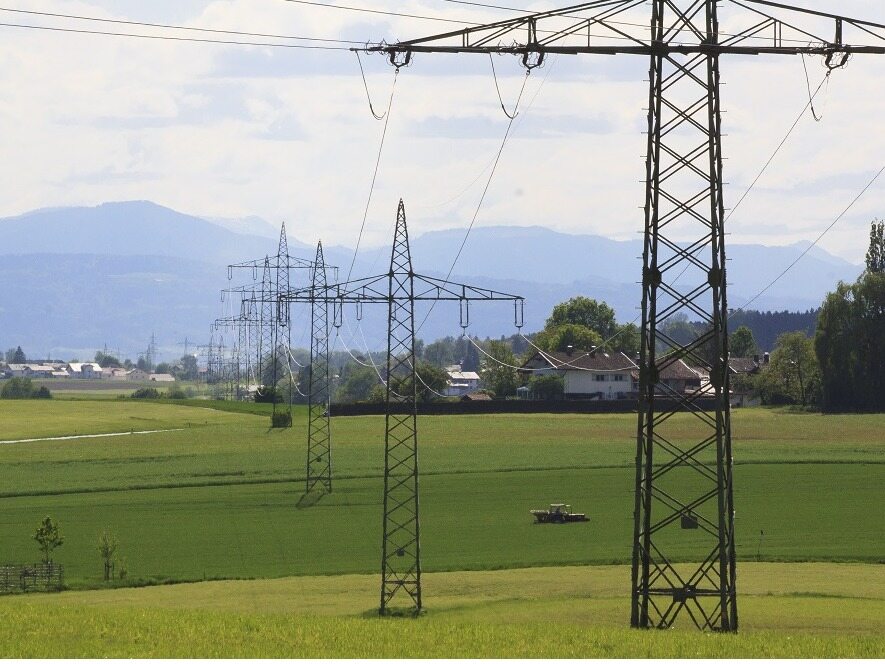
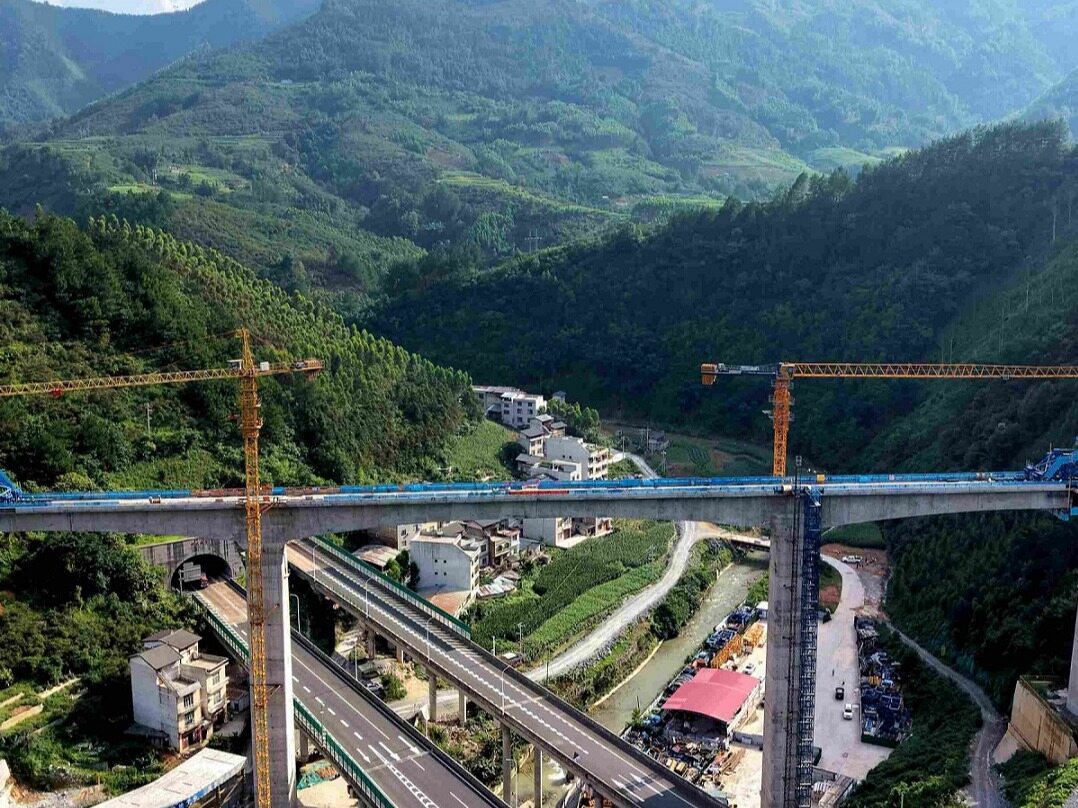
The power grid in the six networks is the hard support for economic and social development. From mountains to deserts, from deserts to deep seas, large-scale power grids are accelerating construction in various regions, with greener electricity and smarter regulation being upgraded at an accelerated pace.
At an altitude of over 3600 meters on the Miyaluo Mountain in Aba, Sichuan, the key project of the national southwest hub power grid - Aba to Chengdu East Ultra High Voltage Project - has entered its final sprint before being put into operation. After completion by the end of the year, clean energy such as water, wind, and light from northwest Sichuan will be directly transmitted to the Sichuan Chongqing load center, delivering over 15 billion kilowatt hours of clean electricity to the Sichuan Chongqing region every year, supporting the development of the Chengdu Chongqing economic circle.
On the edge of the desert in Inner Mongolia, the Mengxi Beijing Tianjin Hebei ± 800 kV high-voltage direct current transmission project has entered the key node of tower assembly along the entire line. This cross regional power artery mainly transmits green electricity from the 12 million kilowatt Shage Desert Base in Kubuqi. After being put into operation next year, the desert green power will be directly delivered to Hebei province, empowering the green and low-carbon development of the Beijing Tianjin Hebei region.
In the Gobi wind zone of Xinjiang, the civil engineering of the Hami 1500 MW solar thermal storage integration project has recently been completed by about 95%. The project relies on abundant solar energy resources and innovatively adopts a photovoltaic+solar thermal+thermal storage integrated collaborative mode, which can continuously output stable and adjustable green electricity to the power grid even at night or on cloudy days.
In Guangdong, the Sanshan Island offshore wind power flexible direct transmission project, which gathers electricity from four offshore wind farms, has completed construction and entered the joint commissioning and testing of offshore converter stations. This converter station, known as the "offshore power heart," transports the collected wind power to land through hundreds of kilometers of submarine cables and integrates it into the power grid. After being put into operation, it can deliver about 6 billion kilowatt hours of clean electricity to the Guangdong Hong Kong Macao Greater Bay Area annually, meeting the annual electricity demand of 2 million households in the Greater Bay Area.
New progress has been made in the construction of digital smart grids. Recently, Zhejiang Virtual Power Plant has completed a new round of interaction with the power grid, participating in market regulation of power generation and consumption on a regular basis. Relying on artificial intelligence models for intelligent regulation, it can predict changes in electricity demand in real time and quickly provide solutions to achieve rational allocation and utilization of surplus electricity. Currently, China has built over 530 virtual power plants. It is expected that by 2030, the maximum regulating capacity of virtual power plants in China will exceed 50 million kilowatts
This article was reprinted on CCTV website Editor/Gao Xue
Comment


 Praise
 Collect
 Comment

 Share


Write something~