 Search


- Kazakhstan is transitioning from a transit channel to a cargo flow organizer
- Expanding and speeding up logistics networks to reduce costs and increase efficiency in Eurasian trade
- It also opens up new growth opportunities for the diversification of the domestic economy
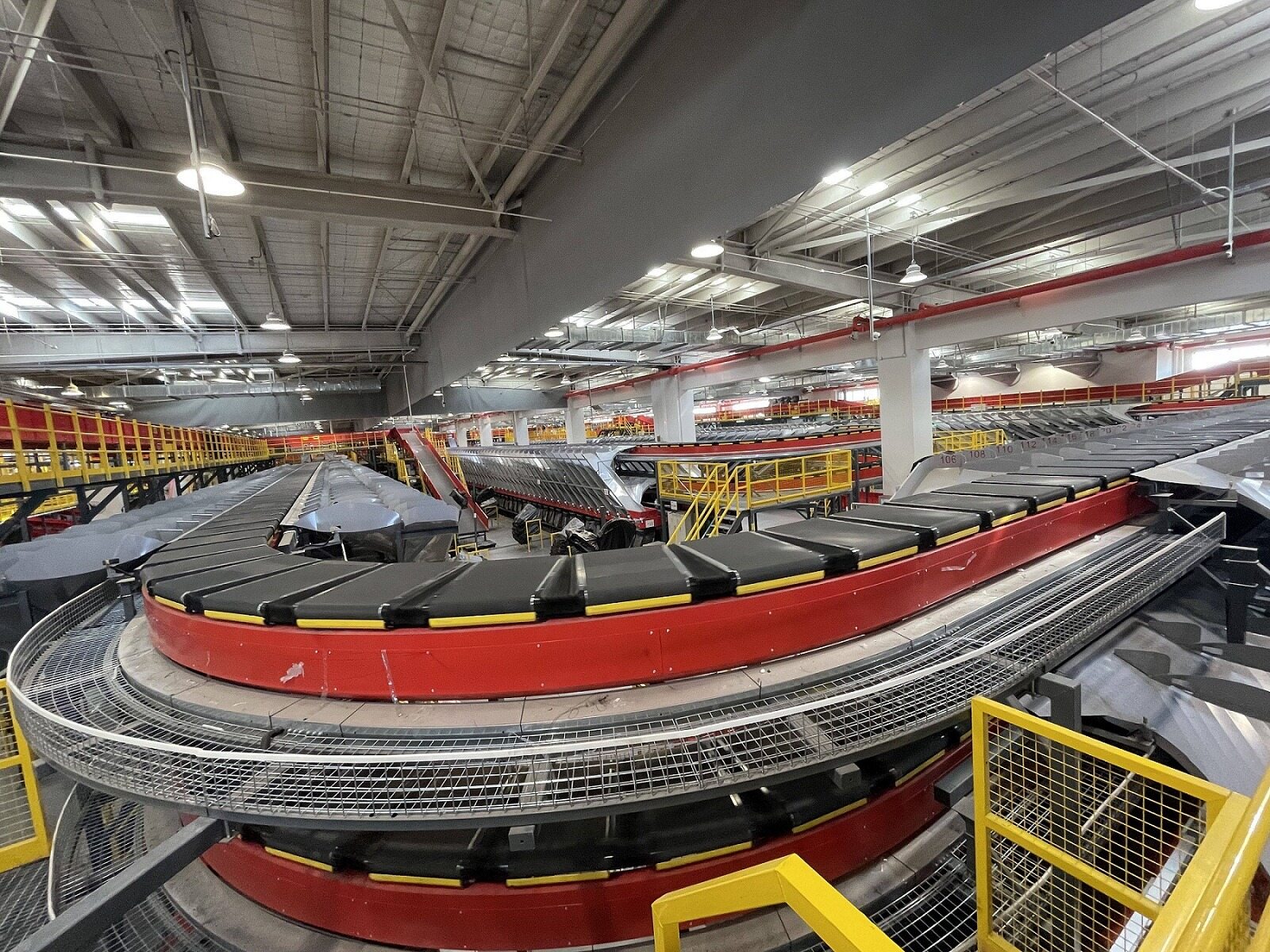
A batch of photovoltaic modules starting from western China were recently reloaded in Khorgos, heading west to Aktau Port on the east coast of the Caspian Sea. In the past, such journeys were often delayed for weeks due to queuing at ports and document circulation; Nowadays, with the acceleration of Kazakhstan's logistics network, the same goods are reaching European buyers with shorter delivery times.
The data confirms the component of this channel. By 2025, the transit transportation volume through Kazakhstan will reach 36.9 million tons, a year-on-year increase of 6.6%; The freight volume of the Trans Caspian International Transport Corridor increased by 36% during the same period, and the total transportation time has been reduced from 28 to 32 days to 13 to 17 days. Currently, about 85% of the freight volume from China to the European continent passes through Kazakhstan. How to turn the geographical route into a gathering place of value has become the most critical economic proposition for this landlocked country.
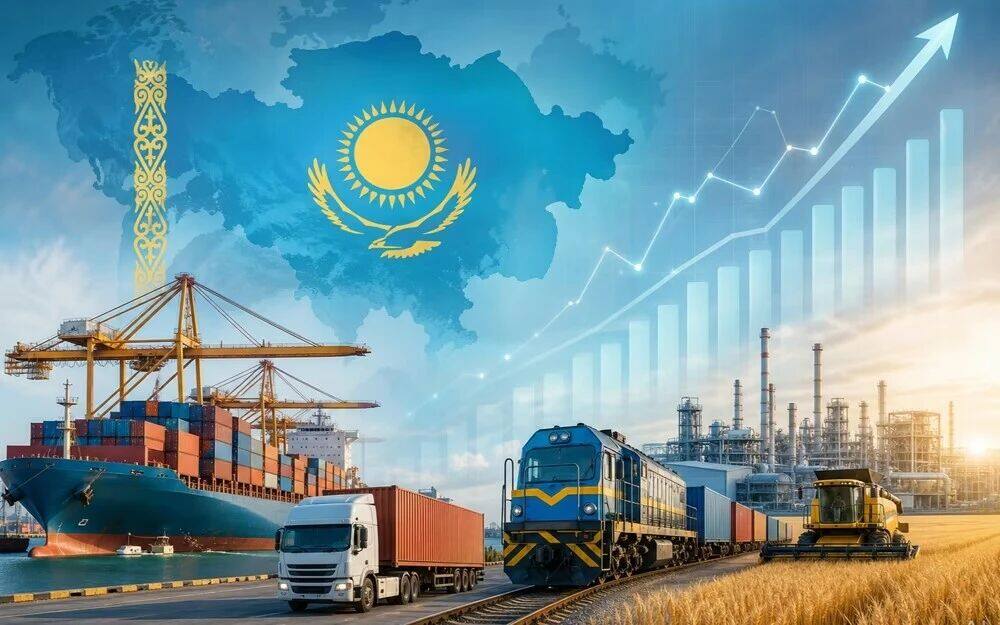
Tarehart Rastaev, Deputy Minister of Transport of Kazakhstan, introduced at the government meeting that 46 logistics centers have been put into operation nationwide, and 21 more are planned to be built by 2030. The relevant work aims to implement the tasks proposed by President Hasmu Jomart Tokayev in his State of the Union address and promote Kazakhstan to become an important logistics hub on the Eurasian continent.
Logistics center accelerates expansion
At the same time as weaving nets domestically, Kazakhstan also sets up points overseas. To attract more international transit goods, the country is developing an overseas logistics terminal network. Currently, three overseas terminals have been put into operation, and seven projects are being implemented. The synchronous promotion of domestic distribution capacity and overseas pre collection nodes constitutes two directions for the construction of transit transportation capacity, which also enables Kazakhstan to shift from passive reception of cargo flow to active organization of cargo flow.
Simultaneous upgrading of highway ports
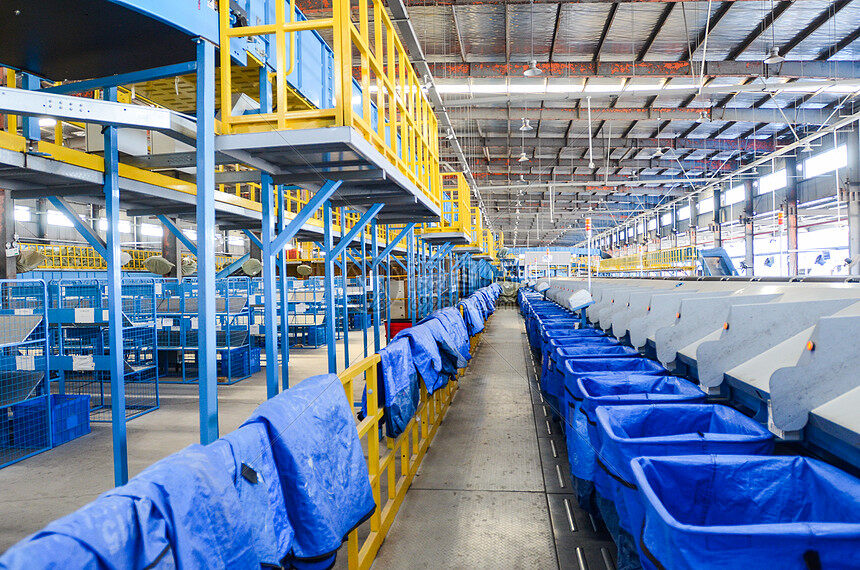
Hardware construction is progressing according to a clear timetable. The Alar Caspian Highway mainline started construction in August this year and is planned to be completed by the end of 2028. After completion, it is expected to shorten the transportation distance of the cross Caspian corridor by about 1000 kilometers and shorten the freight time by up to 3 days; The road section from Kukeshetao to Petropavlo is undergoing preliminary preparations and is scheduled to officially start construction in 2027. At the same time, the modernization of 37 highway border ports continues to advance and is expected to be completed by the end of 2027. In terms of railways, the Bakt Ayaguz railway is planned to be put into operation in 2027, which will increase the capacity of the Kazakhstan China direction by 20 million tons.
Combining air and digital technology
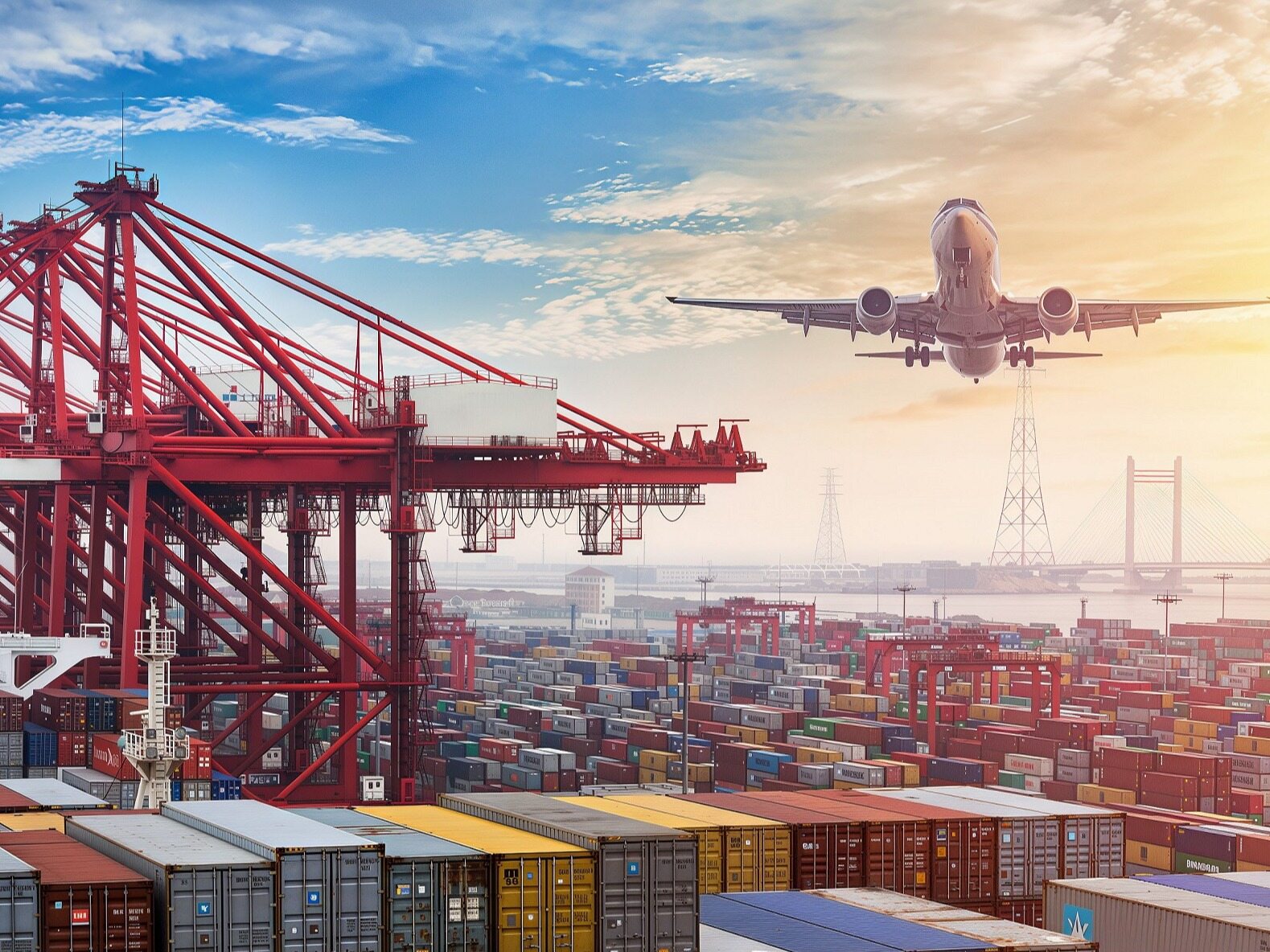
Simultaneous expansion of air cargo transportation. Air Cargo, the national cargo airline, has signed an aircraft procurement contract. The first Airbus A340 is expected to arrive in November this year, and the second is scheduled to be delivered in March 2027. The fleet size will expand to 10 in the future. In the next three years, Kazakhstan will also modernize its airport infrastructure, including runway and terminal upgrades, aviation fuel supply facilities, and cargo terminal construction. The modernization of the aviation navigation support system has also been launched.

Digitization is another invisible runway. Various information systems are being integrated with the unified intelligent platform E-K өлイк. After being put into use, it will promote paperless transportation documents, shorten document processing time, and improve the transparency of goods circulation along the entire transportation route.
From highways to railways, from ports to airports, and then to a fully integrated digital network, Kazakhstan is transforming its transit advantages into organizational capabilities. For regional trade, this means a faster and more controllable Eurasian land route; For Kazakhstan itself, whether its position as a logistics hub can truly be established ultimately depends on whether this batch of projects can be implemented on schedule and whether port efficiency can keep up.Editor/Yang Meiling
Comment





 Praise
 Collect
 Comment

 Share


Write something~