 Search


- Multilateral funding and economic and trade cooperation expand access to Central Asia
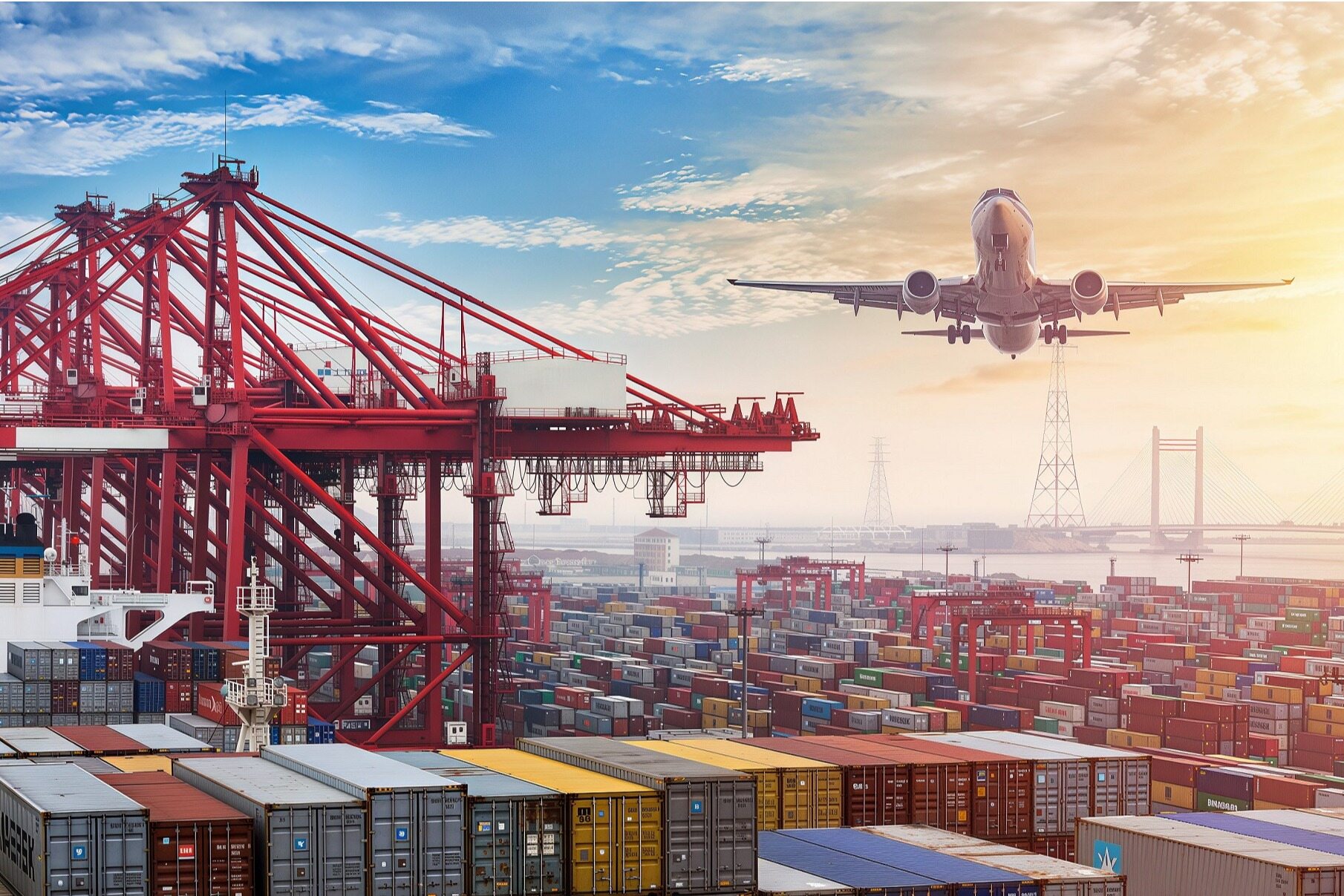
Recently, President Tokayev's special plane will fly to Türkiye in Astana, the capital of Kazakhstan. Almost at the same time, a trade data came from the Statistics Bureau: the trade volume between Kazakhstan and the member countries of the Organization of Turkic States increased by 42%, and that between Kazakhstan and Türkiye increased by 66.5%. In Kyrgyzstan, the news of an 8.8% increase in industrial output has just topped the list of the Eurasian Economic Union. Behind the scattered signals, the entry channels in Central Asia are becoming more numerous and wider.
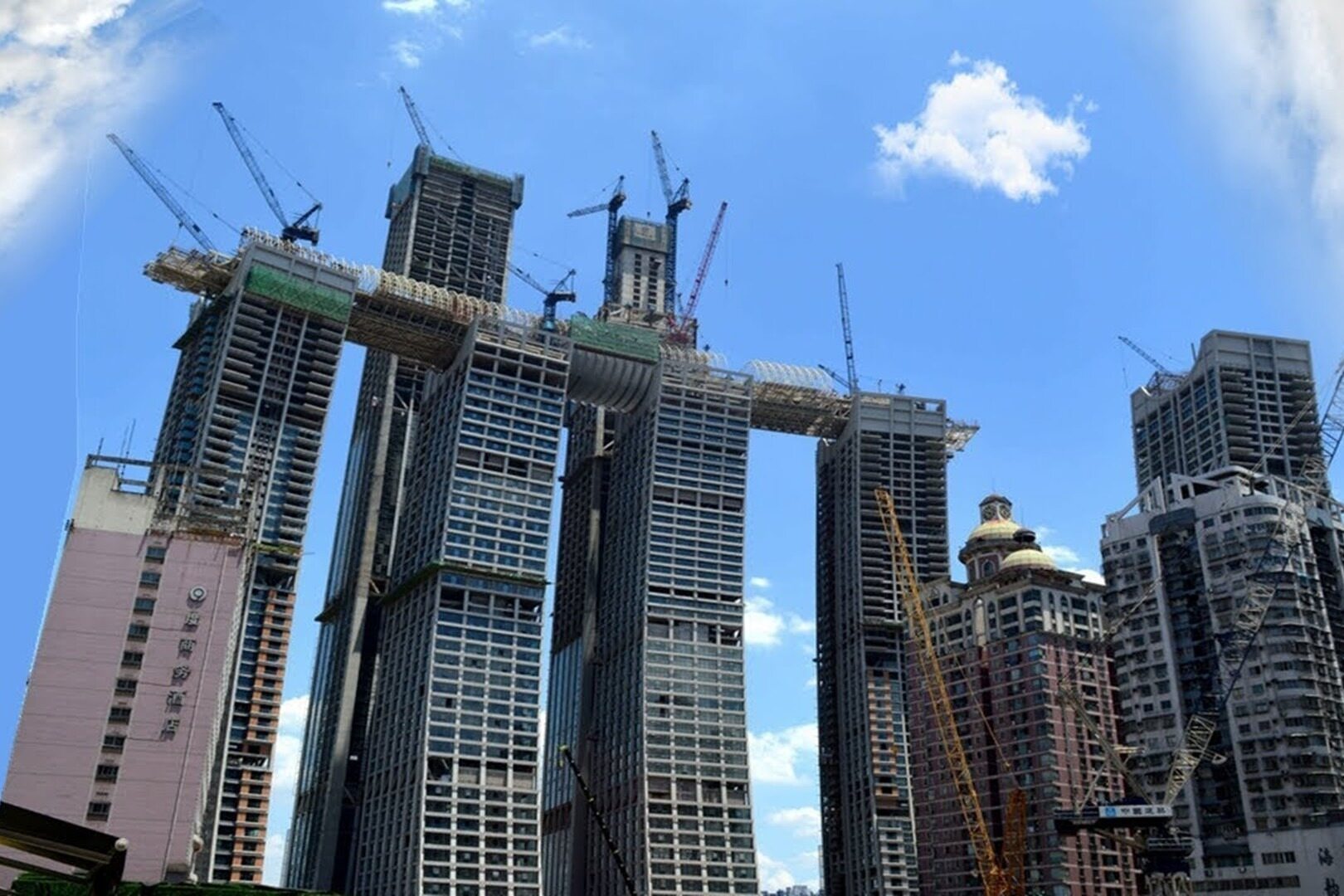
Economic and trade data releases warmth
Kyrgyzstan's industrial output grew by 8.8%, ranking first in the Eurasian Economic Union, and regional industrial investment rebounded. The Sarekaka Special Economic Zone Aluminum Plant in Karaganda Oblast, Kazakhstan has been put into operation, using full process technology to produce aluminum and bimetallic radiators, with a focus on import substitution. The trade volume between Kazakhstan and the member countries of the Organization of Turkic States increased by 42%, and the trade volume with Türkiye increased by 66.5%. Tokayev paid an official visit to Turkey this week to speed up again. Tajikistan and the European Bank for Reconstruction and Development have agreed on an investment roadmap of approximately $900 million from 2026 to 2030, with an increase in foreign investment windows for infrastructure and mining. The Central Asian Youth Leaders Dialogue kicked off in Tashkent and moved to Bukhara, leading to an increase in the density of cultural tourism and local cooperation.
Three entry points for Guangdong enterprises
Kazakhstan's multi-point blooming is not a diplomatic show, but a multi-channel admission ticket. First, indirect entry through third country cooperation projects. For projects between Kazakhstan, Türkiye and the Turkic world, Chinese enterprises can take advantage of the multilateral framework, without having to be tough. Secondly, closely monitor the project lists of multilateral financial institutions. Funds such as the European Bank for Reconstruction and Development are low-cost entry tickets into infrastructure and mining, and following up on project lists is more efficient than searching for them on one's own. Thirdly, there are official opportunities for cultural tourism and youth exchanges to form groups. Guangdong enterprises that engage in cultural tourism, education, and local economic and trade exchanges should closely follow the official channels for group notifications. The roadmap of Tajikistan's European Bank for Reconstruction and Development is not a pie in the sky, but a list of projects funded by multilateral funds. Whoever connects first will get the low-cost entry ticket. Keywords: Central Asia News Network, Infrastructure, Trade, International

Opportunity Window List
In terms of industrial equipment and import substitution, Kyrgyzstan's industrial growth rate is 8.8%, ranking first in the Eurasian Economic Union. Aluminum plants have been put into operation, and Guangdong enterprises can export equipment and invest locally. In terms of cooperation between Kazakhstan, Türkiye and Turkey, the trade volume increased by 42% and 66.5%, Tokayev visited Turkey, and Guangdong enterprises can take the advantage of the third country framework to cut in. In terms of infrastructure and mining in Tajikistan, the European Bank for Reconstruction and Development will allocate approximately 900 million US dollars from 2026 to 2030, and Guangdong enterprises can connect with multilateral project lists. The entry channels to Central Asia are increasing, and what Guangdong enterprises need to do is to translate the diplomacy of multiple blooming points into doors they can enter.Editor/Gao Xue
Comment


 Praise
 Collect
 Comment

 Share


Write something~