 Search



- The speakers of the two countries have agreed to establish a joint committee and develop a roadmap for 2027-2028
- Import the consensus of the head of state into the legislative and supervisory procedures, and move the alliance relationship from a document to a reality
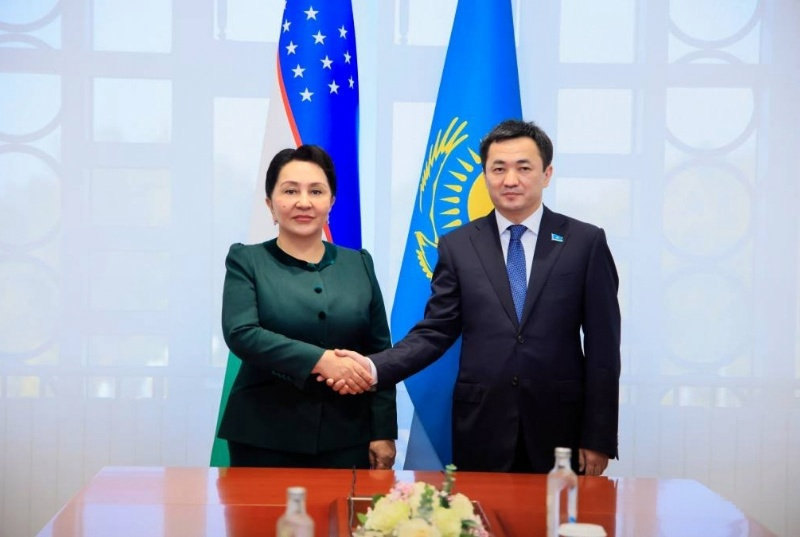
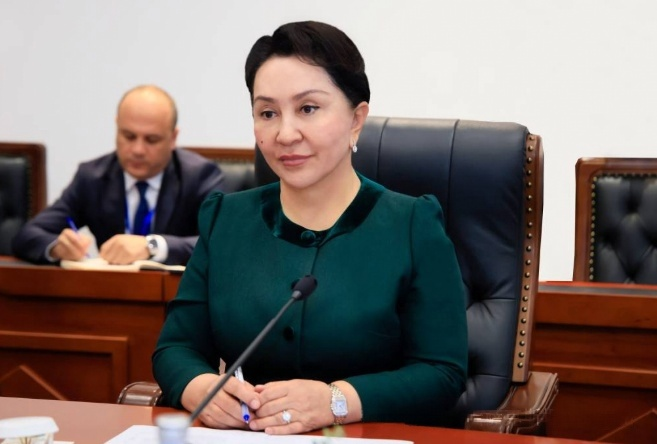
In October in Dushanbe, representatives of the parliaments of the five Central Asian countries just passed the Dushanbe Declaration at the Fourth Central Asian Inter Parliamentary Forum, and another dialogue outside the venue began immediately. Tanzila Narbayeva, Chairman of the Senate of the Supreme Assembly of Uzbekistan, sat down face-to-face with Aibek Dadbay, Chairman of the Kurultai of Kazakhstan, and the topic shifted from strategic partnerships to ports, trucks, and data.
Allies need to land among themselves
Uzbekistan and Kazakhstan are no longer ordinary neighboring countries. The two countries established a strategic partnership in 2013, signed a declaration of alliance in 2021, and signed a treaty on alliance and border demarcation in 2022, becoming the first pair of neighboring countries in Central Asia to completely resolve border issues. The 2357 kilometer long common border has transformed from a source of dispute to a line of cooperation. In November 2025, the two heads of state met in Tashkent and proposed to increase bilateral trade to 10 billion US dollars by 2030, with the Central Asian International Industrial Cooperation Center on both sides of the border being put into operation at the same time. The more agreements are signed, the more crucial it is to turn paper commitments into reality through legislation and supervision.
Install mechanisms for cooperation
Therefore, Narbayeva proposed to improve the institutional foundation for inter parliamentary cooperation. Both sides suggest studying the establishment of a joint inter parliamentary committee and developing a roadmap for 2027-2028, which will provide both institutional support and a timetable for cooperation. The liaison between the parliamentary committees of the two countries will be further strengthened, and regular discussions will be held on the implementation of the agreement reached by the two heads of state; The communication between female parliamentarians and young parliamentarians has also been included in the agenda to reserve talents and consensus for long-term cooperation.
Transform consensus into daily life
The issue goes beyond the mechanism itself. Both sides will focus on regional cooperation in the fields of trade, economy, transportation, and logistics, and promote the practical implementation of agreements reached at the highest level of parliaments in various countries. There are currently 11 border ports between the two countries, including 8 highway ports and 3 railway ports. The bilateral trade volume is expected to reach nearly 5 billion US dollars by 2025. For every one point increase in customs clearance efficiency, the flow of goods and people's livelihoods will benefit more. Looking towards the future, both parties have also agreed to exchange legislative experience in the fields of artificial intelligence legal regulation and personal data protection. Against the backdrop of the establishment of a unicameral parliament in Kazakhstan and the completion of the election of the Uzbekistan Senate, this meeting has laid the legislative framework for the next stage of bilateral relations.
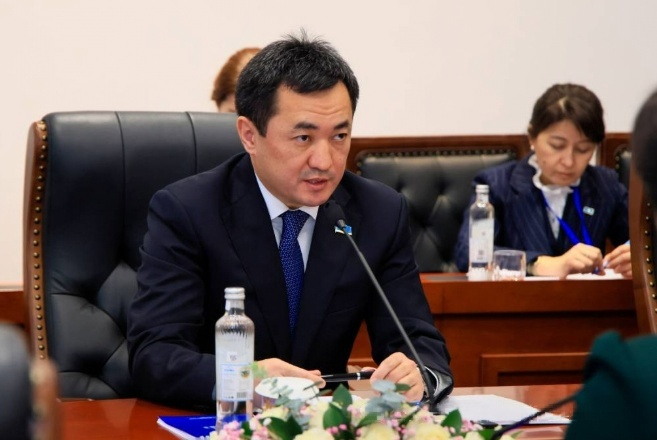
At the end of the meeting, both sides agreed to further expand inter parliamentary cooperation and effectively utilize all existing cooperation opportunities. From declarations to committees, from roadmaps to ports, these two major countries in Central Asia are trying to experiment with rules and schedules, turning high-level consensus into quantifiable daily routines.Editor/Yang Meiling
Comment







 Praise
 Collect
 Comment

 Share


Write something~