 Search


- Find alternative fuel routes for highly dependent gasoline imports from Russia
- It also promotes the transformation of energy supply in Central Asia from single dependence to diversification
Since the beginning of summer, the price tags at gas stations in Uzbekistan have been changing frequently. After the Russian refinery was attacked and shut down, exports were tightened, putting pressure on Central Asia, which relies on Russian oil supply. In autumn, a Chinese energy delegation sat at the negotiating table in Tashkent.
Sudden tightening of oil circuit
The Ukrainian Ministry of Energy announced in September that the import volume has significantly decreased after the shutdown of Russian refineries. 85% -90% of Ukraine's gasoline imports come from Russia, and at that time, alternative channels such as Azerbaijan, Turkmenistan, and Belarus were already being studied.
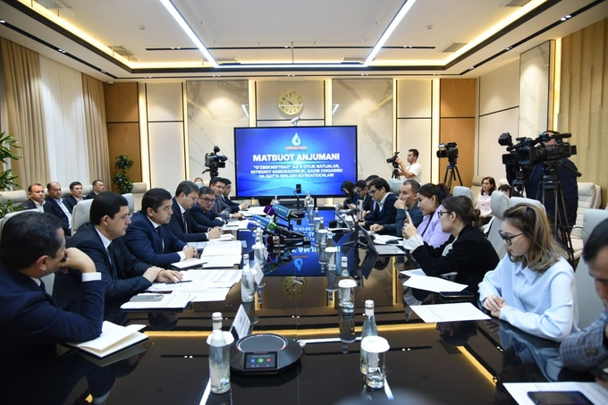
Customs data is more intuitive: imported gasoline from January to August 2026 was 721.5 million liters, a year-on-year increase of 41.2%; The amount is 437.4 million US dollars, an increase of 48.6%. But the growth was almost entirely before April, with approximately 141.8 million liters in April, 72 million liters in May, 50.7 million liters in June, 18.6 million liters in July, and only 11.4 million liters in August. August is less than one twelfth of April, a year-on-year decrease of 76.8%. The average import price increased from about 576 US dollars per thousand liters in April to nearly 995 US dollars in August, with a growth rate of about 73% in four months; The average gasoline price in August increased by 1.9% month on month and 20.2% year-on-year.
Turning to China
According to the Uzbekistan newspaper website on November 2nd, the Uzbekistan Oil and Gas Company is in talks with PetroChina for oil and gas supply. On October 27th, Farid Muminov, Vice Chairman of the Board of Directors, announced that the company plans to explore new procurement directions to reduce dependence and stabilize domestic oil supply; The target is China Petroleum, a listed company under the China National Petroleum Corporation (CNPC), which involves 92 octane and above gasoline and diesel, as well as increasing the import of crude oil and natural gas condensate for processing at the Bukhara Refinery. The scale is determined according to domestic demand, and negotiations are still ongoing.
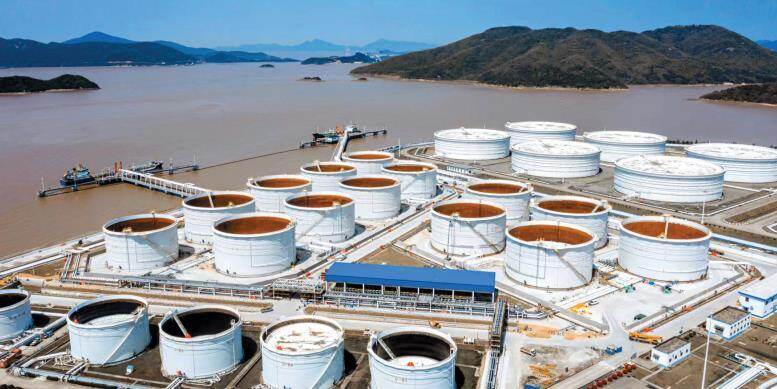
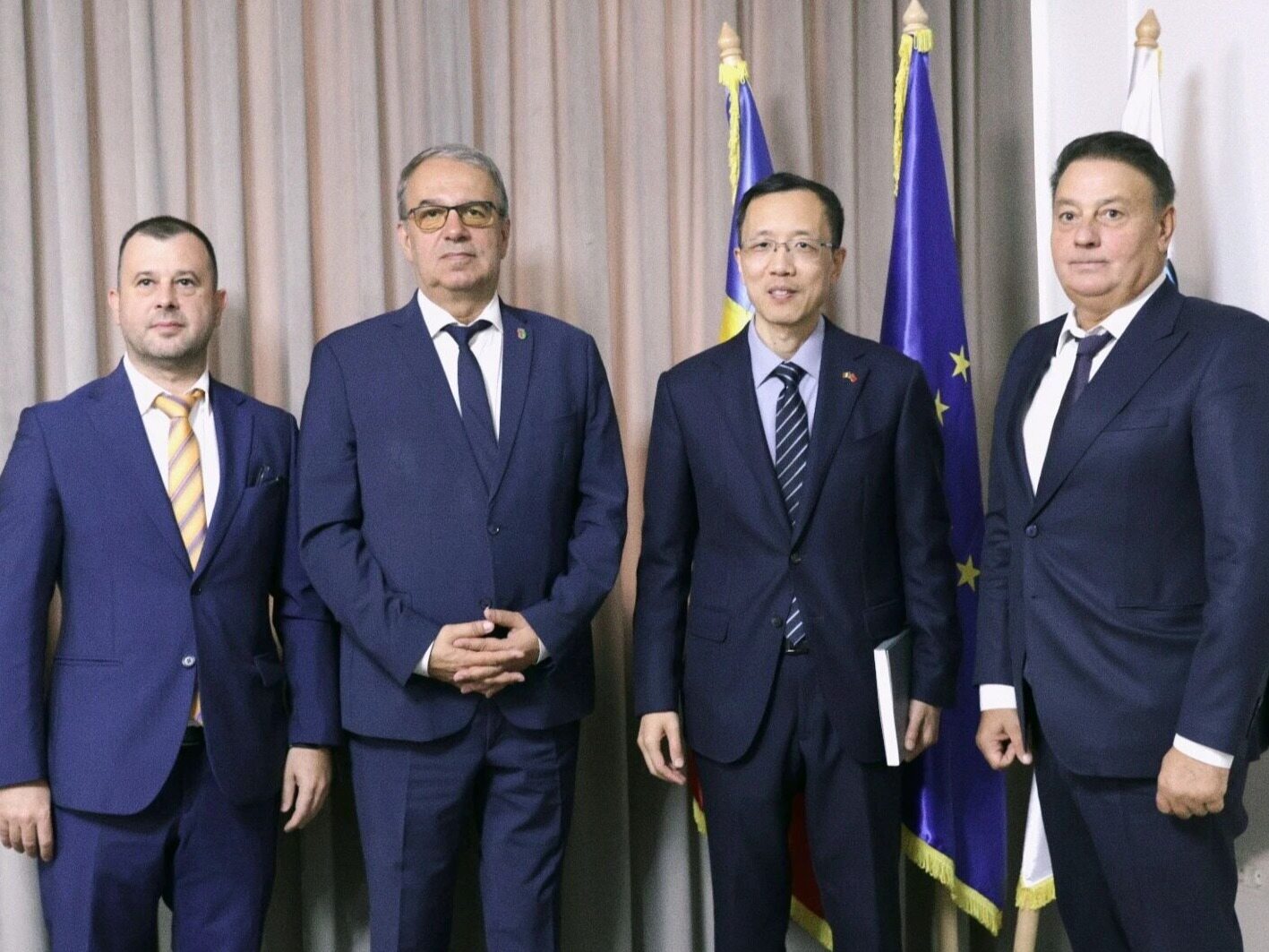
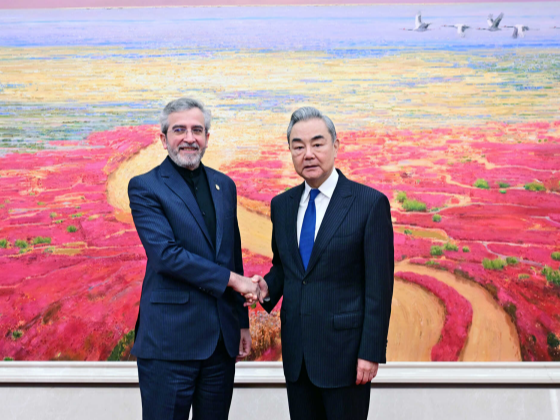
On October 20th, the Chairman of the Board of Directors, Abdulgany Sanginov, held talks with a delegation led by the President of PetroChina to explore the feasibility of long-term oil supply, expand oil and gas cooperation, accelerate project implementation, and involve oil and gas exploration, drilling, seismic exploration, natural gas production and efficiency improvement, digital transformation, and modern equipment supply. Three days ago, Chinese high-level officials proposed to strengthen energy cooperation in Tashkent.
The cumulative cooperation between the two parties has exceeded 1 billion US dollars, including import contracts, service contracts, and joint projects, not just for the procurement of refined oil products; Western Drilling, Oriental Geophysical Exploration, Chuanqing Drilling, and CNOOC Logging have already been operating in Ukraine. Buying oil is a new branch that has grown from an old partnership.
Not just buying oil
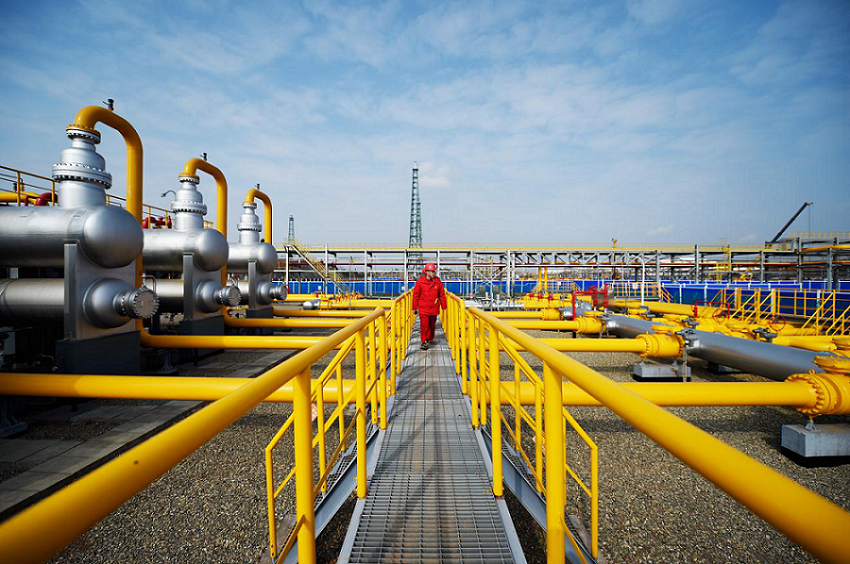
Crude oil and condensate entering Bukhara Refinery have their own calculations. The factory is being upgraded and transformed by China Petroleum Engineering Construction Company to switch to Euro V standard high octane gasoline. After the transformation in 2024, it is agreed to stop producing 80 octane gasoline from September 2025. What Wu Fang wants is to provide their own equipment with stable raw materials for refining.
In the same summer, Kyrgyzstan sought assistance from China and Belarus for aviation kerosene diesel, Tajikistan expanded its purchases of fuel from Turkmenistan and Kazakhstan, and Kazakhstan tightened its borders to prevent outflows. The emergency oil search is solidifying into a new trade link. With the advancement of the China Kyrgyzstan Uzbekistan railway, cooperation between China and Uzbekistan has extended from engineering and exploration to trade, giving Uzbekistan more confidence not to be swayed by prices; The price tag will still change, but it is determined by more than one direction of the hand.Editor/Yang Meiling
Comment


 Praise
 Collect
 Comment

 Share


Write something~