 Search


- Plan to turn millions of rooftops into adjustable resources
- It also opens up a new market for Chinese optical storage enterprises that require actuarial income
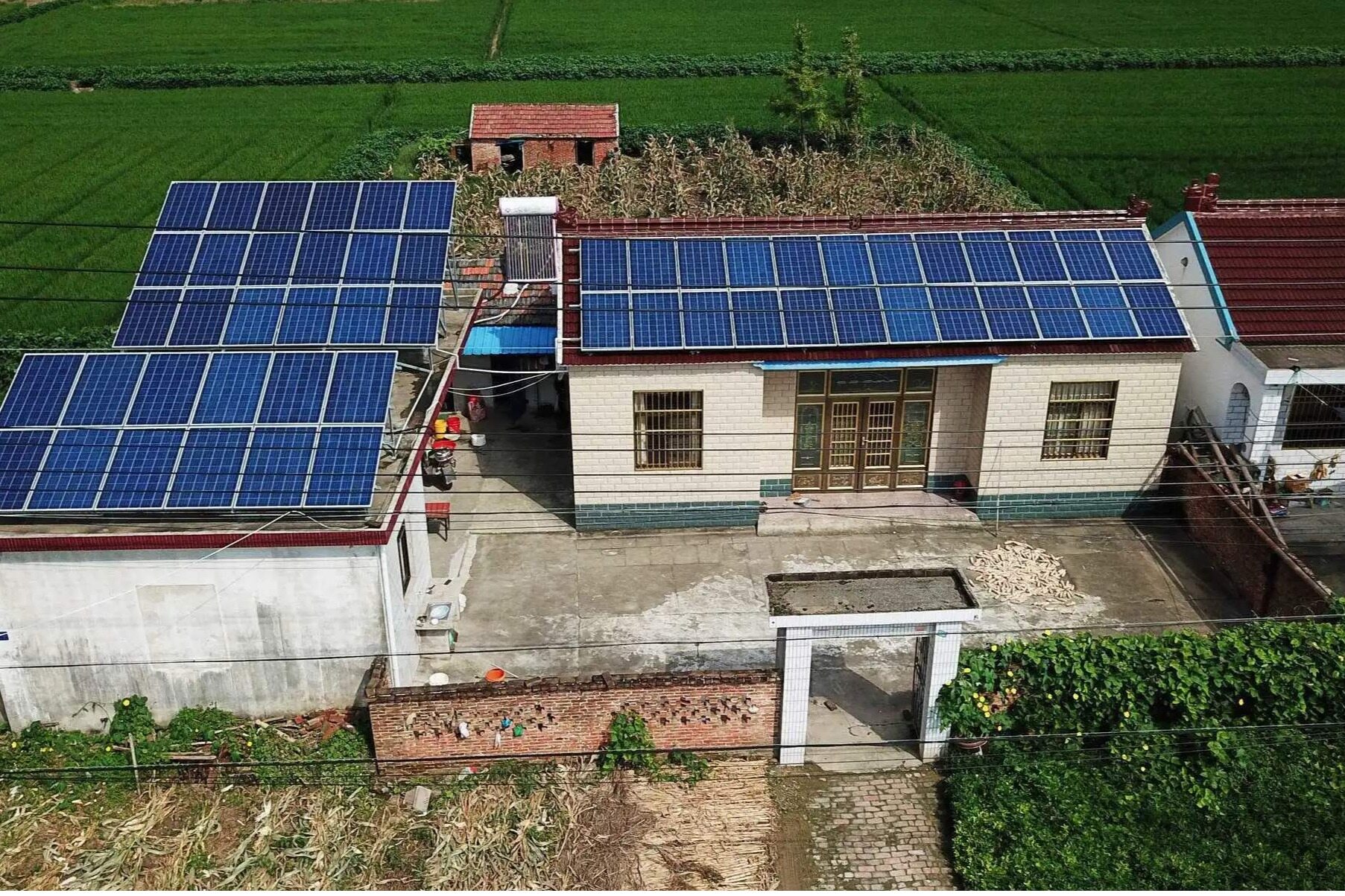
Let's start from a small factory in S ã o Paulo: at noon, the rooftop photovoltaic system was fully operational, and the electricity meter almost stopped running; The machine restarted in the evening, but I bought peak electricity instead. The misalignment of these few hours is exactly the problem that Brazil's next round of power expansion needs to solve.
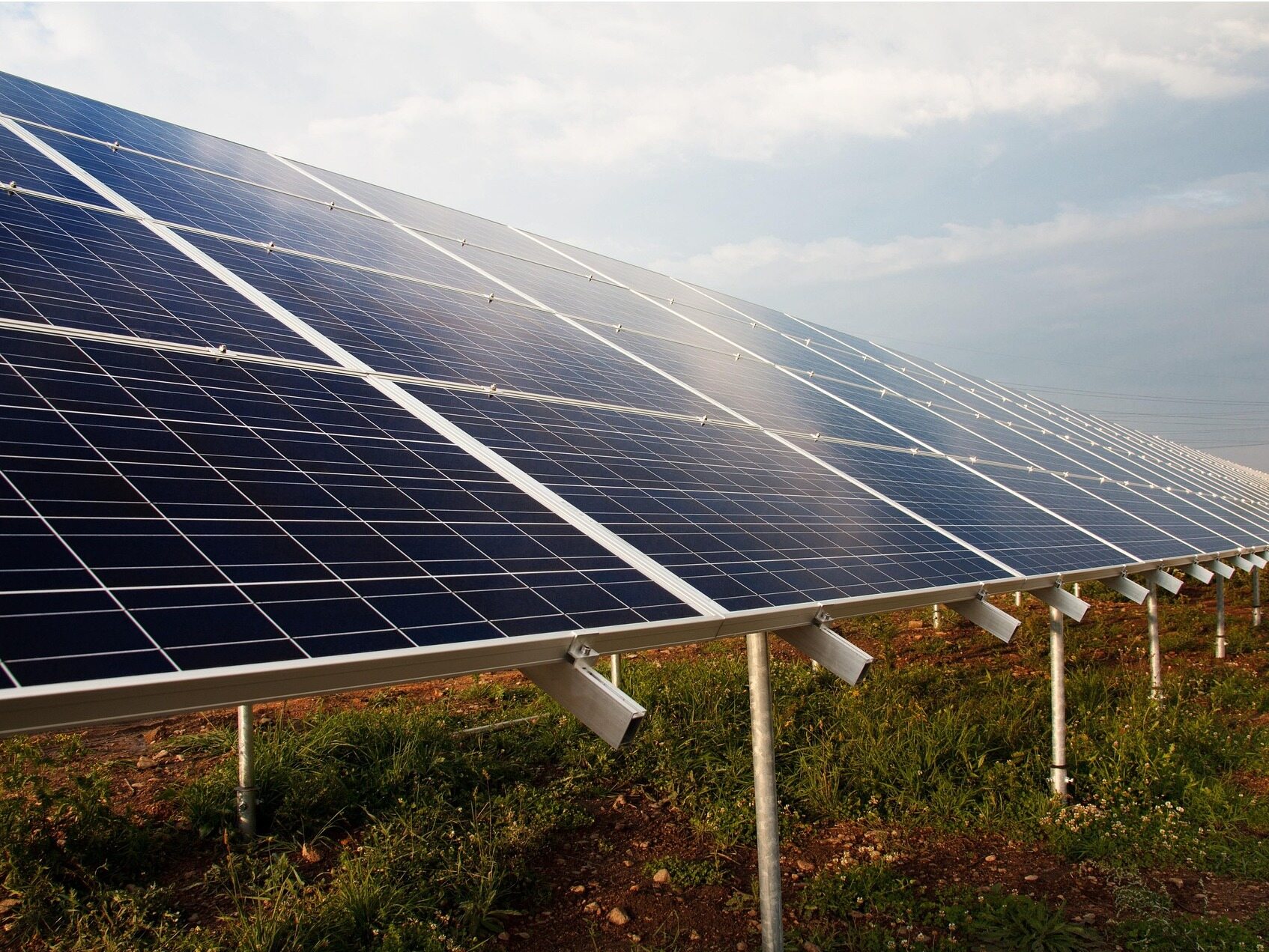
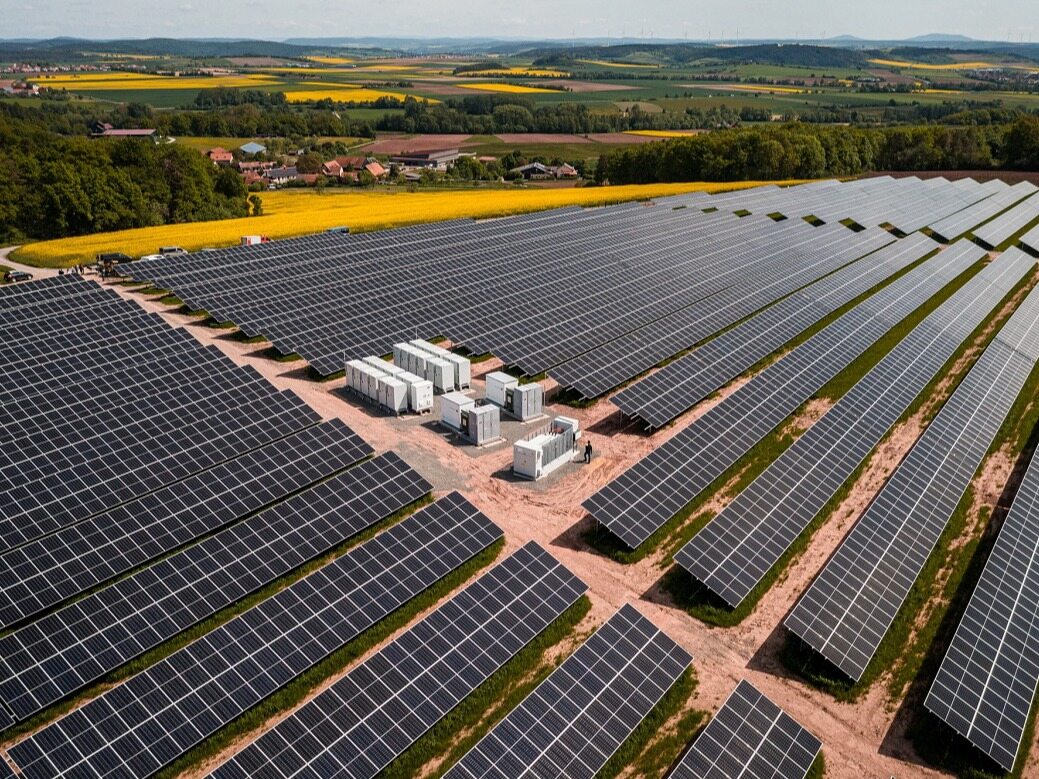
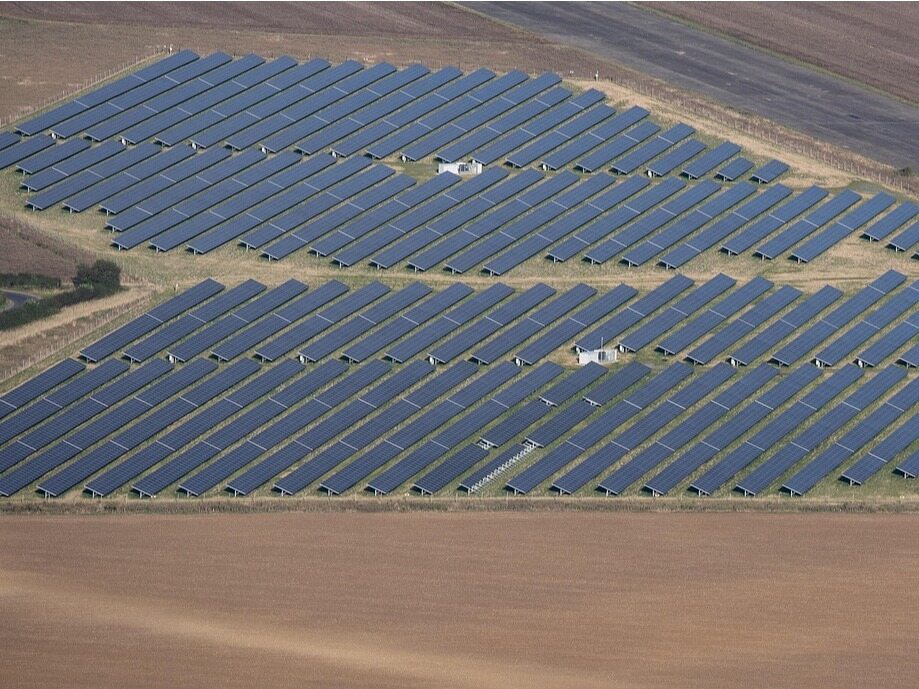
On November 4, 2026, the Brazilian Ministry of Mines and Energy's MME and the Energy Research Institute's EPE released a special study on the ten-year plan for energy expansion in 2036: by 2036, the installed capacity of micro and small distributed power generation can reach 91.7 GW, with an investment of approximately 95.9 billion Brazilian reals from 2027 to 2036, with photovoltaics accounting for 99% and approximately 13.5 million adopters. These facilities are located on the electricity side for residents, merchants, and businesses.
Don't mix three numbers together
91.7GW, or 91.7 million kilowatts, refers to cumulative installed capacity, equipment capacity, not annual power generation. 53 TWh is approximately 53 billion kilowatt hours, which is the expected avoided electricity demand in 2036, mainly due to efficiency improvement: replacing high-efficiency equipment with the same work will result in less electricity consumption. 276 TWh is approximately 276 billion kilowatt hours, including electricity that is energy-saving, self generated, and not injected into the grid, as well as micro and small-scale distributed generation, which cannot be fully considered as new photovoltaic power. The market boundary is only clear when the three accounts have different calibers.
There are too many photovoltaics that need to be adjusted
Concentrated power generation during the day, with peak hours often occurring elsewhere. The study emphasizes the coordination of supply and demand through energy storage, demand response, digital control, and resource aggregation; The plan also includes battery energy storage and pumped storage as flexible resources. Demand response refers to users shifting their electricity usage time based on electricity prices or incentives. By 2036, incentive based models can contribute 4GW of effective capacity, but power indicators still need to be viewed separately from annual electricity consumption. Policy direction: Net metering and Law No. 14.300 support distributed photovoltaics. Nowadays, the compensation for surplus electricity has decreased with the increase of the sharing ratio of grid usage fees, making self use more cost-effective.
Law No. 15.269 classifies energy storage as an independent entity, and the free electricity market is opened in stages, with time of use electricity prices making it cheaper during the day and more expensive in the evening. Once the price difference is put on the table, it becomes business to move the electricity from noon to evening.
View detailed account of battery orders
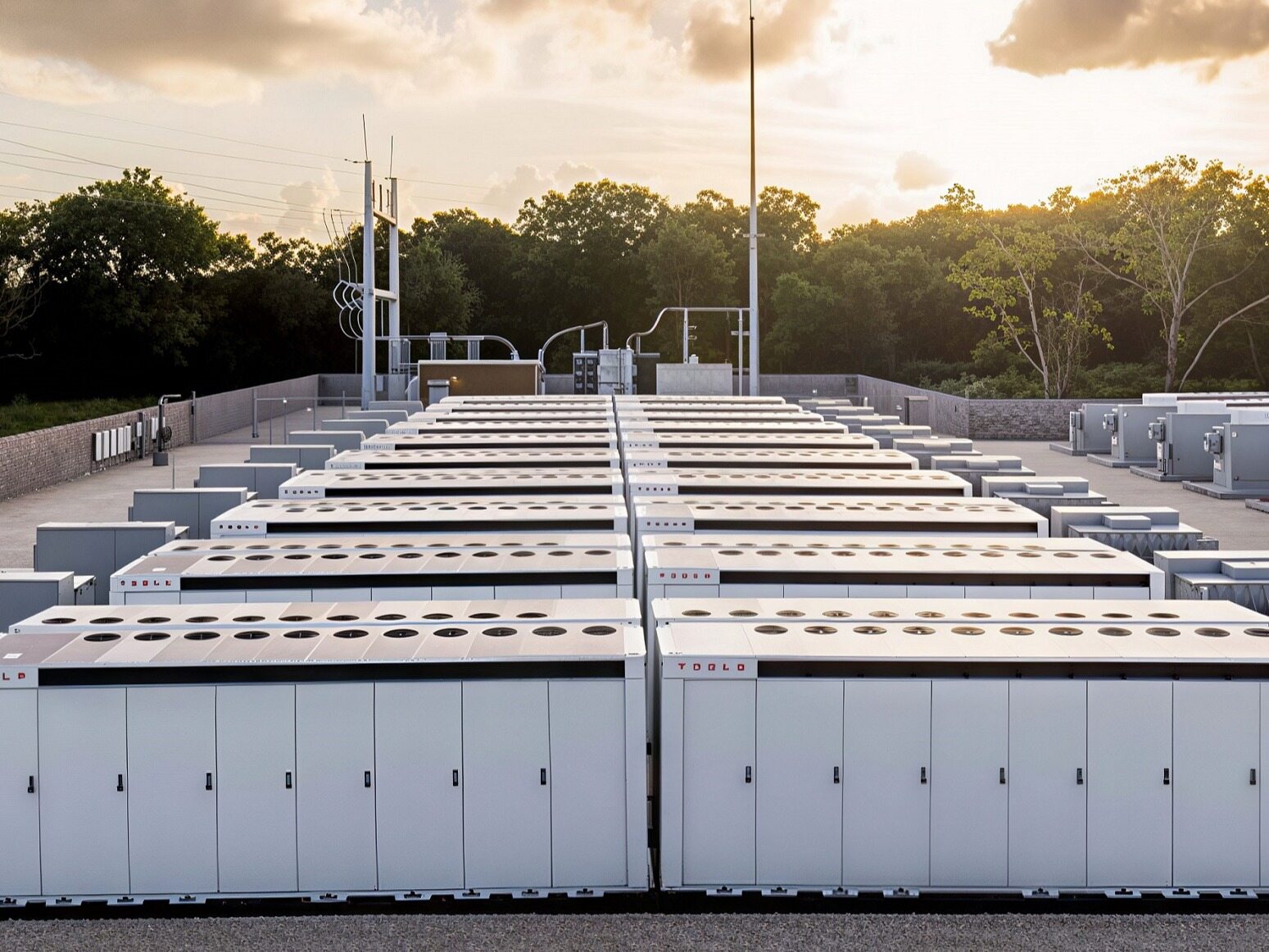
The report evaluates three types of applications for the battery on the back side of the electricity meter, namely energy storage installed on the user's metering side and mainly serving itself: the economy is still focused on specific scenarios, and the more promising is electricity management for specific industrial and commercial electricity price users. The return on off balance sheet energy storage is highly dependent on peak valley price differences and regulatory permits, and the market is characterized by product first and demand later.
Whether batteries make money or not depends on the electricity price structure, hourly electricity consumption, investment costs, and operating rules; The expansion of installation only requires the installation of a base, and does not guarantee equal returns for each household.
Components, inverters, batteries, energy management software, high-efficiency motors, and data center refrigeration equipment are all related to it. But 95.9 billion reais is only a ten-year forecast, and projects, bidding, and delivery are still determined by the subsequent market. What is more realistic now is localization: Sunshine Power, Huawei Digital Energy Supply PCS and energy storage systems, BYD, Jinko Solar Energy Storage, Ningde Times, etc. participate in reserve through local assembly and cooperation, and the local content requirements for capacity auctions are also raising the threshold.
The official also listed the entry of low-voltage users into the free electricity market, time of use electricity prices, and the value of distributed resource services as variables; As of November 6, 2026, the final planning and supporting rules for PDE 2036 public consultation may still be adjusted. keywords:New energy information network
To enter, it is more important to first calculate the hourly rate of each roof than to remember 91.7GW.Editor/Yang Meiling
Comment

 Praise
 Collect
 Comment

 Share


Write something~