 Search


- There is a gap in the expansion of the European power grid
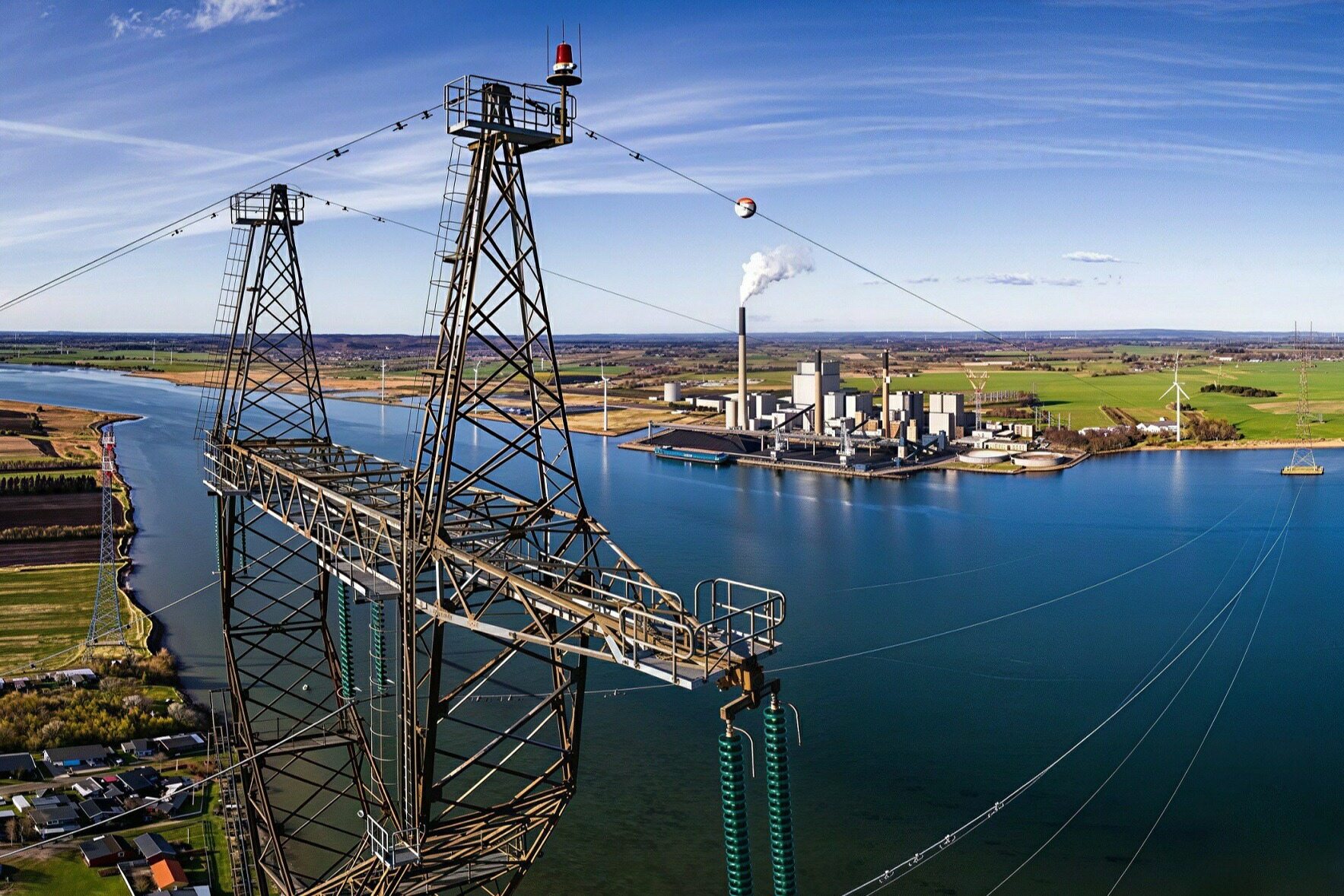
Under the wave of energy transformation, European wind and solar power are rushing forward, and the electricity consumption of electric vehicles and data centers is surging. However, the expansion of transmission networks cannot keep up with the pace, and cross-border channels are frequently stuck. The EU regulatory report shows that transmission investment has nearly doubled in six years, but about 22% of cross-border projects are still delayed every year, and congestion costs have increased by another quarter. The money is spent recklessly, but the road is blocked. The system is paying for the old logic of heavy power generation and light delivery.
There are too many sources of goods and the main line hasn't kept up
Comparing the power grid to a highway, wind and photovoltaic power are new sources of supply, and the transmission grid is a cross provincial highway. In the past few years, Europe has focused on the production of goods, with new energy installations rushing forward, but logistics routes are still being constructed according to the old map. The wind in the North Sea generates electricity, while the sunshine in Southern Europe generates electricity. However, electricity is stuck at the regional boundary and cannot enter the industrial hinterland; On one hand, there are local negative electricity prices and wind and solar power curtailment, while on the other hand, the power supply to the core load center needs to be delayed for several years.
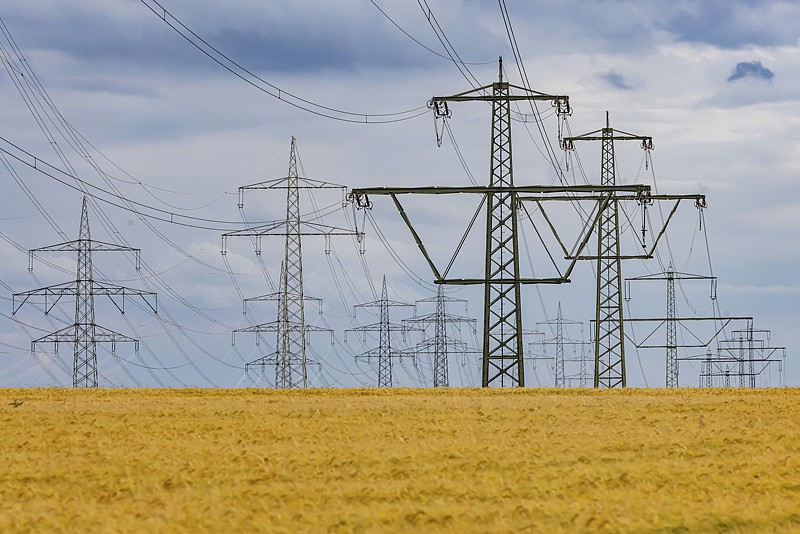
Even more troublesome is that cross-border engineering inherently carries political attributes. The availability of funds is only a prerequisite. If there is any delay in the approval process, cost-benefit allocation, and regulatory coordination among countries, the physical cables can only be stopped on the drawings. For every year of overall delay, the net economic welfare losses amount to billions.
The congestion point will not wait for the new line to open
The new line has a delivery cycle of five to fifteen years, but the power system has to operate every second. When the existing grid cannot support the trend, operators can only rely on temporary scheduling and load shedding to alleviate congestion, and this money is ultimately shared among residents' bills. The cost of residential power grid has increased by 40% compared to a few years ago, and network fees account for nearly 30% of household electricity prices. The ledger of transformation is straightforward: the more aggressive the front-end investment, the more expensive the bottleneck will be if the back-end is not transparent.
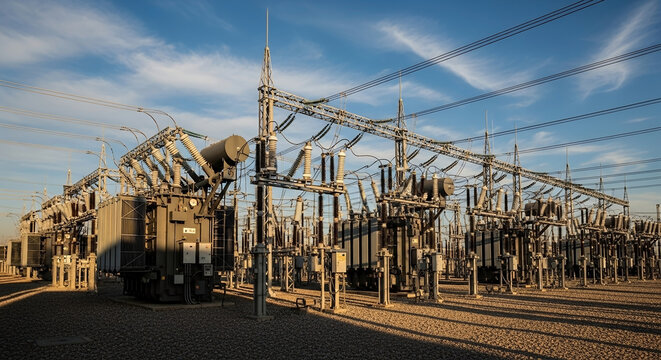
The prescription of regulatory agencies is not mysterious - activate the existing network first: demand response, market-oriented congestion control, power grid enhancement technology, and full release of cross-border capacity; Shorten the approval process and stabilize expectations. New lines need to be built, and old networks need to 'squeeze' out transportation capacity even more.
The window for Chinese equipment delivery
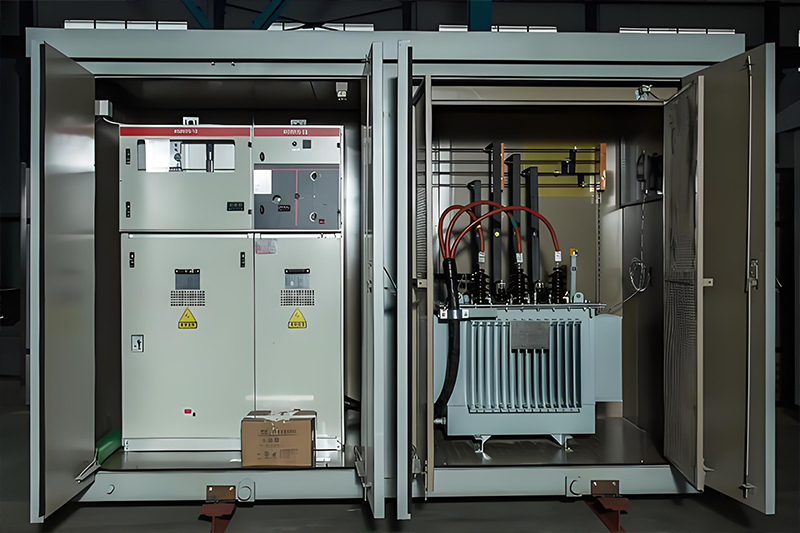
The European power grid is not lacking in strategy, but in the ability and speed to turn strategy into reality. Old equipment is delivered in batches and transformer lead times are calculated on an annual basis, while new energy and AI loads are unwilling to comply. This is precisely the opportunity for domestic manufacturers to compress the overseas delivery time of several years to half a year by relying on fast delivery under the complete industrial chain.
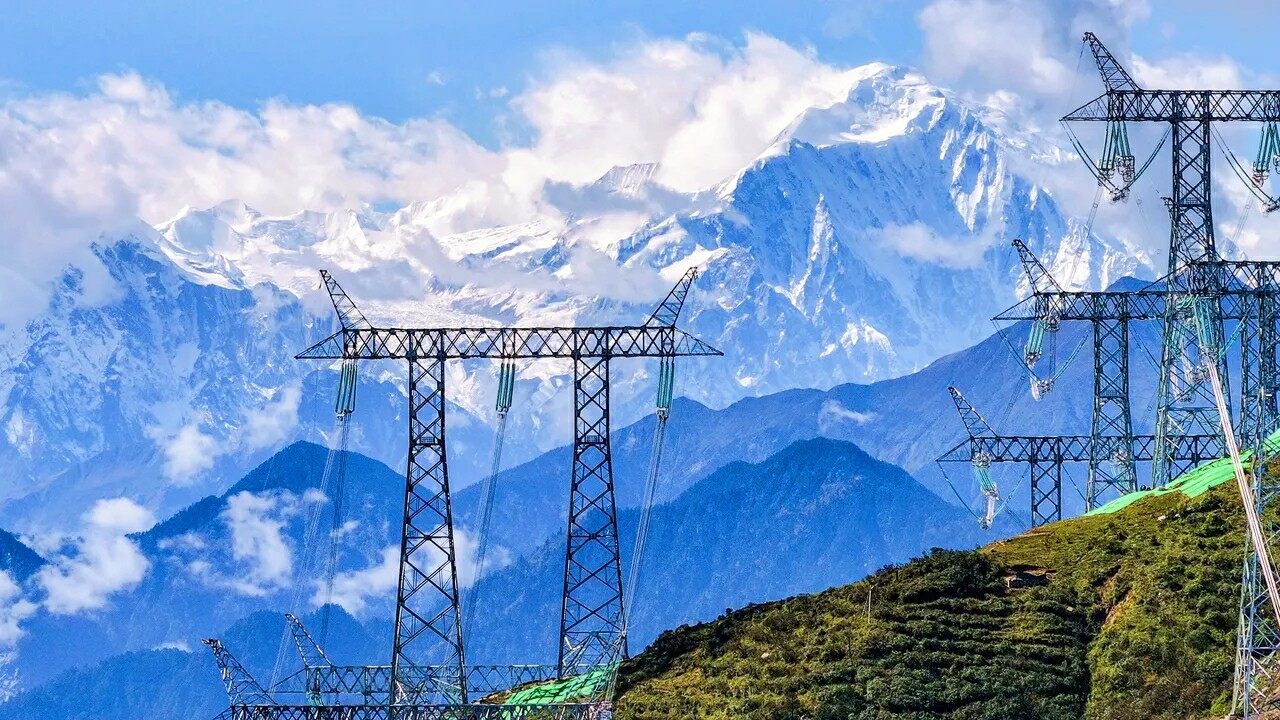
The technical water levels of ultra-high voltage, flexible DC, transformers, and switchgear have met European standards, and modular substations and energy storage collaboration can better integrate into the power grid transformation. The super cycle of the power grid will continue until at least the 2030s. Whoever can stand firm in delivery rhythm, quality assurance system, and localized certification will not only receive orders, but also a ticket to the next generation of global energy infrastructure.
The essence of the bottleneck is the time difference
The essence of Europe's power grid anxiety is not the lack of electricity, but the inability of electricity to appear in the right place at the right time. The energy transition has reached the midfield, and the winner has shifted from how much green electricity is installed to how much green electricity can be delivered. The cable will not grow on its own, and if approval is delayed by one day, the congestion cost will be increased; If cross-border collaboration is delayed, industrial electricity consumption will flee. Keywords: European power grid, energy transition, cross-border transmission
In the coming years, the European power grid will not only test capital thickness, but also institutional patience and engineering efficiency. For onlookers, the truth reflected in this mirror is very simple: the last kilometer of energy transformation is never a scenic spot, but the power line that has not been connected for a long time.Editor/Gong Ziwei
Comment


 Praise
 Collect
 Comment

 Share


Write something~