 Search


- Changsha dual hub China Europe freight train launches firs
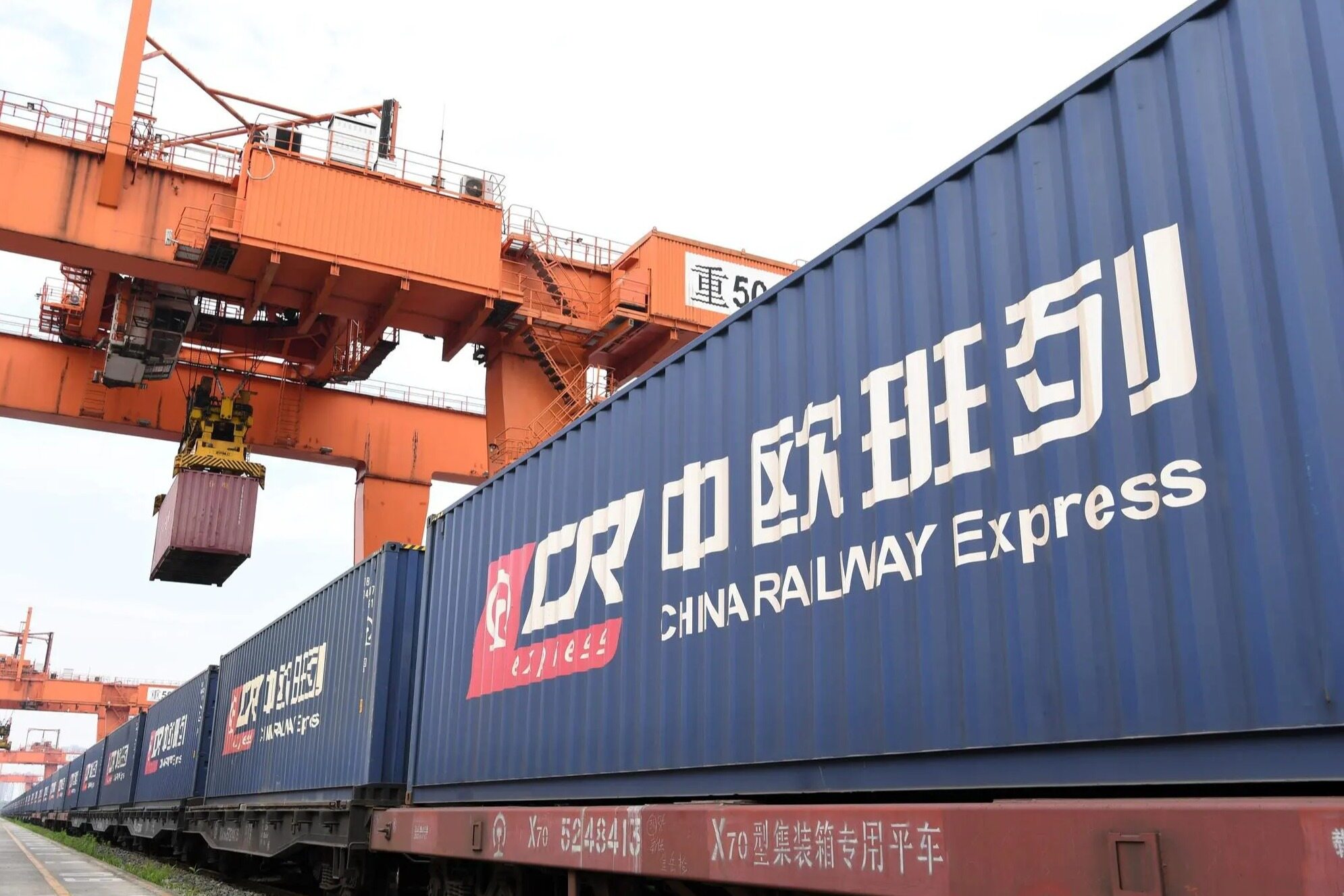
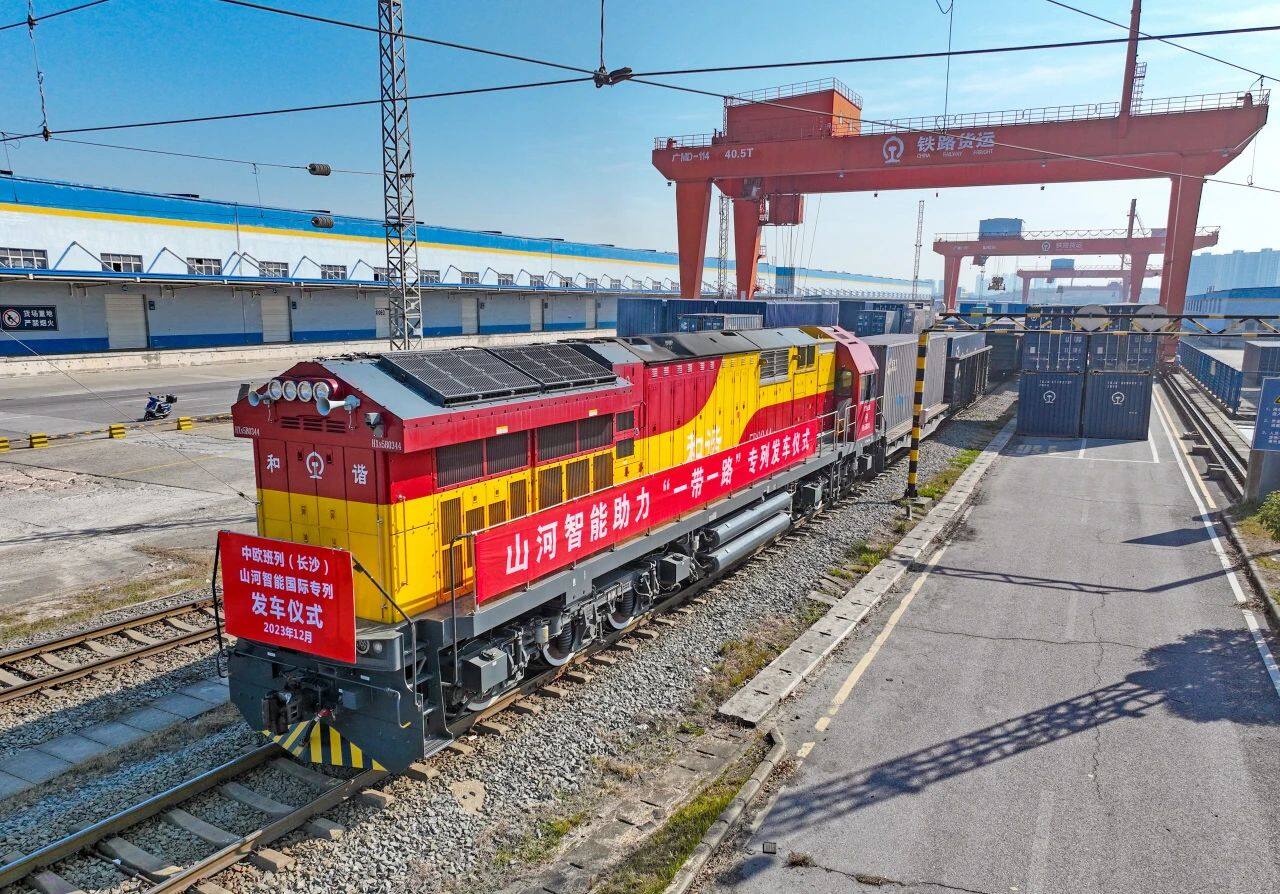
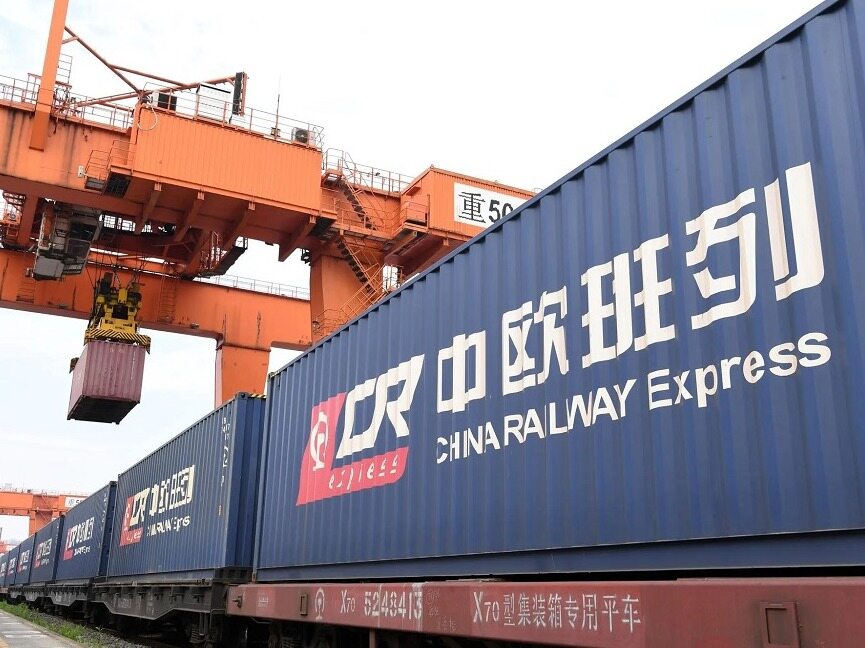
The whistle of Changsha North Station sounded, and the train loaded with Hunan made goods slowly drove out of the platform. In the past, most of the China Europe freight trains used a city to city point-to-point direct mode, where each train had to match the source of goods from both cities, making it difficult for small and medium-sized enterprise scattered orders to be grouped separately. With the approval of Changsha as a national hub for the China Europe freight train, local warehousing and distribution facilities are continuously improving. This time, the first batch of train marking transportation mode has been iteratively upgraded. The inland assembly center is connected to large overseas stations, and the linear transportation has been upgraded to a network system that combines trunk and branch transportation. Many small and medium-sized foreign trade enterprises have ushered in more flexible and convenient channels for going global.
Pattern iteration
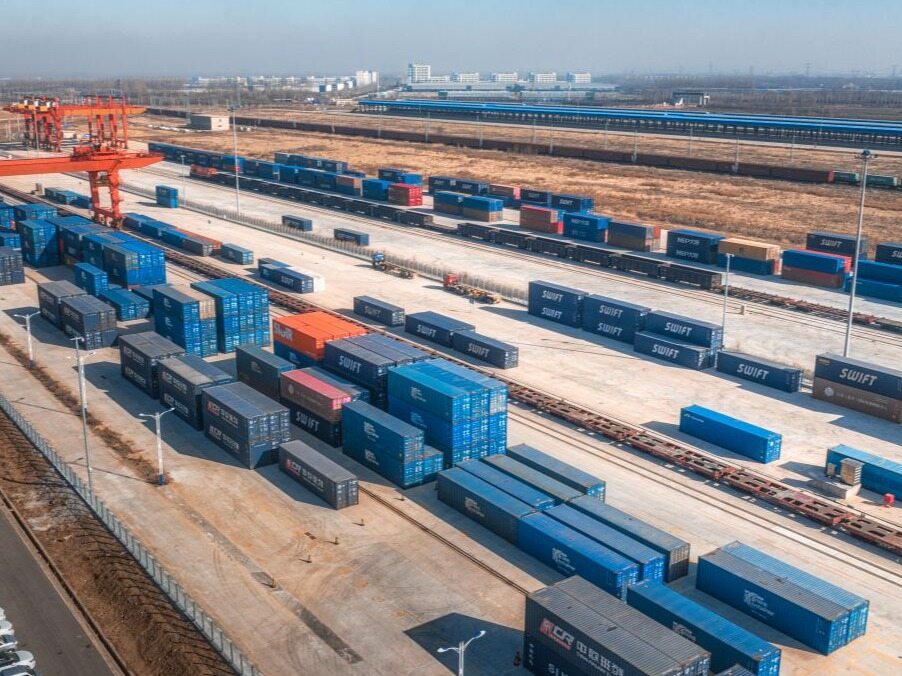
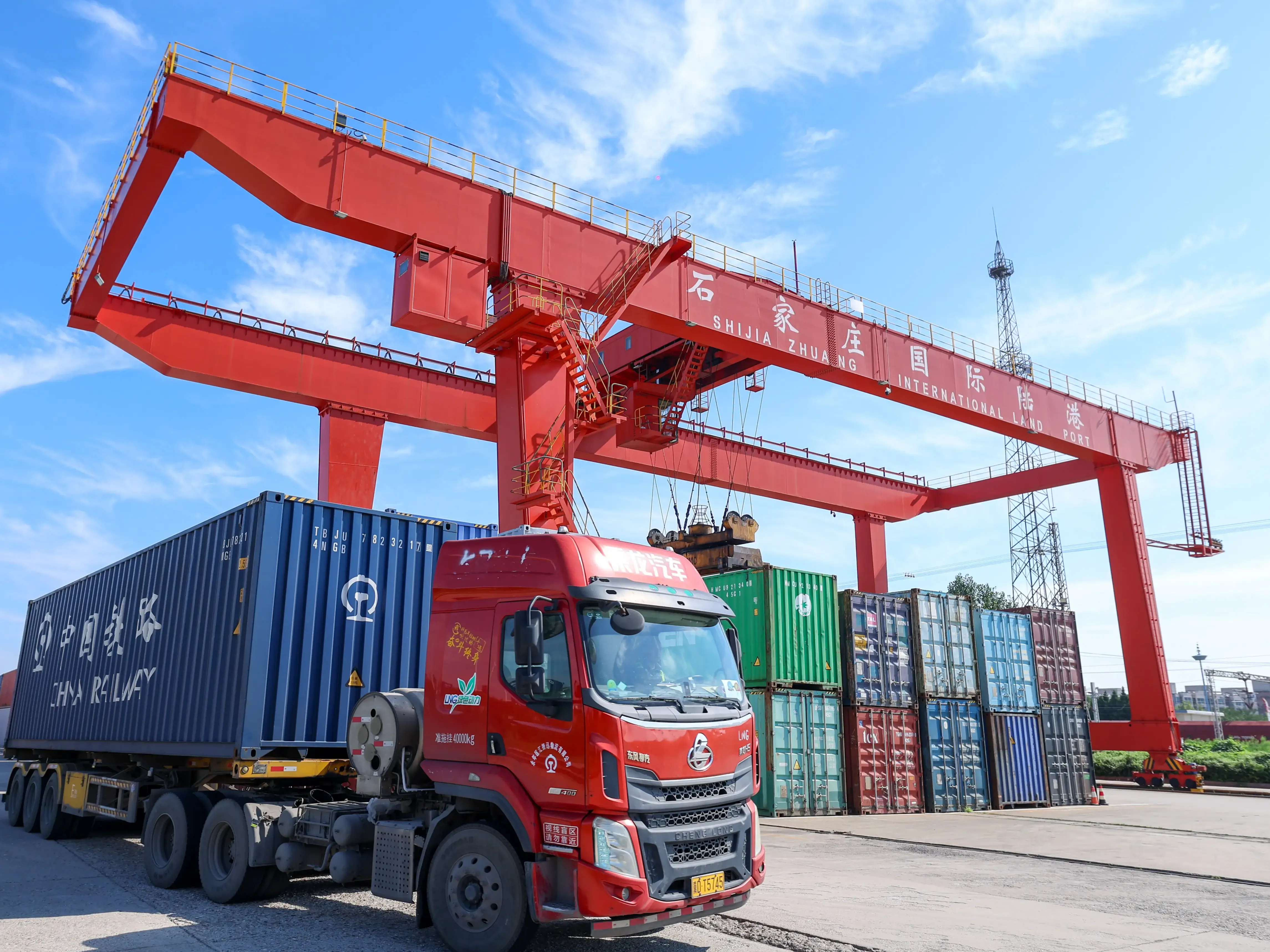
The first train departs from Manzhouli Port and heads towards Moscow Belelast Station, with a total journey of about 15 days. Both ends of the dual hub mode have the ability to collect, store, and distribute goods. The outbound goods are gathered and grouped in Changsha, and then undergo secondary distribution after arriving at the overseas hub. The return goods are first concentrated at overseas hubs and transported back to Changsha in a whole train before radiating to various parts of China. In 2025, Changsha will obtain the qualification of the National China Europe Freight Train Assembly Center. The positioning of the freight train will shift from a transit channel to an organizational hub, and the Silk Road LCL supporting mode will be synchronously implemented. Fragmented orders can also be efficiently organized and shipped overseas.
Multi party collaboration
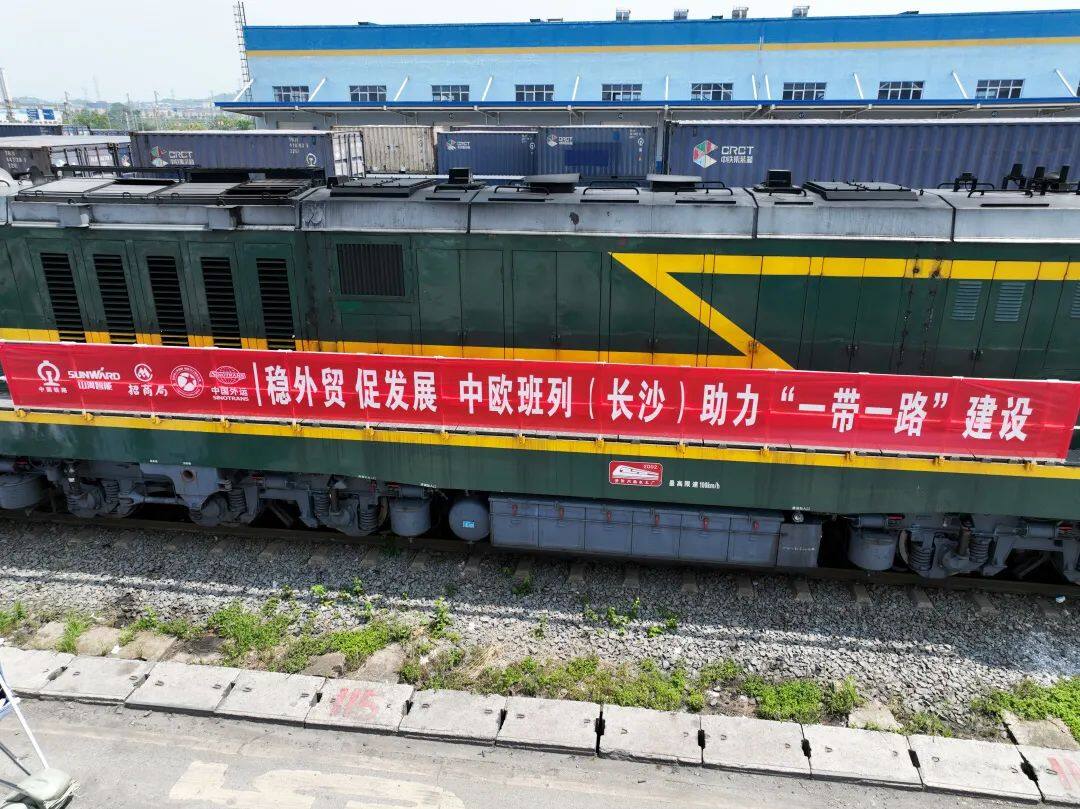
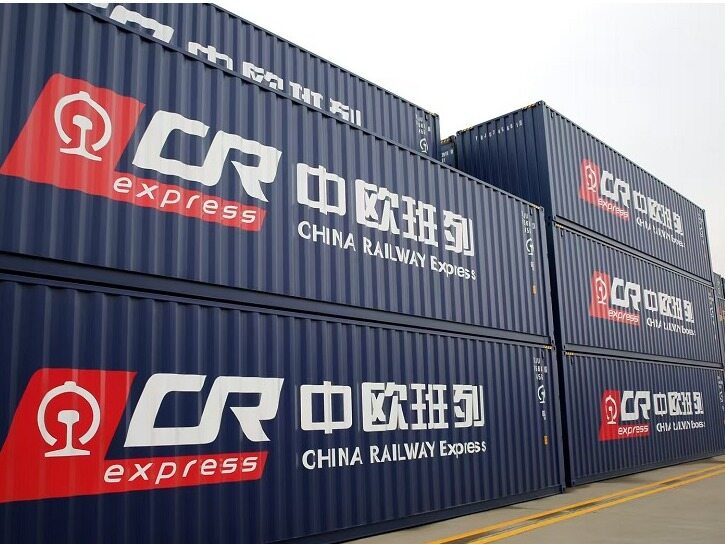
The implementation of the new model cannot be separated from the coordinated support of multiple units. China Railway Group Corporation (CRCC) coordinates the scheduling of domestic and international transportation capacity, railway departments ensure the loading and unloading of vehicles, government departments coordinate the supply of goods, and customs implement measures to facilitate inspection before shipment. The operating enterprise coordinates the collection, distribution, and documentation services, while the source enterprise is responsible for market development. At the same time, the digital transformation of stations, consolidation centers, and single windows is accelerating, and the efficiency of the entire supply chain is improved through data-driven approaches. Keywords: port logistics, dual hub mode, inland opening-up
Integration of production and trade
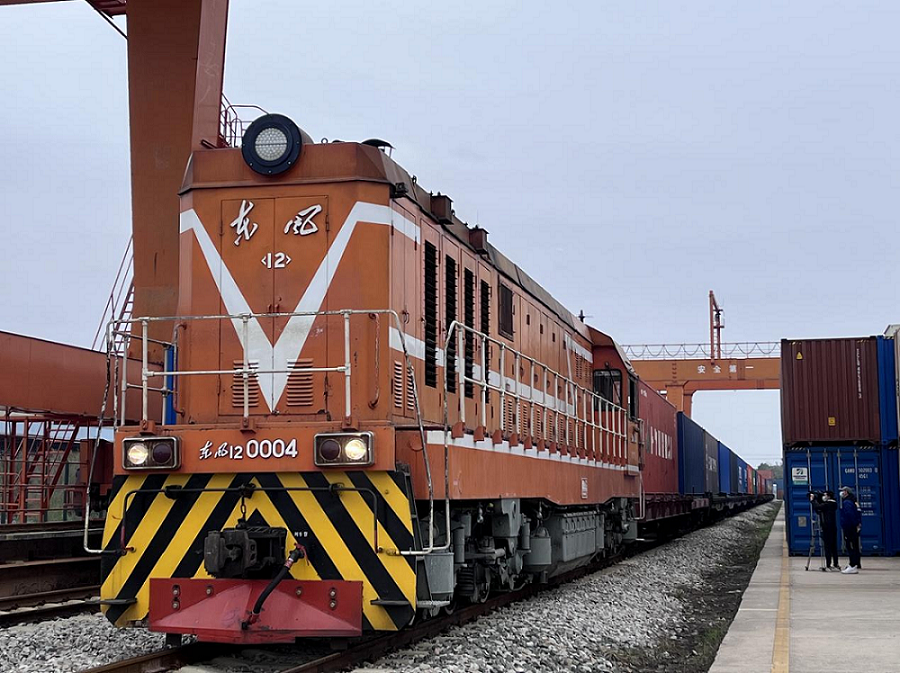
Hunan's local products such as engineering machinery, automotive parts, new energy equipment, electronics and electrical appliances are exploring the Asia Europe market through new channels. Providing customized reinforcement services for large non-standard equipment, small and medium-sized enterprises can choose to use Silk Road LCL, combined with NCD and E-NCD logistics and financial tools, to achieve payment for goods in transit. In the future, Changsha will also connect overseas hubs such as Minsk and Poznan, continue to increase train services, focus on connecting Asia and Europe in the central region, and serve the development of foreign trade throughout the country.Editor/Li Xiaohua
Comment

 Praise
 Collect
 Comment

 Share


Write something~