 Search


- The main artery of West East Power Transmission is shifting from coal transportation to green transportation
- Cross regional energy allocation and green transformation achieve new leaps
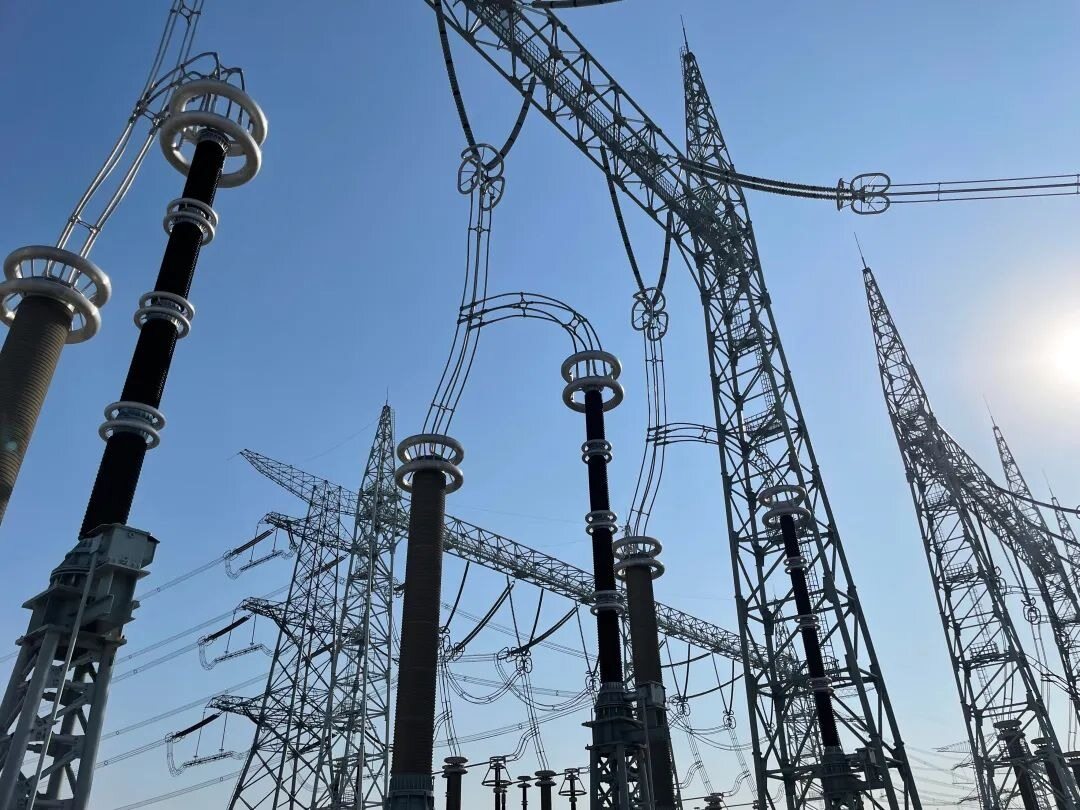
At midnight on November 16, 2026, on the screen of the Hohhot dispatch hall, the cumulative number skipped 1000.5 billion kilowatt hours. Inner Mongolia's ultra-high voltage transmission capacity has surpassed one trillion kilowatt hours nationwide, and China has welcomed its first single provincial-level transmission base at the trillion level. Ten years ago, the first silver line on the grassland was connected, and in 2017, it sent out about 7.4 billion kilowatt hours. By 2025, it has climbed to 188.6 billion kilowatt hours. Wind turbines, photovoltaics, thermal power, and energy storage relay, with electric currents crossing mountains and valleys, lighting up the lights of thousands of households in North, East, and Central China.
Accumulated one trillion in ten years
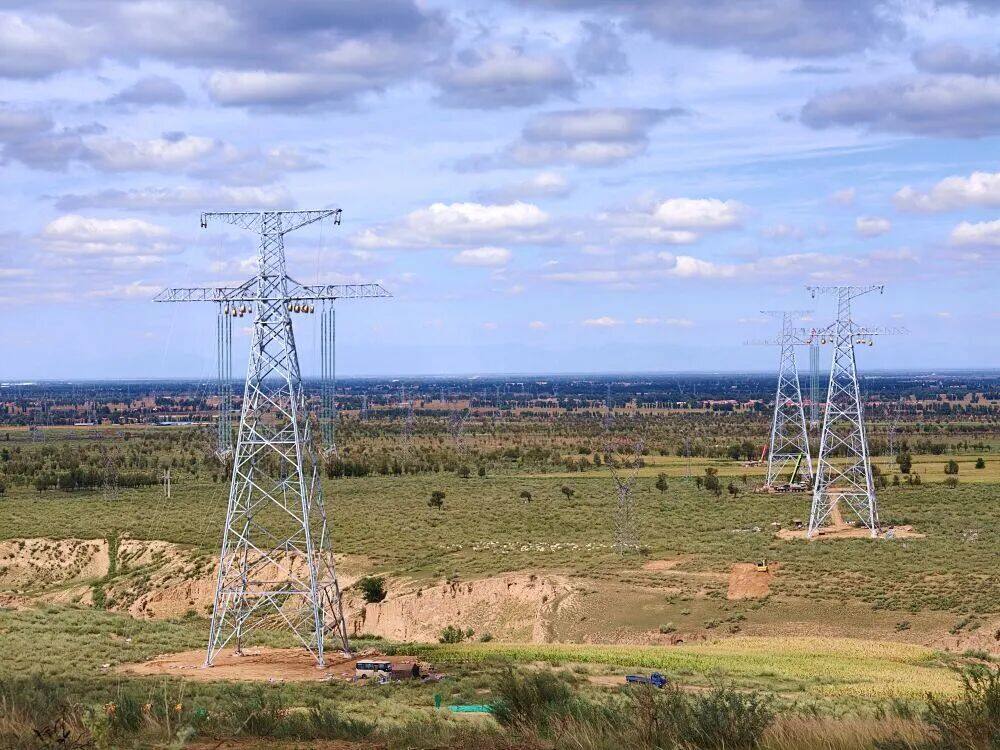
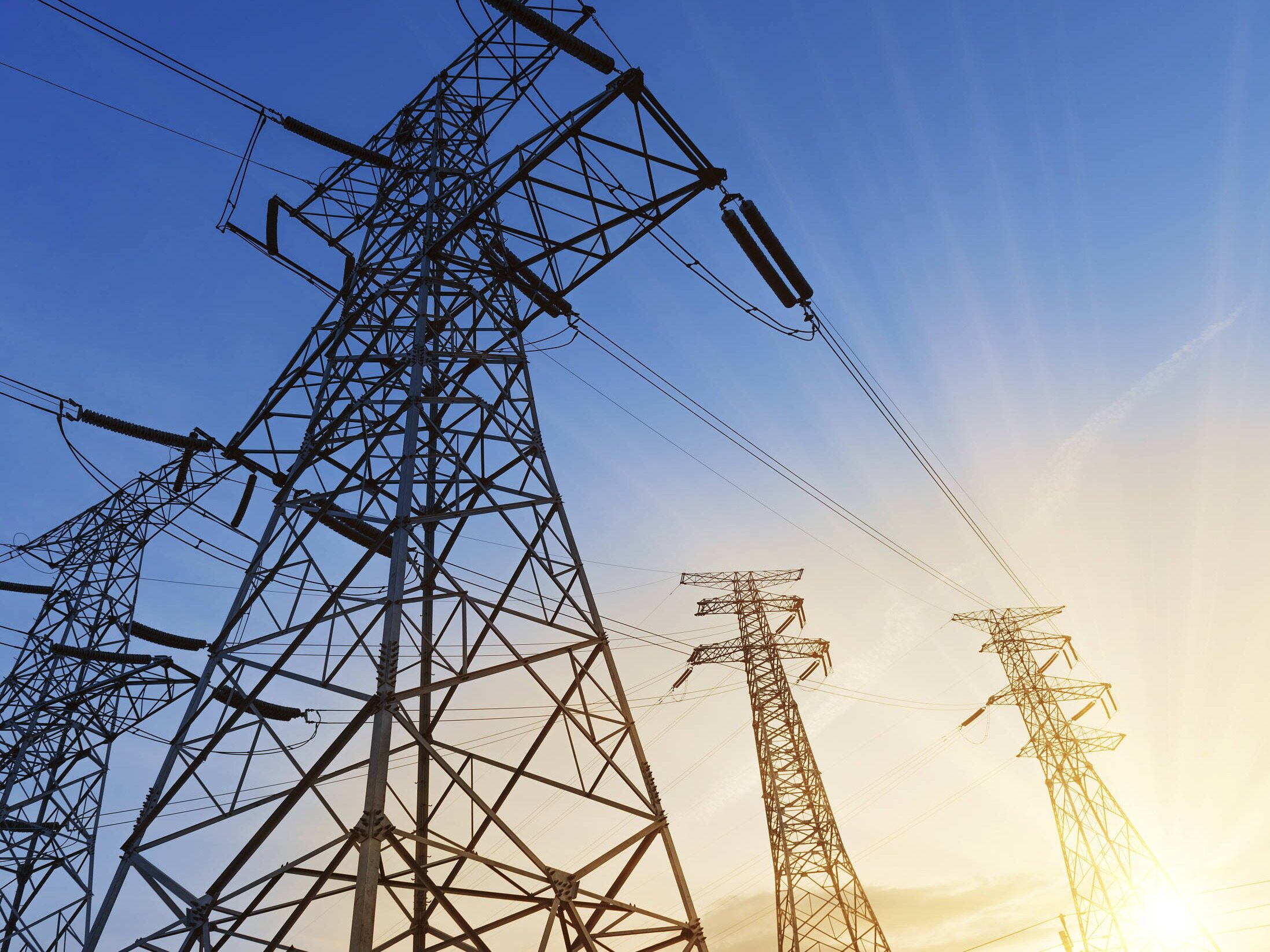
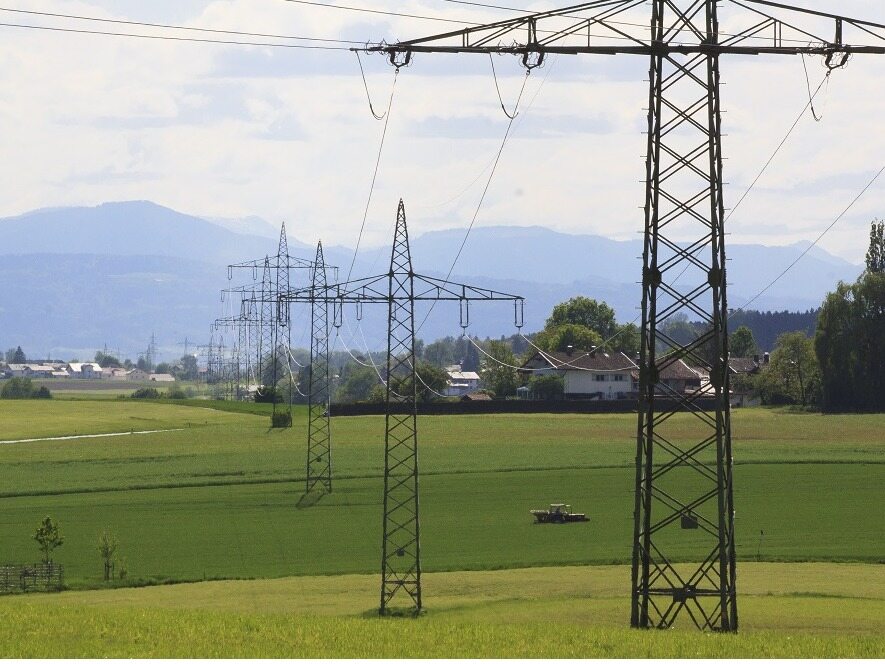
One trillion kilowatt hours is equivalent to the annual power generation of over 10 Three Gorges power stations. Ultra high voltage is the backbone of China's West East power transmission strategy. Inner Mongolia spans across the three northern regions, with a solid foundation in thermal power generation and abundant new energy sources. The transmission of electricity to North China, East China, and Central China is all within the scope of ultra-high voltage economic transmission. The first ultra-high voltage project from Ximeng to Shandong was put into operation in 2016, and since then, eight major channels, including five crossings, three straight lines, and eight main channels, have gradually been laid out. The Ximeng Taizhou line runs through grasslands and deserts, radiating to Beijing, Tianjin, Shandong, Jiangsu, and other places, with a transmission capacity of 48.7 million kilowatts. Liu Jun, Director of the Energy Strategy and Planning Research Institute of State Grid Energy Research Institute, introduced that State Grid has built and put into operation 44 AC and DC transmission ultra-high voltage projects, with a cross regional and cross provincial transmission capacity of over 380 million kilowatts, and Inner Mongolia supporting about one eighth. In 2009, the world's first commercial ultra-high voltage AC project was put into operation in China. Nowadays, China is the only country in the world that has mastered the complete set of ultra-high voltage technology. Point to point testing has become a networked hub, and the trillion level leap is the scale of the maturity of the network structure.
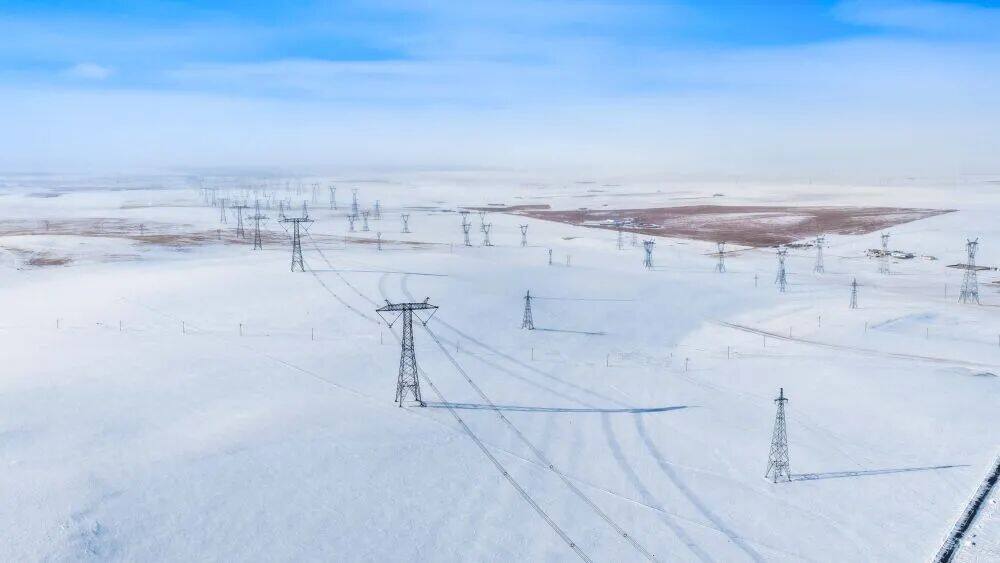
From coal transportation to green transportation
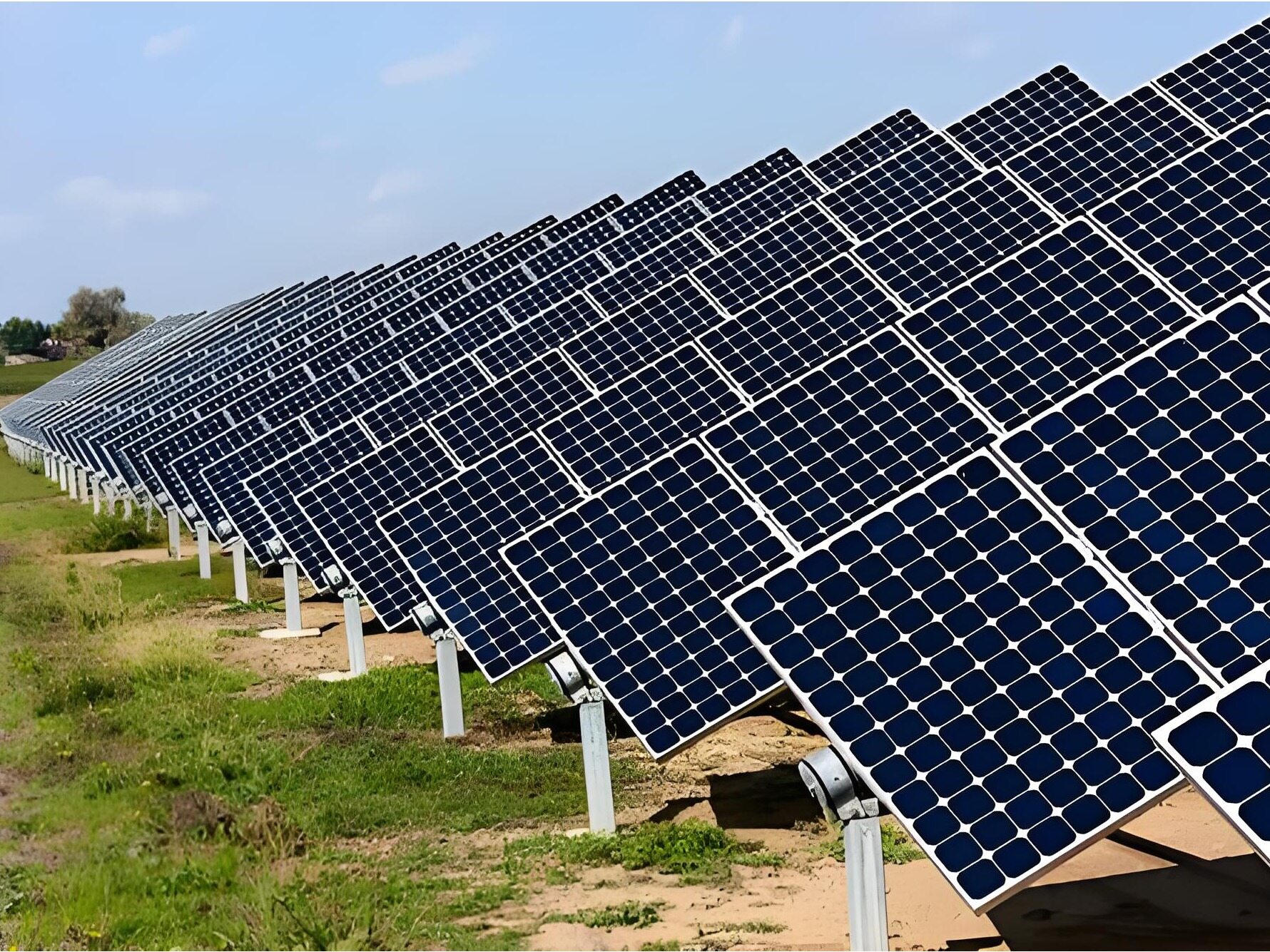
The train is still transporting coal, but the greenery in the silver line is becoming increasingly lush. Wind, solar, and thermal energy storage are bundled and sent out. When the wind and light are strong, new energy is on top, and when there is no wind or light, thermal power is used for peak shaving and energy storage replenishment. This not only delivers green energy but also stabilizes the output. The proportion of clean energy transmission through cross regional ultra-high voltage direct current channels in China has increased to nearly 60%; Liu Haibo, Deputy Director of the Development Planning Department of State Grid Inner Mongolia Eastern Electric Power Co., Ltd., introduced that clean energy accounts for over 20% of the 1 trillion kilowatt hours in Inner Mongolia, and the proportion of new energy in the under construction Mengxi Beijing Tianjin Hebei corridor will exceed 50%. Hohhot Tuoketuo County, the first transmission channel in Inner Mongolia's Shagehuang large base, is installing iron towers, and new energy has become the largest power source at the transmission end. Green power transmission in the west and emission reduction in the east benefit both ends of the silver line.
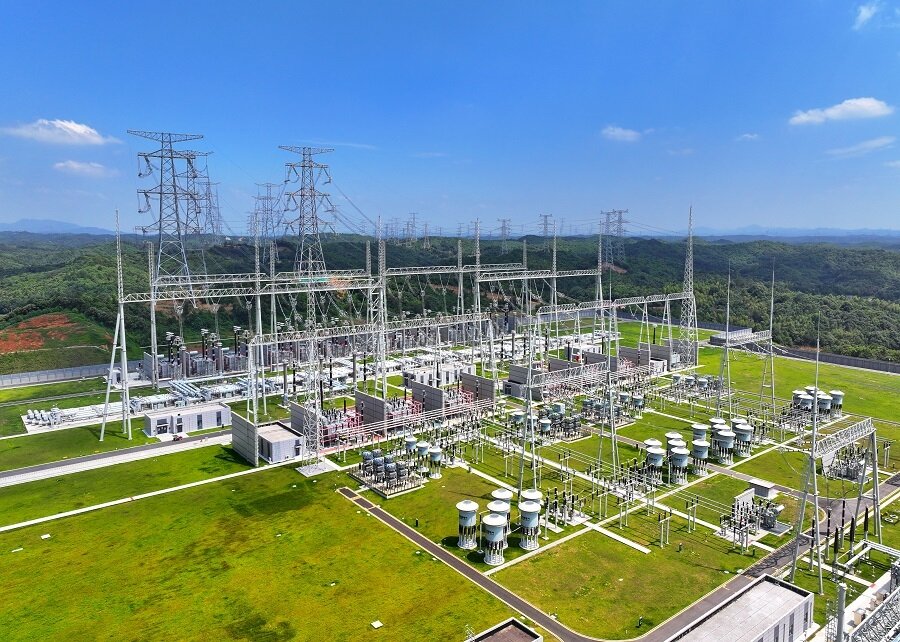
Big net weaving towards the 15th Five Year Plan
Facing the 15th Five Year Plan, State Grid strives to put into operation 15 ultra-high voltage direct current projects, increase cross provincial transmission capacity by 35%, and expand regional flexible mutual aid capacity by more than twice. More Sha Ge Huang channels and Japanese style communication network frames are scheduled on the drawings: the eastern load peaks, and electricity from thousands of miles away can be directly delivered in a short time; The western scenery is flourishing, and surplus green electricity has a further destination. From selling coal to selling electricity and then to selling green electricity, the energy bowl is more stable and the pace of green transformation is more solid. Looking back at the screen at midnight, 1000.5 billion kilowatt hours is not the endpoint, but the starting point of the next river of electricity.Editor/Yang Meiling
Comment


 Praise
 Collect
 Comment

 Share


Write something~