 Search


- With the gradual prosperity of industry and commerce, the Port of Cebu has become the financial center of the southern Philippines

The civil works of the New Cebu International Container Port will begin in the second half of 2021. This was revealed online at the 160th Maritime Alliance Engr Maritime Forum. Romel Pagarom, Acting Manager of the Planning and Monitoring Department of the Cebu Port Authority (CPA), said that the construction of NCICP is scheduled to start on August 16, 2021. He said that the cost of the project was US$118 million (approximately 5.9 billion pesos), and it would take about 35 months or about 3 years to build.
In 2016, the U.S. National Economic and Development Administration (NEDA) granted CPA (U.S. Department of Transportation (DOTr) as its main executive agency) a license to implement the project. The project was originally scheduled to start in 2018, but was postponed to November 2020. Pagarom also added that before proceeding with civil works they are facing several issues-the acquisition of the right of way (RROW) will connect the international port to the main road of Barangay Tayud (MOA has been drafted) and requires a South Korean consultant Work visa. If the implementation of the agreement is finally implemented, it is estimated that about 132 million pesos will be downloaded to Consolacion's safe.
"Before the funds are transferred to Consolacion's LGU, the MOA has been transferred from the Legal Services Department to the Secretary's Office on January 20, 2021. Therefore, the PMU (Project Management Department) will closely monitor the approval of the MOA and prepare to transfer P132 to LGU Consolacion Millions of funds are required." Pagarom said.
For the consultant's work visa, the project supporter will send a reaffirmation letter to the Department of Foreign Affairs (DFA). On January 20, 2020, DOTr issued a US$5.4 million NCICP project consulting service award notice to Yooshin Engineering Company in South Korea.
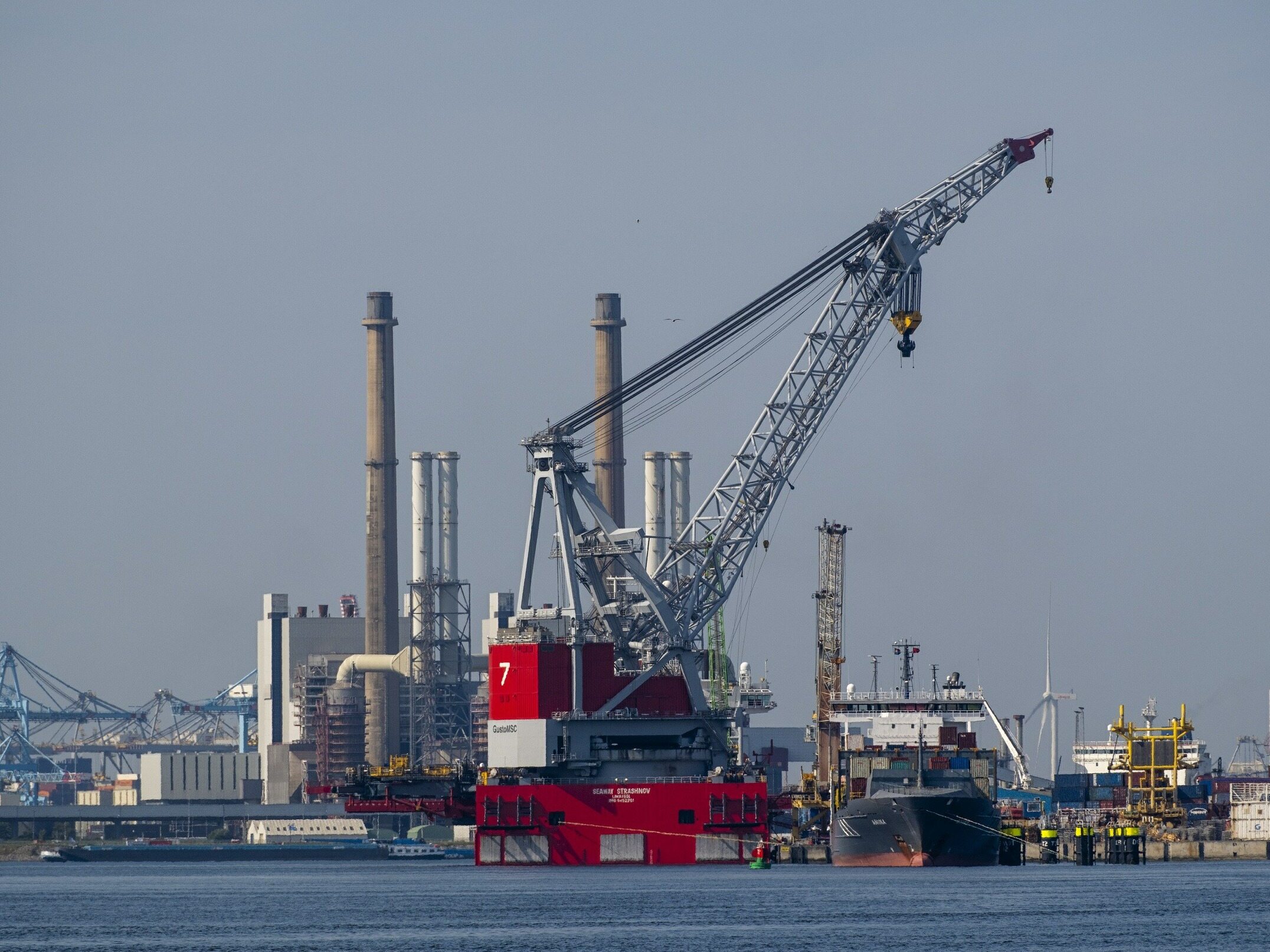
Some of the features of this new facility include a berthing facility with a 500-meter-long quay wall that can simultaneously accommodate two 20-foot-20-foot equivalent units (TEU) vessels; container handling facilities and structures; a bridge and a road; and dredging Passing waterways and turning basins. This will soon provide services for international cargo, and the current CIP will be transformed into a domestic port to solve the problem of traffic congestion. See Road Network Engineering Column Editor/Ge Siyu
Comment





 Praise
 Collect
 Comment

 Share
Share


Write something~