 Search


- The plan aims to provide sufficient, reliable and affordable electricity services
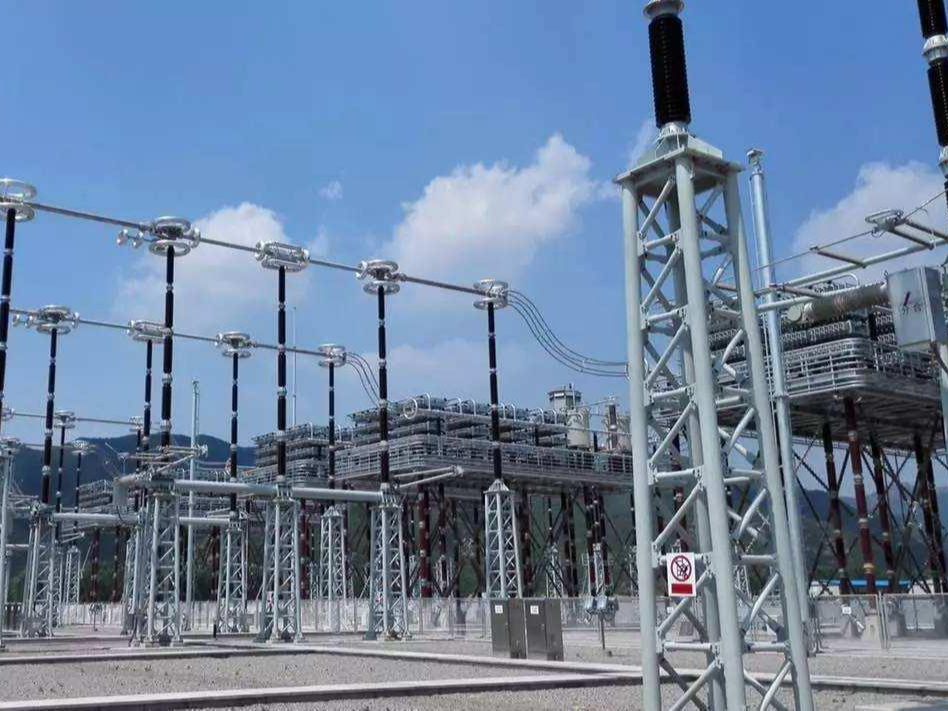
The World Bank Group’s board of directors has approved a US$500 million loan to the International Development Association (IDA) for the implementation of the distributed power and lighting facility (ADELE) project in Ethiopia.
According to international financial institutions, the project is an important part of the East African country’s National Electrification Plan (NEP), which aims to strategically change the direction from infrastructure development to the provision of sufficient, reliable and affordable electricity The service is expected to be popularized and electrified by 2025. The distributed power and lighting facility project will focus on access to new and improved power services for households, small farmers, commercial and industrial users, and social institutions in urban, suburban, rural and deep rural areas.
Distributed power and lighting facilities project
The distributed power and lighting facilities project will be implemented by Ethiopia’s state-owned power company Ethiopian Electric Power Company (EEP), and the Ethiopian Development Bank (DBE) will be responsible for the financial management of the project. The project is characterized by the expansion of the national grid to improve the reliability of power supply in urban areas. This will improve the reliability of supply in Addis Ababa and 10 other regional capitals and selected regional towns where the lack of supply, quality and reliability remains a challenge.
According to the World Bank, the most important feature of the project is the deployment of innovative solutions, such as decentralized renewable energy technologies, more specifically solar photovoltaic (PV) microgrids and single solar systems for household and production purposes , These technologies further improve the affordability and inclusive public and private delivery methods through joint deployment.
After the completion of the project, it is expected that Addis Ababa’s power supply will be reduced to 2%, and the frequency and duration of medium voltage line interruptions will be increased by 26% and 27%, respectively, thereby improving the reliability of Addis Ababa’s power supply. On the other hand, in 10 regional capitals, transformer failures will be reduced by approximately 3% to 2%. The frequency and duration of outages will be increased by an average of 45% and 50%, respectively.Editor/Huang Lijun
Comment




 Praise
 Collect
 Comment

 Share
Share


Write something~