 Search


- The three ISTPs will be based on Saudi Arabia's Vision 2030 and its blueprint for sustainable development and economic diversification
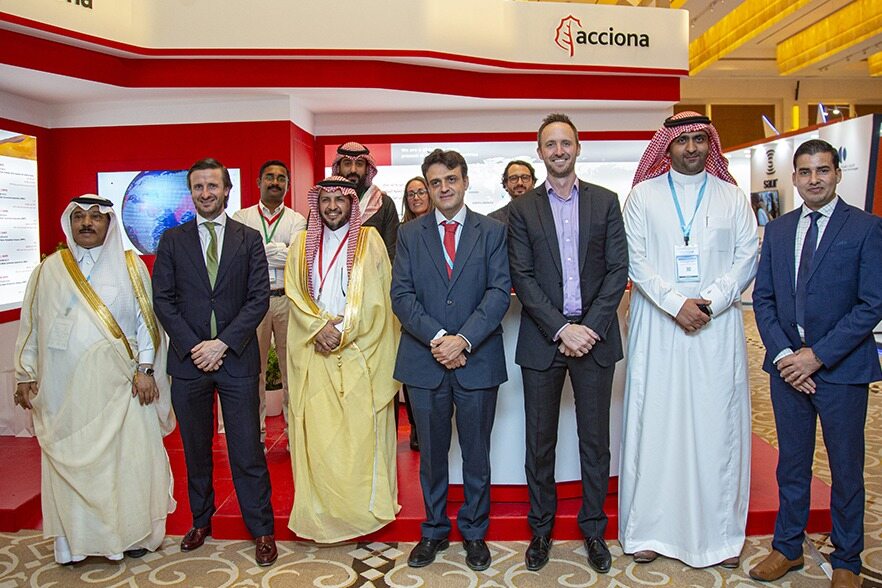
ACCIONA, a leading company in the development of water and other sustainable infrastructure, together with local partners Tawzea and Tamasuk, has provided green loans totalling US$480 million for three Independent Sewage Treatment Plants (ISTPs) in Saudi Arabia.
The new water treatment contract has been awarded by the state-owned Saudi Water Cooperation Company (SWPC), the company said in a statement. With the financial closure of these projects, ACCIONA added that it has taken another step forward in its commitment to sustainability and innovation, as for the first time in its water projects, the company has structured not only green loans but also Islamic financing.
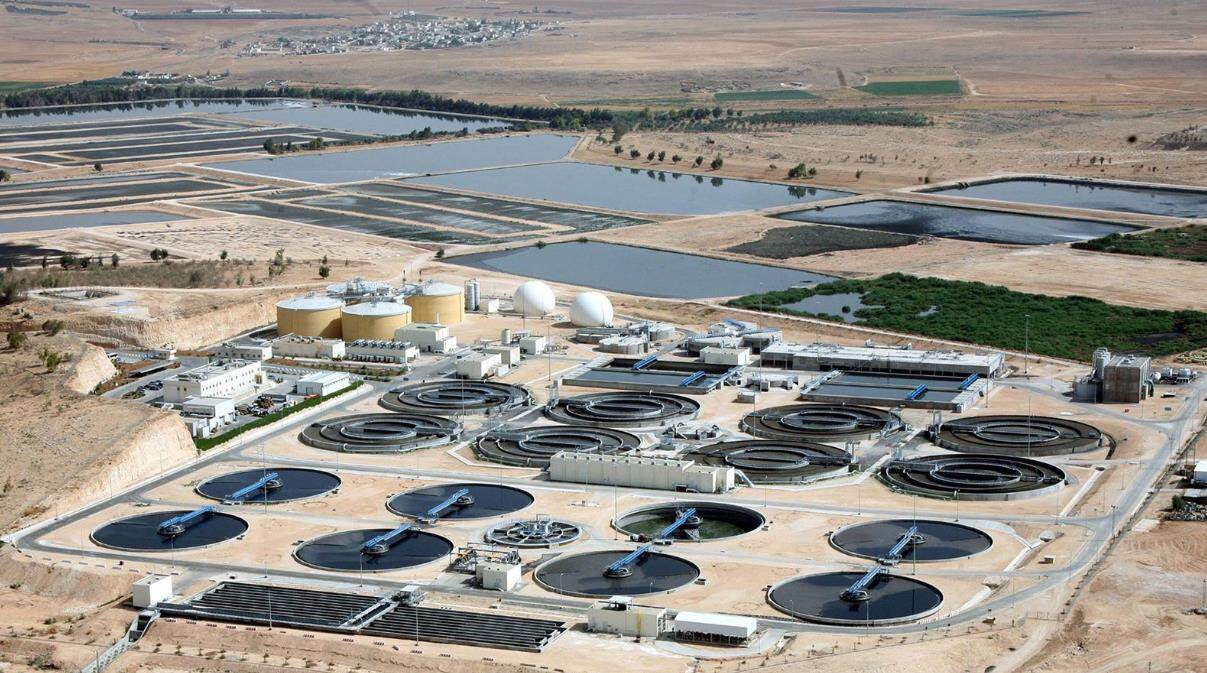
Thanks to the joint efforts of SWPC and the project company, the Spanish giant completed the financial close of all three ISTPs simultaneously in just six months, a major milestone for the water industry. The financing groups for Madinah-3, Buraydah-2 and Tabuk-2 include local, regional and international lenders. The financing structure contains an Islamic component and the structure of 60% of the loan value is the "IjaraFacility" or Islamic lease. Investors and financial institutions are increasingly allocating funds to green infrastructure projects such as water treatment plants, the statement explained.
The project company has developed a green lending framework based on the 2021 Green Lending Principles of the Loan Market Association, the Asia Pacific Loan Market Association and the Loan Syndication and Transactions Association. Under this framework, green loans will finance expenditures related to wastewater treatment projects. S&P Global Ratings has certified the financing of these projects to be green based on best practice. Vision 2030 specifically focuses on optimizing the agricultural use of renewable water resources and improving municipal and agricultural water use efficiency.
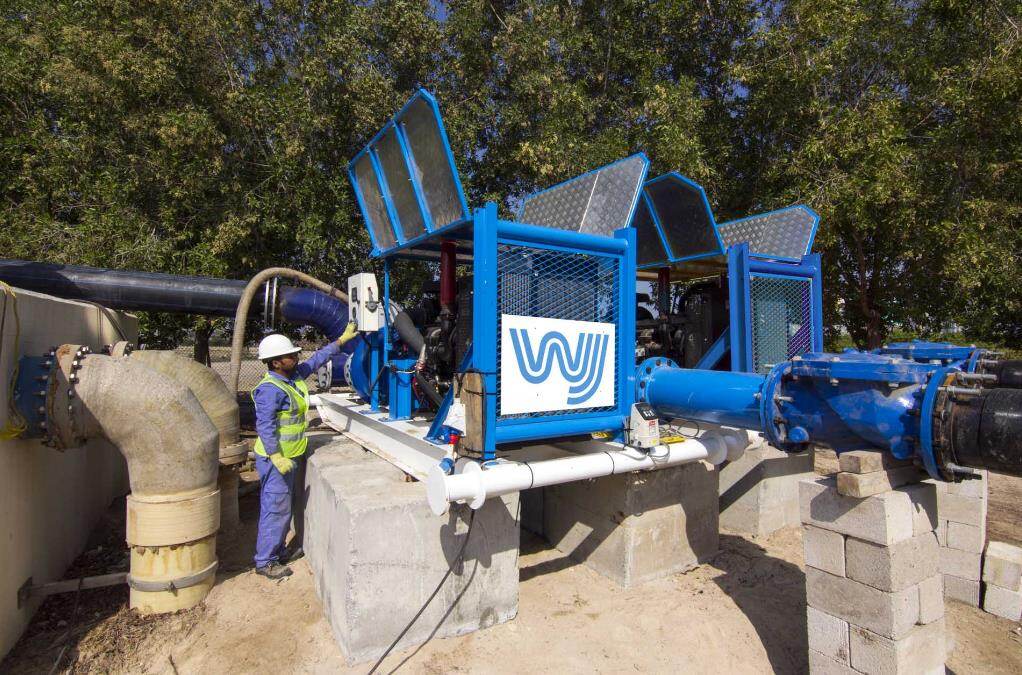
Key environmental features of the ISTP project include the recycling of wastewater for agricultural activities; the treatment and reuse of sewage sludge for use as agricultural fertilizer and cement manufacturing, and the use of renewable electricity to power sewage treatment plants. The quality and quantity of treated water will meet strict technical requirements to meet the irrigation needs of local farmers. ACCIONA will conduct a baseline environmental survey and develop a comprehensive Environmental and Social Impact Assessment (“ESIA”) for the facility. More and more investors and financial institutions are putting more money into green infrastructure projects, especially water projects. The Madinah3, Buraydah2 and TabukISTP projects developed by ACCIONA in Saudi Arabia are just some examples of this rapidly growing global trend.
Tamasuk is a diversified infrastructure developer and investor headquartered in Riyadh, investing in clean energy, utilities, healthcare, education and digital infrastructure. Once completed, Medina 3 will serve up to 1.5 million residents of existing and future residential areas around the city of Medina. The initial processing capacity is 200,000m3/day, which can be expanded to 375,000m3/day.
Buraydah2 will serve up to 600,000 people and support the projected development of the city and the nearby town of AshShimasiya, which will have a capacity of 150,000 cubic meters per day. Tabuk2 serves up to 350,000 people with a capacity of 90,000 m3/day. It will serve existing and future housing estates together with Tabuk1ISTP, which is currently operating. Treated water will replace freshwater resources for agriculture, saving this scarce resource and directly contributing to the country's water security. Daily water savings are expected to be 190,000 m3/day for Medina 3, 142,500 m3/day for Buraydah 2 and 85,500 m3/day for Tabuk 2. About 95% of the treated wastewater can be used in agriculture, and the remaining 5% is used in treatment plants. There will be small losses during the sludge drying process.Editor/XingWentao
Comment


 Praise
 Collect
 Comment

 Share
Share


Write something~