 Search


- After the project is fully operational, it can produce over 5.7 billion kilowatt hours of clean electricity annually
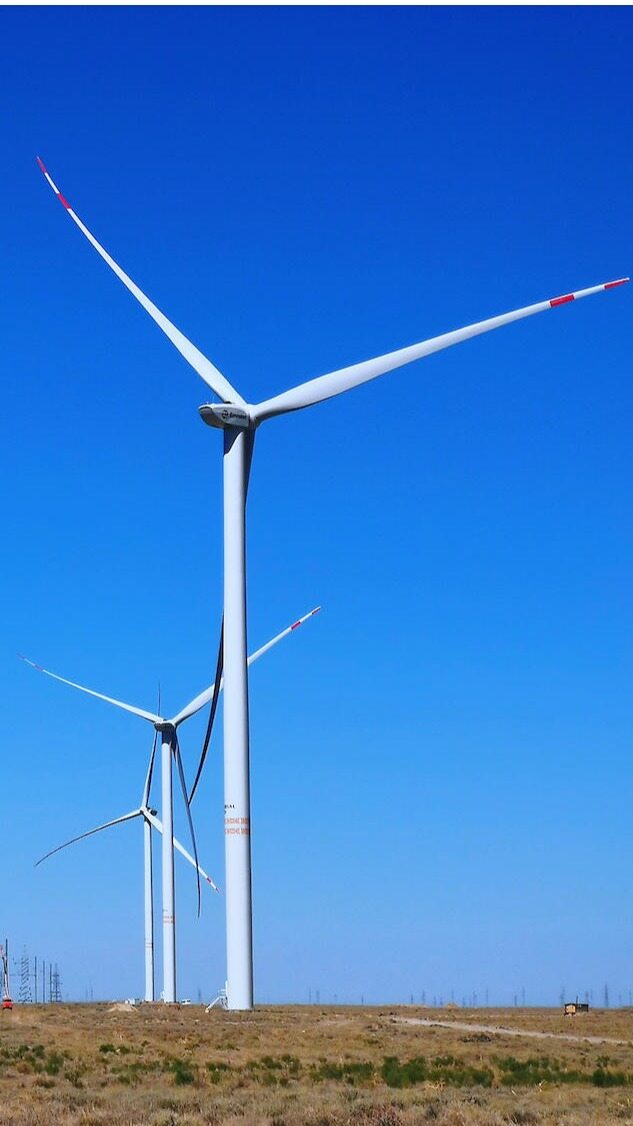
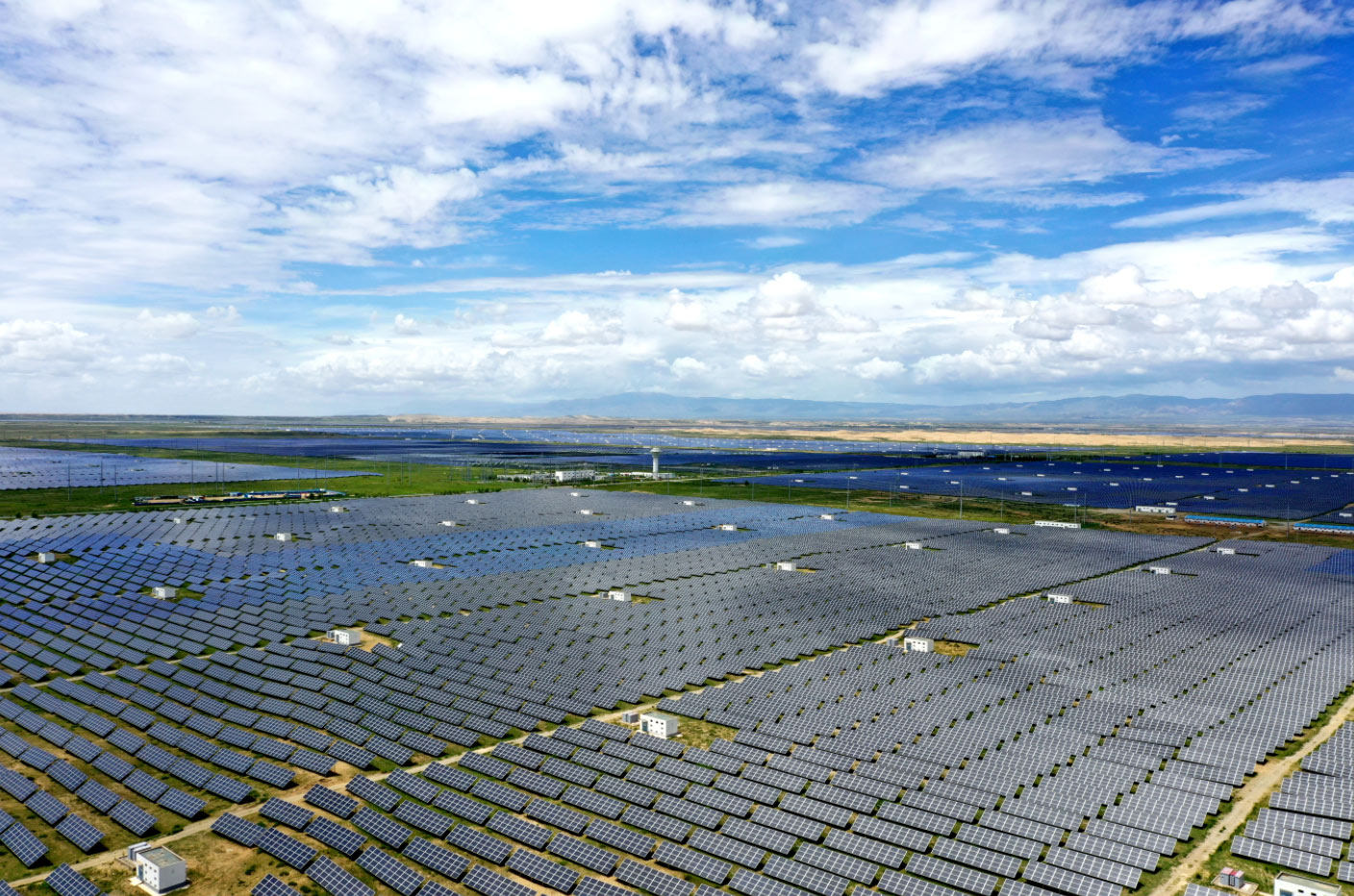
On January 28, 2026, a piece of approval from the Kazakh parliament granted a new mission to the wind and light on the vast grasslands. On the vast land of Pavlodar, Karaganda, and Turkestan states, two wind power plants with a total capacity of 1500 megawatts and a solar power plant with a total capacity of 300 megawatts are about to be built. The China Kazakhstan large-scale wind and solar cooperation project with a total investment of 2.2 billion US dollars and a total installed capacity of 1.8 GW has officially entered the implementation track.
For Kazakhstan, a traditional energy producing country, this green transformation is of great significance. As one of the first countries in the world to ratify the Paris Climate Agreement, Kazakhstan has committed to achieving carbon neutrality by 2060 and plans to build 10 gigawatts of new energy projects by 2035. This Sino Kazakhstan wind and solar cooperation project is a key measure in its energy structure transformation process, which will directly increase the proportion of clean energy in national energy consumption and enhance the diversity and safety of the power system.
From traditional oil and gas to the entire industry chain of new energy
After nearly 30 years of cooperation, China Kazakhstan energy has formed a deep synergy throughout the entire industry chain from exploration and development to terminal sales. In recent years, within the framework of high-quality joint construction of the the Belt and Road, a number of high-quality new energy cooperation projects between the two countries have been successfully put into operation in Kazakhstan. The smooth implementation of a series of projects, including the Akmola Wind Power Project Group, the Zanatas 100MW Wind Power Station, the Turgusong Hydropower Station, and the Almaty Sherek 60MW Wind Power Station, has effectively filled the local power gap, improved the ecological environment, and driven the employment of residents.
On November 12, 2024, Zhang Jianhua, Director General of the National Energy Administration of China, and Alma Saddam Satkalyev, Minister of Energy of Kazakhstan, jointly signed the "Agreement between the Government of the People's Republic of China and the Government of the Republic of Kazakhstan on the Implementation of Projects in the Field of Renewable Energy" in Baku, the capital of Azerbaijan. The agreement stipulated the cooperation goals, objects, legal basis for major projects, key conditions for implementing major projects, and determined the first batch of major projects totaling 1.8 gigawatts.
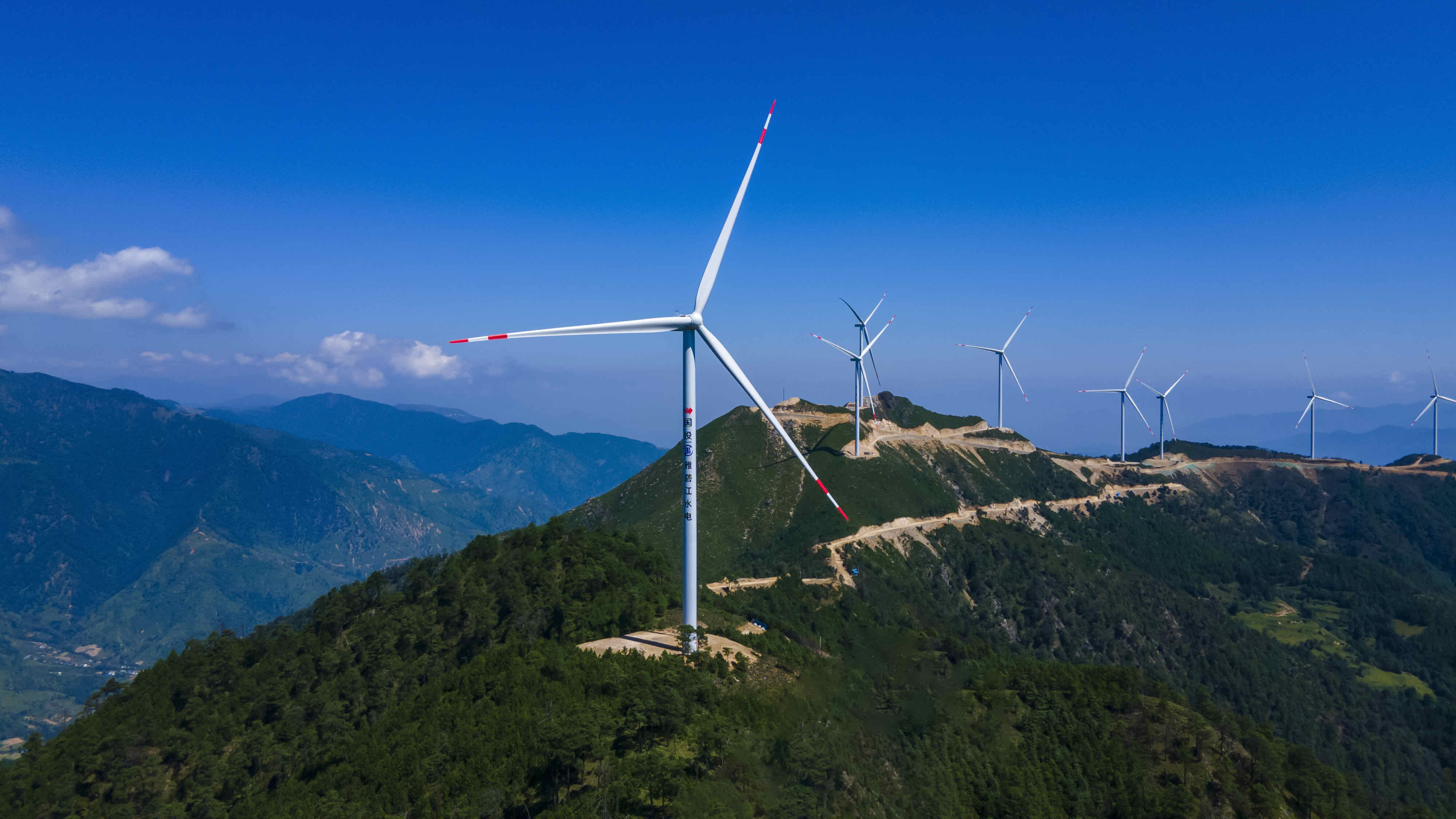
The 1.8GW wind and solar project approved this time is one of the first major projects under this intergovernmental agreement framework. After the project is fully operational, it is expected to produce over 5.7 billion kilowatt hours of clean electricity annually, enough to meet the electricity needs of millions of households and reduce approximately 4.5 million tons of carbon dioxide emissions annually. During the construction and operation period of the project, it is expected to create approximately 2000 long-term stable job opportunities for the local area.
Deep participation of Chinese enterprises and fruitful cooperation results
As of mid-2025, about 30 new energy projects invested or constructed by Chinese enterprises have been promoted in Kazakhstan, with a total installed capacity of 1700 megawatts, covering fields such as solar energy, wind energy, and supporting energy storage. Among them, the specific investment and power purchase agreement for the 300 MW solar power station in Turkestan state, which is included in this framework agreement, was signed in September 2025 and is progressing rapidly.
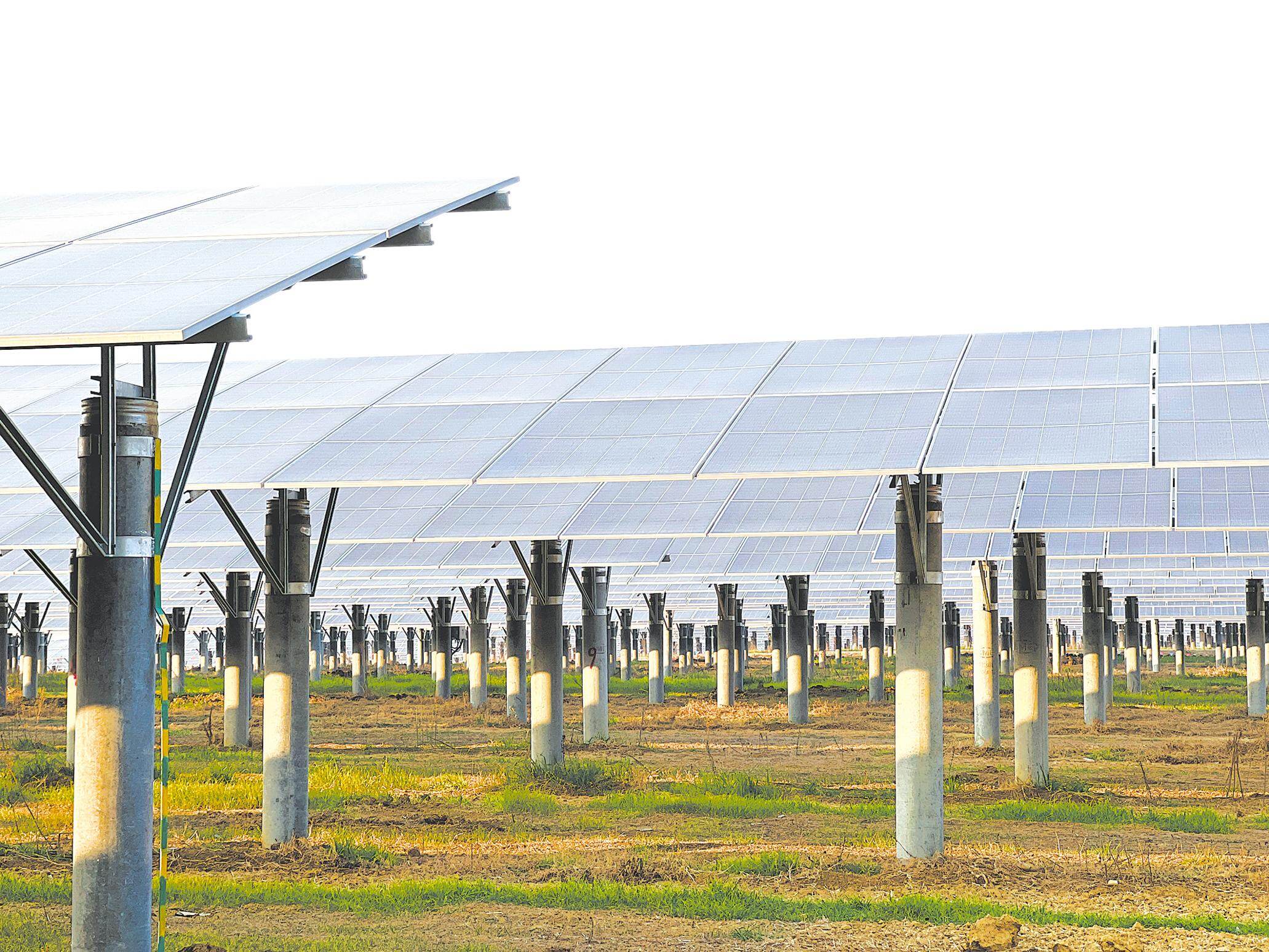
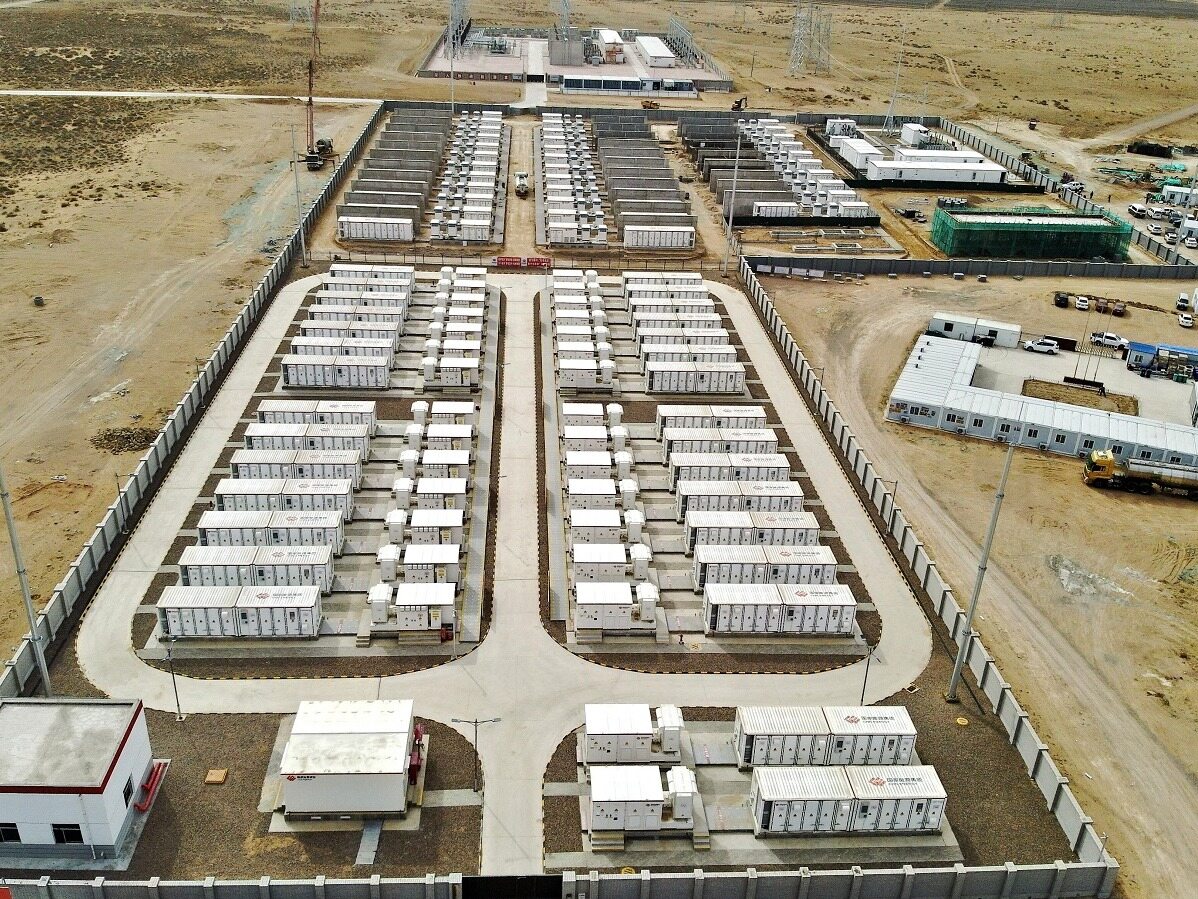
In December 2025, China Energy Construction's 300 MW solar energy storage project, invested and constructed in Jiangaihan Town, Saulan District, Turkestan Oblast, Kazakhstan, officially started construction. This is the first new energy project successfully implemented under the framework agreement between the Chinese and Kazakh governments after the SCO Summit. The project adopts a photovoltaic+energy storage mode, with a planned construction of a 300 MW photovoltaic system and a 90 MW/360 MWh energy storage system. After completion, it can provide about 674 million kWh of clean electricity annually, equivalent to saving about 140 million cubic meters of natural gas and reducing carbon dioxide emissions by about 2.6 million tons.
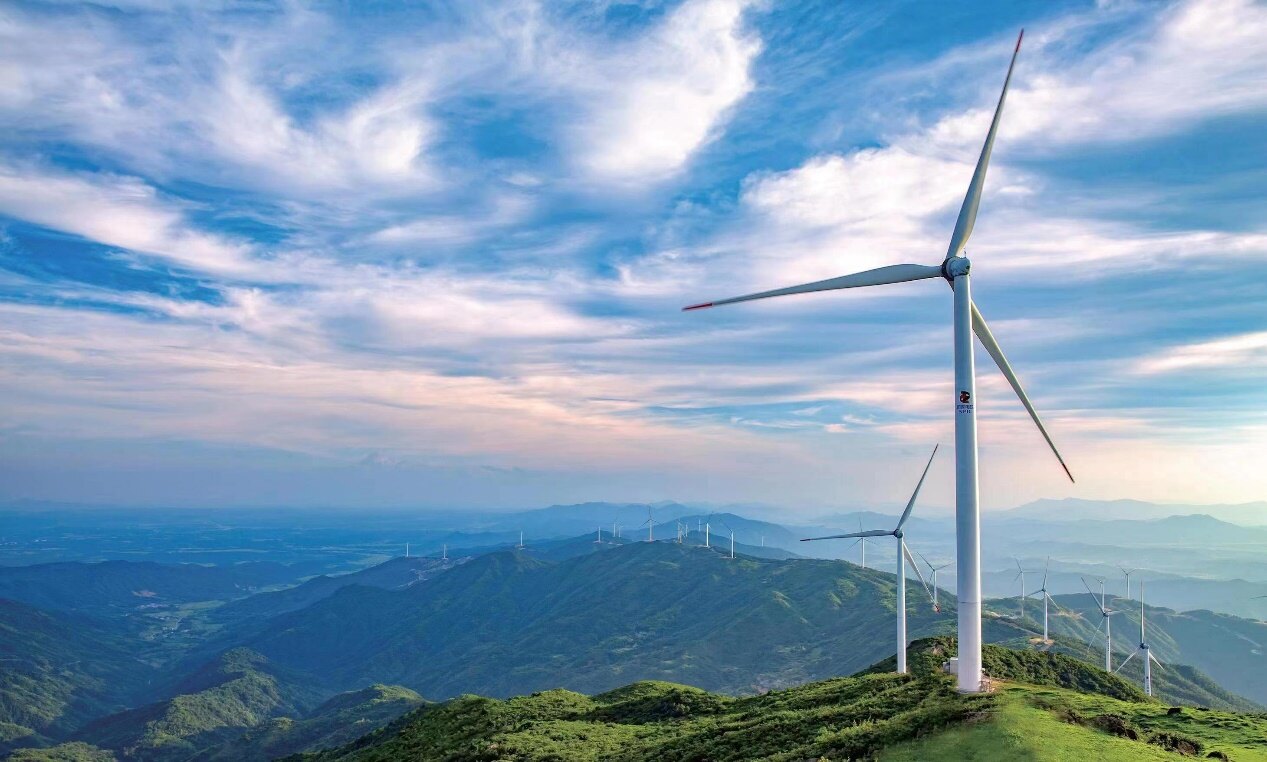
In August 2025, the first batch of 8 wind turbines of the Herumtau 150MW wind power project, the largest single wind power project in Kazakhstan under the EPC general contracting of China Power Construction, will be connected to the grid for power generation. The project installs a total of 24 wind turbines with a single capacity of 6.25MW, making it the largest wind power project currently under construction in Kazakhstan. After being put into operation, the average annual power generation is about 509 GWh, saving 170000 tons of standard coal and reducing carbon dioxide emissions by 500000 tons per year.
On January 12, 2026, the Shali Photovoltaic Power Station in Kazakhstan, invested and constructed by Taisi Limited Liability Company, was successfully put into operation. The total installed capacity of the project is 40 megawatts, and it can produce an average of 70.84 million kilowatt hours of safe, high-quality, and clean electricity per year, making a positive contribution to the local economic and social development.
The vivid practice of the Green Silk Road
The promotion of large-scale scenic projects between China and Kazakhstan is a vivid embodiment of the concept of multilateral cooperation and green development. For China, the implementation of the project is an important result of the deep connection between the the Belt and Road Initiative and Kazakhstan's new economic policy of the Bright Road, marking a new stage of green and low-carbon coordinated development of China Kazakhstan energy cooperation.
On January 29, 2026, Ambassador to Kazakhstan Han Chunlin held a meeting with Kazakh Minister of Energy Akhenanov, with Chen Haibin, Deputy General Manager of State Power Investment Corporation, in attendance. Akhenanov emphasized the importance of the strategic partnership between the two countries and stated that the implementation of the 1GW wind power+energy storage project in Pavlodar is a practical measure to implement the agreement between the governments of the two countries. Han Chunlin stated that in recent years, the development of renewable energy cooperation between China and Kazakhstan has entered the fast lane, and projects under the framework of renewable energy project agreements between the Chinese and Kazakh governments have been steadily advancing. After the meeting, representatives from both sides signed a package agreement on the Pavlodar 1GW wind power+energy storage project, which has an annual power generation of 3.4 billion kilowatt hours and can reduce 2 million tons of carbon dioxide equivalent greenhouse gas emissions annually.
In the January 2026 meeting, Sany Heavy Energy and Samruk Kazyna Fund confirmed that they will continue to deepen their strategic cooperation. The two sides plan to use the Janbuhr Oblast factory as the core production base to jointly develop and construct wind power projects with a total capacity of up to 6GW by 2030, providing sustained momentum for the green transformation of energy structure in Kazakhstan and even the entire Central Asian region.
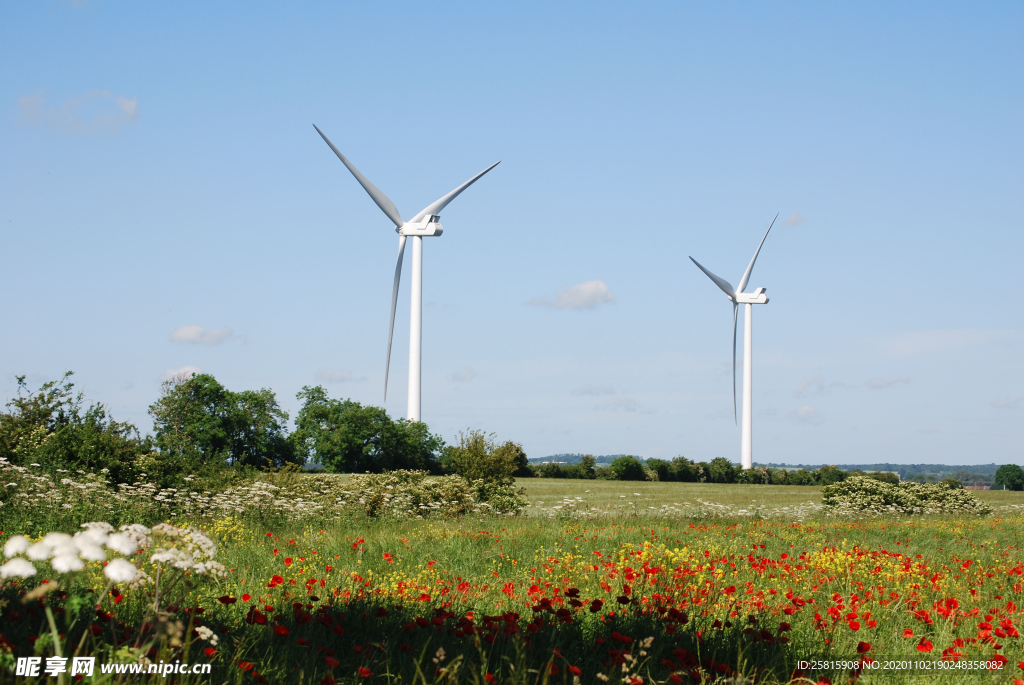
Yuanjing Technology Group also announced its participation in the construction of the 1GW Mirny wind farm in Kazakhstan, providing 124 6.5MW intelligent wind turbines for it. After completion, the project is expected to generate 4 billion kilowatt hours of electricity annually, providing clean power for over 1 million households and reducing carbon dioxide emissions by approximately 3.5 million tons annually. At the same time, the project will also be accompanied by the construction of 300MW/600MWh battery energy storage systems, further enhancing the stability of the power grid and energy security.Editor/Yang Meiling
Comment


 Praise
 Collect
 Comment

 Share
Share


Write something~