 Search


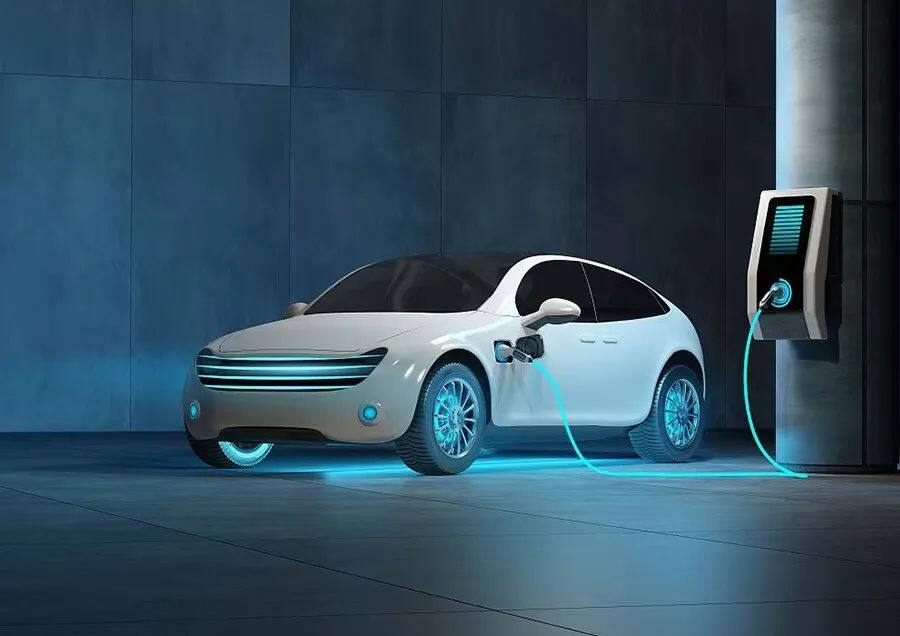
- The demand for charging new energy vehicles during holidays has skyrocketed, reaching a historic high
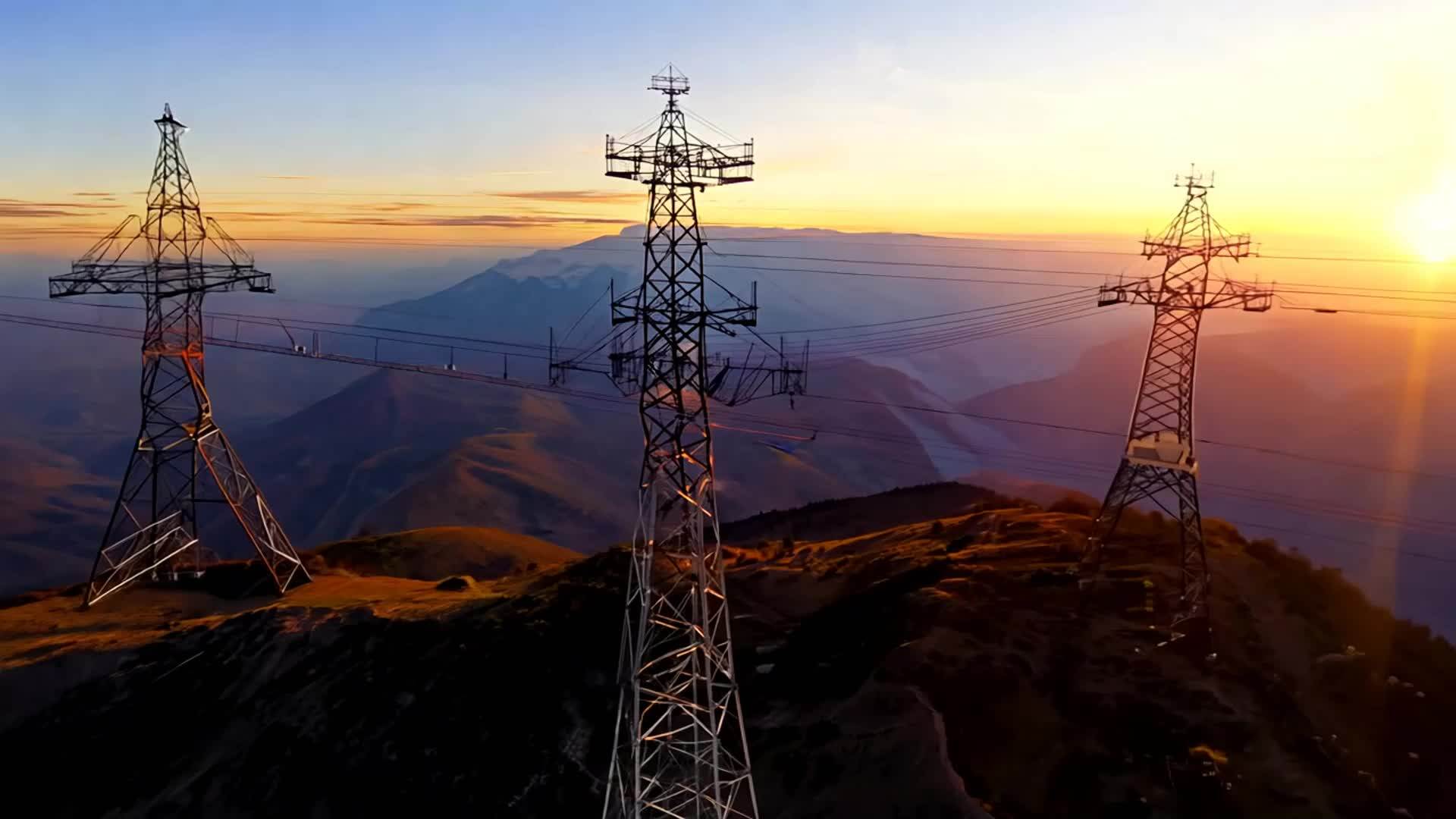
- Cross provincial transmission of regional green electricity and continuous deepening of energy security layout
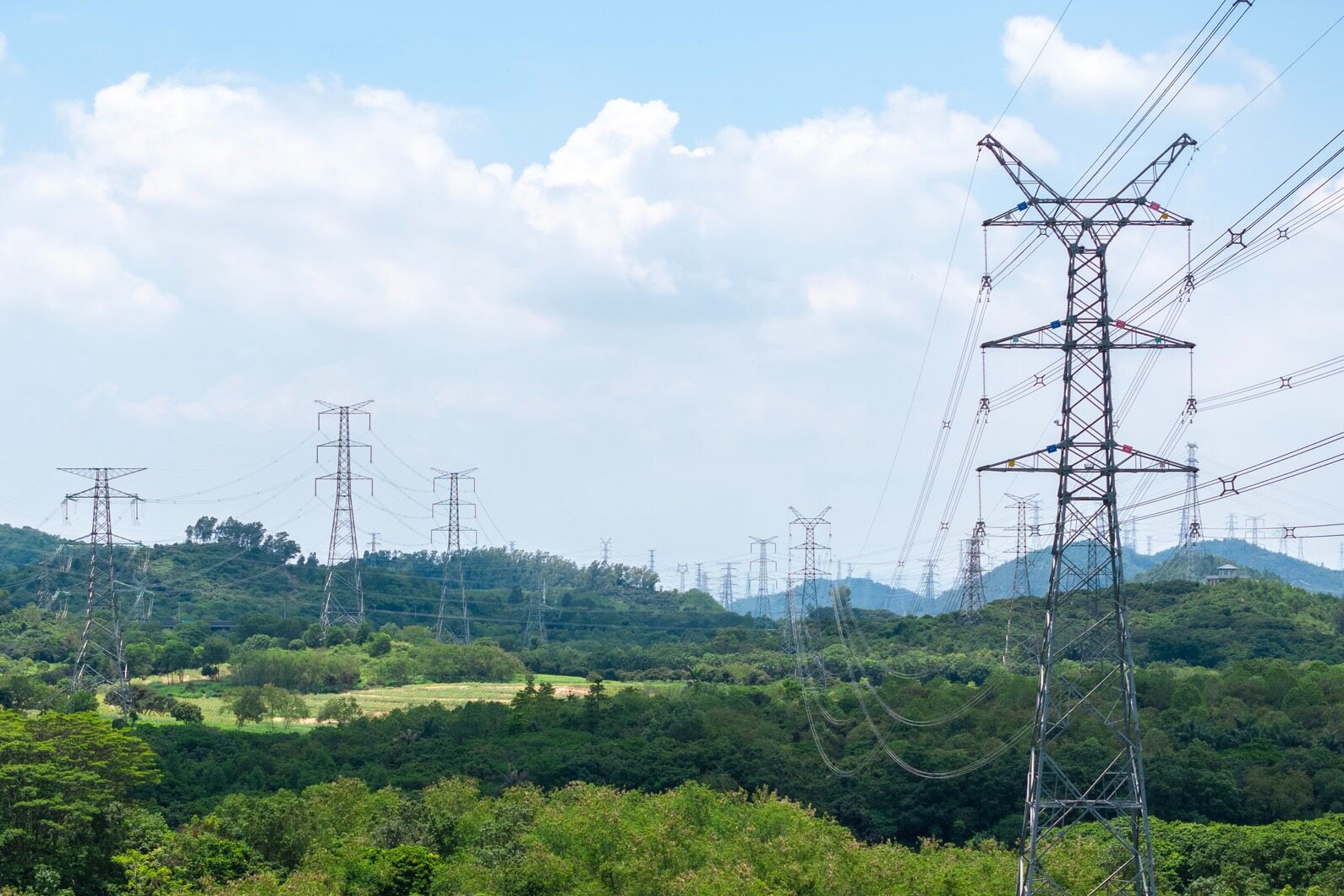
Recently, the Huaneng Xiaowan Water Photovoltaic Complementary Project has been officially put into operation. This is the first water photovoltaic complementary project in China to adopt a complete set of domestically produced control systems, which also means that the core equipment of China's large-scale clean energy base has achieved independent controllability and made significant technological progress.
Holiday charging reaches new high again
On the first day of the May Day holiday, the charging capacity of high-speed new energy vehicles saw a significant increase. According to data from 57600 high-speed charging facilities on the National Energy Administration's statistical platform, the daily high-speed charging capacity reached 23.0339 million kilowatt hours on May 1, 2026, a year-on-year increase of 55.6%. The charging service exceeded 946300 times, breaking the record for the first day of May Day charging in previous years.
On May 2, 2026, the world's largest 16 MW floating offshore wind power platform, the Three Gorges Navigation, was installed and completed in the Yangjiang Sea area of Guangdong Province. This platform is the first floating wind power project in China to be selected by the China Classification Society, providing an important demonstration for the large-scale and commercial development of deep-sea wind energy in China.
Accelerating the layout of cross-border power grids
The Asian Development Bank announced on May 3rd that it plans to allocate $70 billion by 2035 to support two major projects, the Pan Asian Power Grid Initiative and the Asia Pacific Digital Highway. Among them, 50 billion US dollars will be invested in cross-border power infrastructure, and 20 billion US dollars will be used for digital corridors and data facilities to promote the interconnection of the Asia Pacific power grid and cross-border circulation of green electricity, filling the gaps in regional digital infrastructure.
The Brazil Buzius Oilfield Phase 8 project, jointly built and owned by CNOOC, has been successfully put into operation. The project is located in the Santos Basin in the southeastern waters of Brazil, with an operating depth of 1900 to 2200 meters. It is developed using a floating production, storage, and unloading device combined with an underwater production system, and has become an important achievement of China Pakistan energy cooperation.
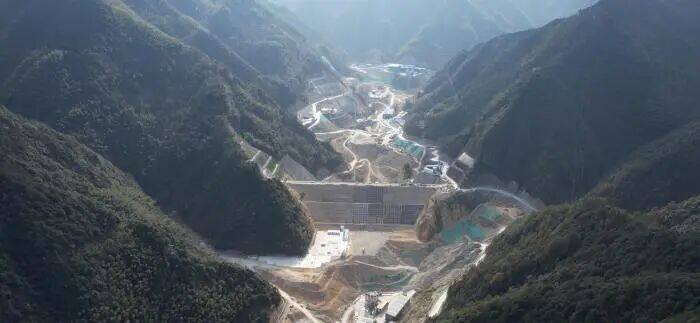
The first large-scale "collaborative computing and power" green power direct supply project in China was launched in Zhongwei, Ningxia on May 2, 2026, and the 500000 kilowatt photovoltaic power station of Datang Zhongwei Cloud Base was officially put into operation. The subsequent 1.5 million kilowatt wind power project will be connected to the grid in September, and after completion, the annual power generation can meet the local data center's 2.29 billion kilowatt hour electricity demand. On May 2, 2026, with the intelligent device "Tiangong", two vertical shafts of the Songyang Pumped Storage Power Station in Zhejiang Province were fully connected, and the excavation depth set a new record in the domestic pumped storage industry, marking a new leap in China's intelligent construction technology for ultra deep vertical shafts.
Qinghai green power first sent to Fujian
On May 1, 2026, Qinghai and Fujian reached their first cross provincial green power transaction, and will deliver 35 million kilowatt hours of clean electricity to Fujian in the next 31 days, achieving a direct supply of green power from Qinghai to Fujian spanning 2000 kilometers. At present, Qinghai's power transmission has covered 23 provinces, autonomous regions and municipalities across the country. Keywords: clean energy, offshore wind power, international energy
On May 5th, the Speaker of the Iranian Parliament stated that he accused the United States and its allies of violating ceasefire agreements, implementing blockades, and seriously threatening the security of international shipping and energy channels. He also pointed out that the pattern of the Strait of Hormuz is being reshaped, and the current pattern of the United States is difficult to sustain. On May 4th, the International Energy Agency released a report stating that global methane emissions from fossil fuels will remain high and have no downward trend by 2025. Promoting methane emission reduction can not only protect the environment, but also strengthen energy security; The obstruction of navigation in the Strait of Hormuz has led to a 20% reduction in global liquefied natural gas supply, and energy security is increasingly valued by countries around the world.Editor/Gong Ziwei
Comment

 Praise
 Collect
 Comment

 Share
Share


Write something~