 Search


- Launch the Geely Mei Jilong Cross border Transmission Project with a planned capacity of approximately 750 megawatts
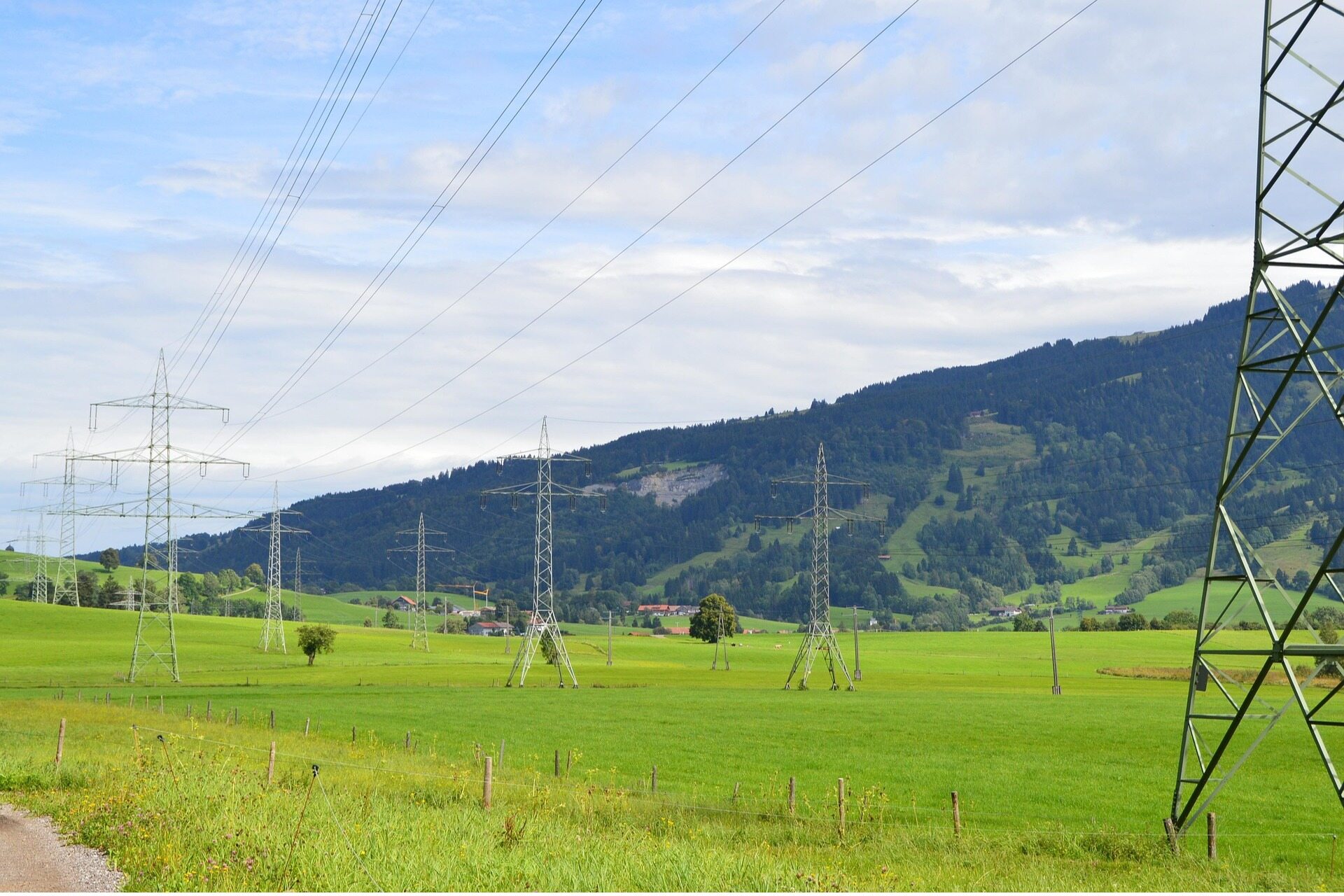
The Nepalese government has recently officially approved the sending of a response letter to China, launching the Jilyme Jilong cross-border transmission line project, paving the way for exporting clean electricity to China through this international power corridor in the future. The theoretical potential of hydropower in Nepal is 83000 megawatts, but currently only about 2800 megawatts have been developed and installed, with a development rate of less than 4%. The demand for electricity transmission is urgent. This project is a key step for Nigeria China energy interconnection, and also an important achievement of South Asian power cooperation under the the Belt and Road framework.
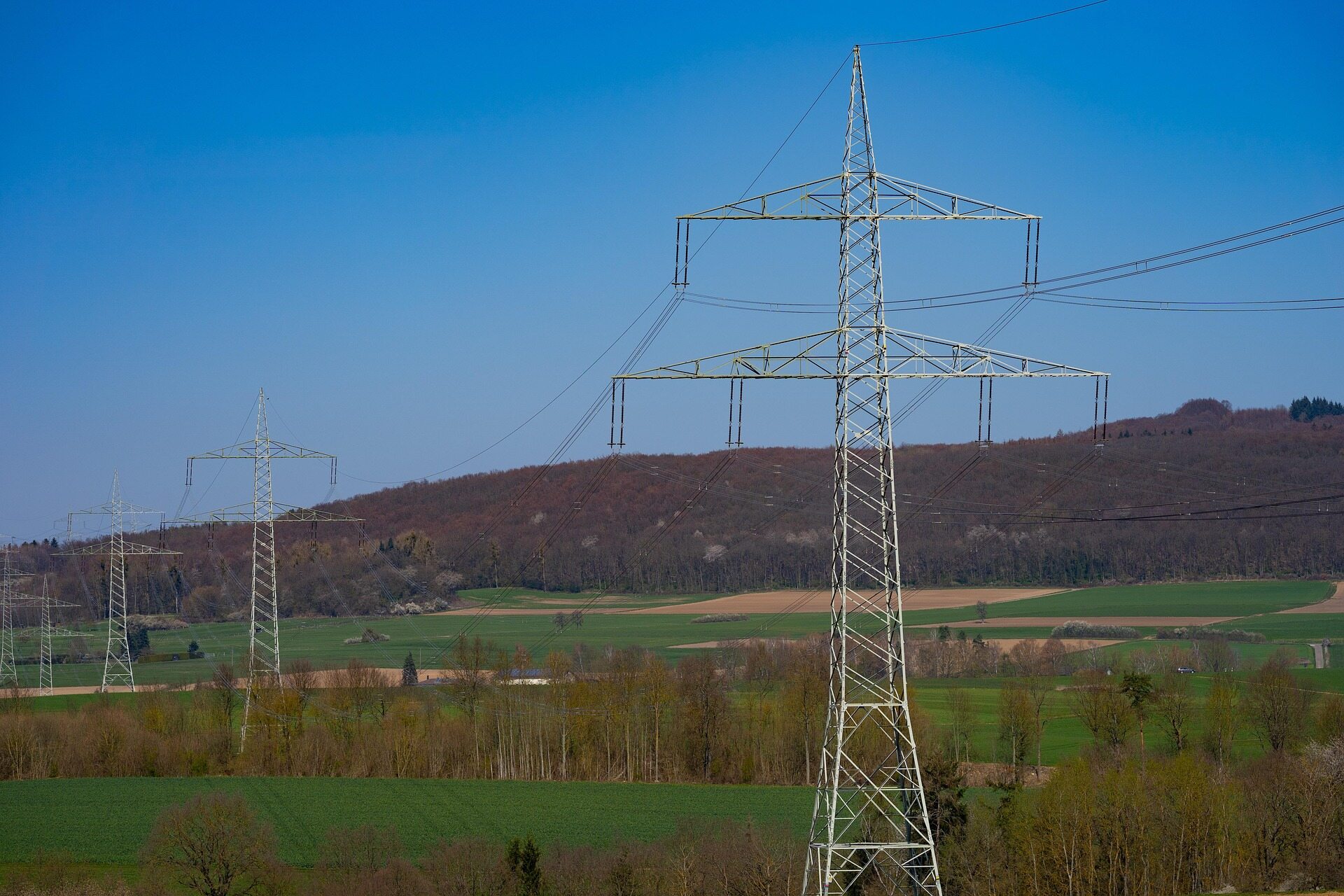
750 MW power line opens up water and electricity transmission channel
The planned capacity of Jilimai Jilong transmission line is about 750 MW, starting from Jilimai in eastern Nepal and ending at Jilong Port in Xizang, China, with a total length of about 150 km.
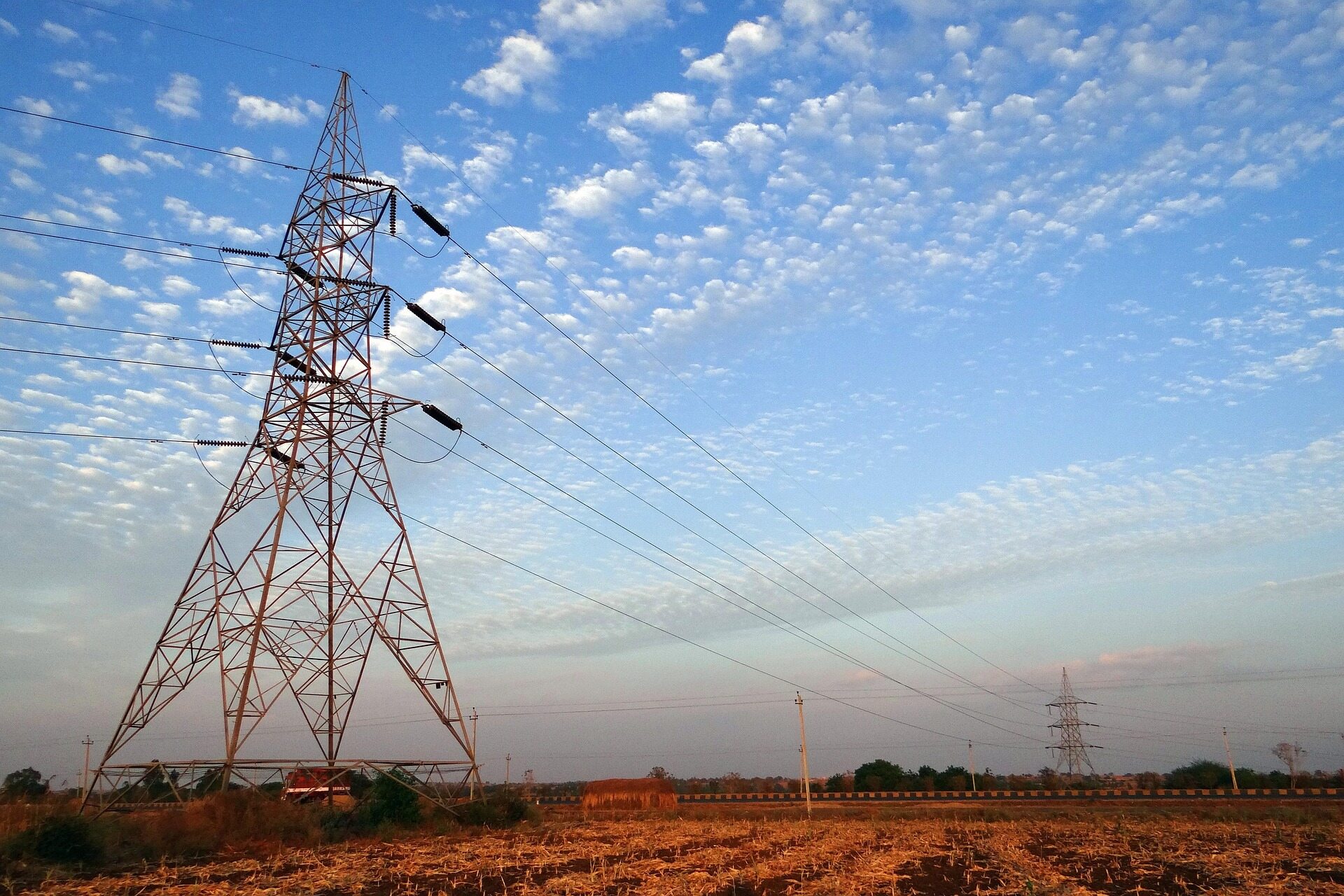
After the completion of the line, Nepal's hydropower can be directly connected to the Southwest China power grid, with an estimated annual transmission capacity of over 4 billion kilowatt hours, equivalent to the annual electricity consumption of about 3 million Chinese households. Nepal's Electricity Minister Paudel has repeatedly stated that cross-border power transmission is the core path for Nepal to transform its hydropower advantages into economic benefits.
Win win cooperation in energy between China and Nepal
The demand for electricity in Xizang and southwest China has continued to grow, and there is an obvious gap in clean electricity. Nepal's hydropower development has low costs, almost zero carbon emissions, and significant export competitiveness. Keywords: interconnectivity, cross-border electricity
According to World Bank data, electricity exports are expected to bring Nepal an average annual income of over $2 billion in the next decade. The promotion of this project not only helps Nepal overcome the dilemma of being rich in electricity but not using it, but also provides stable and clean power for China to optimize the energy structure in Southwest China, marking the transition of China Nepal energy cooperation from planning to practical implementation.Editor/Cheng Liting
Comment

 Praise
 Collect
 Comment

 Share
Share


Write something~