 Search


- Assist atmospheric monitoring to enter the forefront of the world, and carry out test flight verification in the future
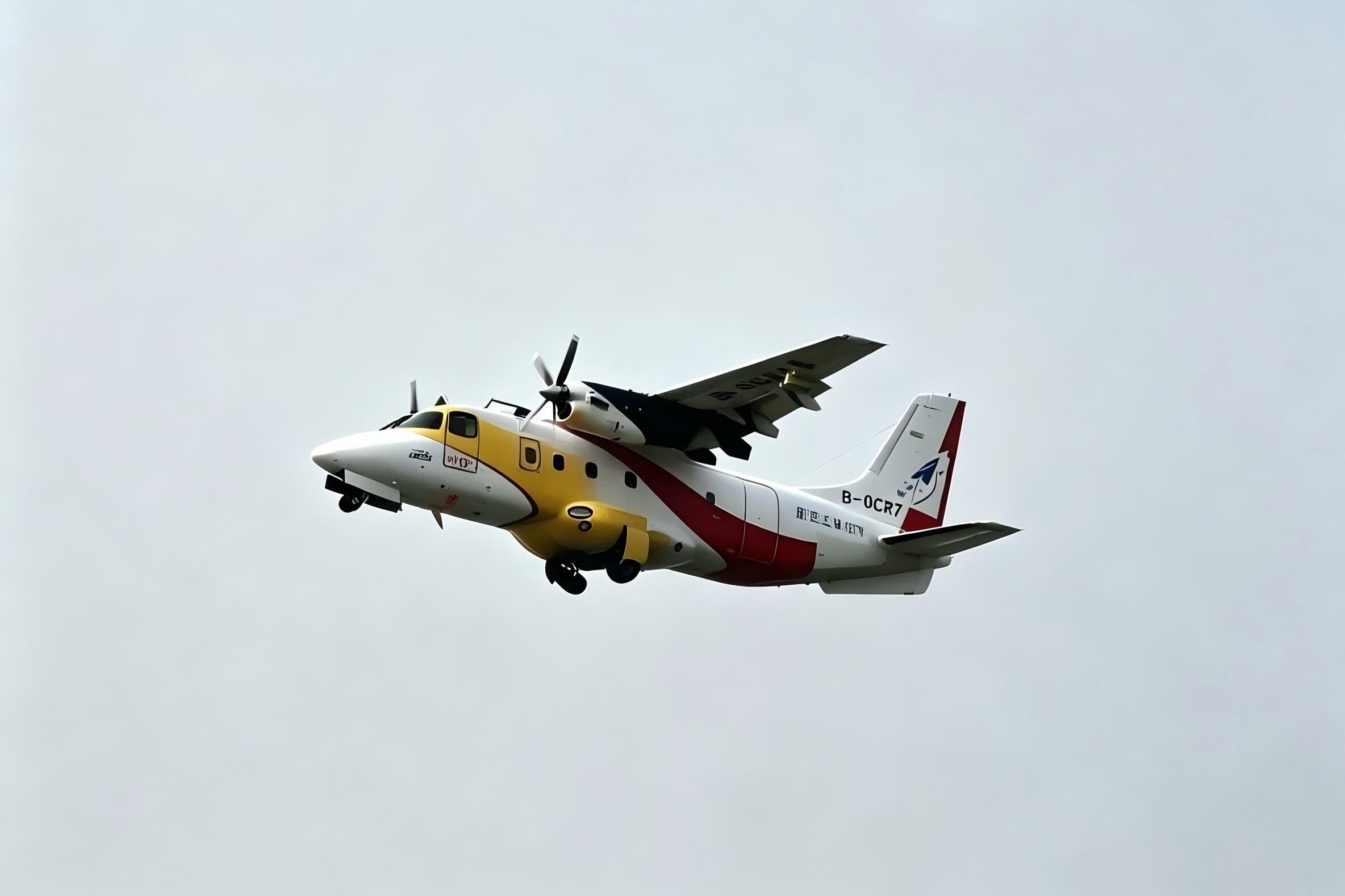
On the runway of Harbin Pingfang Airport, a silver grey Y-12F aircraft roared with its engine, accelerated and smoothly ascended into the sky. This is not just an ordinary takeoff, but a historic debut of China's first fixed wing aircraft platform for comprehensive atmospheric environment detection. As it traced its beautiful path in the blue sky, applause erupted in the ground measurement and control hall - this means that China's regional air pollution monitoring finally has its own vertical detection tool, and atmospheric surveying technology has officially entered the forefront of the world.
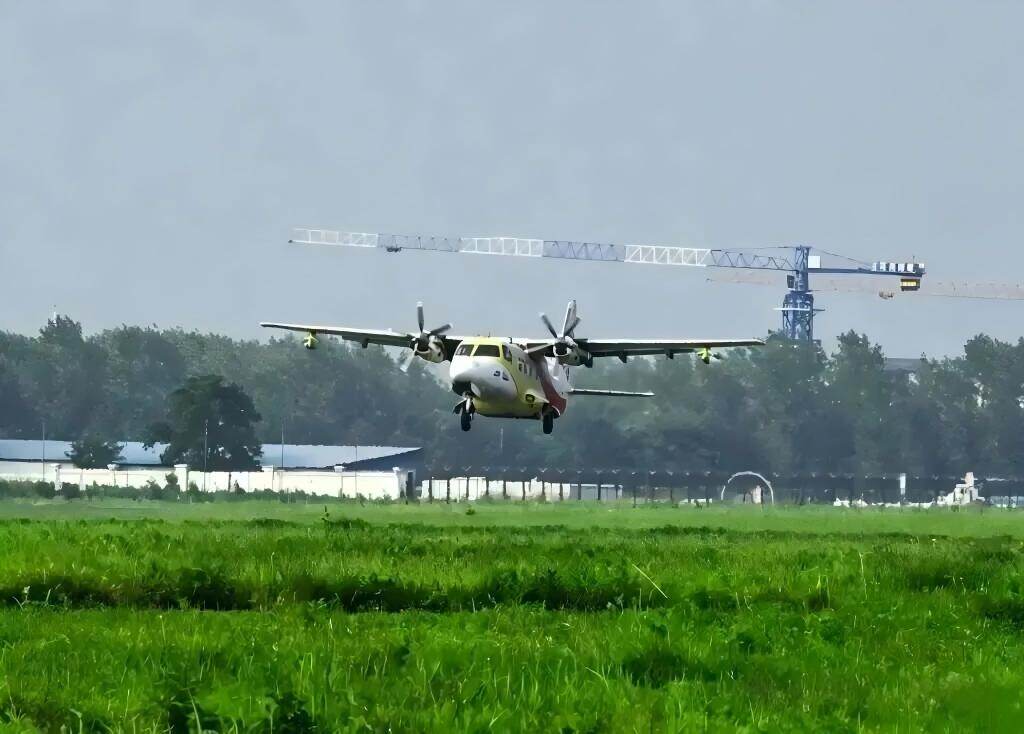
Sky Laboratory Forming
This Y-12F atmospheric comprehensive aerial survey aircraft uses the mature and reliable Y-12F as the carrier platform. The R&D team has overcome the stringent requirements for high-sensitivity three-dimensional detection of multiple pollutants such as atmospheric particulate matter, gaseous pollutants, greenhouse gases, and cloud water physical chemistry, and has completed large-scale integration and modification of over 60 task equipment. Nowadays, it has integrated aerial surveying capabilities for detecting multiple pollutants, greenhouse gases, and cloud and water, with detection accuracy and sensitivity steadily reaching international advanced levels. It is truly a super atmospheric detector flying in the sky.
Top platform as the cornerstone
A carrier capable of carrying such complex and precise detection tasks is not an ordinary person. The Y-12F is an 8-ton general-purpose regional turboprop aircraft developed by Hafei in the aviation industry, which combines advanced technology, outstanding commercial payload, and ultra large space advantages. What is more noteworthy is that it is currently the only domestically produced civil aircraft in China that has obtained model certification from the three authoritative agencies of the Civil Aviation Administration of China, the Federal Aviation Administration of the United States, and the European Aviation Safety Agency. Its airworthiness and platform stability have been rigorously verified globally, providing a solid and reliable aerial foundation for high-altitude precision detection.
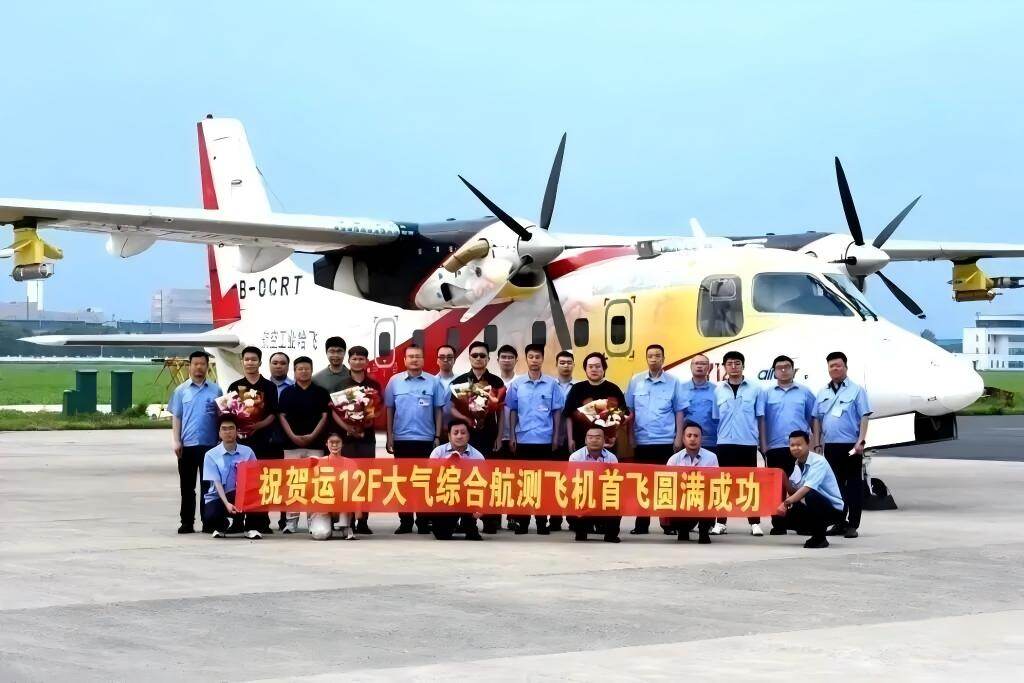
Joint research and development towards the future
The project was officially launched in 2024, led by Peking University, with Aviation Industry Hafei responsible for large-scale retrofitting design and integration work. It brings together the wisdom of multiple universities and research institutes, including Peking University Shenzhen Graduate School, Nanjing University, Zhejiang University, Xi'an University of Technology, Hefei Institute of Physical Science, Chinese Academy of Sciences, and Beijing Artificial Weather Modification Center. The aircraft is expected to conduct more than 30 hours of typical area test flights in the future, completing the experimental verification of the functional effects of the mission equipment at different heights and environmental conditions, and continuously contributing to the comprehensive and accurate detection and effective governance of China's atmospheric environment.Editor/Yang Meiling
Comment

 Praise
 Collect
 Comment

 Share
Share


Write something~