 Search


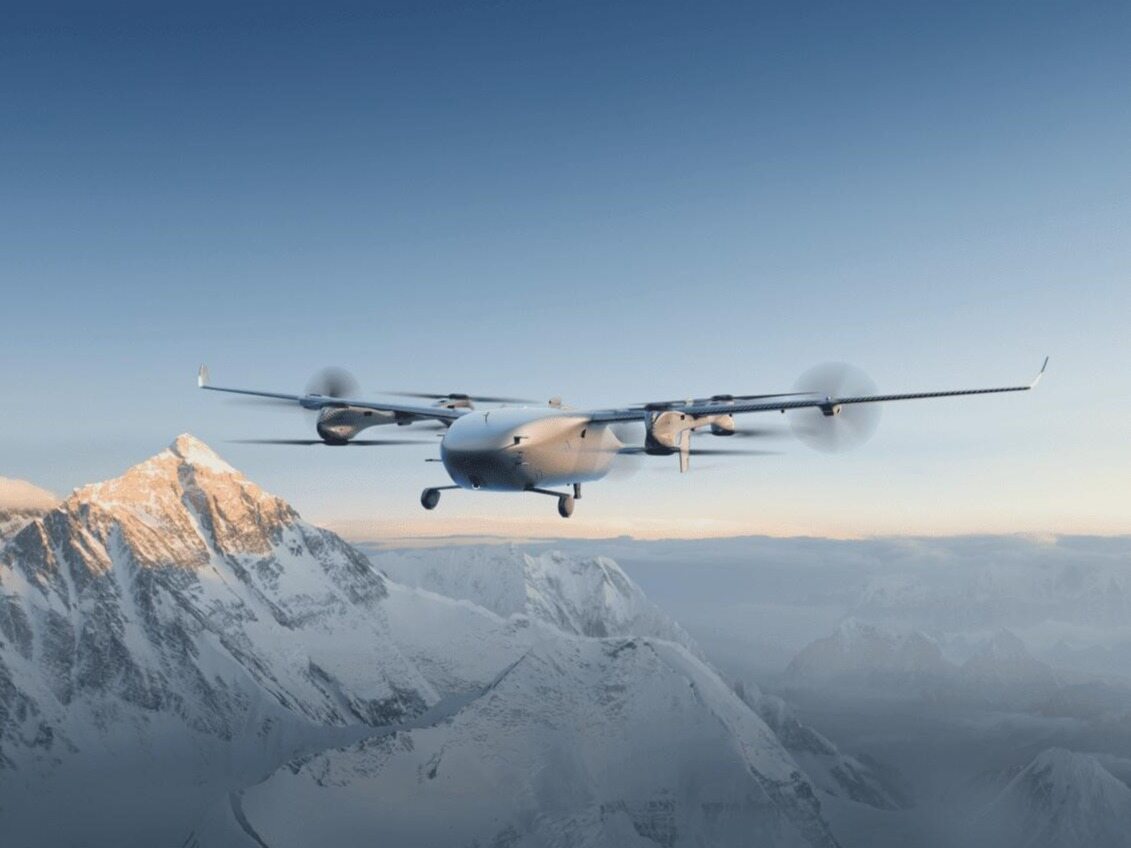
- On the roof of the world, drones are becoming the "aerial mules and horses" that cross the chasm
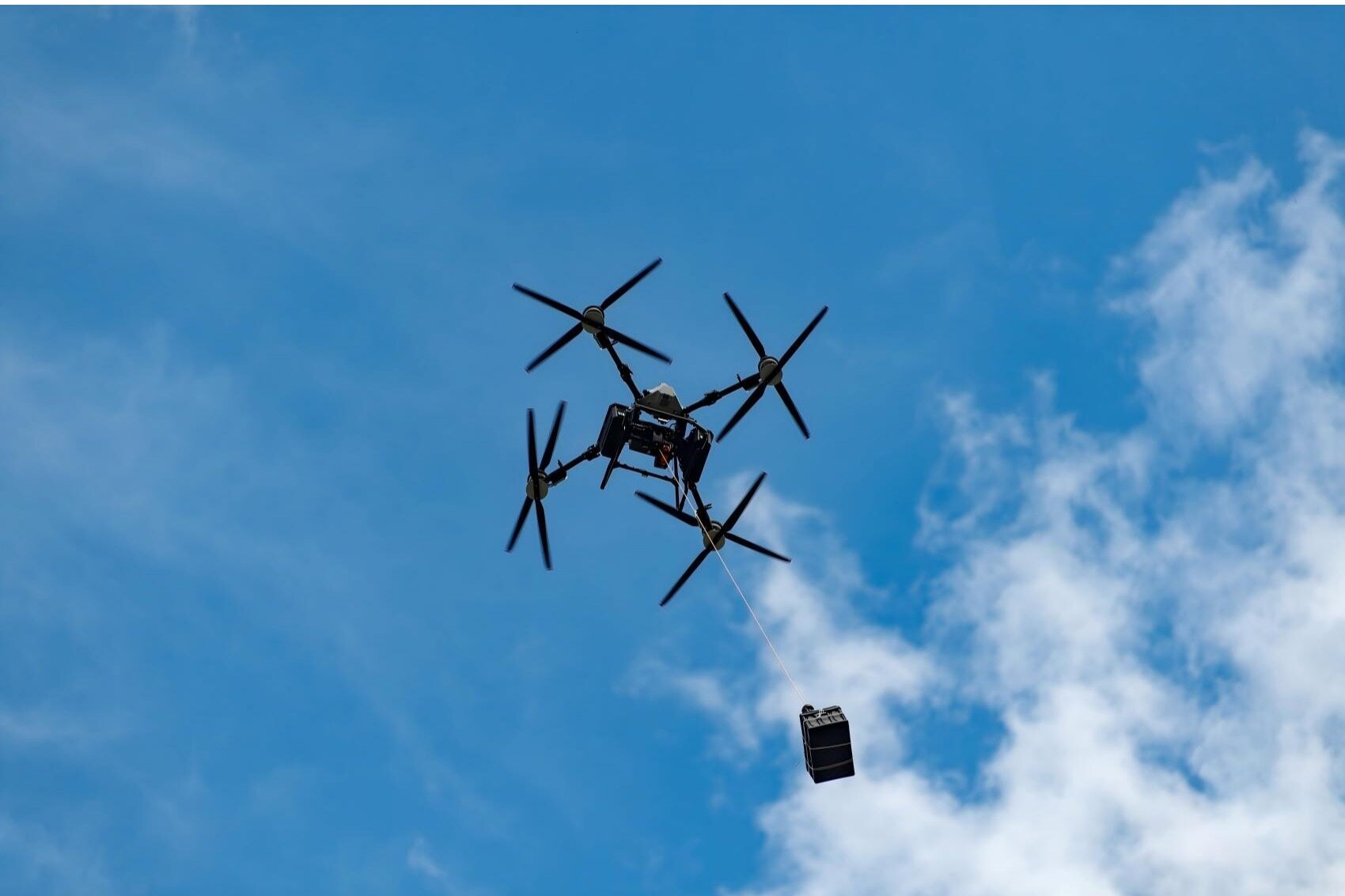
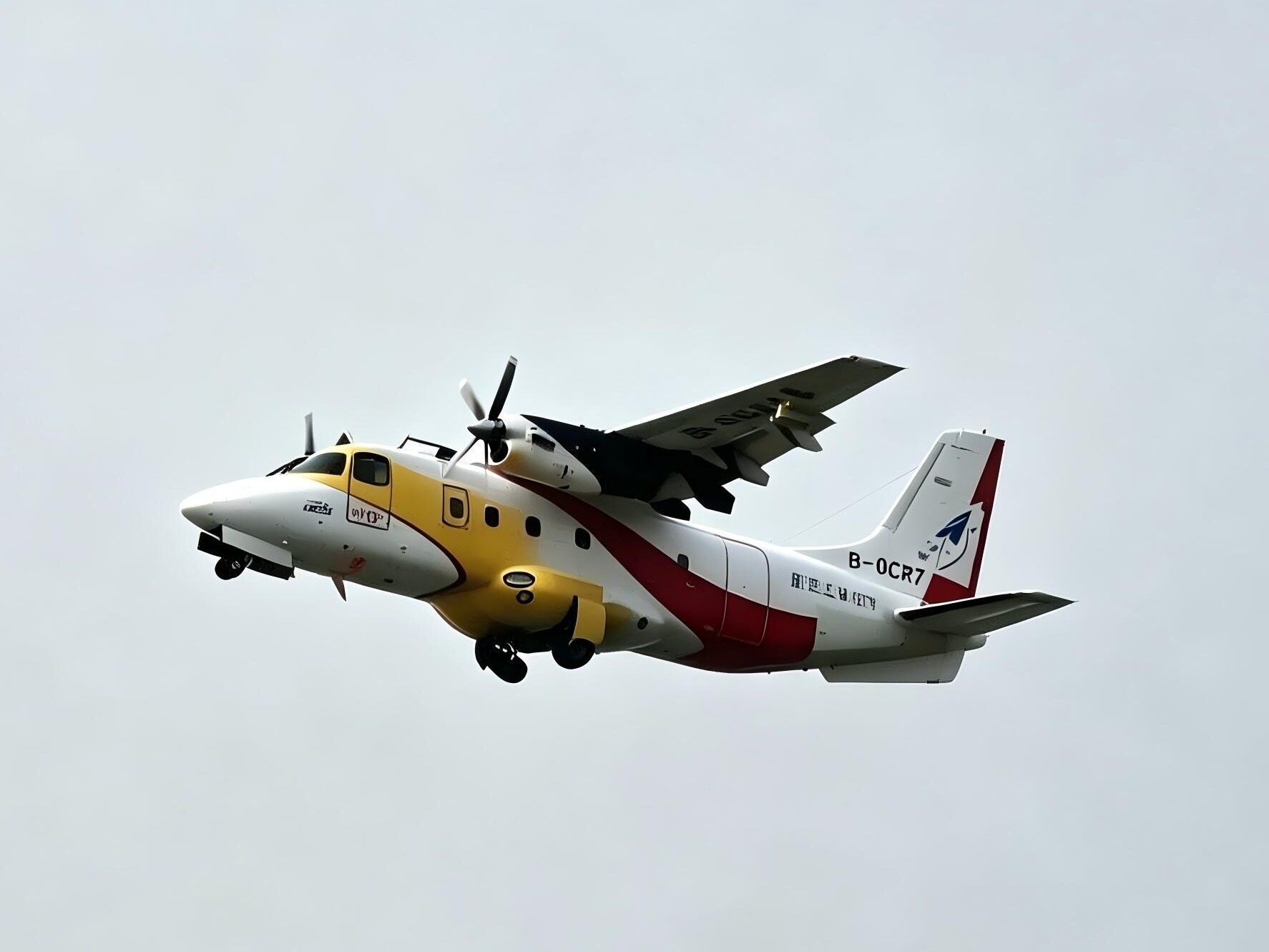
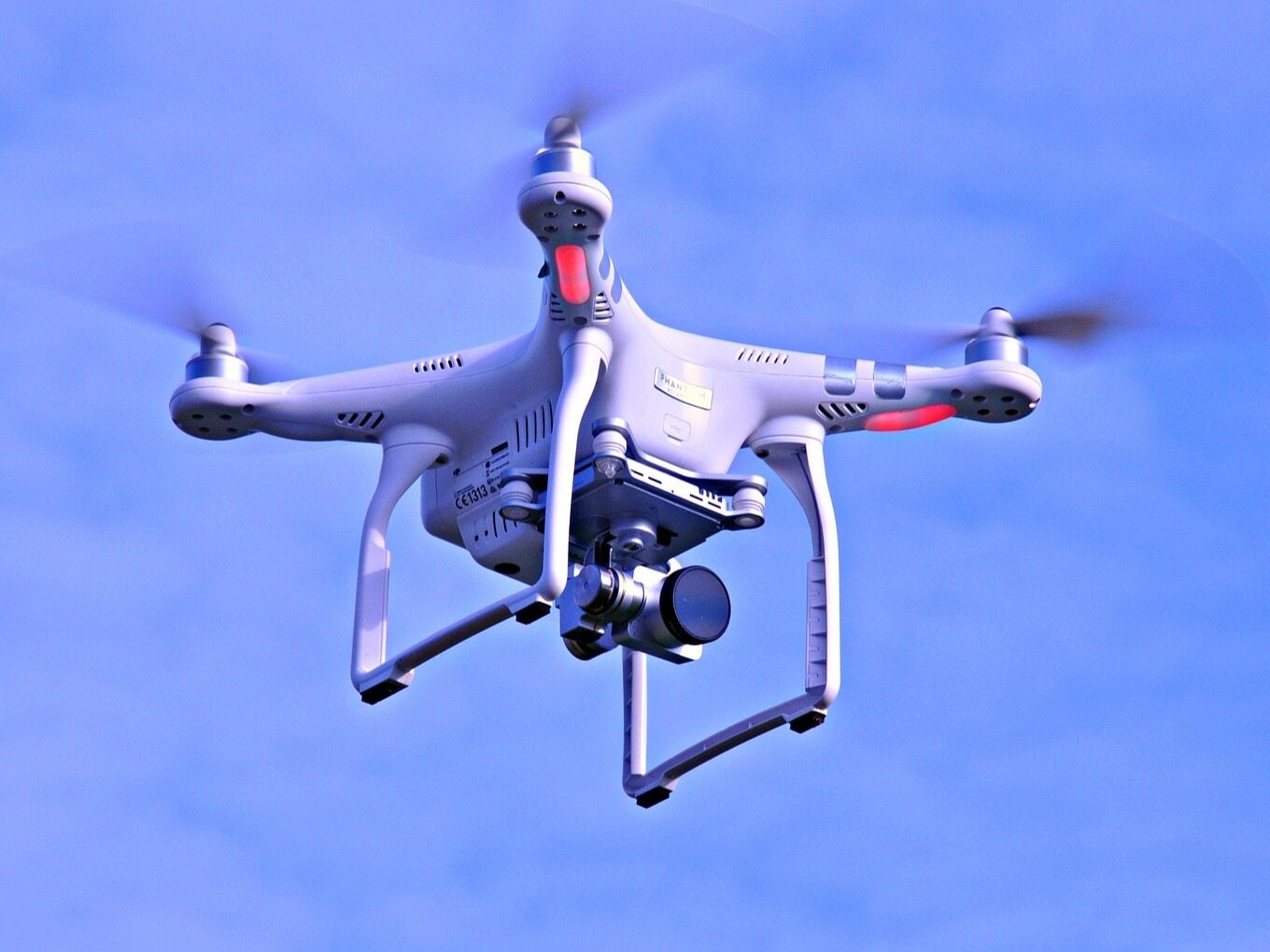
Winds above an altitude of 4000 meters are harder than plains and more eager to be tamed. On the campus of Xizang University, an industrial UAV that had just finished its test flight landed slowly with a little red soil on its fuselage. Just a few days ago, as the red silk fell, the high-altitude unmanned aerial vehicle research and application center was officially unveiled here. This is not only the birth of a scientific research institution, but also a response to the long-standing call of this highland - how to use the hand of technology to overcome geographical barriers in the vast and difficult snowy areas?
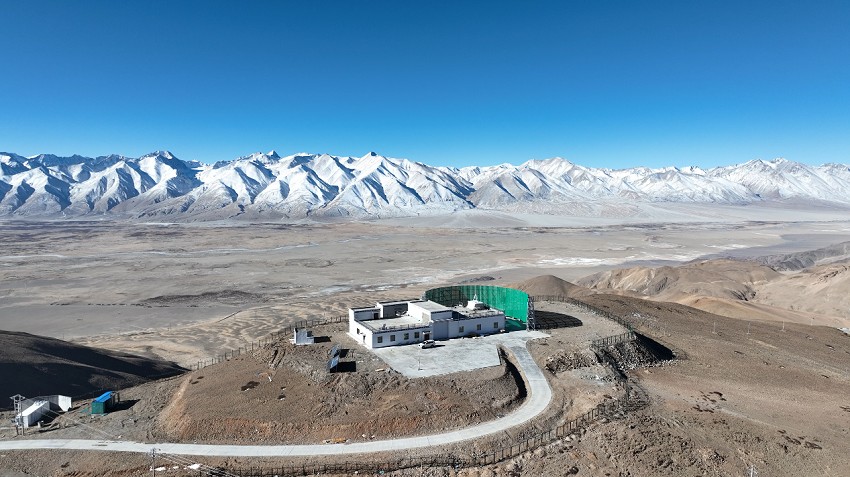
Breaking through the shortcomings of high altitude
Xizang is known as "the roof of the world", "the water tower of Asia" and "the third pole of the earth", with an average altitude of more than 4000 meters. Here, the land is vast and sparsely populated, with high cold and oxygen deficiency, strong terrain cutting, and rapidly changing meteorological conditions. For a long time, traditional ground engineering surveys, long-distance transportation, and disaster inspections have been costly and inefficient. Especially in the fields of highway inspection, slope monitoring, geological warning, remote material delivery, ecological remote sensing, and border patrol, the demand for low altitude technology is extremely urgent.
However, due to the long-term shortage of localized research platforms and professional and technical personnel, the landing of low altitude industries in Xizang once faced a core bottleneck. The establishment of the center is precisely the initiative of Xizang University to connect with the development strategy of the autonomous region, aiming to complement the technical weakness of the plateau and plug the wings of science and technology into this land.
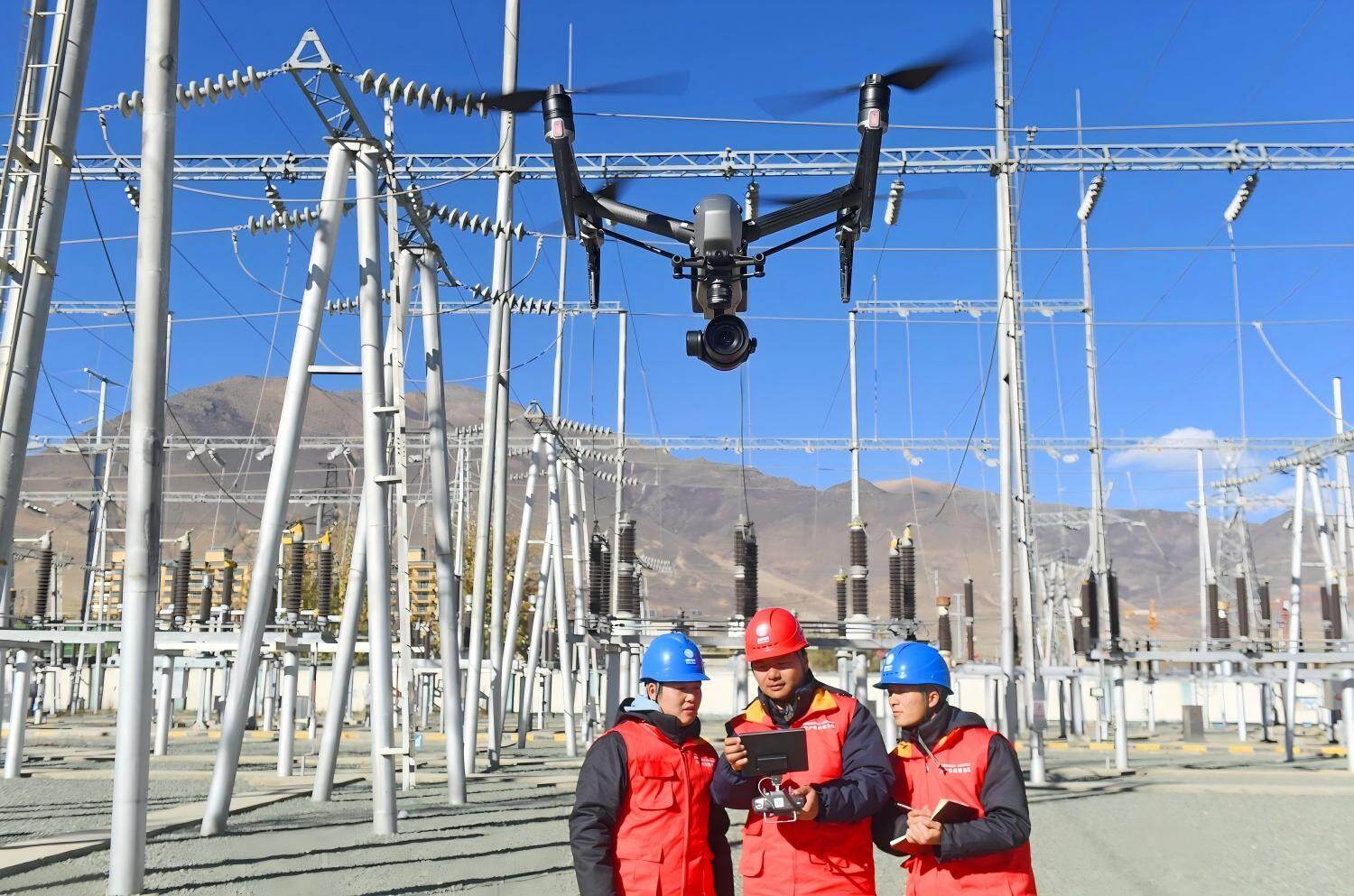
Building a solid foundation for scientific research
Relying on the profound academic accumulation, Xizang University has established a characteristic discipline group of "plateau science and technology", and has multi-level high-quality scientific research resources such as the National Outstanding Engineer Team and the Autonomous Region's Plateau Major Infrastructure Smart Construction and Resilient Safety Technology Innovation Center. These hardcore forces will provide solid support for the drone center. In terms of discipline construction, by 2026, the school has successfully obtained approval for majors in artificial intelligence and new energy science and engineering. At the same time, the micro major of "high-altitude intelligent low altitude transportation drone application" has completed registration and landing. What is even more exciting is that the school has launched the application process for the undergraduate major of "Low altitude Technology and Engineering", striving to achieve enrollment by 2027 and solve the problem of talent supply from the root.
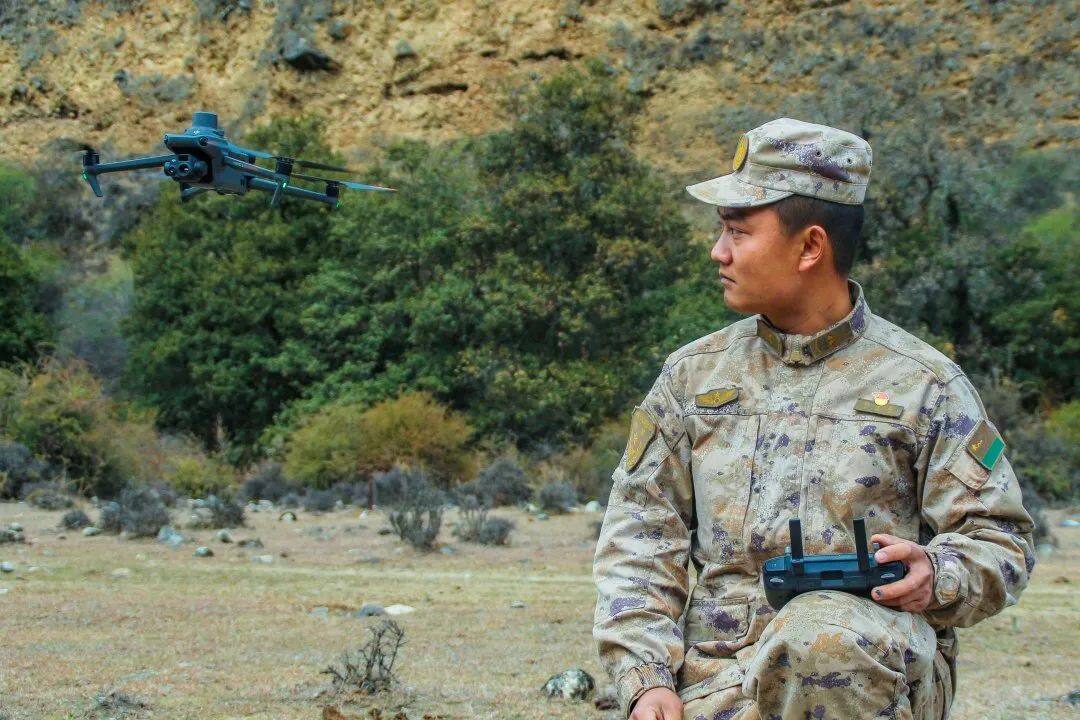
Aim for new heights in technology
In the future, the center will focus on the "bottleneck" technical problems in the field of high-altitude unmanned aerial vehicles, and strive to build three major platforms: the high-altitude characteristic original technology research and development platform, the government industry university research integration service platform, and the composite talent cultivation platform. The center will accurately connect with practical industry needs such as emergency management, natural resources, border defense, and transportation, and continue to overcome the application challenges of high-altitude unmanned systems. This will not only help the low altitude economic industry in the Xizang Autonomous Region develop steadily towards standardization and specialization, but also inject strong impetus into the "double first-class" construction of schools, and ultimately serve the overall situation of the construction of a new socialist modernization Xizang.Editor/Yang Meiling
Comment

 Praise
 Collect
 Comment

 Share
Share


Write something~