 Search


- Building a low-carbon and sustainable modern industrial system through the implementation of green intelligent manufacturing projects
- Laos breaks the single resource economy model and comprehensively promotes the upgrading and upgrading of local industrial industries
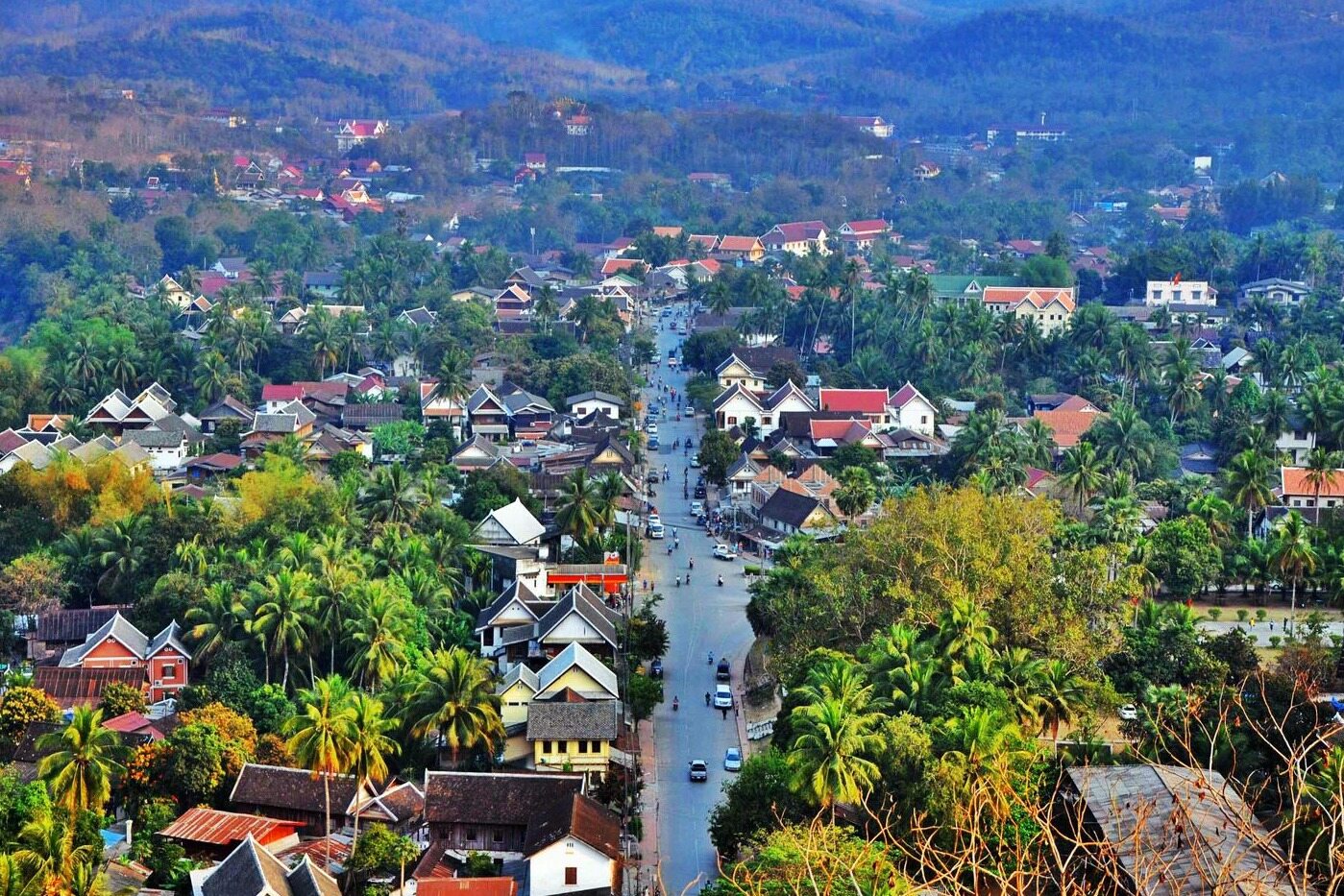
The whistle of the China Laos Railway not only changed the flow of goods, but also awakened the ambition of Laos industry. In the past, this steel giant mainly transported Laos' minerals and agricultural and forestry products overseas; In the future, it will become a major artery for transporting energy, equipment, and industrial semi-finished products. Recently, the Laotian authorities have issued a strong signal: relying on the increasingly improved transportation network, Laos will comprehensively restrict the export of primary raw materials, vow to tear off the old labels of resource suppliers, and grow its own processing plants on local land.
Say goodbye to the old path of exporting raw materials
Laos is undergoing a large-scale economic transformation. The Director General of the Processing Industry Department of the Ministry of Industry and Trade of Laos, Benpeng Sibenheng, stated that the country has established a new development path, fully restricting the export of primary raw materials, and fully developing local processing and manufacturing industries, breaking away from the old model of resource export and finished product procurement.
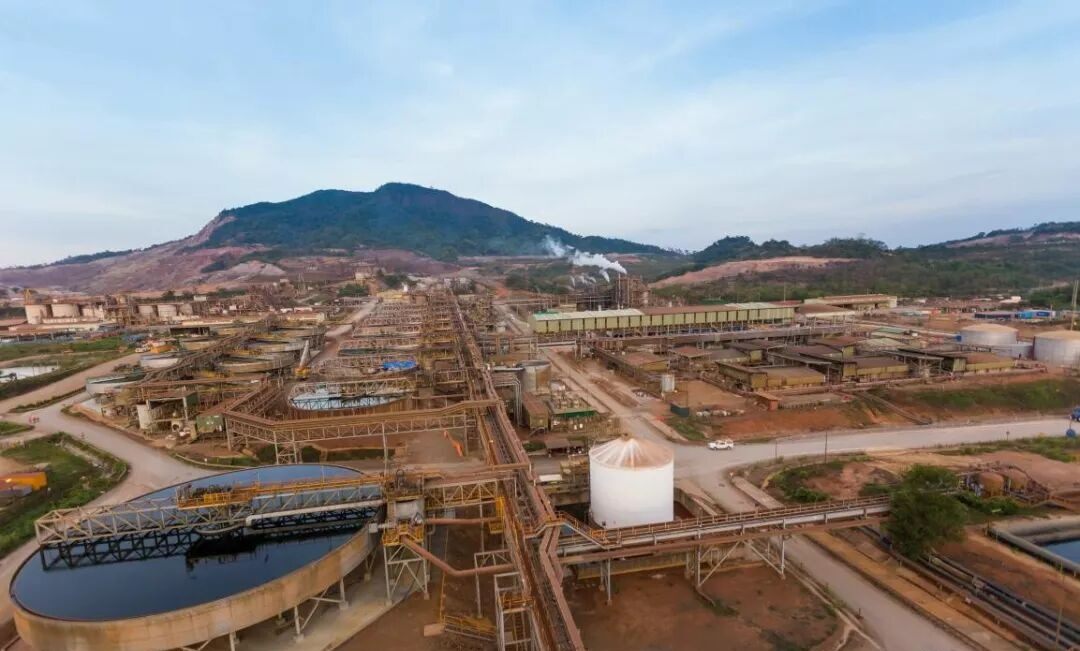
For a long time, Laos has relied on primary exports of minerals, forests, and agricultural products to generate income, with a weak industrial foundation and a high dependence on imports for goods, resulting in a long-term trade deficit. According to the "2026-2030 Five Year Development Plan for Industry and Trade", the local target industrial and trade GDP accounts for over 36.2%, with an average annual growth rate of 12.65% for industry, 14.54% for domestic trade, and 10.62% for foreign trade. During the same period, the national 14th Five Year Plan was implemented, setting an annual economic growth target of 6%.
Deeply cultivate local deep processing
The mineral industry will promote on-site deep processing, with a focus on developing high value-added industries such as gold, copper and aluminum, potassium salts, and rare earths. Starting from 2025, the approval of new mines will be suspended, existing mining enterprises will be regulated, and the revenue from government and enterprise products will be split 50-50.
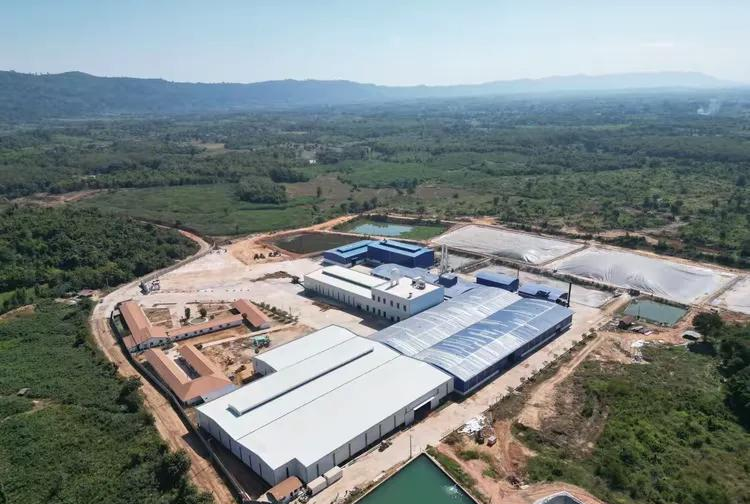
Simultaneously supporting the deep processing of agricultural products such as rubber, cassava, sugarcane, and aquatic products to increase income and absorb rural employment. Xi Benheng stated that the transformation aims to attract investment and increase value, reduce imports, and cure the trade deficit. In the first quarter of 2026, Laos' total foreign trade was 5.2 billion US dollars, with a surplus of over 310 million US dollars. However, exports are still mainly based on resources, and the industrial structure has obvious shortcomings. The country plans to achieve a per capita GDP of $3104 by 2030, gradually remove the label of least developed country, and drive its independent economy through industry and trade.
Open up development supporting channels
Laos is simultaneously laying out high-end green manufacturing. In March 2026, it signed a contract with Chinese enterprises to build a clean energy industrial park covering an area of 6279 hectares and producing 500000 tons of green aluminum annually in Oudomxay Province, creating a regional green manufacturing center. Solar energy, wind power, biomass energy, digital infrastructure, and intelligent technology are all included in the key development plan. Keywords:Foreign construction news network,Southeast Asia engineering information network,Overseas engineering construction,Foreign engineering construction news
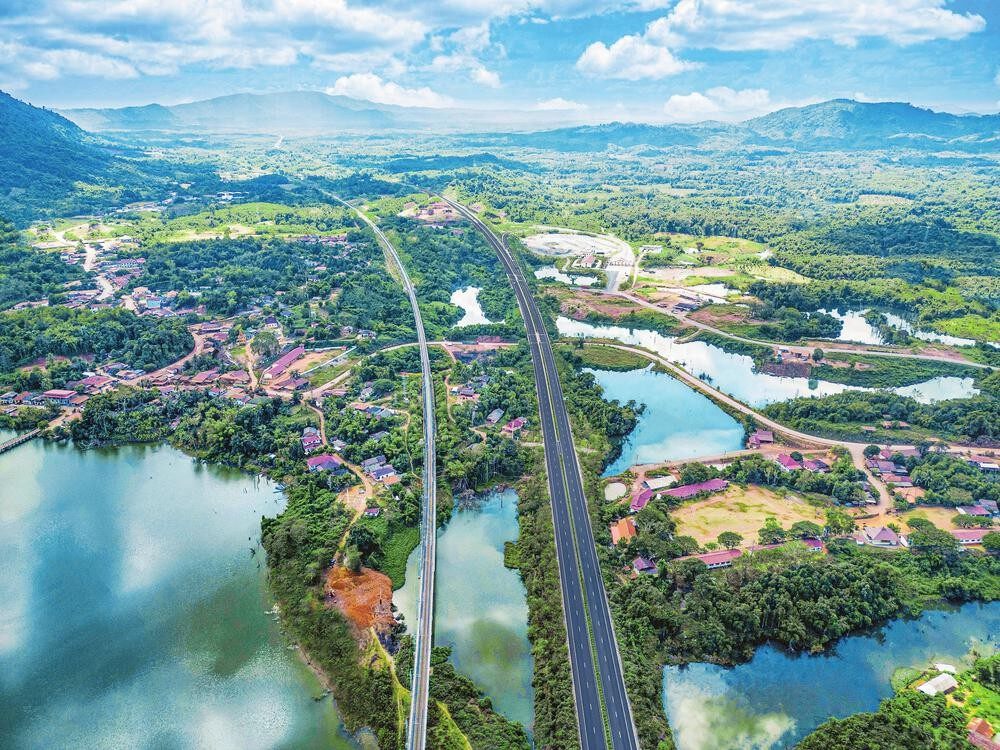
As a landlocked country, outdated infrastructure and high logistics costs have hindered the introduction of foreign investment. Now the China Laos railway is open to traffic, and a number of high-speed and railway projects have been constructed in an orderly manner. Laos is accelerating its transformation from a landlocked country to a landlocked country, paving the way for the development of manufacturing industry. The country's senior management has fully supported this economic strategy, and supporting policies for investment attraction, industrial support, and business optimization have been introduced one after another. A deep transformation of replacing raw material exports with local manufacturing has been fully implemented along the Mekong River.Editor/Gong Ziwei
Comment


 Praise
 Collect
 Comment

 Share
Share


Write something~