 Search


- Add key water transportation nodes to Chengdu Chongqing region
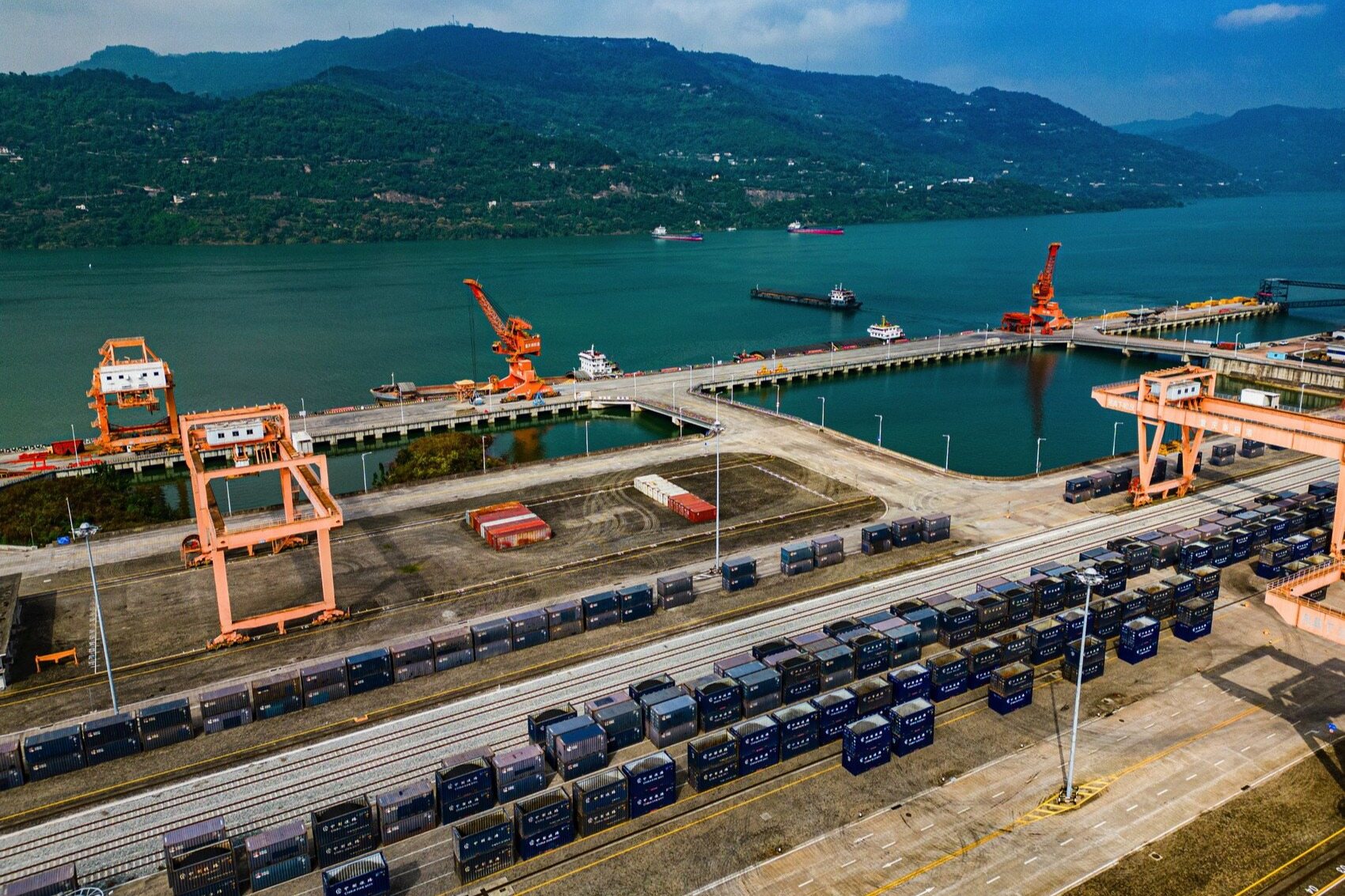
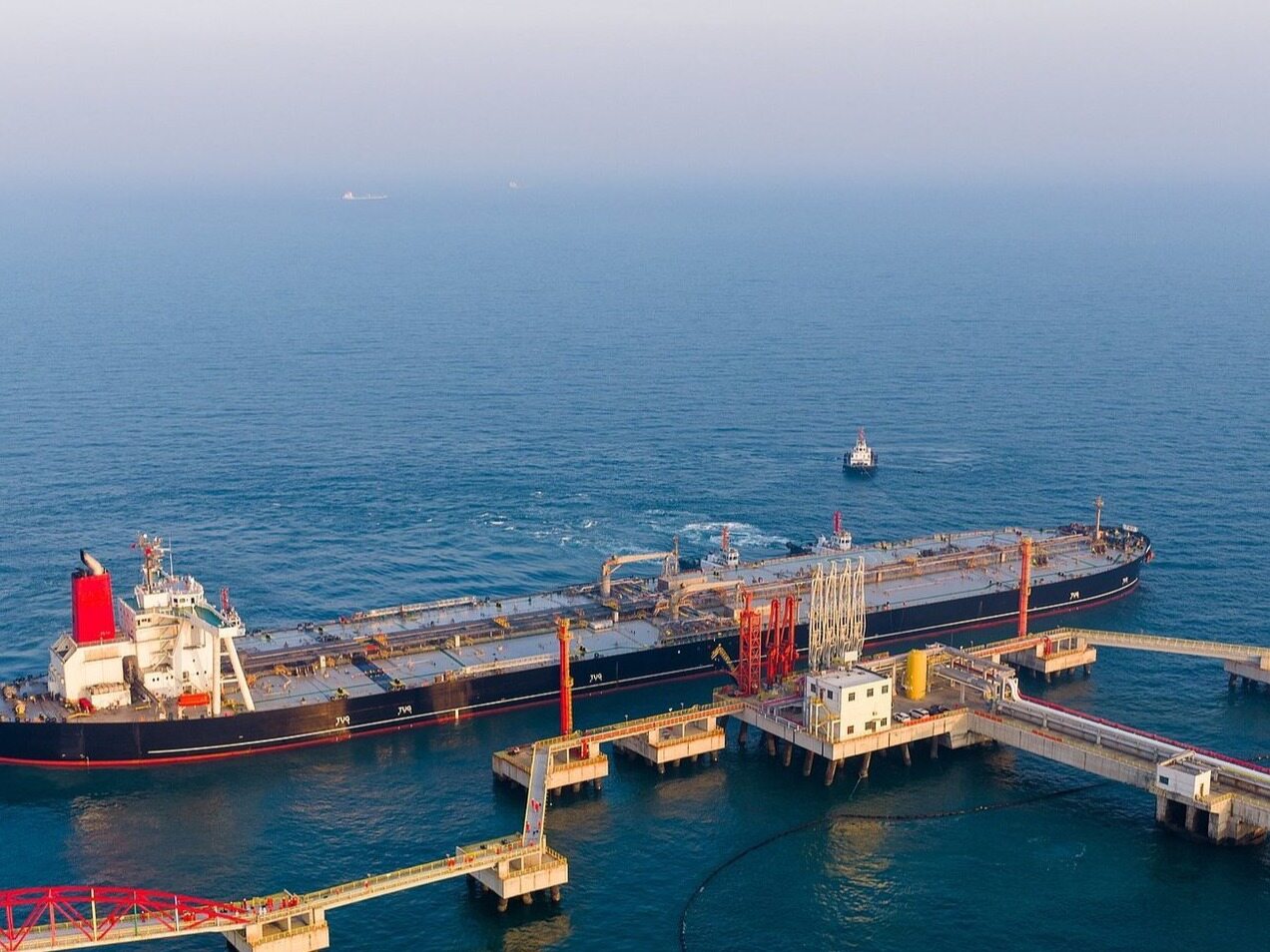
On June 30, 2026, the second phase of Xintian Port in Wanzhou, Chongqing officially passed the completion acceptance, and this key port on the upper reaches of the Yangtze River has been fully constructed, becoming a core water transportation node in the layout of the Chengdu Chongqing economic circle. The total investment of the project is about 1.7 billion yuan, jointly funded by Sichuan and Chongqing. It officially started construction in December 2021 and took nearly five years to complete all construction tasks.
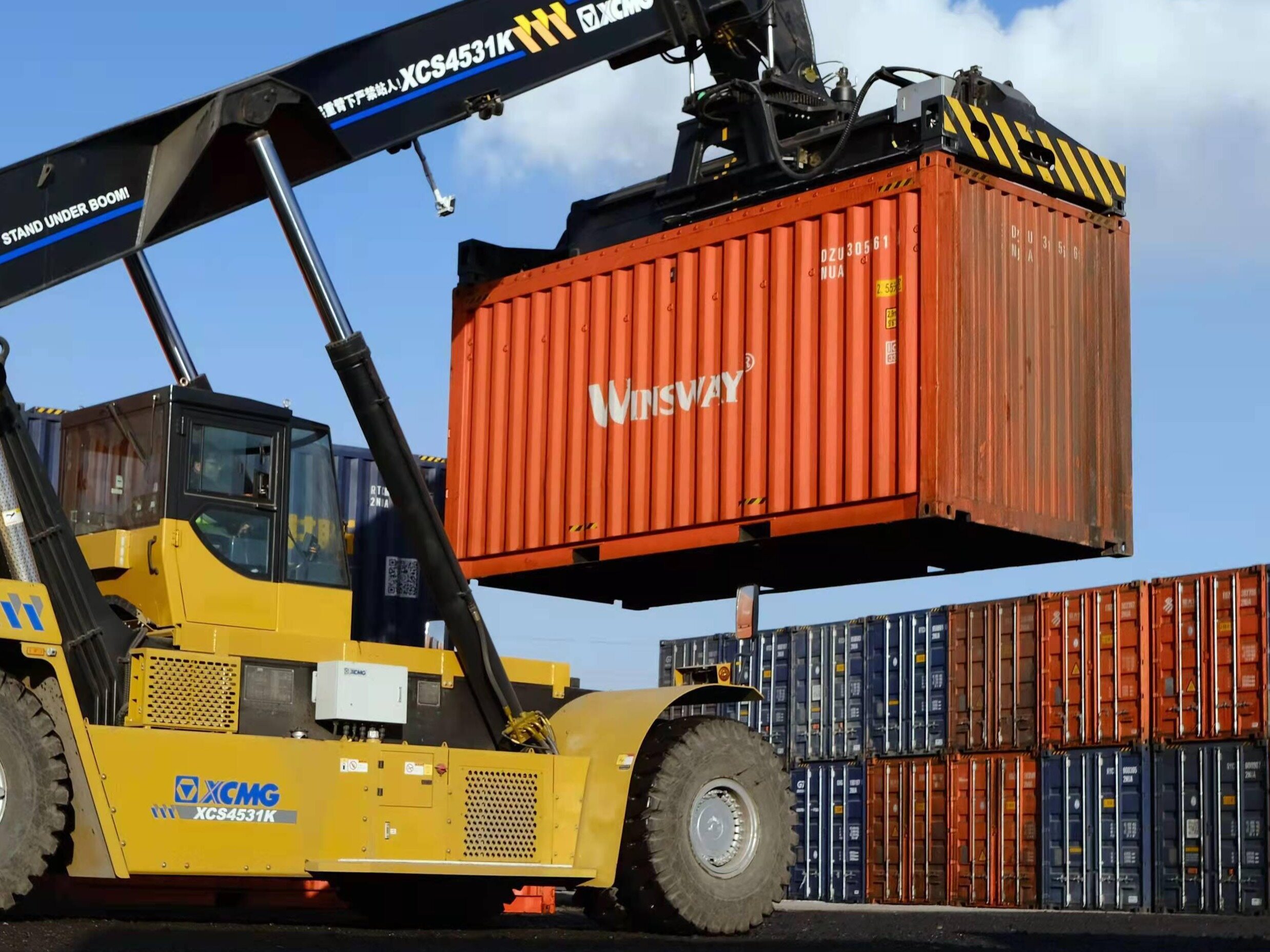
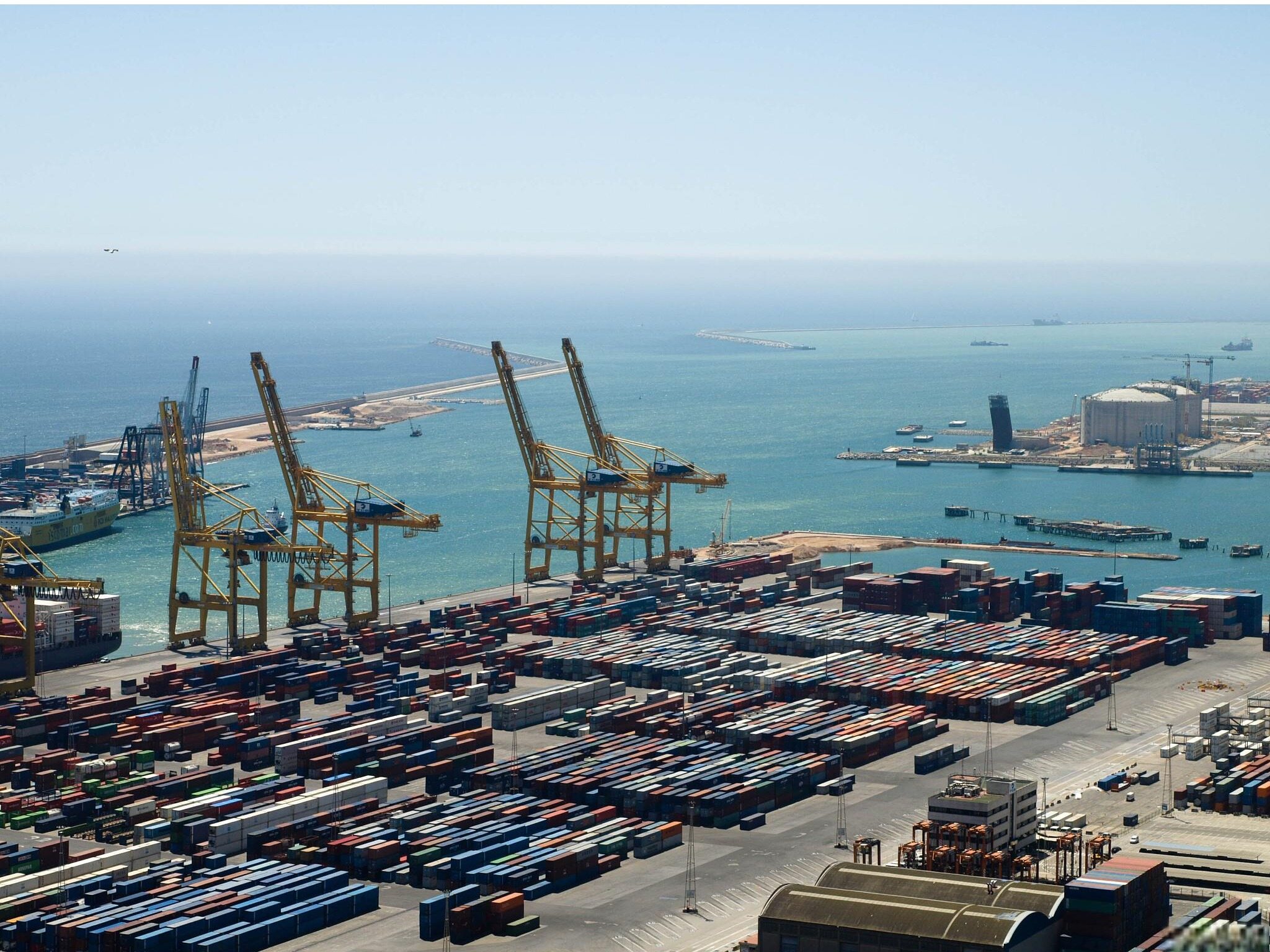
The newly built four 5000 ton bulk cargo berths, equipped with a brand new dock hydraulic system, contiguous land yards, and a complete set of specialized loading and unloading equipment, directly fill the gap in the port's bulk cargo throughput capacity.
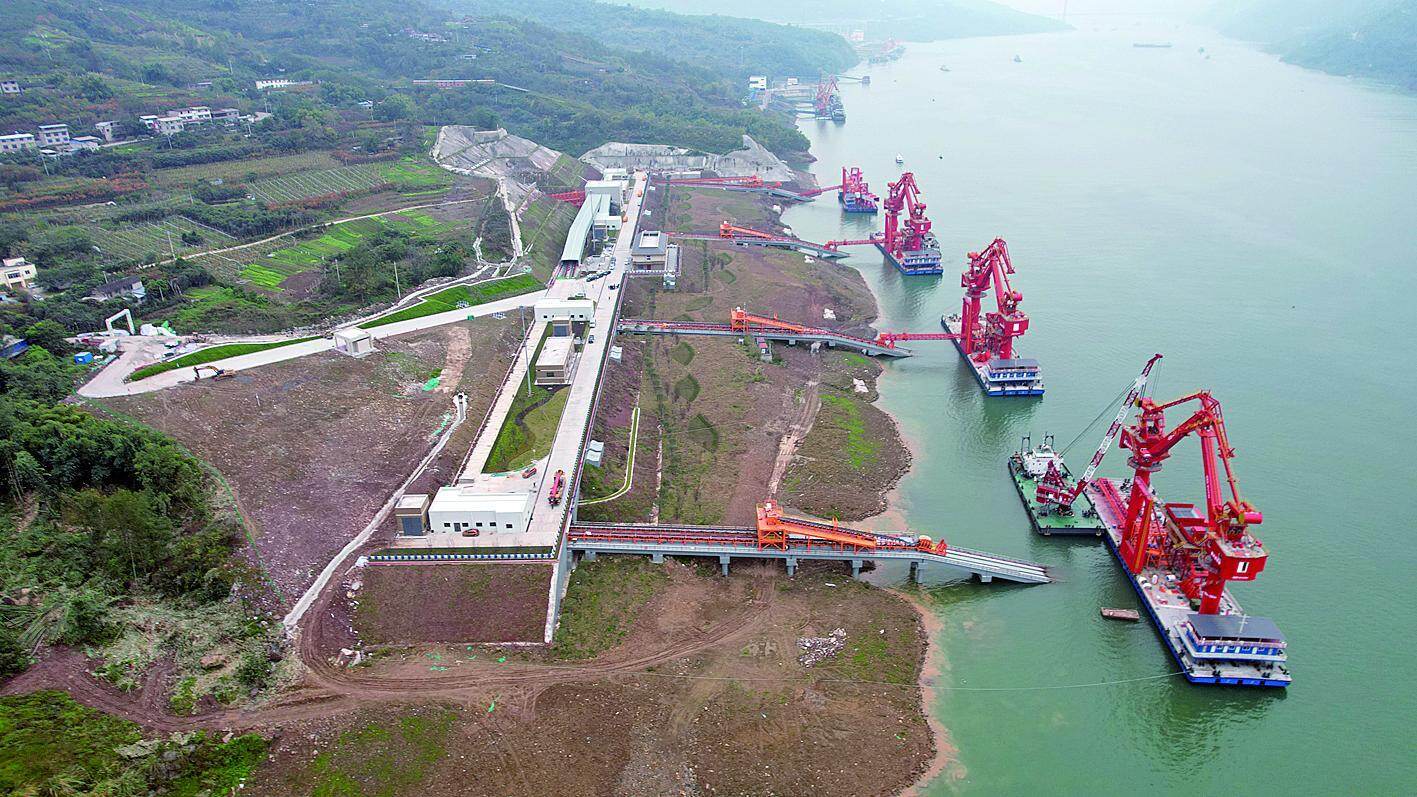
Multi modal transportation network connects the entire transportation chain
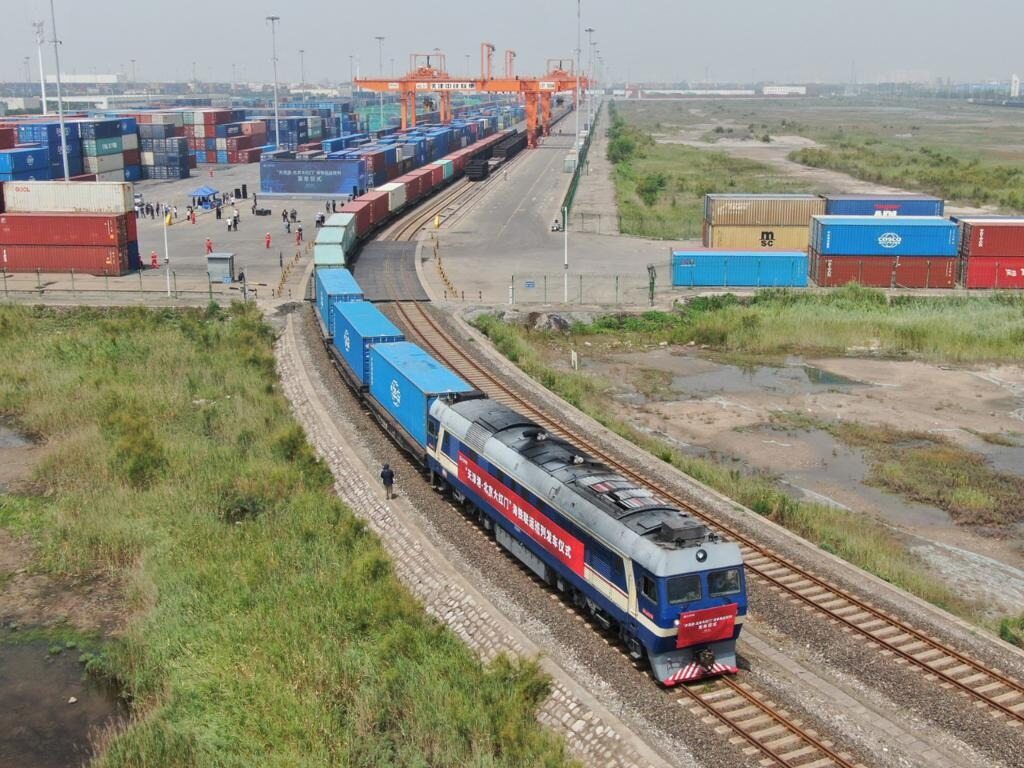
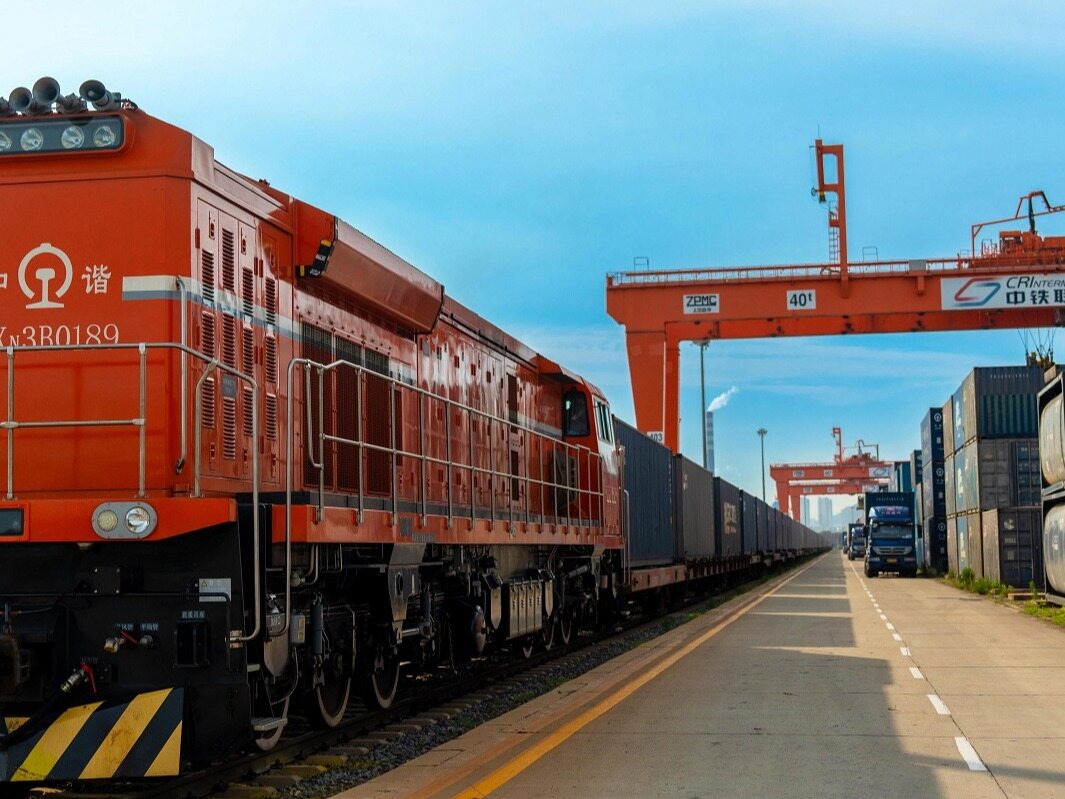
Xintian Port is one of the few deep-water ports in the upper reaches of the Yangtze River that can accommodate 10000 ton cargo ships year-round. The supporting dedicated railway line for entering the port has already been seamlessly connected with the Dawan Railway. A fully enclosed belt transportation system has been installed in the port area, allowing goods to be unloaded from the dock and directly transported to the railway yard through the belt without the need for secondary inversion. The loss in the transit process is minimized, and the comprehensive logistics cost of regional bulk cargo is also reduced accordingly.
After the first phase was put into operation, the annual throughput capacity of the port was 6.25 million tons. After the completion of the second phase, the annual throughput capacity of Hong Kong directly exceeded 21 million tons, fully unleashing the scale effect of the port, and it can undertake larger cargo flows without relying on diversion and queuing.
Thoroughly dredge the transportation channels outside the Sichuan Shaanxi region
In the past, bulk cargo from Northeast Sichuan and Southern Shaanxi often needed multiple transshipment detours to reach the sea, with long transportation cycles and high costs. Many local industrial and mining enterprises' external transportation needs were not fully met for a long time. After the second phase of Xintian Port is fully put into operation, it directly connects low-cost water transportation exports to this area. Local bulk goods such as coal, ore, and building materials can be directly transported to the middle and lower reaches of the Yangtze River market through intermodal transportation. Keywords: port logistics, core hub
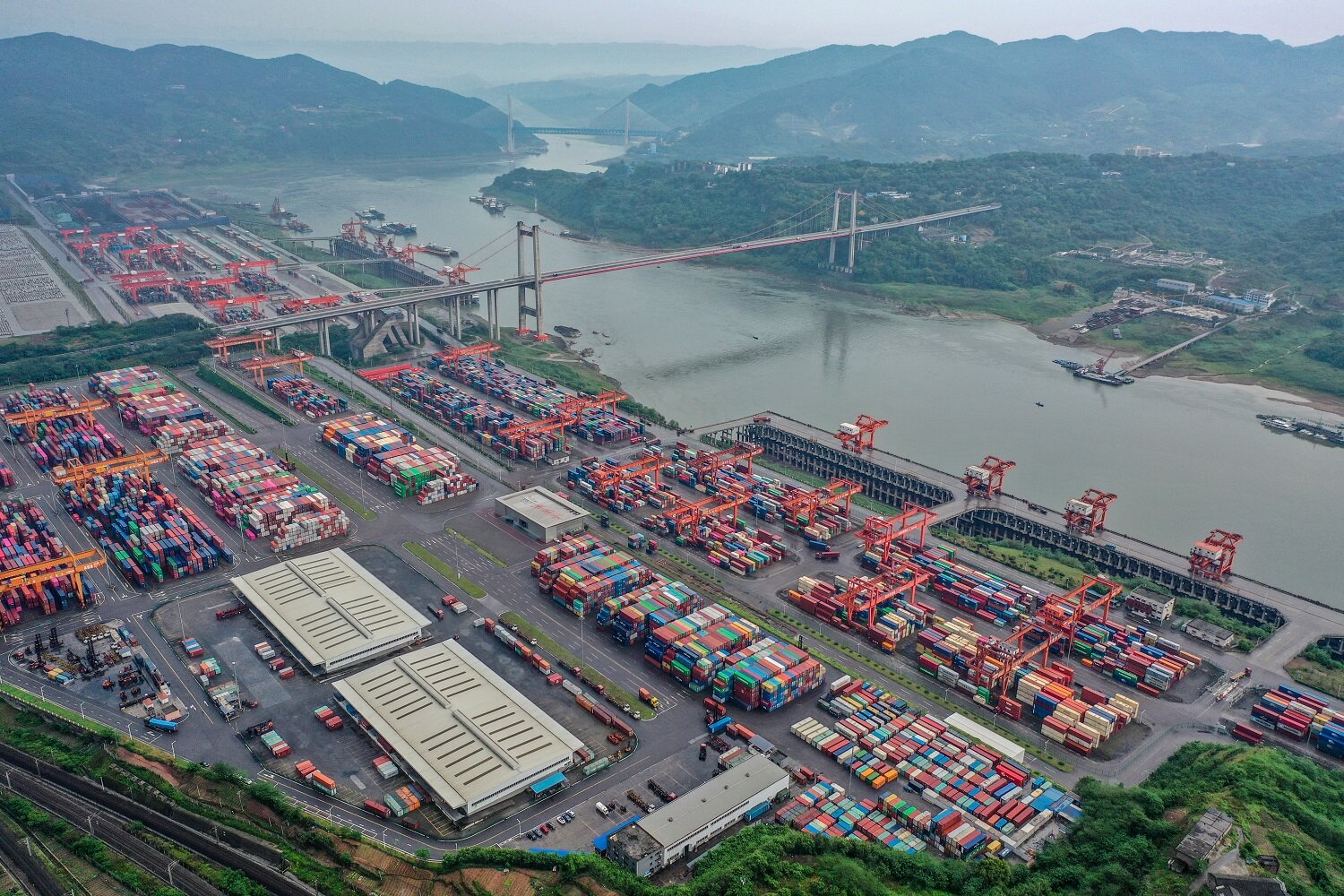
After the implementation of this project, the transportation interconnection between Sichuan and Chongqing has gained another key point, which can further drive the coordinated layout of industries along the line and connect the water transport links of the the Belt and Road and the Yangtze River Economic Belt more closely. In the future, Xintian Port will continue to promote the upgrading of supporting facilities and gradually build a regional bulk commodity distribution center that radiates Sichuan and Shaanxi, providing continuous water transportation support for regional economic development.Editor/Cheng Liting
Comment

 Praise
 Collect
 Comment

 Share
Share


Write something~