 Search


- Daxing Water Conservancy opens up new opportunities for water cooperation in North Africa
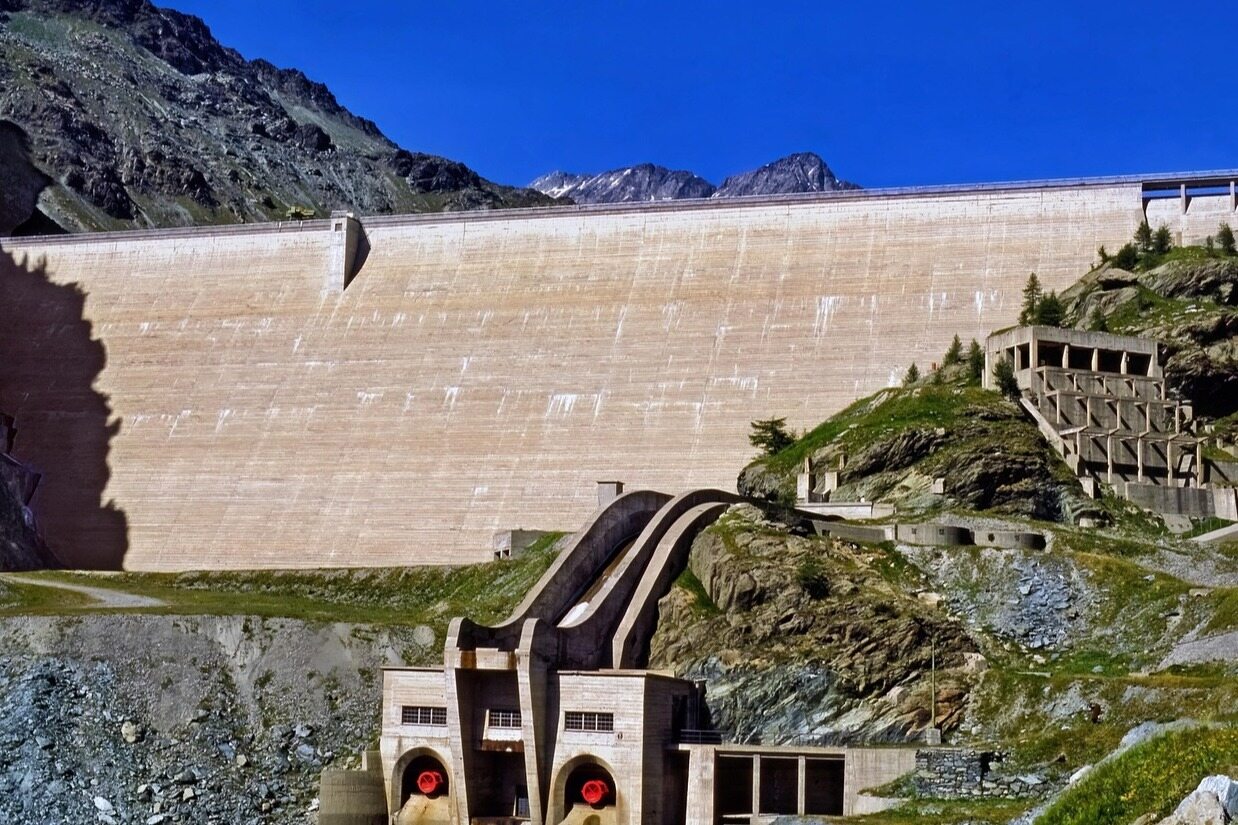
Affected by climate fluctuations, the water level of Moroccan reservoirs fluctuates dramatically, and after seven years of drought, rainfall has eased the drought. However, the problem of urban water supply shortage still exists. In order to overcome the dilemma of relying on natural water supply, the local government has vigorously promoted dam and seawater desalination projects. With the support of huge funds, it has also brought market opportunities for overseas engineering enterprises.
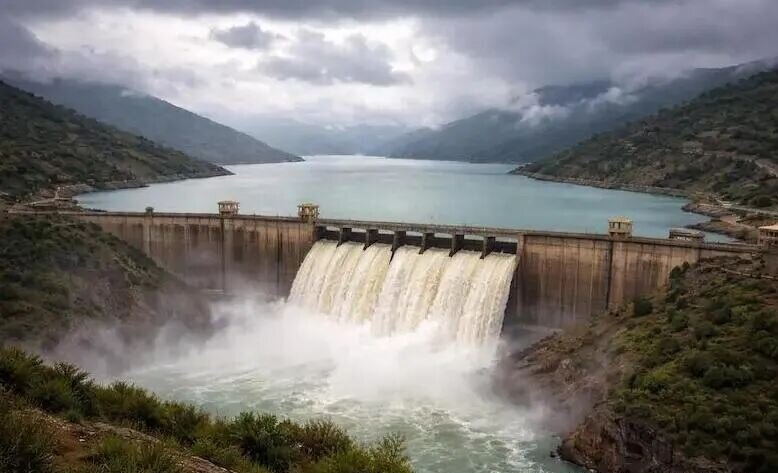
Hydrological fluctuation warning
In August 2026, the national dam storage rate in Morocco reached 68.79%, with a total storage capacity of 11.71 billion cubic meters, a significant increase compared to the same period in 2025. Previously, the water level was as low as 27.77%. Despite experiencing heavy rainfall and heatwaves, some cities still experienced water shortages, and there are still 30% to 40% of drinking water loss problems in the transmission and distribution network. The severe hydrological fluctuations have forced the local area to comprehensively accelerate the construction of water conservancy infrastructure and systematically resolve water safety hazards.
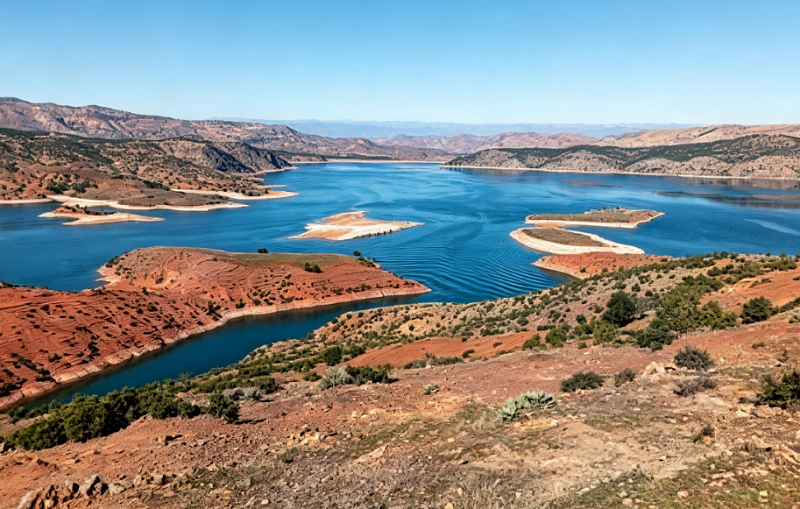
Centralized implementation of dam projects
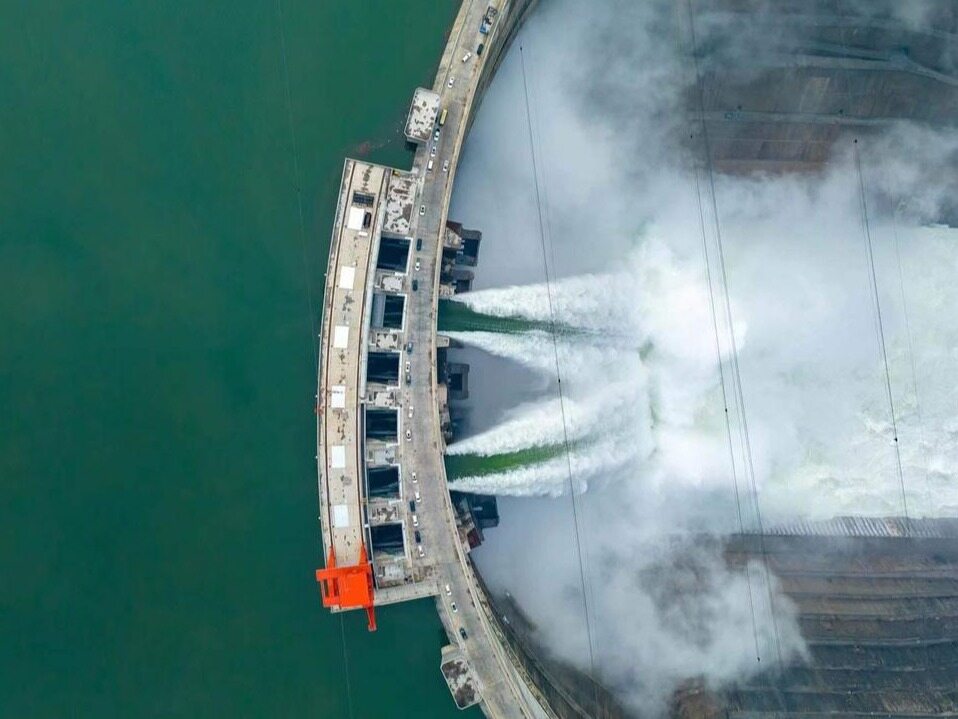
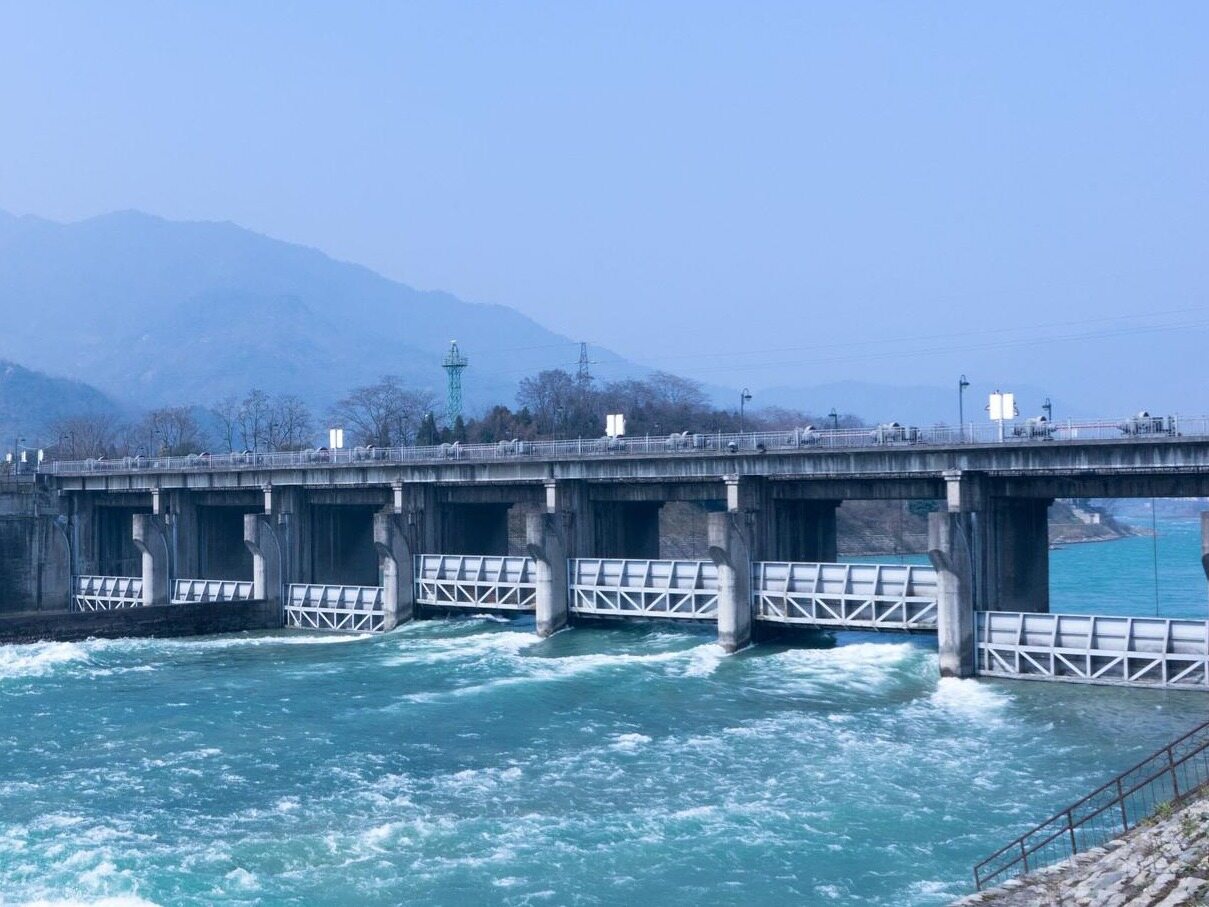
There are a total of 16 dams under construction in Morocco, with a total project scale exceeding 13 billion US dollars. Additionally, 11 new dams are planned to be launched between 2025 and 2027. Multiple key projects are progressing in an orderly manner, with a completion rate of 78% for KhengGrou Dam and over 93% progress for Tamri Dam. The Tfer Dam has a designed storage capacity of 400 million cubic meters and a construction period of 54 months. It is currently in the bidding stage, and the bidding deadline is August 27, 2026. After completion, it will solve the problems of floods and water shortage in the Lukus Basin.
Funds escort market opportunities
The national drinking water supply and irrigation plan invests 115 billion dirhams, combined with a 250 million euro loan from the European Bank for Reconstruction and Development, to provide financial support for water conservancy construction. The local plan is to meet 63% of the country's drinking water demand through seawater desalination by 2030. Large scale infrastructure releases the demand for full chain engineering, but the bidding threshold for projects is high. It is recommended that Chinese enterprises evaluate their qualifications and form a consortium to seize new opportunities in the North African water market. Keywords: Moroccan water infrastructure, dam construction, North African engineering market
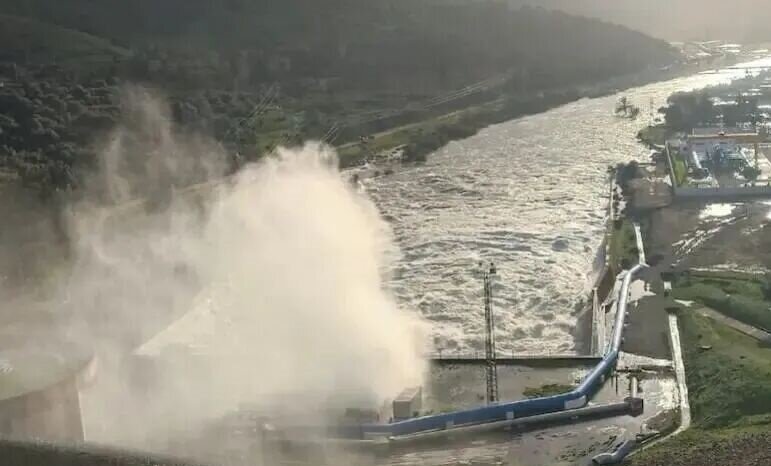
The water security construction in Morocco has shifted from emergency response to systematic promotion, with traditional dams and seawater desalination working in both directions. The huge infrastructure space has also created favorable conditions for Chinese water conservancy engineering enterprises to expand into the North African market.Editor/Min Jing
Comment

 Praise
 Collect
 Comment

 Share
Share


Write something~