 Search


- Integrated development of ecological industries in Gobi mines, setting a benchmark for dual carbon practices
- Multi path solution for low-carbon development in high-altitude mining areas in Heishan Coal Mine
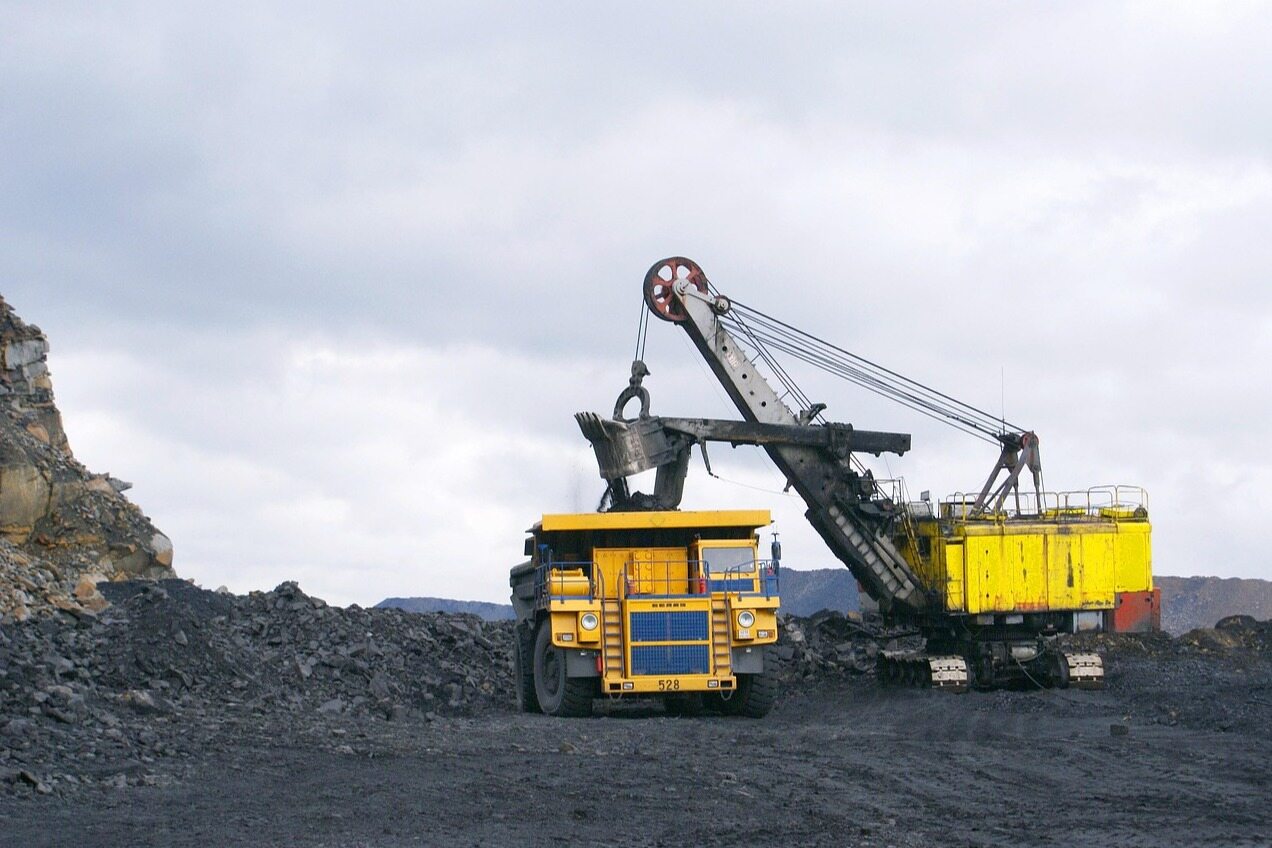
The Heishan open-pit coal mine in Toksun County, deep in the Tianshan Mountains, is located in a high-altitude barren desert. In the early years of mining, the mining area formed a large area of loose soil discharge slopes, and the soil was continuously eroded by sandstorms, salt and alkali, making ecological restoration extremely difficult. For many years, mines have abandoned extensive mining methods and simultaneously promoted landform management, low-carbon technology research and development, and photovoltaic green power layout. The three measures have been implemented simultaneously, gradually restoring vegetation cover in barren deserts and forming a replicable comprehensive management model for high-altitude mines. It has been awarded the national level green mine.
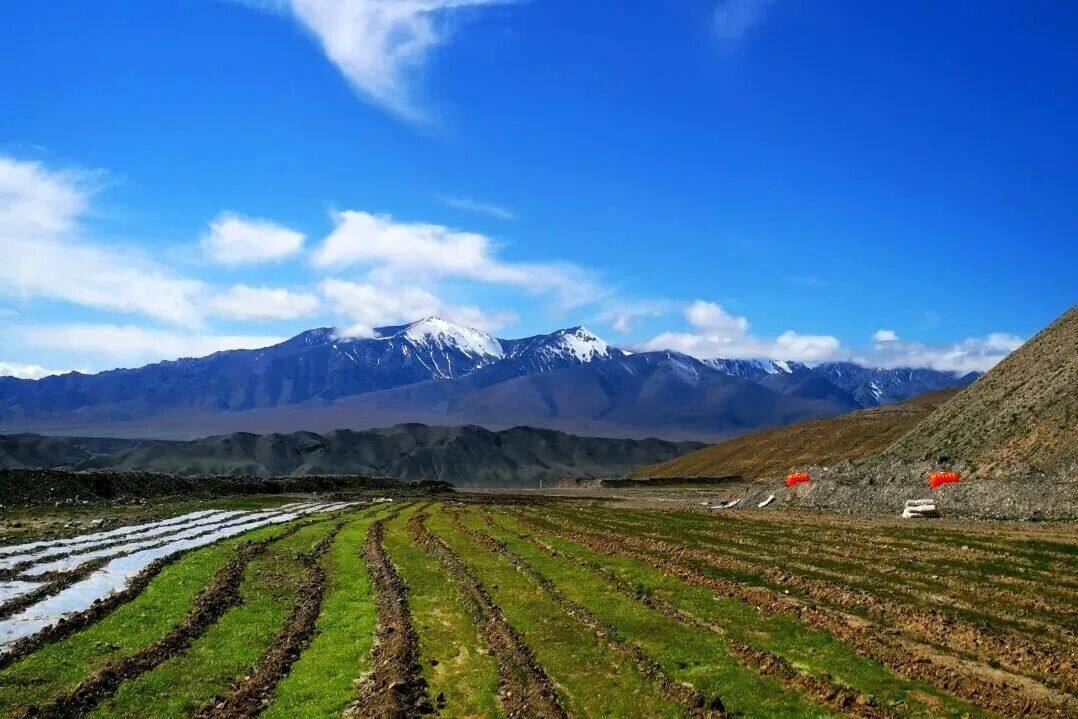
Reshaping the Gobi Ecosystem
The mining area strictly follows the principle of synchronous mining and restoration, and comprehensively implements slope regulation, soil improvement, and vegetation restoration projects. The technical team selects cold and drought resistant grass species combined with local shrubs, and uses multi-layer slope protection structures to stabilize the soil. Innovative composite improvement processes are used to adjust the indicators of severely saline alkali soil, and hydraulic spraying and water-saving drip irrigation are used for fine management and protection. This creates a continuous ecological corridor in the abandoned waste dump, effectively preventing soil erosion and desertification from the root cause.
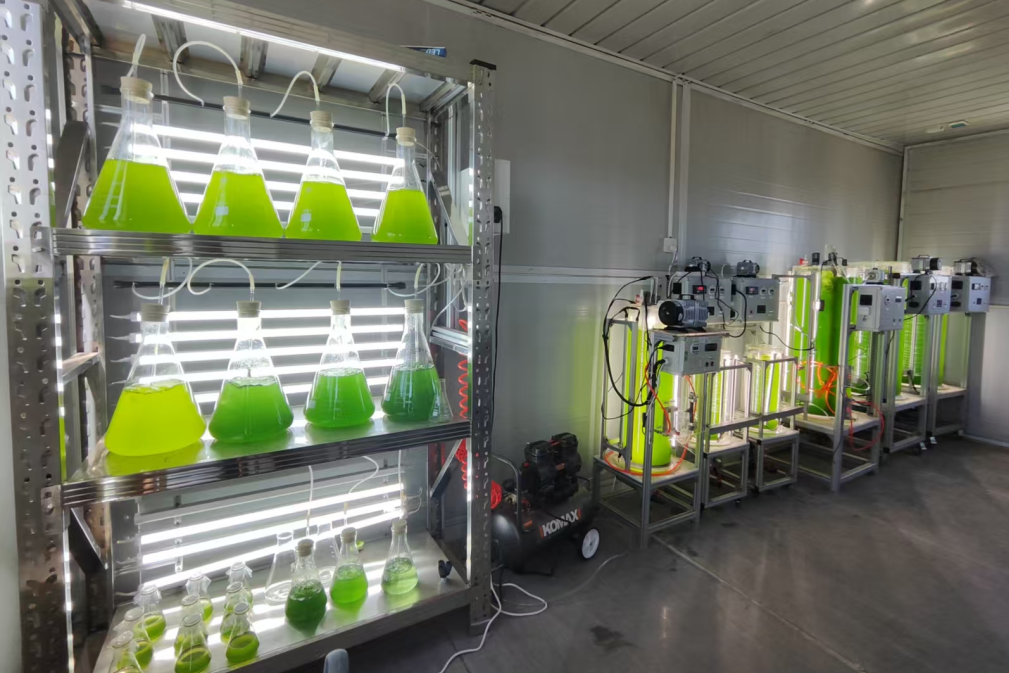
Sci tech microalgae help reduce carbon emissions
The mining joint scientific research institution relies on local blue-green algae resources to carry out three-year technical research and development, establish a standardized algae seed bank, cultivate carbon fixing algae strains using mine water inflow, and create a microalgae joint remediation model. The demonstration area of Qianping has formed a biological crust, with simultaneous increase in soil moisture content and organic matter. The overall restoration cost has decreased by 20%, and multiple patents have been obtained for related technologies, providing a new solution for low-cost carbon sequestration management in arid mining areas.
Photovoltaic green electricity reduces costs and increases efficiency
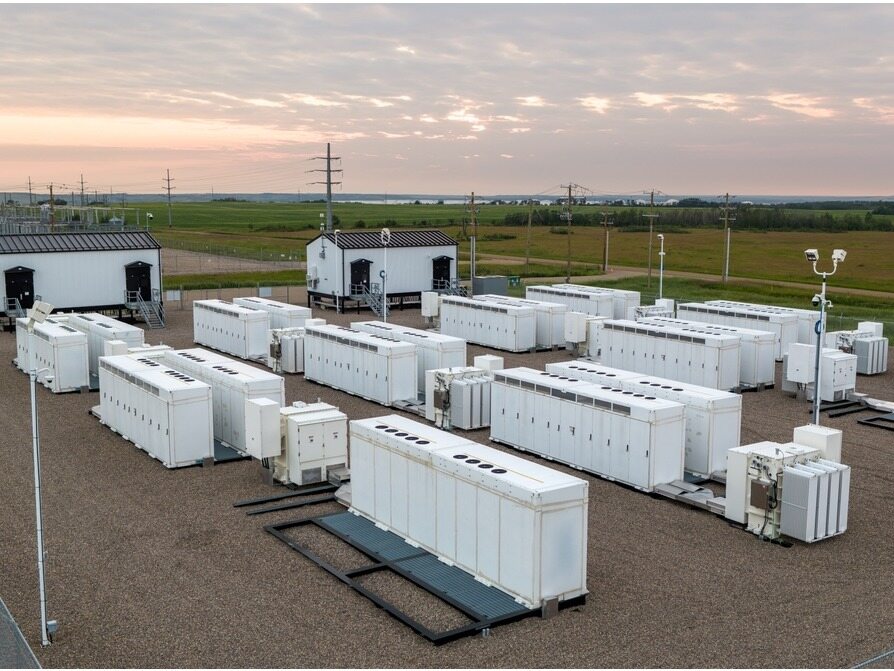
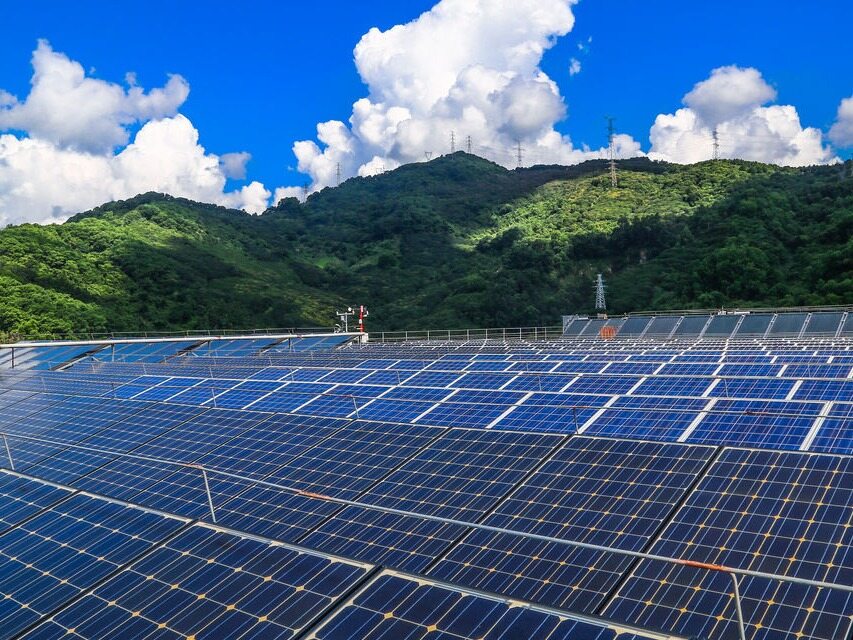
The mining area has built a 20 megawatt distributed photovoltaic system with six megawatt hours of energy storage in high-altitude mining areas in Xinjiang. Since December 2025, it has generated over 3.36 million kilowatt hours of electricity and more than 60% of the electricity has been consumed on-site. After the project operates at full capacity, it will reduce carbon dioxide emissions by 27400 tons annually. In the future, it will be equipped with mining card charging facilities and build a closed loop for on-site application of photovoltaic energy storage, continuously reducing the cost of purchasing electricity outside the mining area and the total carbon emissions. Keywords: coal mines, ecological restoration of mines
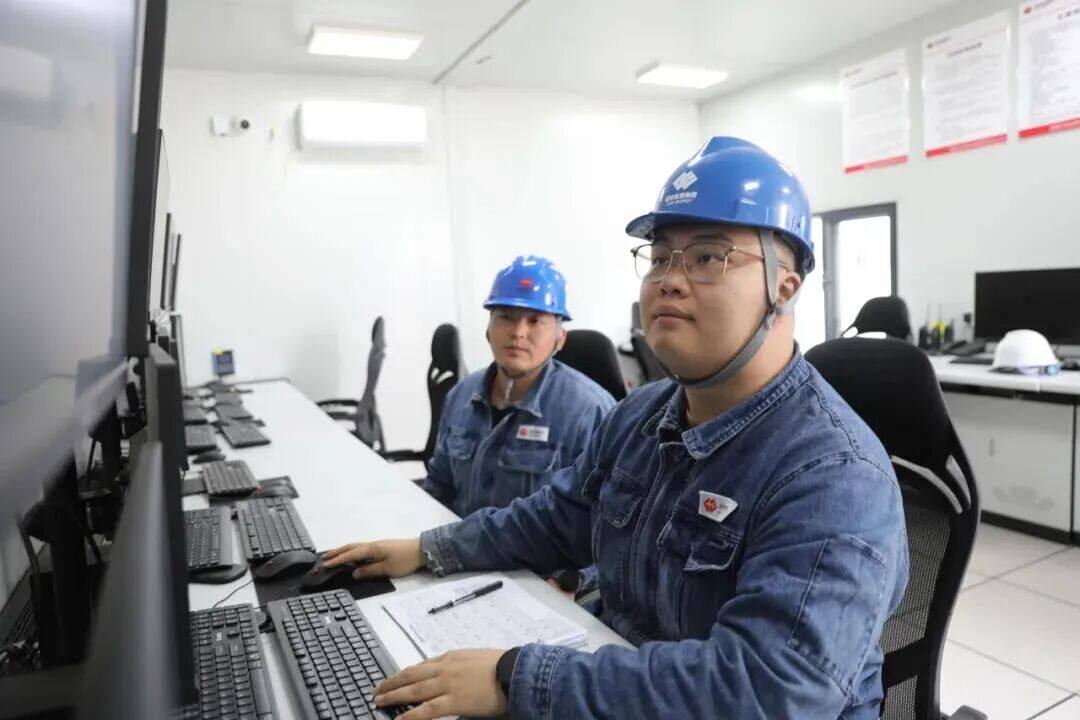
Years of continuous construction have enabled Heishan Coal Mine to form an integrated development pattern of ecological restoration, microalgae carbon sequestration, and clean energy. The next step for the mining area is to continuously expand the scope of ecological restoration, accelerate the scale promotion of microalgae technology, expand the scale of photovoltaic installation, continuously improve the entire industry chain system of green mines, and provide mature practical references for similar Gobi open-pit mines nationwide to implement the dual carbon goal.Editor/Min Jing
Comment




 Praise
 Collect
 Comment

 Share
Share


Write something~