 Search


- Nigeria restarts steel mills that have been on hold for 40 years and is in talks with Chinese companies for cooperation
- The implementation of a 20-year gas supply agreement has led to two major cooperation tracks: derived energy and pipe materials
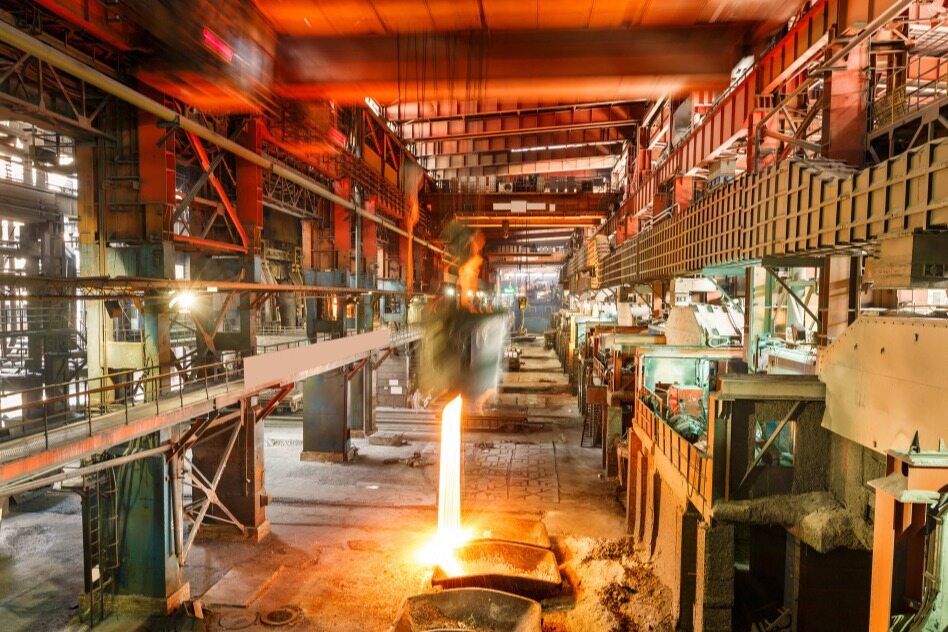
The largest steel consortium in Africa, which has been dormant for over forty years, has once again been pushed to the negotiating table. When the Nigerian government announced that it is in deep talks with Chinese companies and striving to sign a revival agreement by the end of the year, practitioners familiar with the West African market may have mixed feelings - this is not the first time news of an impending restart has been reported in Ajokuta, but every time it has been hindered by equipment aging, energy scarcity, and operational quagmire. This comeback, if Chinese enterprises really want to enter the market, they must be more aware than any previous partner: this is not a gambling style factory wide general contracting, but a staged industrial redemption that requires actuarial risk calculation.
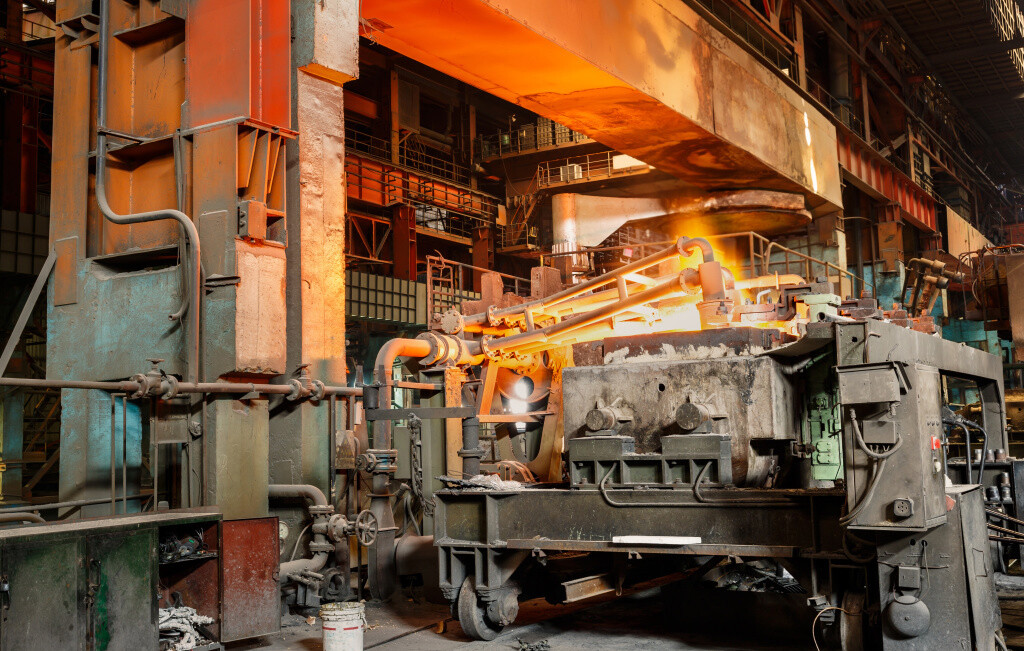
The double-edged sword of division mode
Adopting a production sharing model instead of asset acquisition is a compromise that the Nepalese side can accept - the ownership of steel mills still belongs to the government, and the Chinese side relies on future product returns to recoup costs. This avoids the minefield of state-owned asset sales politically, but puts higher demands on Chinese enterprises commercially: you cannot obtain fixed asset collateral, and the return depends entirely on whether steel mills can stably produce steel, whether products can be sold smoothly, and whether foreign exchange can flow back in compliance. However, the reality is that Ajiukuta has been relying on finance to support its people for years and has almost never achieved full process mass production. The upstream iron ore and downstream power grid are still in question. The logic of "trading future returns for current investments" tests the ultimate control of long-term risks by enterprises.
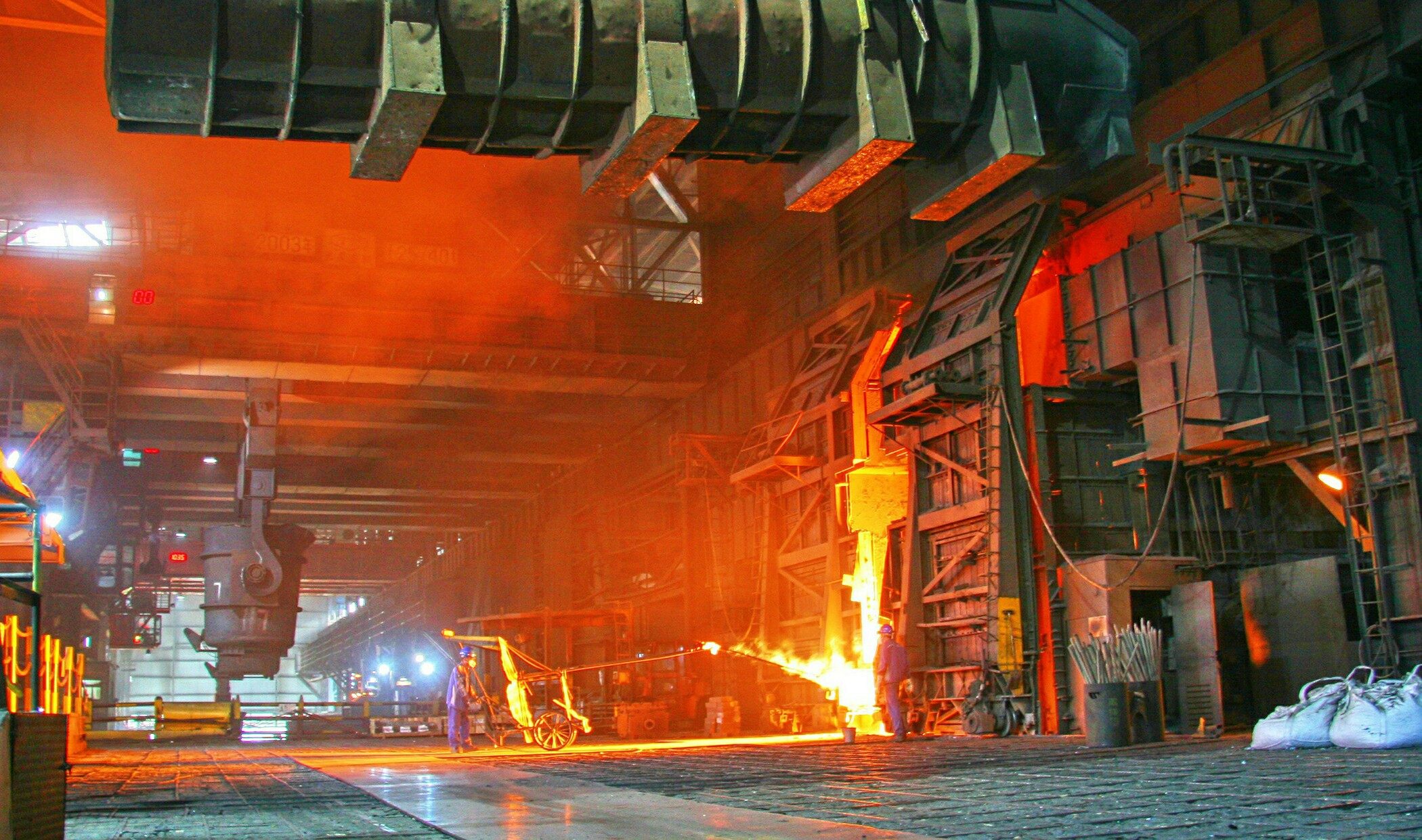
From the entire process to the initial rolling of steel
The most rational strategy for Chinese enterprises in the face of the current situation of numerous problems should be "dimensionality reduction and step-by-step verification". The industry consensus is already clear: prioritize the repair of rolling mills and public auxiliary facilities in the first phase, and implement a small production sales loop for externally purchased steel billets to quickly generate cash flow before discussing expansion. This is far more responsible than promising a full process steelmaking revival. It is worth noting that supporting gas power plants, pipe processing, and gas supply projects, with the support of oil and gas pipeline construction, may actually become earlier opportunities for realization. This path of starting with the easy and then the difficult, using points to cover the surface, is the most practical answer to historical legacy issues.
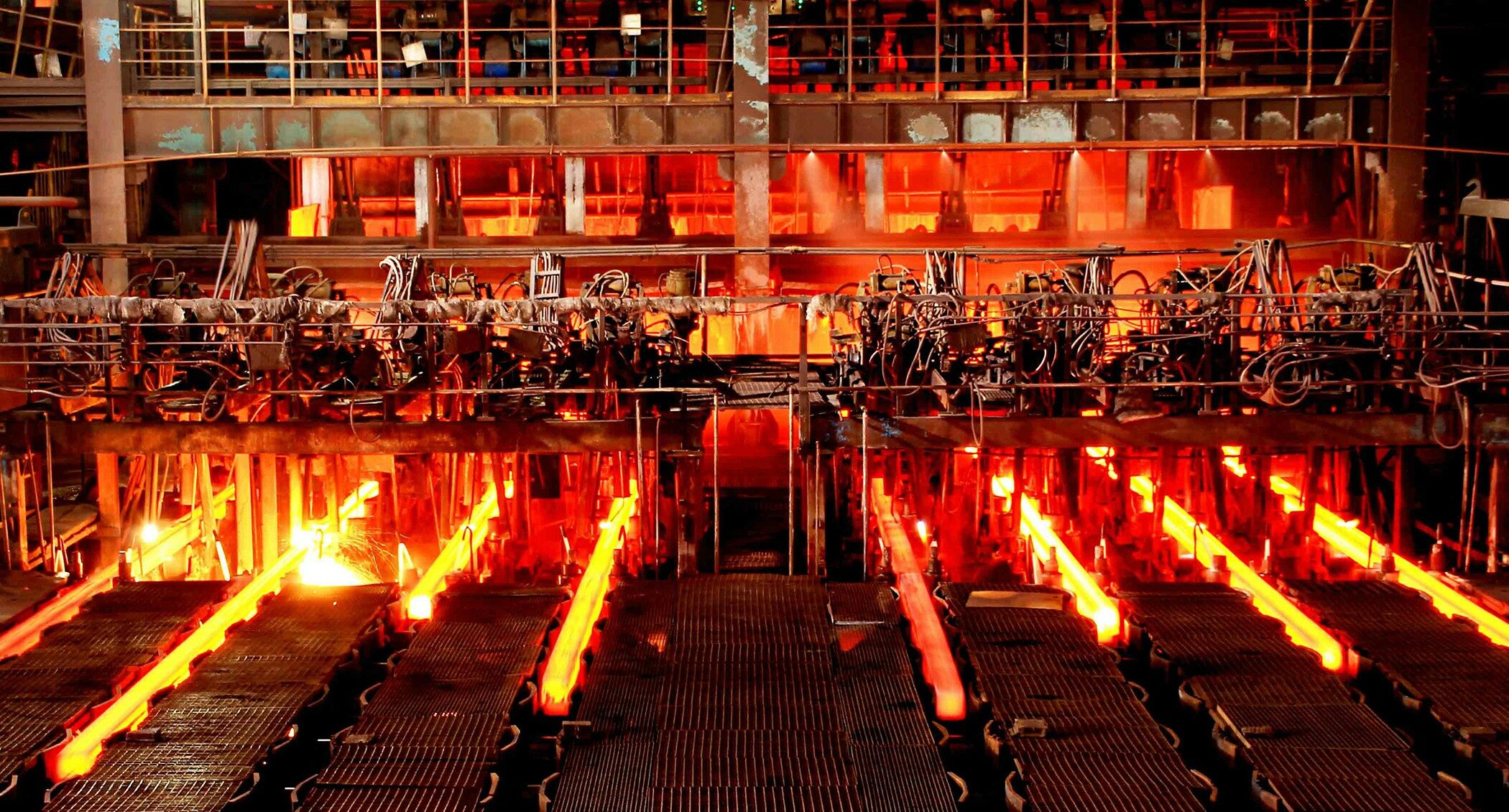
Compliance red line and risk isolation
Beyond industrial technology, compliance risk is another hidden barrier. The steel plant planning involves the production of armor and military components, which means that the cooperation of related equipment crosses the red line of dual-use control. Enterprises must clearly state the purpose of equipment and the boundaries of rights and responsibilities in the contract, and should not replace legal terms with verbal understanding. In addition, the instability of the interruptible gas source reminds us that the construction of backup power supply is urgent. It is recommended that Chinese enterprises verify the three core aspects before entering the market: the qualifications of the cooperating parties, the exact scope of the first phase of renovation, and the implementation of the gas supply agreement. Maintaining a wait-and-see attitude and conducting acceptable subcontracting projects before the fog clears is the true attitude of being responsible for the project and one's own overseas assets. Keywords: Ajokuta Steel, Nigeria, Chinese Enterprises Going Global
If we can steadily implement this model, Ajiukuta may be able to escape the fate of a unfinished sequel and become one of the few replicable Chinese solutions in the West African heavy industry field.Editor/Gong Ziwei
Comment


 Praise
 Collect
 Comment

 Share
Share


Write something~