 Search


- Vietnam's first electrolytic aluminum plant put into operation, reshaping the global aluminum landscape
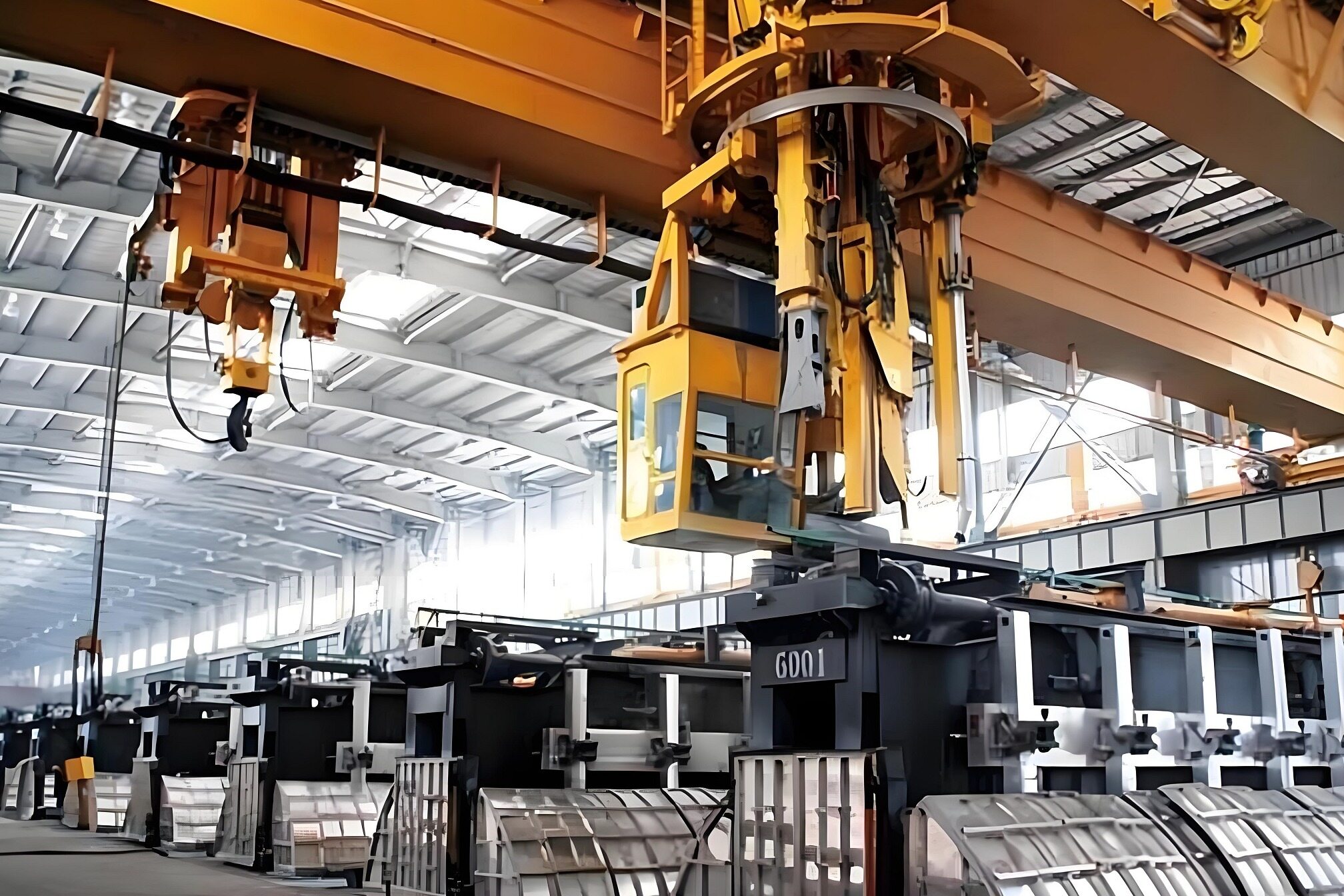
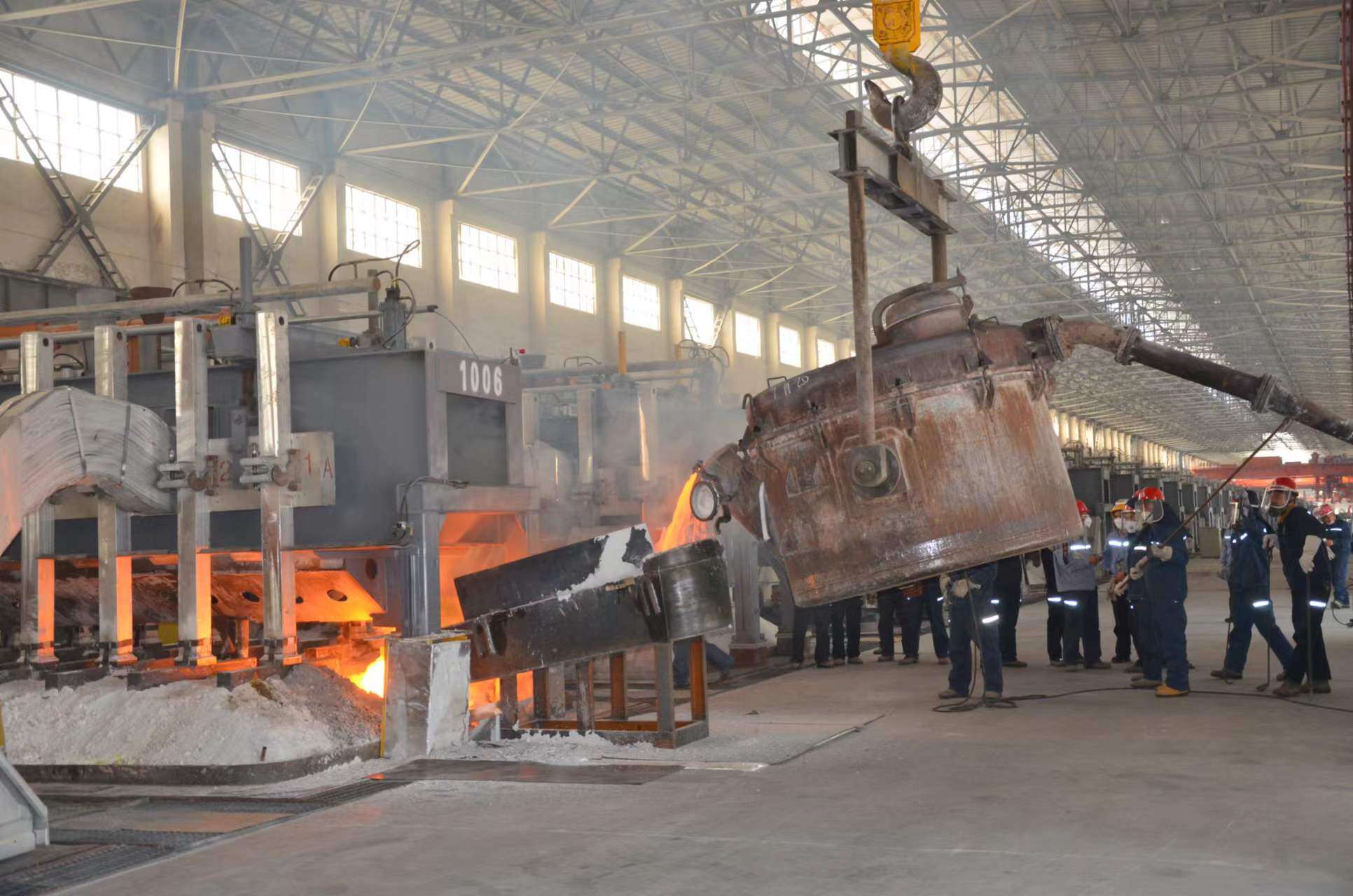
In the Huoguang Yinghong workshop of the electrolytic aluminum plant in Duonong Province, Vietnam, the hot aluminum liquid slowly flows out of the electrolytic cell and is injected into the casting mold. At this moment, Vietnam has ended its history of having no local primary aluminum production capacity. On July 10, 2026, the Vietnam Duonong Electrolytic Aluminum Plant, constructed under the general contracting of China National Chemical Corporation, successfully produced the first batch of primary aluminum. The first phase with a production capacity of 150000 tons will be fully put into operation in August, and the third phase will be completed by February 2027, with a total production capacity of 450000 tons.
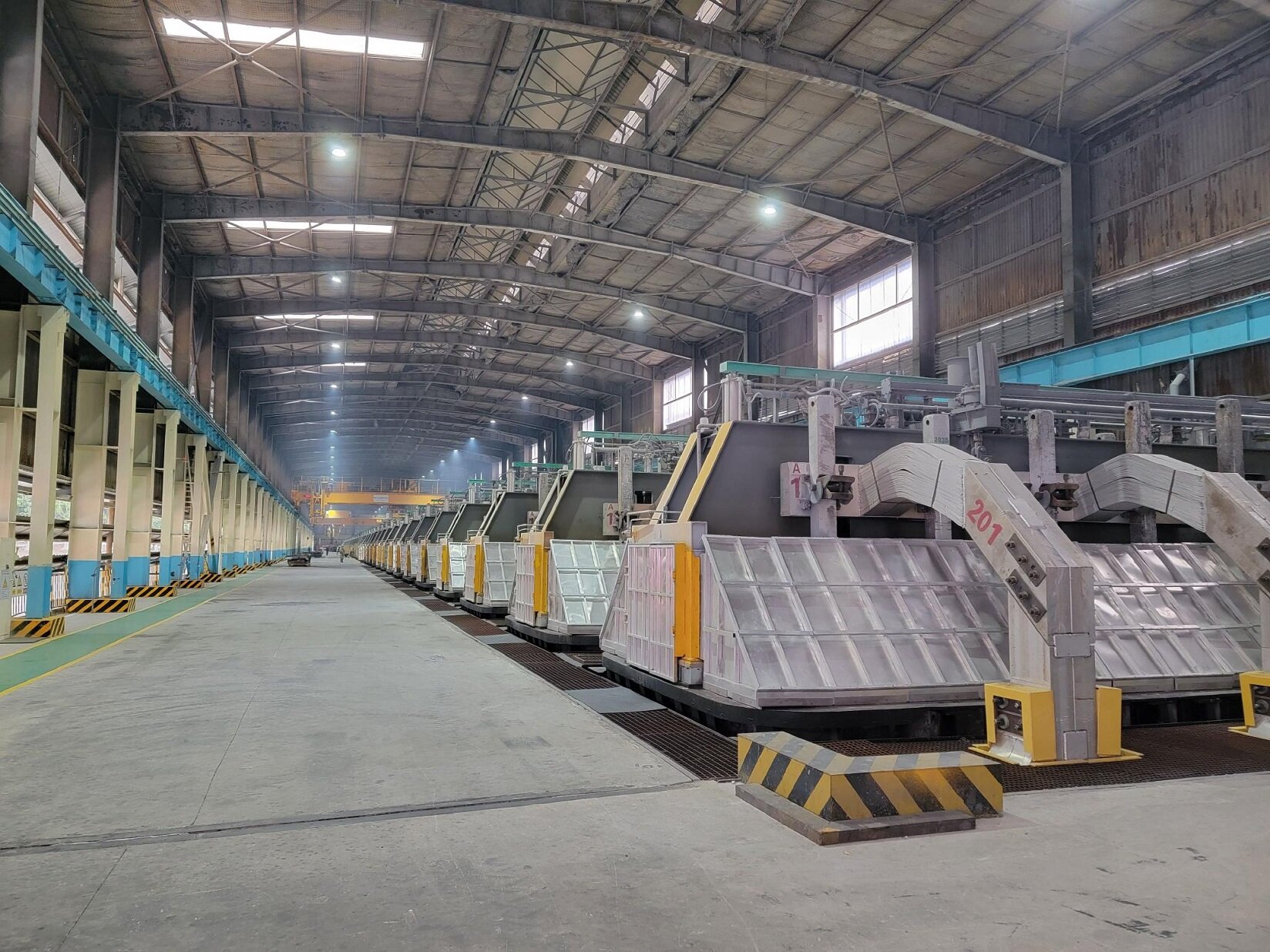
Restructuring of Southeast Asian Aluminum Industry Pattern
The total planned production capacity of the project is 450000 tons, which will be put into operation in three phases. The first phase will produce 150000 tons of aluminum in July 2026, the second phase will be expanded to 300000 tons in November 2026, and the third phase will be completed in February 2027 to achieve full production capacity. The project is equipped with domestically produced NEUI500kA large-scale electrolytic cell technology, and the investor is Vietnam's Chen Hongquan Metallurgical Investment Company. China National Chemical Corporation is responsible for the overall design, complete equipment supply, and civil construction EPC general contracting of the entire process. Relying on the origin rules of the CPTPP in Vietnam, finished aluminum products processed using local aluminum ingots can avoid anti-dumping duties and EU carbon border taxes, making Vietnam a new springboard for regional aluminum processing exports.
Dual impact interweaving
On the positive side, domestic aluminum smelting equipment and EPC engineering services have opened up overseas incremental space. The 500kA complete set of technology has been verified to be able to replace European and American solutions. In the future, new projects in Indonesia, Laos, and other countries will prioritize domestic general contracting. Domestic new energy high-precision aluminum materials have deep technical barriers, and the export of high value-added products such as battery aluminum foil and aviation thick plates below 12 μ m is not affected by Vietnam's production capacity impact. In terms of challenges, domestic aluminum ingot exports to Vietnam will significantly shrink, putting pressure on traditional traders' profits; Vietnam relies on the advantages of low-cost thermal power aluminum and duty-free exports, and low-end building profiles will directly compete with domestic small and medium-sized processing plants, accelerating the clearance of outdated production capacity. Southwest Hydroelectric Aluminum, with its low-carbon advantage of only 1.8 tons of CO ₂ e per ton of aluminum, can still maintain a premium of 500 to 600 yuan per ton under the EU carbon tariff, highlighting its carbon cost advantage. Keywords: Southeast Asian news and information, electrolytic aluminum
Four types of enterprises each seek a way out
Electrolytic aluminum enterprises should focus on the production capacity of Southwest hydropower and green electricity, and simultaneously layout joint venture projects for deep processing in Southeast Asia. Aluminum processing enterprises need to accelerate the elimination of low gross profit ordinary building profiles and transform towards battery aluminum foil and automotive lightweight panels. Commodity traders should reduce the import and export of ordinary aluminum ingots and shift towards high-precision aluminum materials, bauxite, and local warehousing and logistics in Southeast Asia. Aluminum equipment and EPC engineering service providers should replicate the Vietnamese general contracting model, export domestic smelting technology in complete sets, and seize regional new project orders. In the short term, the gradual release of Vietnam's production capacity over the past three years has limited impact on domestic aluminum prices, with equipment and technology exports benefiting first; The trend of capacity expansion in Southeast Asia in the medium to long term is determined, and enterprises with low-carbon capacity, high-end deep processing, and overseas layout capabilities will continue to lead the way.Editor/Gao Xue
Comment



 Praise
 Collect
 Comment

 Share
Share


Write something~