 Search


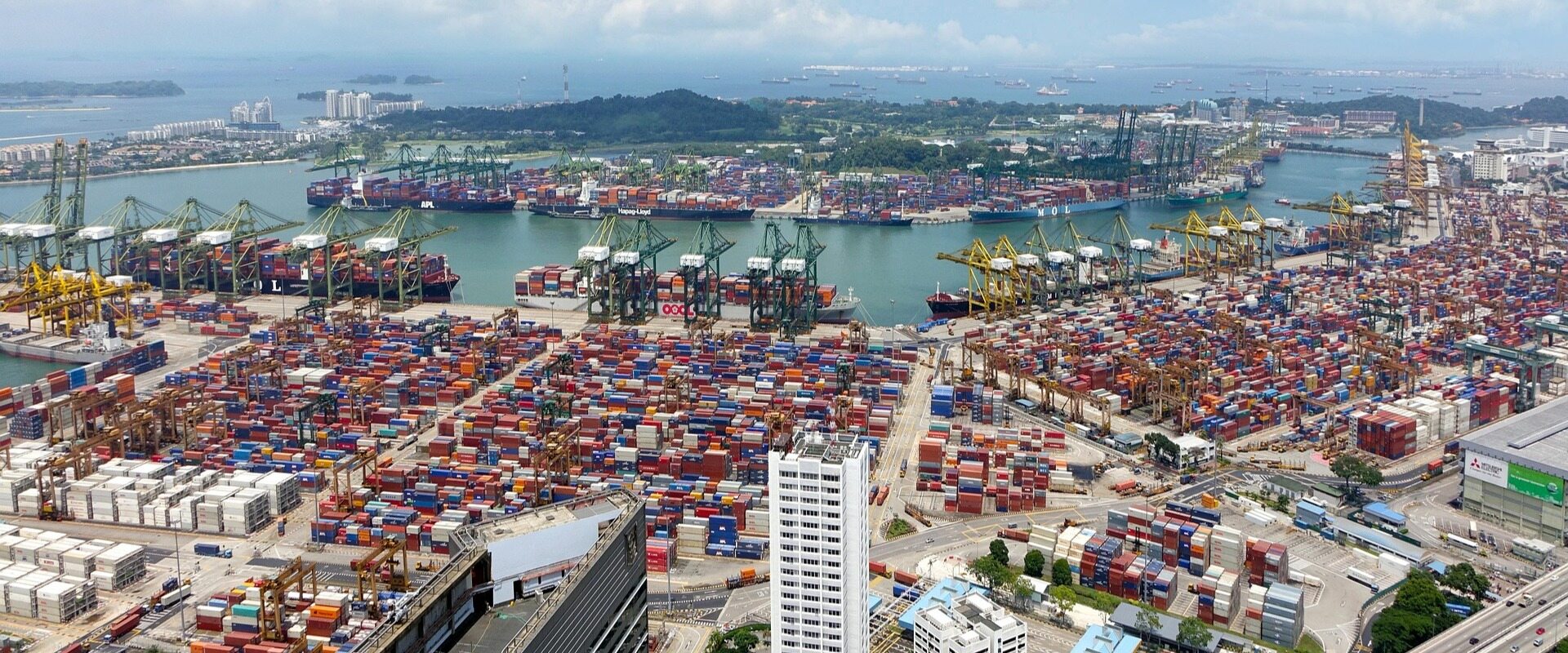
- Over 21% of high export growth breaks the long-standing surplus pattern, resulting in a temporary deficit of 16.65 billion US dollars
In the first half of 2026, Vietnam's total import and export volume will approach 550 billion US dollars, with a year-on-year growth rate exceeding 27%. The export side will maintain a high growth rate of over 21%, far exceeding the annual target set at the beginning of the year. This data is particularly impressive against the backdrop of the overall slowdown in global trade, and has further elevated Vietnam's weight in the regional supply chain. But the pattern of consecutive years of trade surplus has been broken, and the temporary deficit of 16.65 billion US dollars is forcing local industries to complete a new round of structural adjustment.
The increase in trade deficit caused by production-oriented imports is not due to overheating on the consumer side
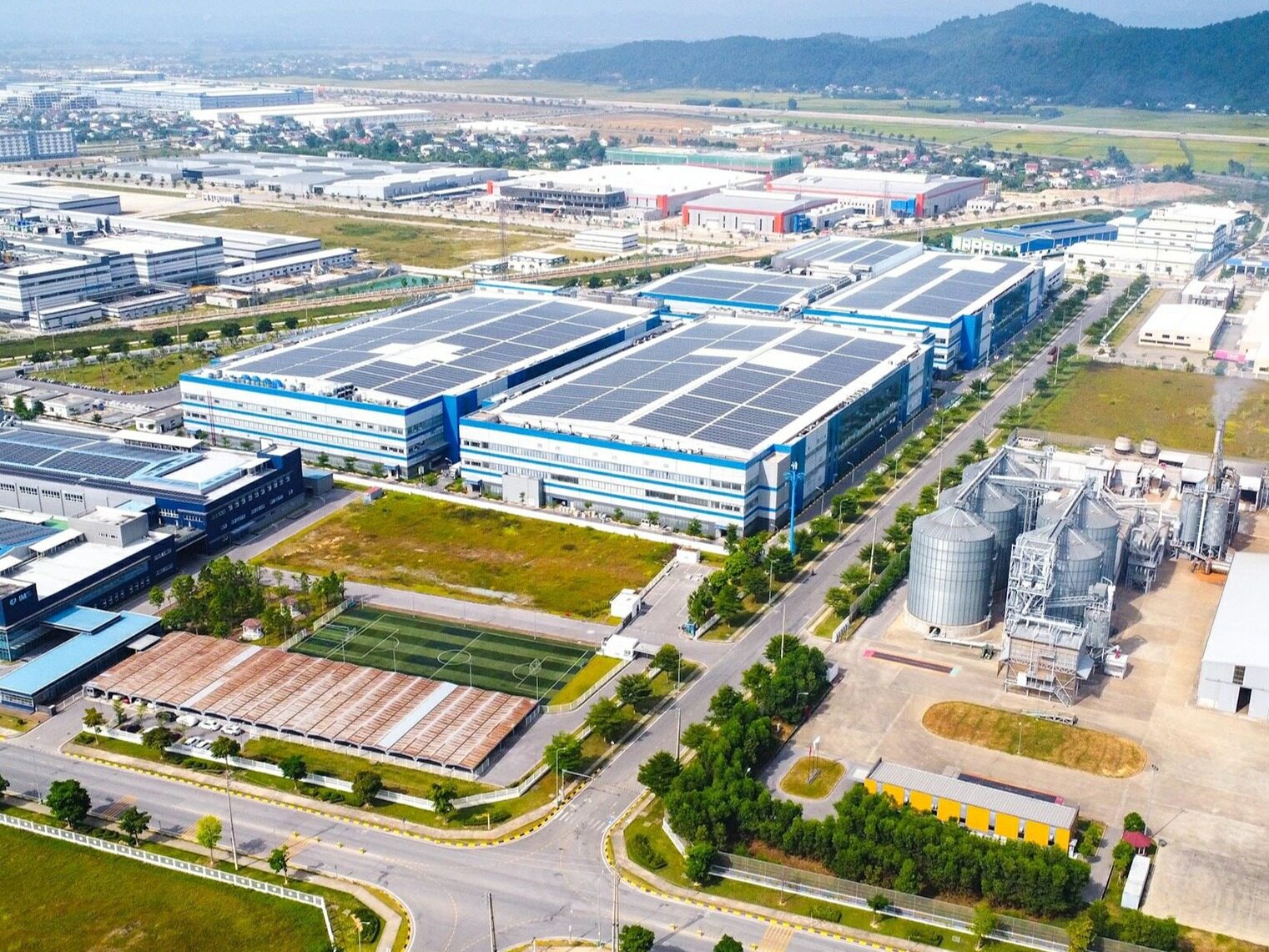
From the perspective of import structure, 88% of the inflow funds are concentrated in the fields of machinery and equipment, energy, production raw materials, and core components, with a very low proportion of consumer goods. Samsung LG、 Top multinational corporations such as Foxconn are still expanding their production capacity in Vietnam, and the large number of equipment purchases for new production lines has directly driven the growth rate of imports. This investment is essentially paving the way for export growth in the second half of the year and even next year.
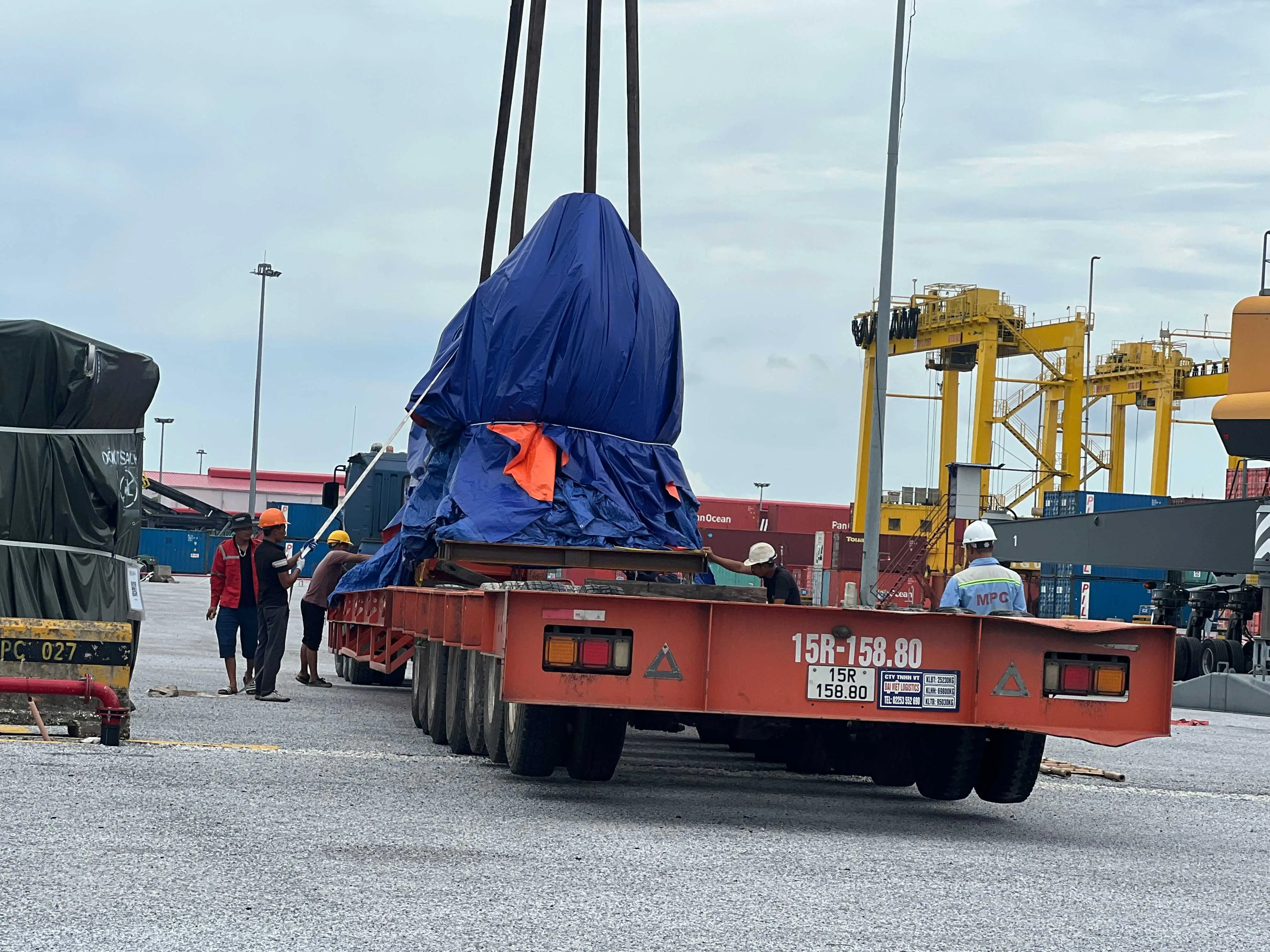
The Vietnamese Ministry of Industry and Trade has explicitly stated that the current trade deficit is a normal phenomenon during the period of industrial expansion, rather than a structural imbalance caused by overheated domestic consumption. As new projects gradually release production capacity, the subsequent increase in export volume will gradually digest the current import pressure.
Export pillar industry orders are scheduled for the fourth quarter
The electronics industry accounts for over 30% of Vietnam's total exports and is the core engine driving this round of growth. The explosive demand for global AI hardware and data center supporting equipment has directly driven up the order volume of local top contract manufacturers, and many companies' production plans have been scheduled until the end of the third quarter or even the fourth quarter.
Traditional export categories such as agricultural products, textiles and clothing, and wooden products have also rebounded simultaneously. The repair of demand in some core markets and the upgrading of product structure have continued to demonstrate the growth resilience of these tracks. The stable performance of the two pillar industries has laid the foundation for the implementation of the annual foreign trade target.
Upgrading the supply chain to become the core proposition of the next stage
Currently, Vietnam's manufacturing industry is still focused on processing and assembly, with a high degree of external dependence on core components and high-end materials. This is also the underlying reason why import growth has long outperformed exports. At the local policy level, the focus has begun to shift towards cultivating supporting industries, attempting to increase the localization rate of local components and retain more of the added value of export growth domestically.
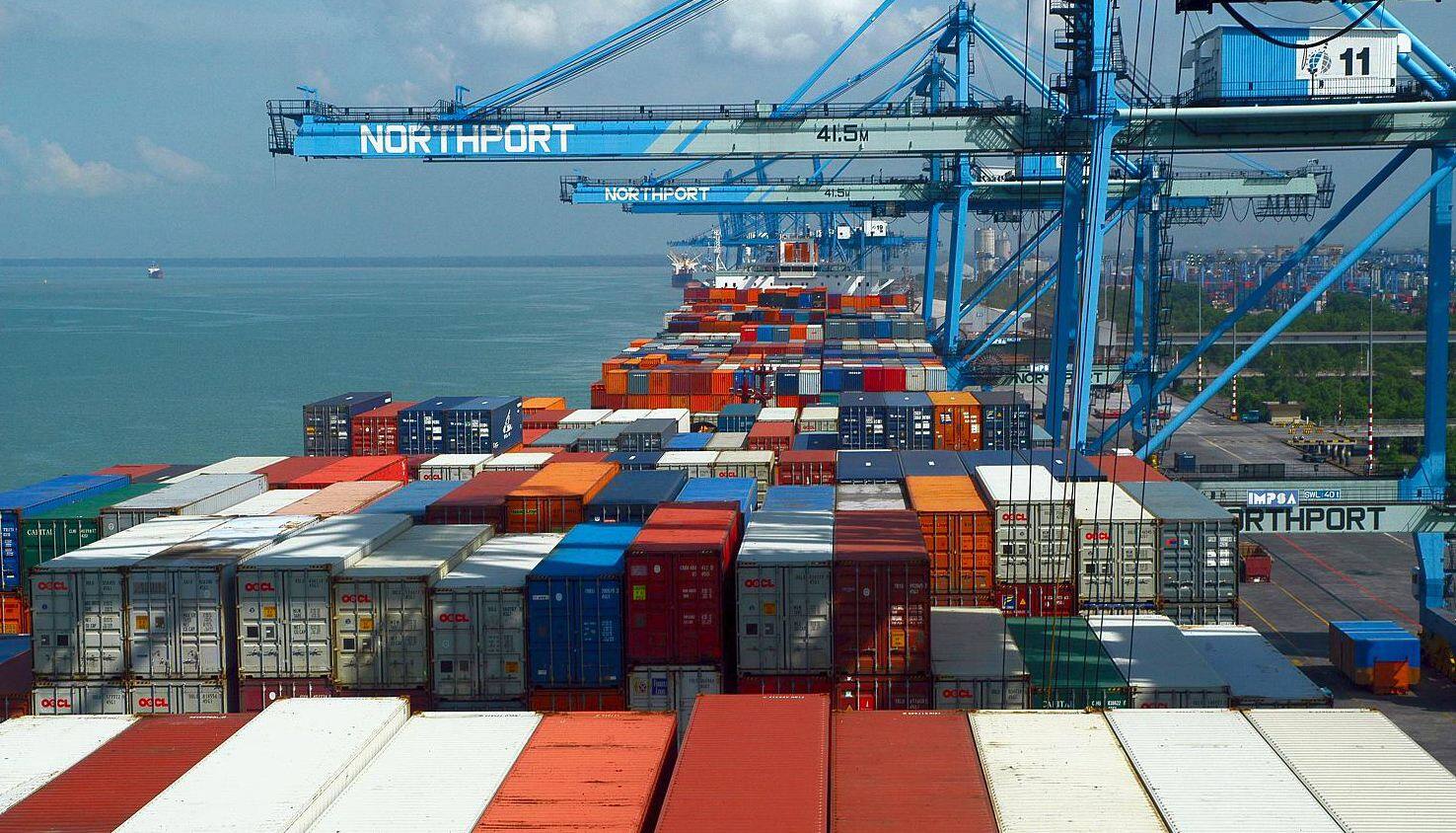
Vietnam's annual target has been clearly aimed at a $1 trillion import and export scale, while maintaining an annual export growth rate of over 15%. In the future, the local area will rely on the free trade agreement network to expand diversified markets, and simultaneously promote compliance capacity building such as green production and product traceability. In the process of undertaking global supply chain transfer, it will gradually upgrade from low value-added assembly nodes to regional manufacturing centers. Keywords: export trade, trade surplus pattern
This phase of trade deficit is more like a pre investment for industrial upgrading. Whether Vietnam can transform its current capacity expansion into long-term industrial chain competitiveness will directly determine its final position in the Southeast Asian foreign trade track.Editor/Cheng Liting
Comment





 Praise
 Collect
 Comment

 Share
Share


Write something~