 Search


- Asia's first commercial scale ethanol to aviation coal project landed in Singapore
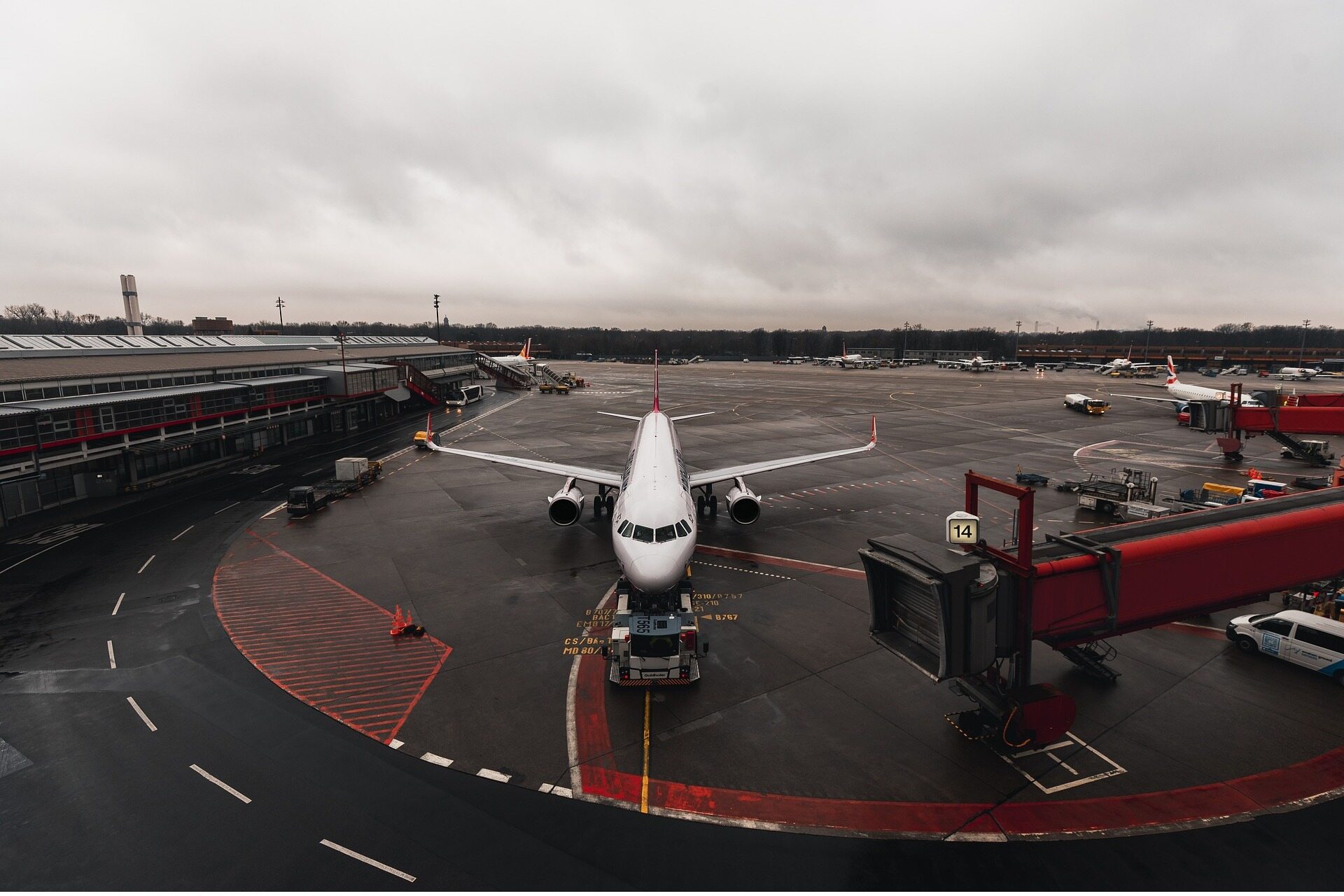
The decarbonization competition in the global aviation industry is rapidly spreading upstream in the supply chain, and Jurong Island in Singapore is becoming the core landing point of this regional competition. KBR recently announced that it has been jointly appointed by Keppel Infrastructure and Aster Chemicals and Energy to provide PureSAF for sustainable aviation fuel projects planned locally ™ Technical licensing and front-end engineering design services.
This marks the first commercial scale ethanol to aviation fuel project in Asia, officially entering the substantive engineering implementation stage from the feasibility assessment stage. The planned annual production capacity of the project can reach up to 100000 tons, and the subsequent pace of progress will depend on the final investment decision and relevant regulatory approval progress.
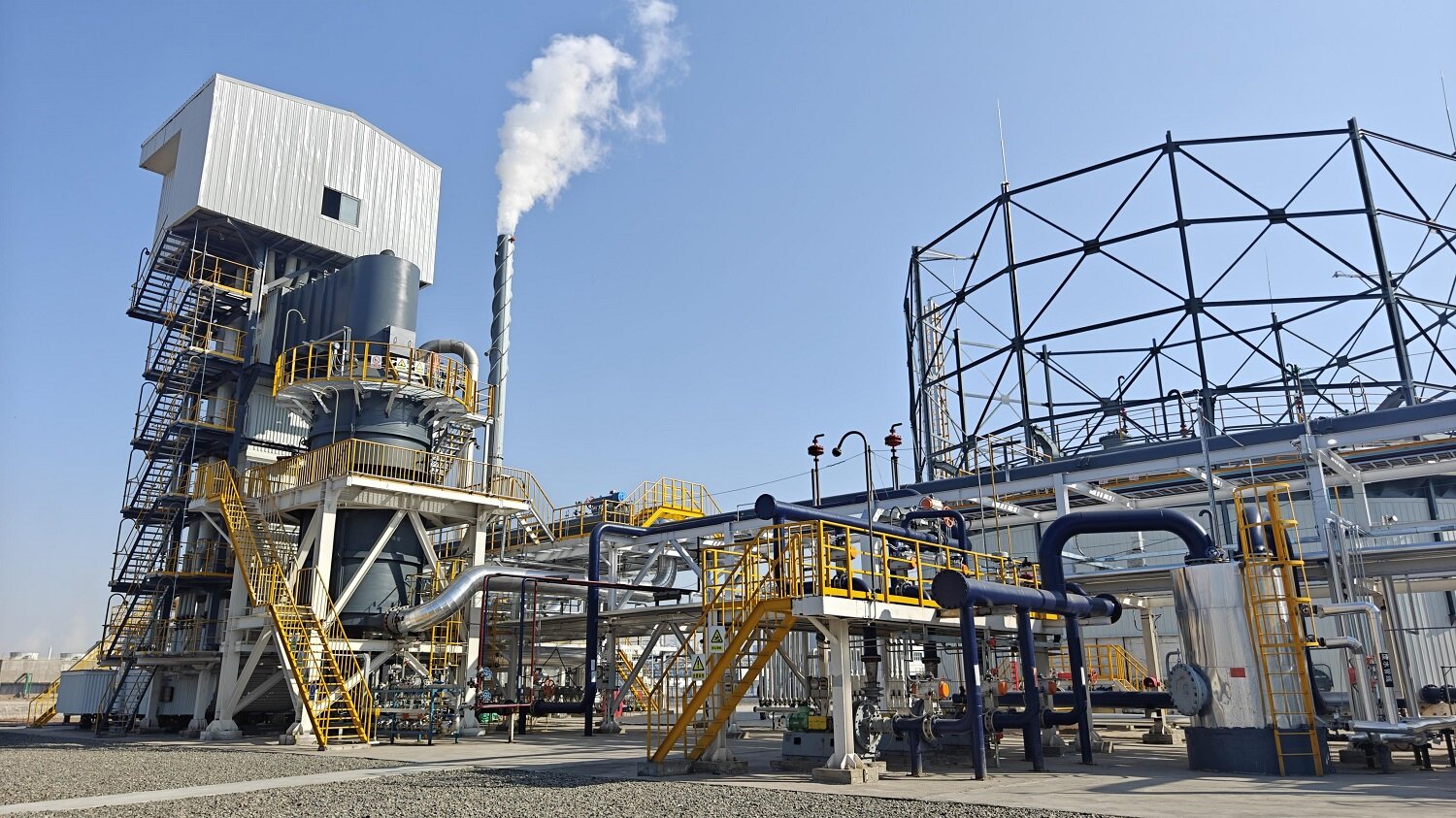
Exclusive technology unlocks 100% non blended aviation coal production capacity
PureSAF held by KBR ™ The technology was developed by a Swedish biofuel company and has been engineered and polished to have the ability to be commercially implemented on a large scale. It is currently one of the few alcohol based aviation coal pathways certified by ASTM international standards.
The core advantage of this technology lies in its strong raw material compatibility, which can simultaneously adapt to various renewable materials such as bioethanol, synthesis gas, carbon dioxide, etc. The fuel components produced are completely identical to petroleum based aviation kerosene, and can directly drive aircraft engines without any blending. It has even been verified by the military grade aviation kerosene standard of DARPA in the United States. Compared to traditional blended SAF products, it can directly break through the current bottleneck of blending ratio commonly faced by global airlines.
Singapore anchors the Asian SAF hub track
At the same time as signing the project service agreement, KBR also signed a memorandum of intent with Keppel Infrastructure for cooperation in the field of energy transformation. In the future, the two parties will carry out a broader joint layout around waste to energy generation, plastic recycling, biofuels, and AI driven digital decarbonization solutions.
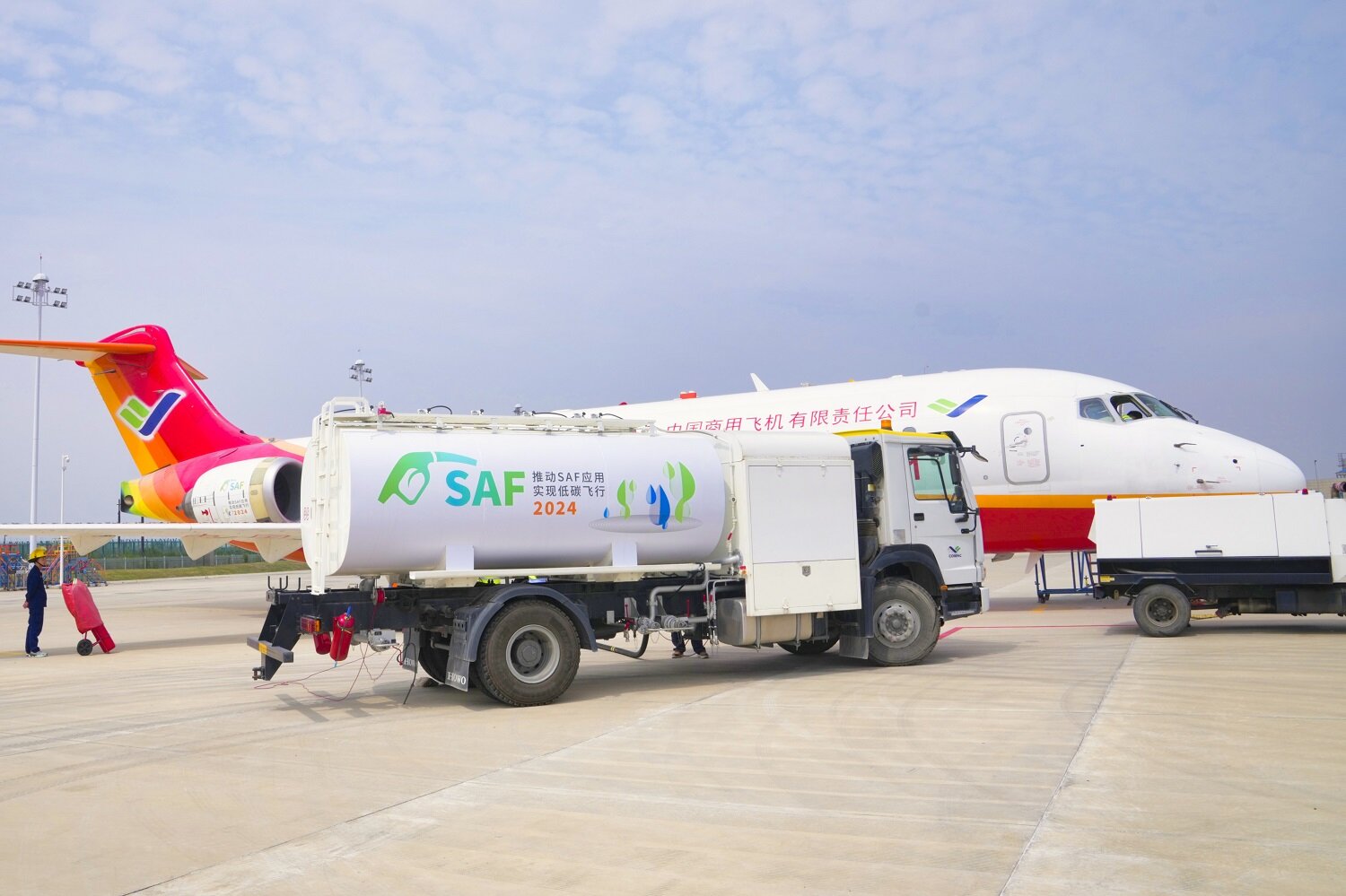
The current demand for air travel in the Asia Pacific region is rebounding at an average annual growth rate of 6.2%. By 2025, the regional SAF gap has exceeded 2.3 million tons. Singapore, relying on the mature petrochemical industry cluster and global shipping hub advantages of Jurong Island, is rapidly seizing the core discourse power of regional SAF supply. After the landing of this 100000 ton project, it will directly fill the gap in the local scale pure SAF production capacity in Southeast Asia and completely rewrite the industrial competition pattern of sustainable aviation fuels in the Asia Pacific region.Editor/Cheng Liting
Comment


 Praise
 Collect
 Comment

 Share
Share


Write something~