 Search


- Energy storage supporting photovoltaic landing, improving regional new energy peak shaving capability
- Efficient Utilization of Idle Water Surface Resources in Reservoirs through Water Light Complementary New Mode
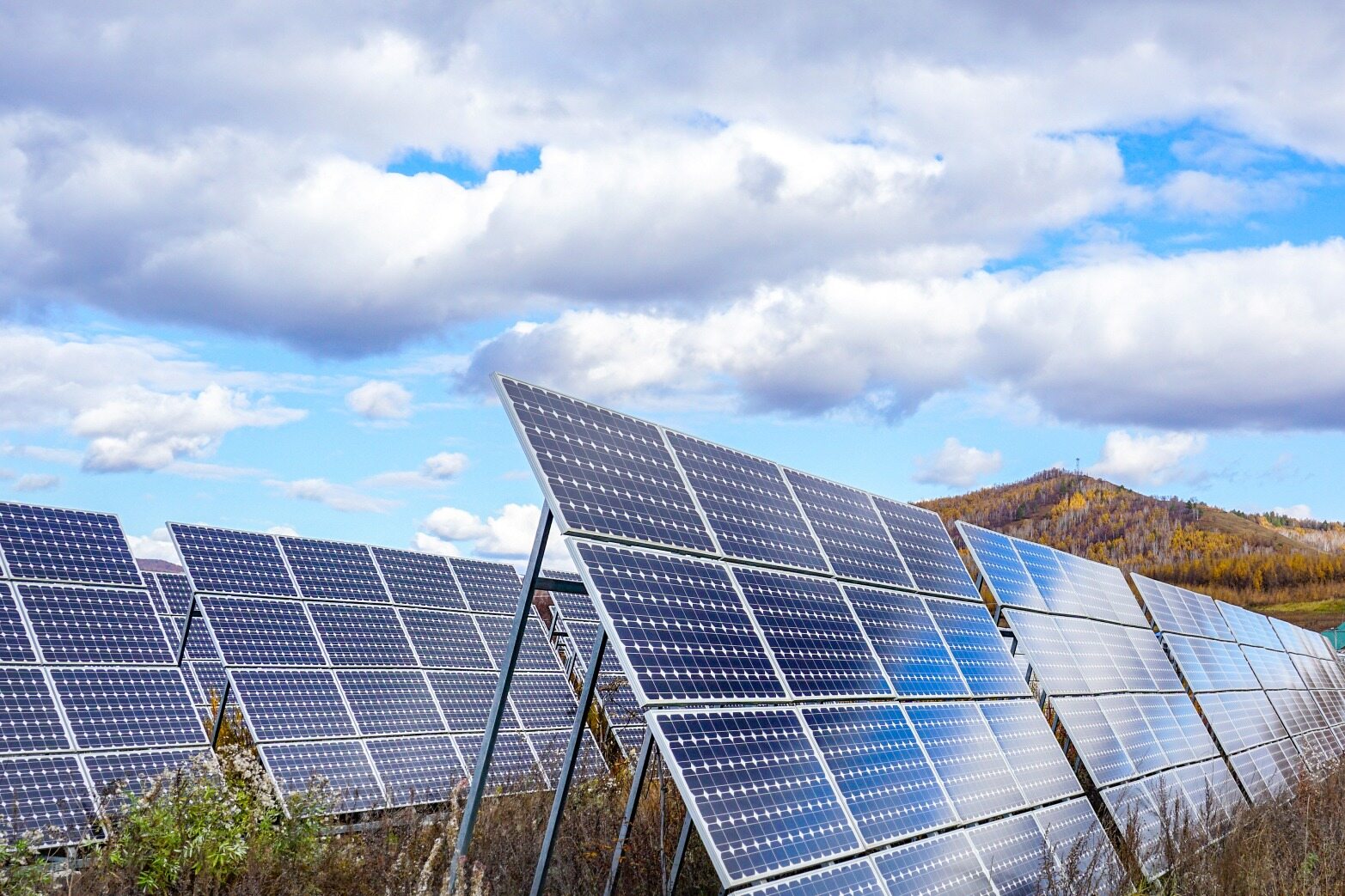
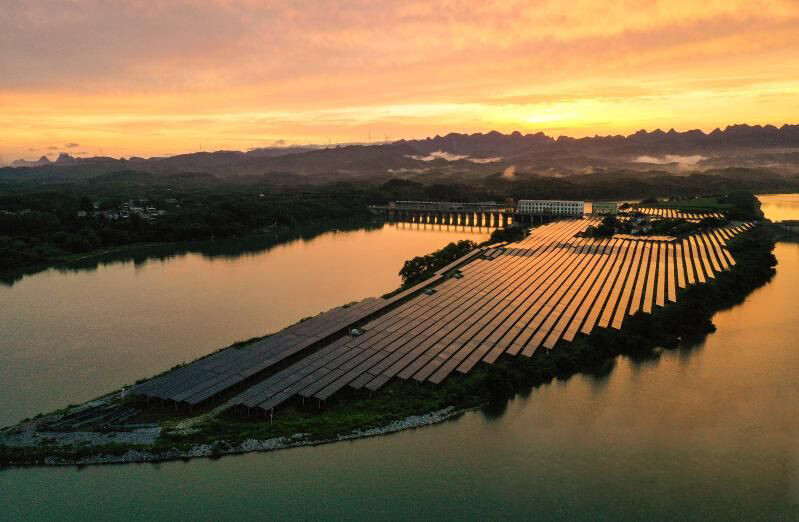
Water surface waves and technological blue plates complement each other, and mountain photovoltaic and chemical energy storage are synergistically linked. The new energy industry in Lintong Province has achieved milestone progress: the construction of the Tongnai No.2 floating photovoltaic and Iabo distributed storage photovoltaic projects has officially begun. As the dual engines of energy transformation in the province, the two major projects have respectively broken the scale record and technological gap of similar projects. By innovatively applying the complementary water solar and integrated light storage models, they have effectively solved the problem of clean energy consumption and provided a highly demonstrative forest solution for building a new power system in high-altitude areas.
Water solar complementary photovoltaic project
The larger floating photovoltaic of Tongnai No.2 Reservoir in the two projects is funded by Zhongnan Hydropower Co., Ltd., with an installed capacity of 240 MW, peak power of 300 MW, and an average annual power generation of 464 million kWh. The project occupies 354.8 hectares of water in the reservoir to lay photovoltaic panels, relying on the existing power transmission facilities of the hydropower station, significantly reducing the cost of power grid construction. The water solar complementary mode can prioritize photovoltaic power generation during periods of abundant sunshine, save reservoir water resources, increase the proportion of clean energy, and achieve maximum resource utilization. The project is planned to be completed in the third quarter of 2027 and connected to the grid for power transmission in the fourth quarter.
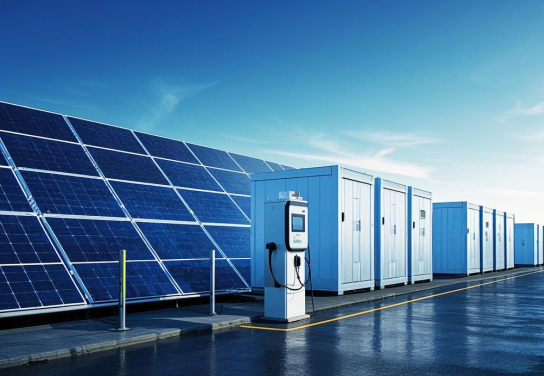
The first integrated light storage project
The second project is the Iabo No.1 ground photovoltaic power station, located in Dakwei Township, with a total investment of nearly 790 billion Vietnamese dong and an installed capacity of 40 megawatts. The core feature of the project is the supporting 4 MW/8 MWh energy storage equipment, which can stabilize the output power, alleviate regional power overload, and improve the stability of photovoltaic power generation. It is also the first photovoltaic project in Lintong Province to install energy storage devices, with a power generation of about 76.5 million kWh in the first year of operation. Keywords:Foreign construction news network,Southeast Asia engineering information network,Overseas engineering construction,Foreign engineering construction news
Green transformation of regional economy
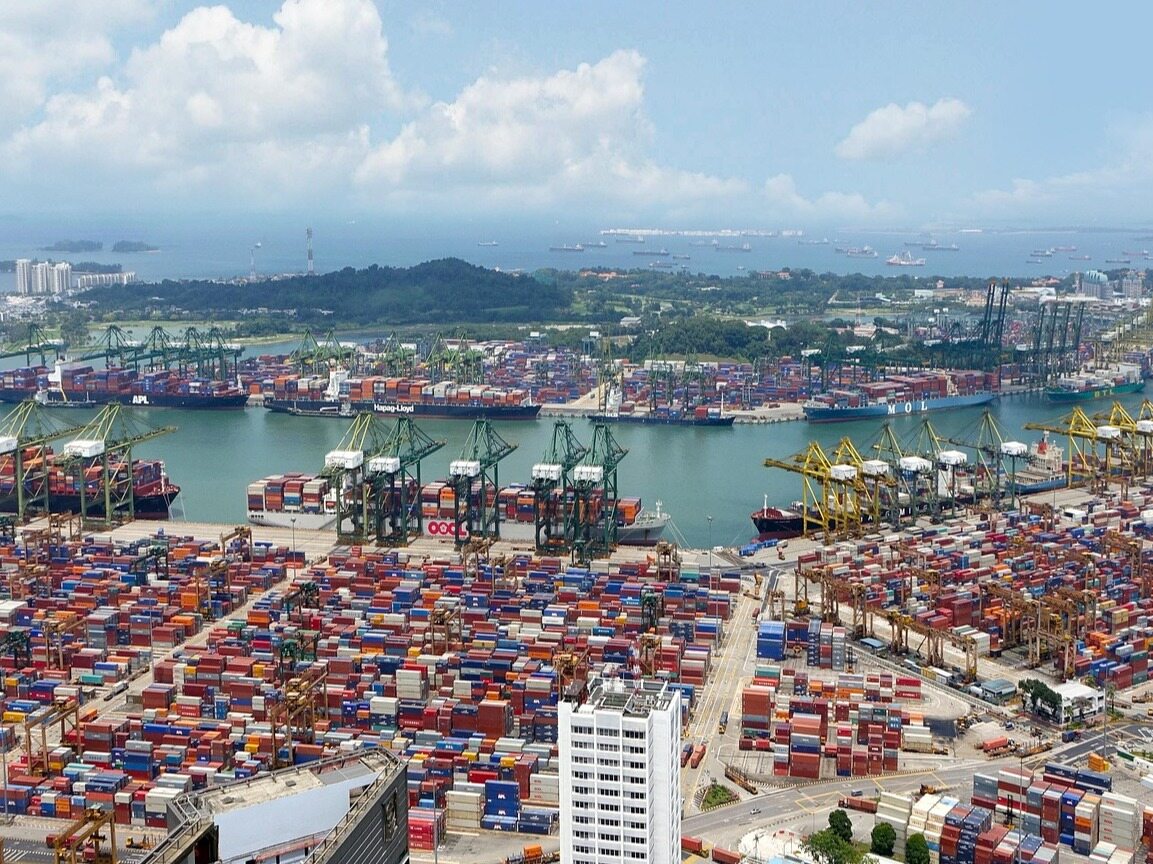
The person in charge of the local industry and trade department introduced that both projects are in line with the new version of the Eighth Power Plan, which can not only supplement the supply of clean electricity, but also drive the upgrading of the local industry and trade, and promote the green and sustainable transformation of the regional economy. During the construction and operation of the project, it will provide a large number of job opportunities, increase local financial and tax revenue, and drive upstream and downstream industries such as building materials, machinery, logistics, and electrical manufacturing. According to local planning, the installed power capacity of Lintong Province is planned to be nearly 15000 megawatts by 2035. Currently, there are still 30 power projects for external investment, accelerating the construction of the power grid and ensuring the full consumption of new energy electricity.Editor/Gong Ziwei
Comment


 Praise
 Collect
 Comment

 Share
Share


Write something~