 Search


- The the Belt and Road upgraded the cooperation model to help optimize and improve global governance
- Deep empowerment of digital technology to promote the upgrading and upgrading of industries along the route

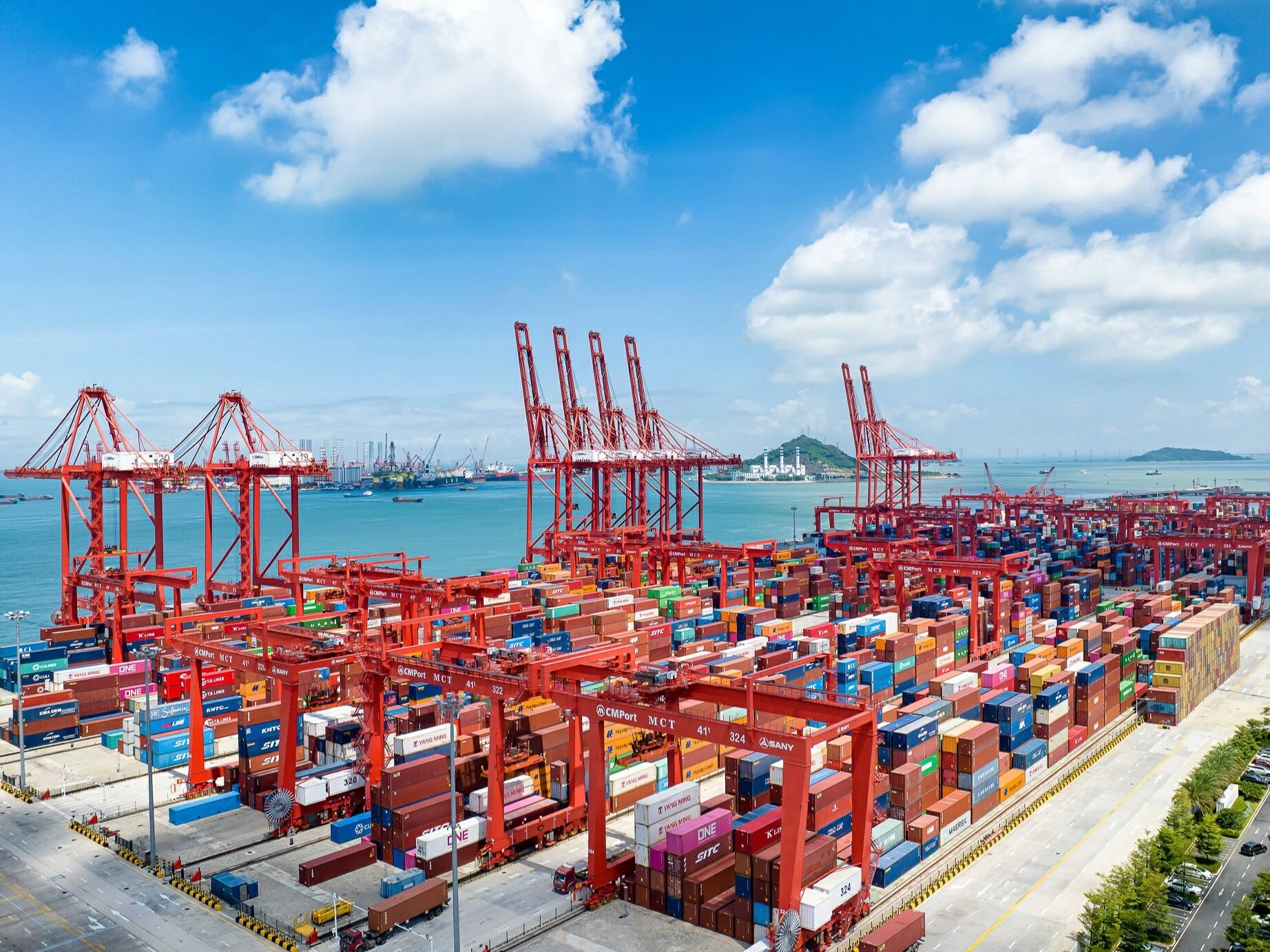
In the morning light, Central Asian herdsmen turn on their mobile phones to track the health of sheep, and the unmanned crane arms in Southeast Asian ports accurately load and unload containers - these daily slices scattered around the world are outlining a new outline of the the Belt and Road. As Industry 4.0 reshapes the industrial landscape, this cross sea path of cooperation is breaking away from traditional infrastructure path dependence and opening up new opportunities with digital empowerment and multilateral governance.
Consolidate the new foundation of cooperation
High quality co construction of the the Belt and Road has completely abandoned the old thinking of zero sum game and turned to building an open and interconnected multi-dimensional cooperation ecosystem. For a long time, due to economic size and technological barriers, many developing countries have become the silent majority in global economic governance, and their development demands are difficult to translate into a discourse power of rules. The principle of consultation, co construction and sharing is becoming the key to breaking through the deadlock, promoting deepening strategic docking and policy exchange among countries, and breaking down the invisible barriers of geography and institutions. Relying on the Silk Road platform to gather consensus not only unifies cooperation standards, but also gathers dispersed voices into a collective force to promote the transformation of the global governance system towards fairness and reasonableness.

Reshaping the New Global Landscape
The wave of Industry 4.0 is forcing the restructuring of global industrial logic, and the strength of the digital economy has become a core variable in competition between countries. Faced with the reality of countries competing to layout the digital and artificial intelligence track, the traditional cooperation model based on goods trade and physical connectivity has shown signs of fatigue. Digitization and intelligence are no longer additional options, but inevitable choices. Accelerating digital infrastructure and implementing intelligent technologies provide a "ladder" for weak countries to fill their digital gaps, help break technological monopolies, enable developing countries to achieve overtaking in industrial upgrading, and inject long-term momentum into Silk Road cooperation.
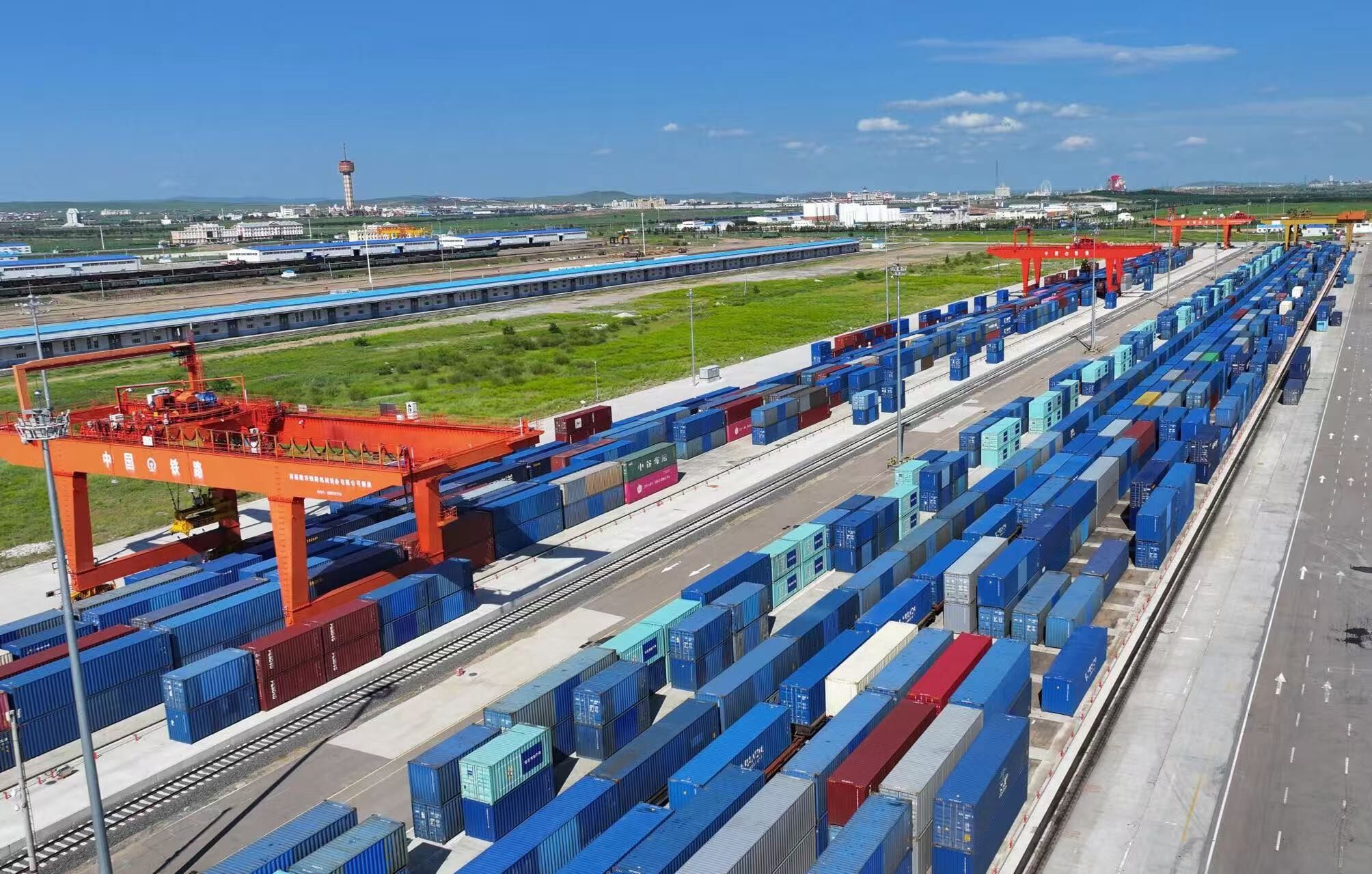
Smart computing opens up a new future for the Silk Road
Standing at the crossroads of Industry 4.0, the future of the the Belt and Road lies in the dual wheel drive of governance and technology. At the governance level, relying on normalized mechanisms to promote mutual recognition and interoperability of digital rules and standards, we will change the dilemma of "building but not connecting, and connecting but not smooth" in the past. At the industrial level, deepening the digital Silk Road is not just about laying optical cables, but also about allowing artificial intelligence to penetrate into trade, logistics, and even people's livelihoods. Through technology sharing and talent cultivation, achieve a qualitative change from facility connectivity to digital integration. This is not only an expansion of the dimension of cooperation, but also a reform of the development paradigm. Key words: the Belt and Road, digital empowerment, and smart joint symbiosis
At present, the the Belt and Road has entered a new stage of in-depth integration of governance coordination and digital innovation. Looking ahead to the future, we must continue to use intelligent innovation to penetrate industrial barriers and balance the global landscape through multilateral governance. Only then can we cultivate new opportunities and open up new opportunities in the changing times, and write a new chapter of mutual benefit and win-win results.Editor/Gong Ziwei
Comment



 Praise
 Collect
 Comment

 Share
Share


Write something~