 Search


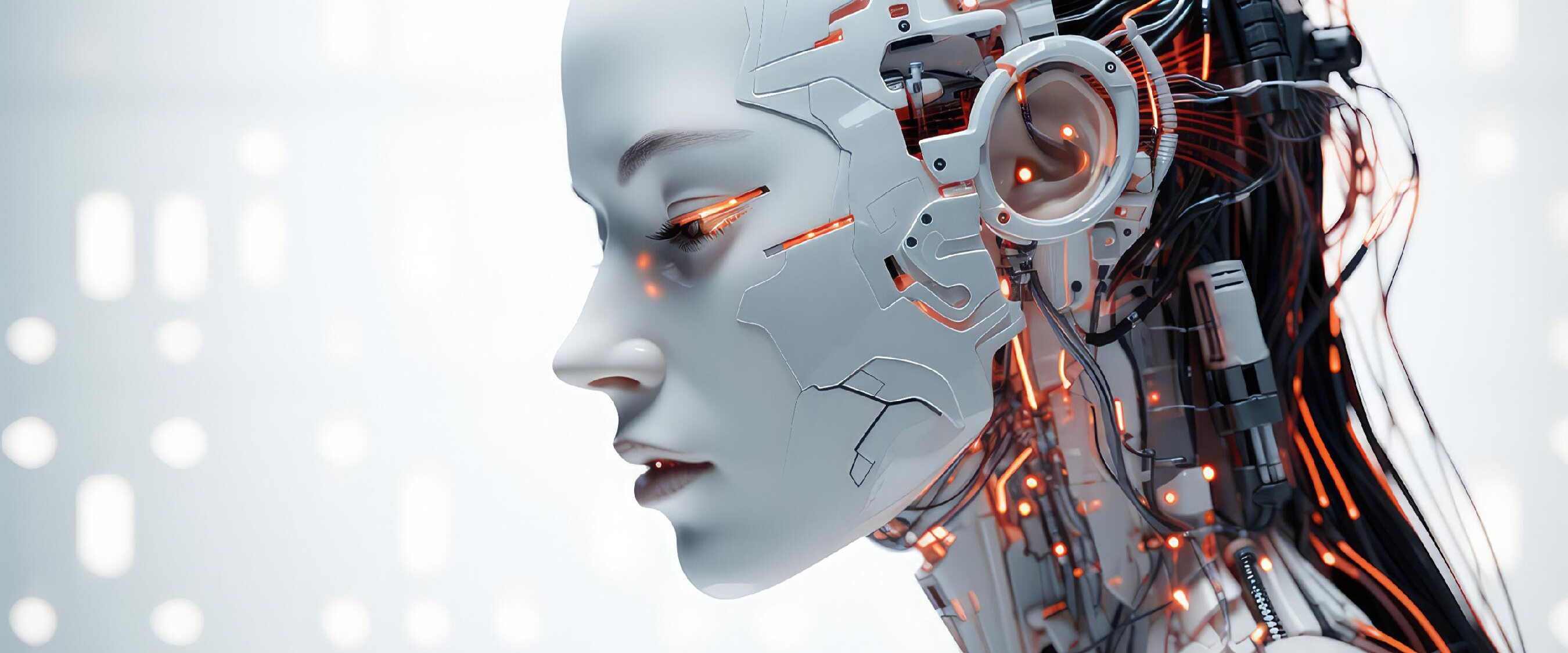
- The embodied intelligence industry is growing rapidly, but the landing of technology is facing multiple practical obstacles
- There is an essential conflict between the logic of digital simulation models and the control requirements of physical robots
As silicon-based intelligence attempts to break free from the confines of screens and venture into the noisy physical world, a brutal screening process about landing has already begun. The language illusion of large models appears pale in the face of real gravity, and only by teaching algorithms to fall, collide, and grab can artificial intelligence truly touch the rough texture of reality.
Intelligent illusion in simulated greenhouse
The evolutionary history of artificial intelligence is, to some extent, a history of constantly breaking boundaries. But when algorithms move from data streams to robotic arms, the traditional "pre training+fine-tuning" paradigm exposes fatal weaknesses. In the simulation greenhouse built with infinite computing power, robots may be able to smoothly lift virtual tea cups, but they can never understand the fragile physical properties of glass, let alone predict the subtle disturbances of a gust of wind on the trajectory. This kind of intelligence based on ideal assumptions is ultimately suspended and fragile. When the industry is obsessed with the stunning effects of video generation models, it often overlooks the strict requirements of the physical world for causality and real-time response - this is not the rendering of images, but a game of power.
The lack and reconstruction of physical intuition
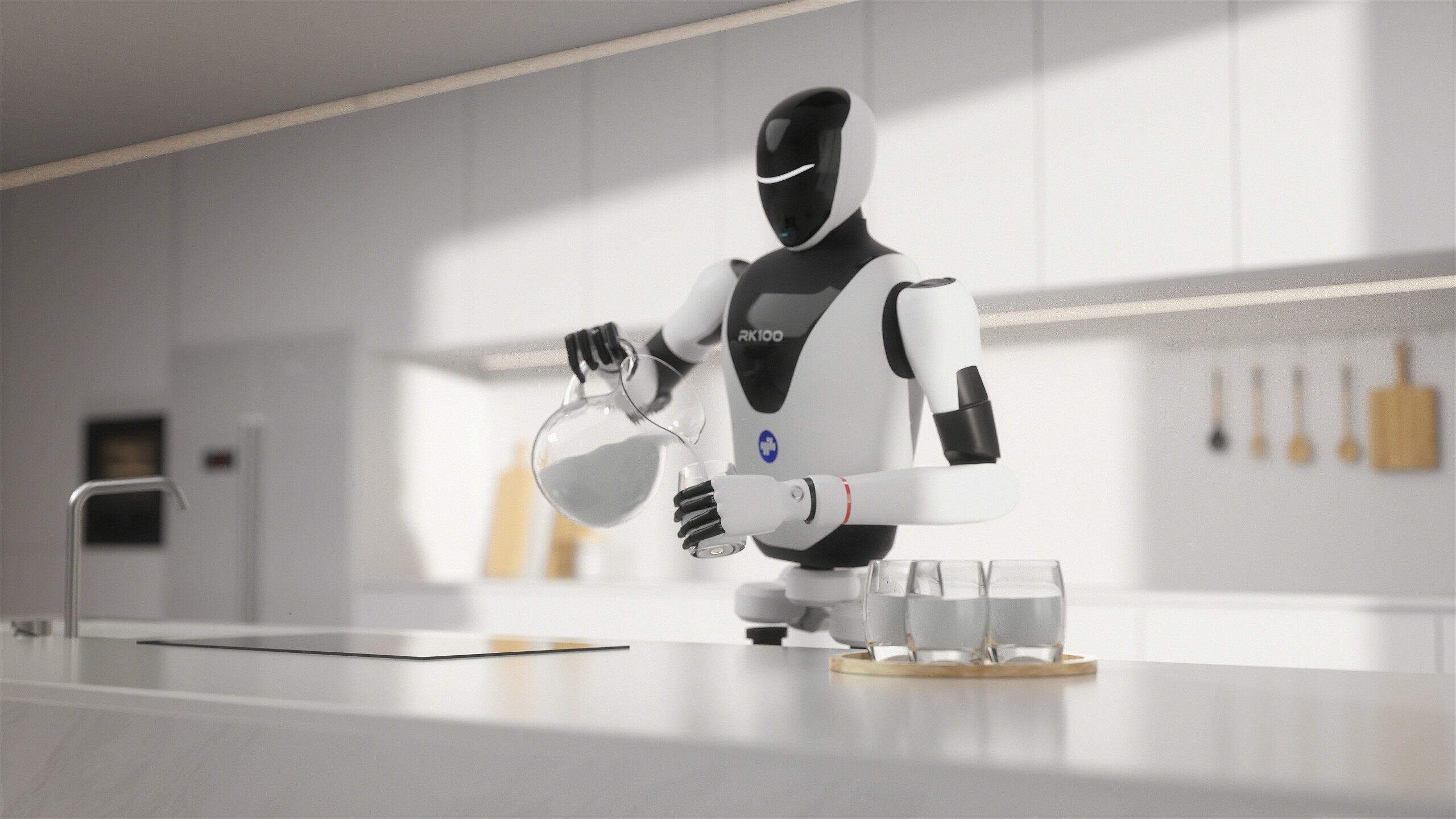
The core pain point of embodied intelligence lies not in the lack of computing power, but in the absence of "common sense". The existing digital brain is adept at processing pixels and probabilities, but lacks the ability to handle friction and inertia. When robots are unable to distinguish between transparent glass and open spaces, and still grasp logically in a horizontal plane when facing a tilted desktop, this awkward situation of "high eyes, low hands" reveals the fundamental contradiction: intelligence lacking physical intuition is just an advanced imitation show. The value of Ant Lingbo's "embodied native" concept lies in attempting to repair this gap. It no longer attempts to make robots "understand" the world, but forces them to "feel" the world - through causal prediction and real-time interaction, allowing algorithms to establish proprioceptive perception similar to that of human infants through trial and error.
The paradigm transition from generation to action
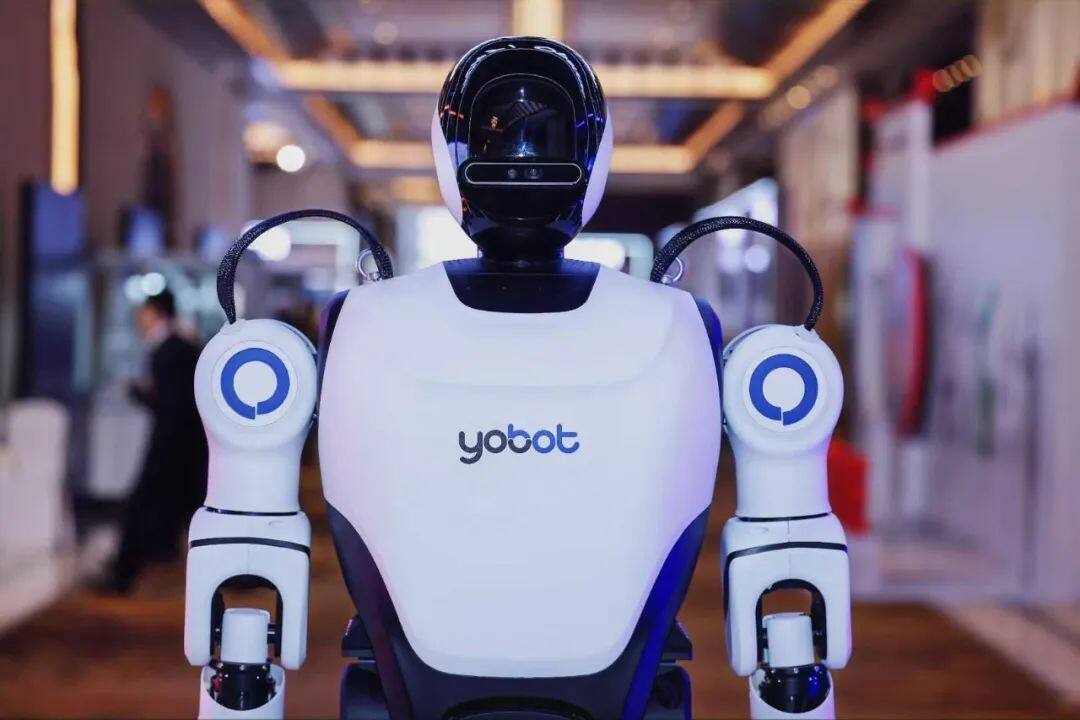
The industry is at a critical point of transitioning from generative AI to action based AI. The past technological path essentially viewed the robot's brain as a static content generator; And the future technological high ground will inevitably belong to dynamic, native operating systems with online learning capabilities. The stacking of four core technologies ultimately leads to a more fundamental goal: to synchronize the inference speed of machines with the evolution speed of the physical world. The introduction of asynchronous enhanced reasoning systems marks the beginning of robots' ability to think while doing, which is not only a technological advancement, but also a qualitative change in machine cognitive logic. Keywords: embodied intelligence, humanoid robots, digital models
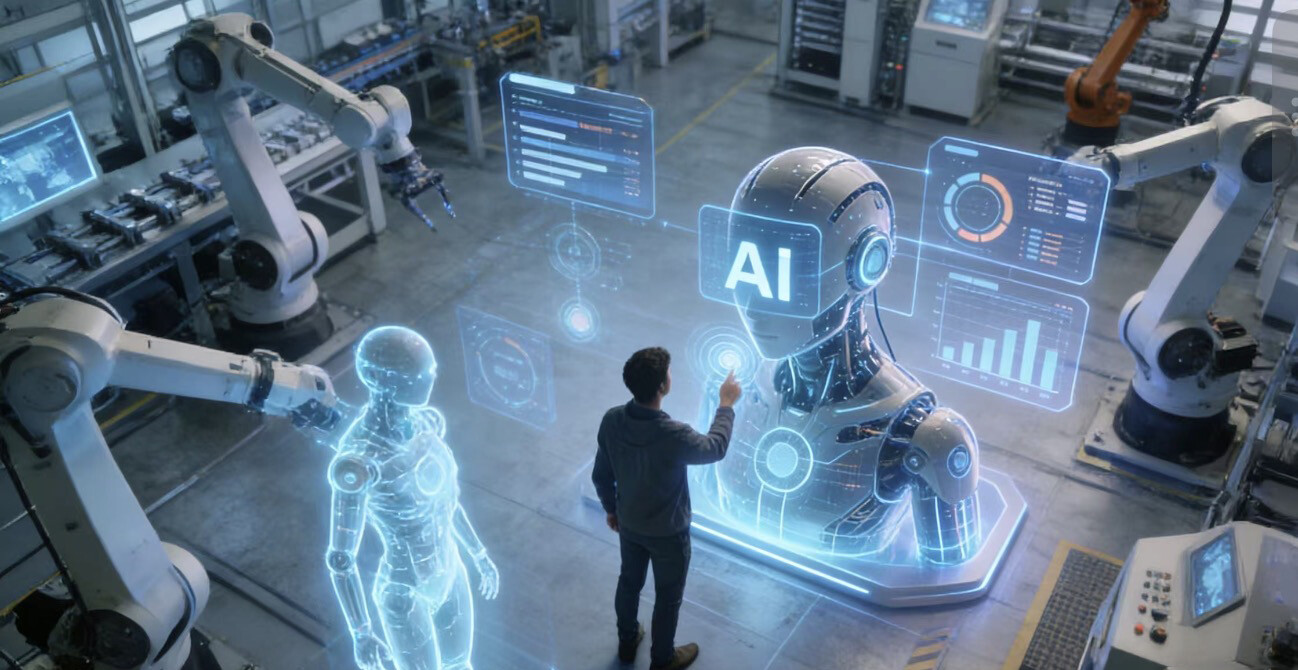
The popularization of humanoid robots is not only the maturity of mechanical technology, but also the awakening of physical intelligence. Only when every iteration of the algorithm is accompanied by reverence for gravity, friction, and collision, and when the accumulation of data is no longer limited to visual images but includes force feedback and spatiotemporal coordinates, can artificial intelligence truly step out of the ivory tower of the laboratory. This technological long march, which began with code and ended with physical entities, may have just taken the most difficult first step.Editor/Gong Ziwei
Comment



 Praise
 Collect
 Comment

 Share
Share


Write something~