 Search


- Energy storage leaps to become a pillar of the power system, promoting energy transformation
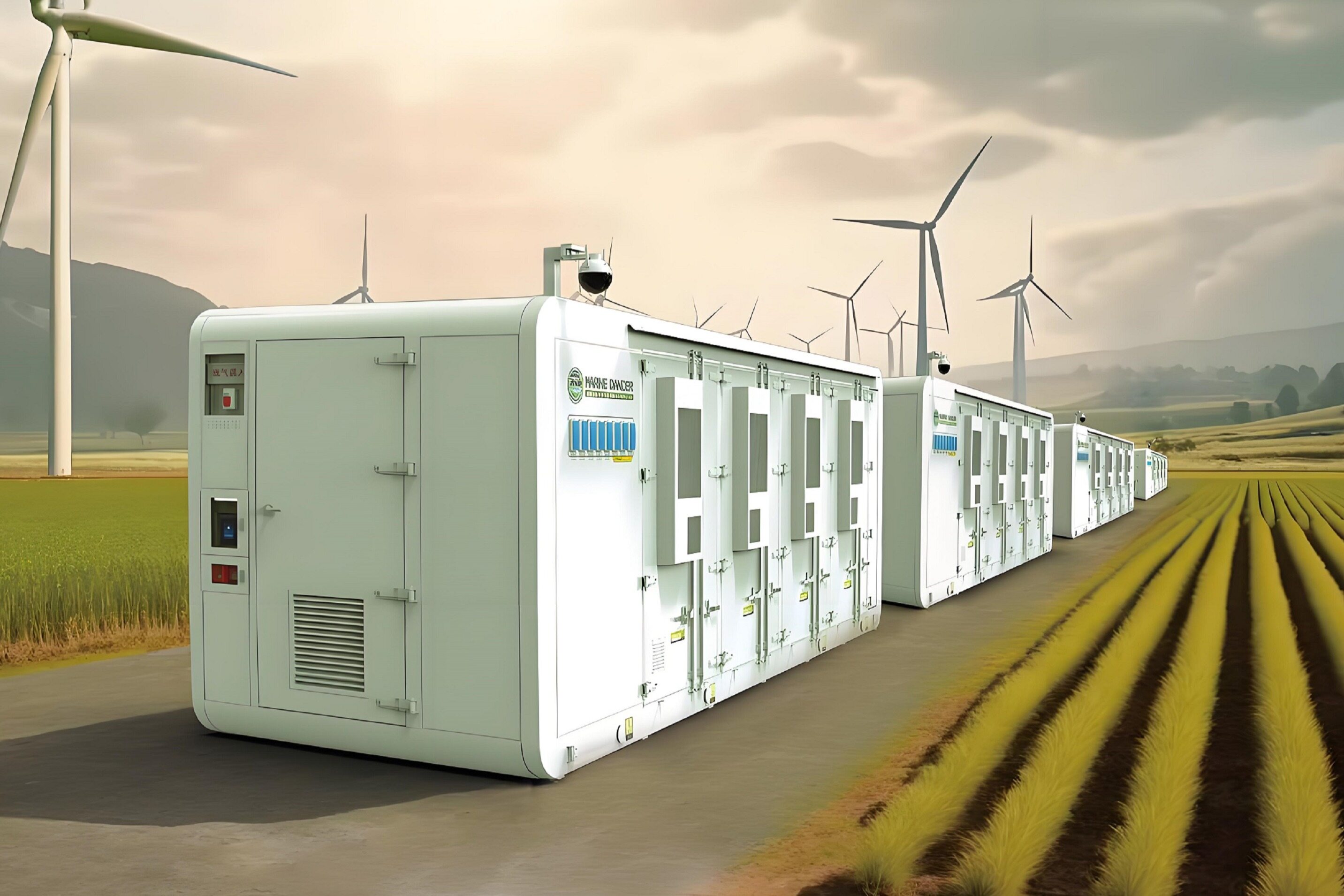
In the National Development and Reform Commission building on Yuetan South Street in Beijing, a planning document marked with the words "Fifteen Five Year Plan" has been officially issued. The cicadas chirped outside the window, and the atmosphere inside was solemn. The indicator of China's energy transformation is quietly shifting from the rapid installation of new energy capacity to the systematic regulation of intensive cultivation. Energy storage, which once played a supporting role in the power system, has been historically pushed to the center of the stage to assume the responsibility of building a new power system.
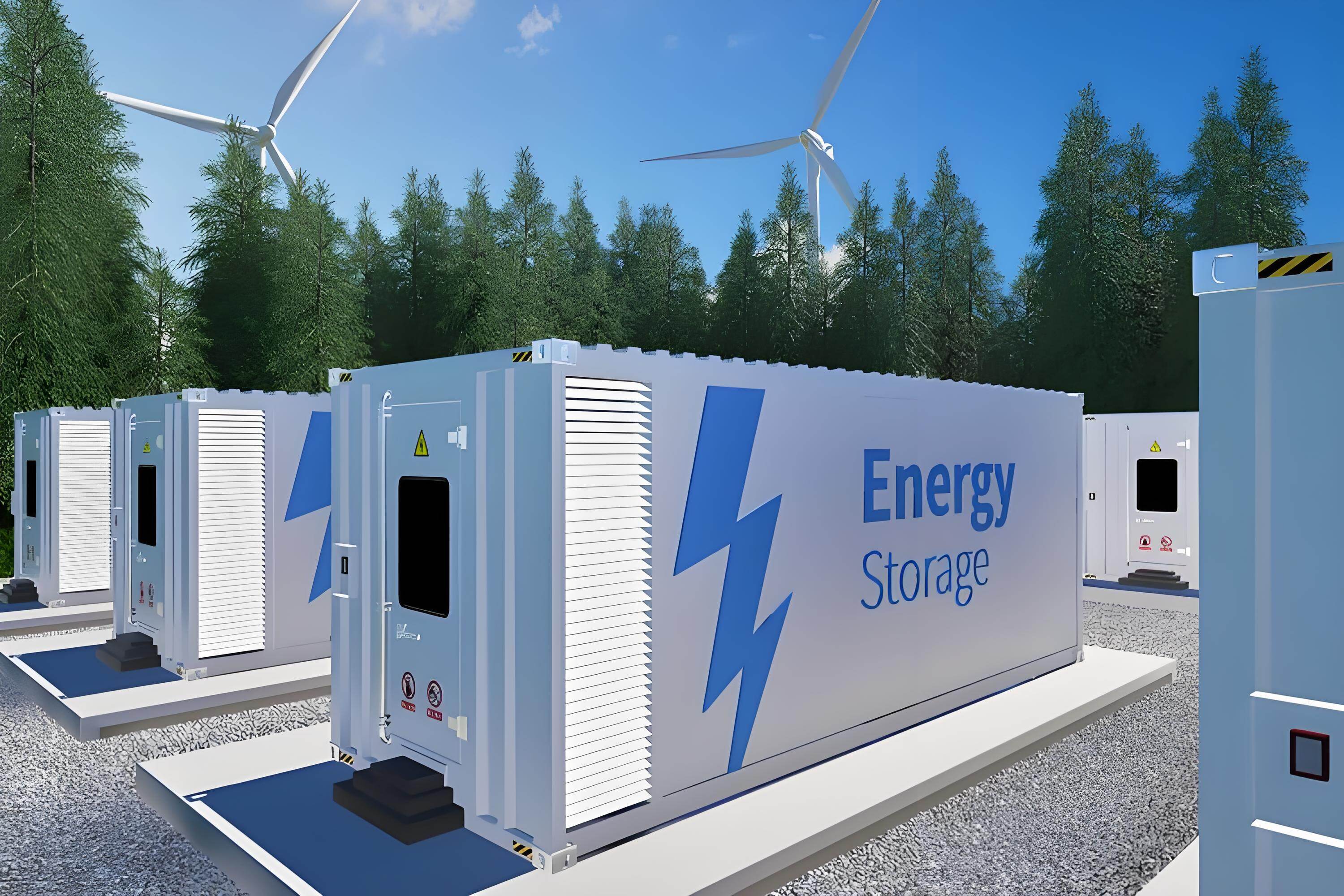
Planning, setting tone, and role leap
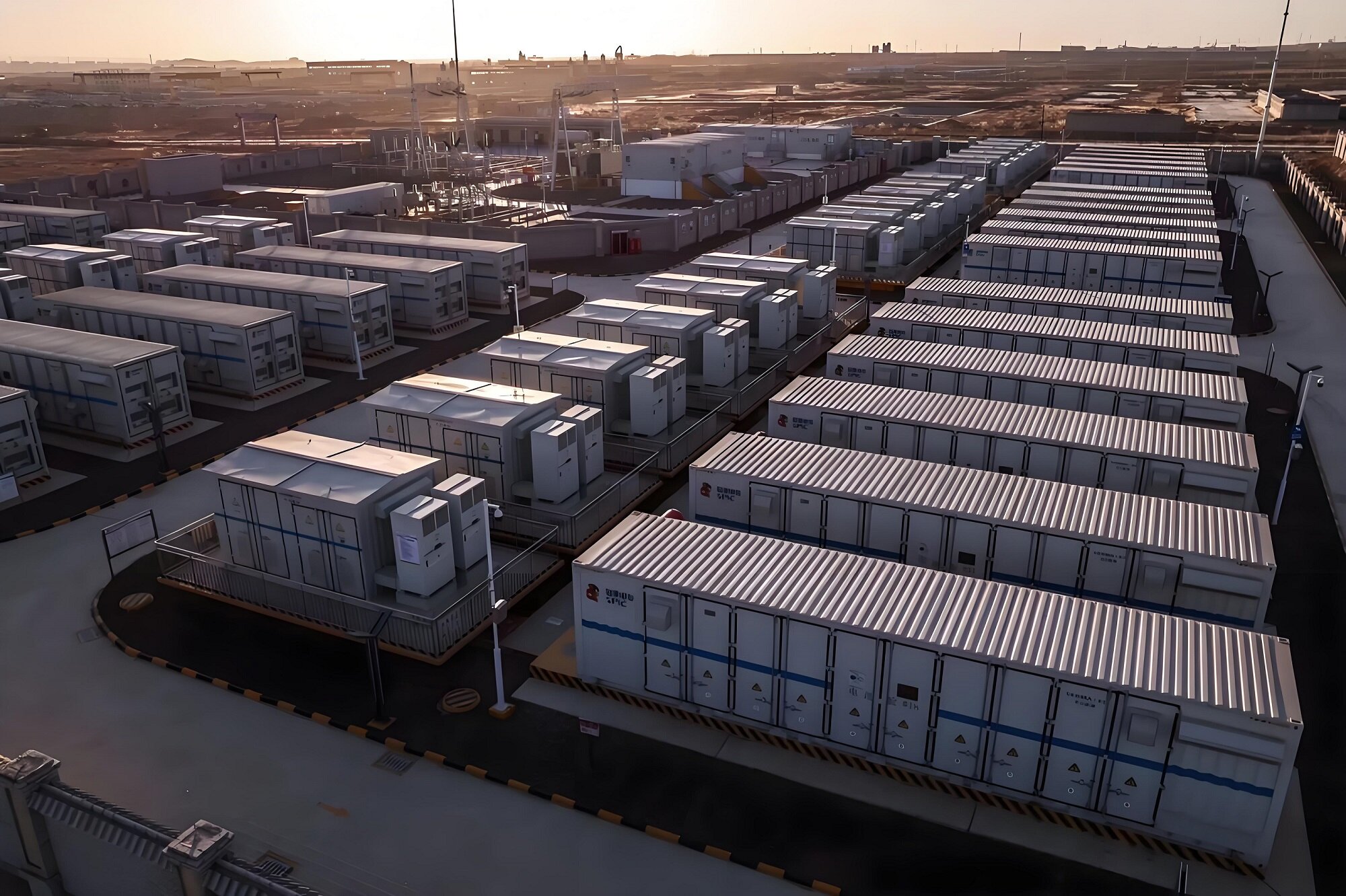
The National Development and Reform Commission and the National Energy Administration jointly issued the 15th Five Year Plan for the construction of a new energy system, which clearly proposes to increase the proportion of non fossil energy generation to 50% by 2030. The plan outlines a key turning point: the annual growth rate of new energy storage will remain at around 17%, far exceeding the growth rate of wind and solar installed capacity. Its ratio to wind and solar installed capacity will increase from 7.4% in 2025 to 10.7% in 2030. This means that energy storage is no longer a passive accessory to the consumption of new energy, but will serve as a ballast stone supporting a high proportion of renewable energy, deeply embedded in the underlying logic of power planning and operation. From simple equipment stacking to the establishment of core pillars, the energy storage industry has ushered in a historic moment of value reassessment.
Policy forcing transformation
With the cancellation of mandatory storage allocation in Document No. 136 and the establishment of capacity electricity pricing in Document No. 114, the energy storage industry is experiencing severe pains from policy infancy to market turbulence. The data reveals a harsh reality: among the nearly 8GW energy storage plans approved in 2024, the actual grid connection rate is less than 15%, and the equivalent utilization hours are also showing a downward trend. Expert analysis points out that the previous model of emphasizing construction over operation and relying on policy subsidies for survival is no longer sustainable. In the future, whether it is the three-dimensional revenue structure constructed by the grid side through capacity pricing, electricity market, and auxiliary service market, or the diversified model of user side from single peak valley arbitrage to virtual power plant aggregation and backup power supply guarantee expansion, energy storage enterprises must have the ability to survive in the real market with real knives and guns. The era of relying solely on administrative orders is gone forever, and the big test of marketization has arrived.
Guangdong breaks through the situation and explores the whole country
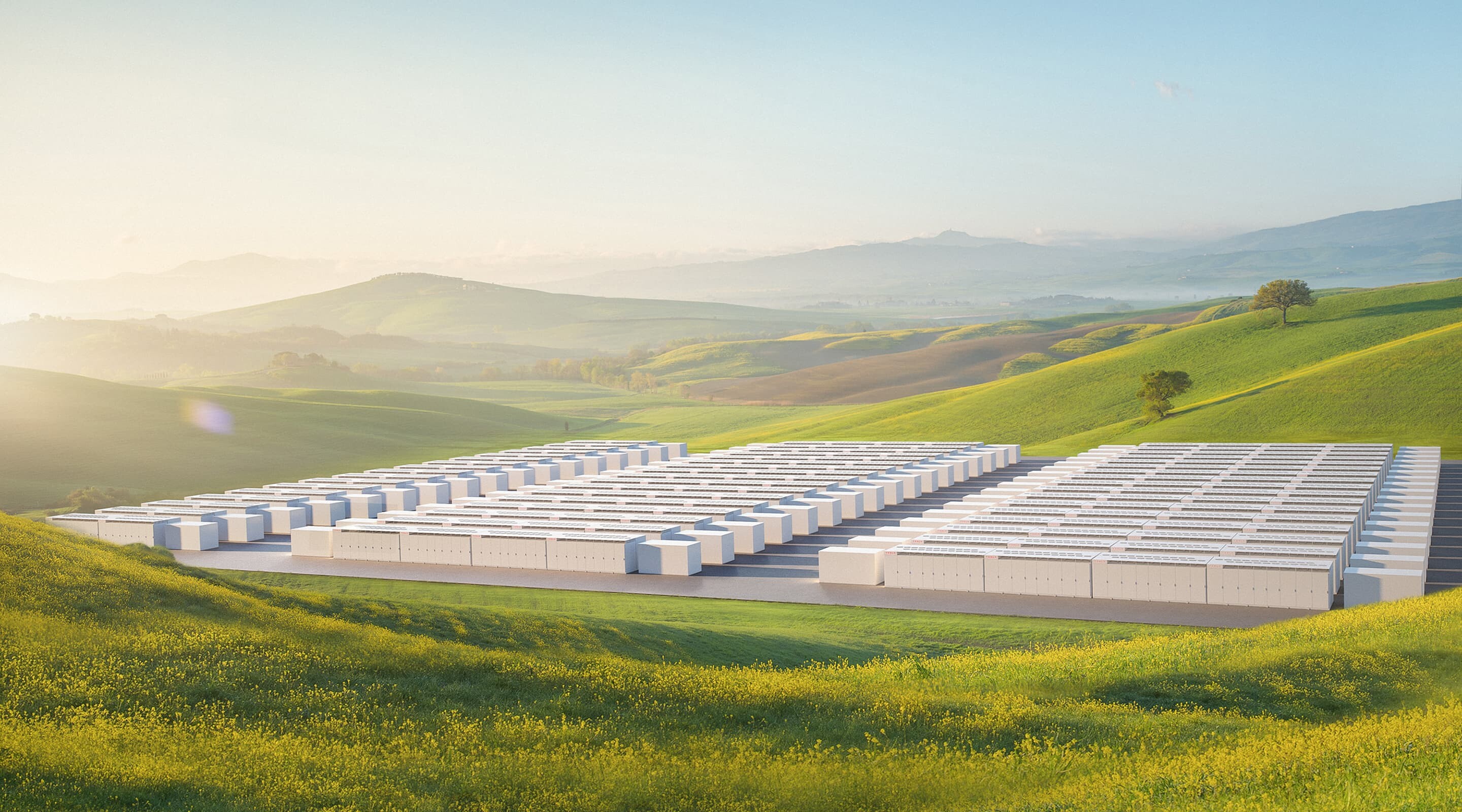
As a testing ground for reform, Guangdong's difficulties and breakthroughs have national significance as a barometer. Faced with the triple door of imbalanced user side energy storage structure, single profit model, and vague market access, Guangdong is trying to take the lead in building a multi-level value discovery mechanism. In the Pearl River Delta, in response to the special needs of high-end manufacturing, the value mining of energy storage has extended from simple peak valley arbitrage to areas such as power quality management, emergency backup power supply, and demand management. At the same time, Guangdong is accelerating the improvement of the electricity spot market, exploring ways to shorten the settlement granularity to 15 minutes, and promoting the inclusion of new varieties such as climbing, inertia, and backup in the auxiliary service market. In addition, Guangdong is making efforts to lower the entry threshold and streamline the scheduling mechanism for virtual power plants, a key platform for aggregating distributed resources. This vivid practice taking place on the land of Lingnan aims to transform energy storage from a simple cost center to a value center that creates diverse benefits, providing a key model for solving the construction of load centers in the southeast without the need for difficulties. Keywords: Energy storage industry、Energy storage cluster
Long term support for technological iteration
Along with institutional changes, the iteration of technological hard power is also accelerating. Faced with the volatility of new energy output, the research and demonstration application of long-term energy storage technology is becoming a new focus. From compressed air energy storage to flow batteries, from sodium ion batteries to grid based energy storage technologies, a series of innovative achievements are reshaping the economic ledger of energy storage. Especially with the deep integration of artificial intelligence models and power systems, AI scheduling algorithms are gradually achieving accurate prediction and collaborative control of various links in the source grid load storage system. This technology not only greatly improves the response speed and operational efficiency of energy storage systems, but also maximizes the full lifecycle return of assets through intelligent charging and discharging strategies. The dual wheel drive of technology and market is laying a solid foundation for the high-quality development of China's energy storage industry during the 15th Five Year Plan period.Editor/Gao Xue
Comment




 Praise
 Collect
 Comment

 Share
Share


Write something~