 Search


- Digitization only solves preliminary calculations, offline practical strength determines industry competitiveness
- Complementary development of multiple freight modes, resource integration is the core direction of intermodal transportation development

When scattered containers toss and turn between the railway tracks and the river, people suddenly realize that the competition in logistics is no longer a race between wheels and oars, but the splicing and reorganization of fragmented information. The transportation network that has removed information barriers is nothing more than a collection of scattered soldiers; Only by twisting the broken links into a rope can the dormant transport truly flow.
Information barriers hinder the development of intermodal transportation
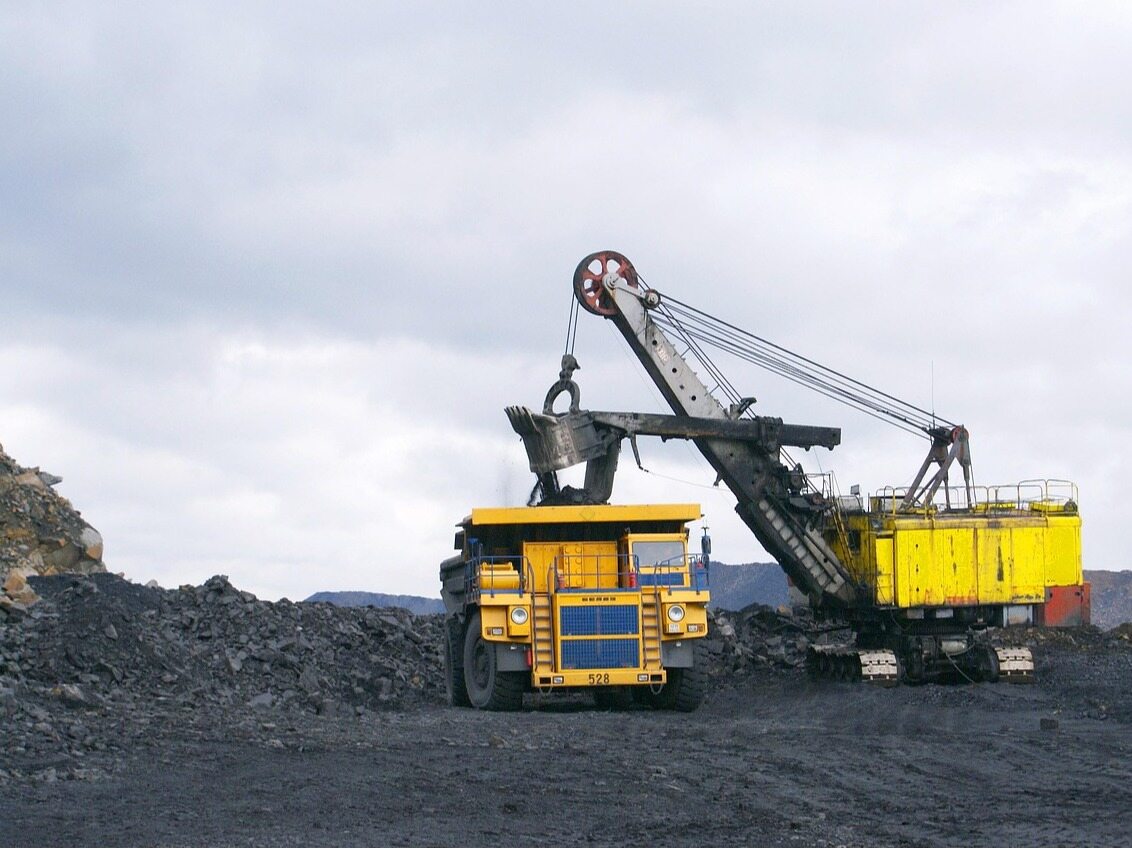
For a long time, the industry has been trapped in a misconception about logistics efficiency: thinking that as long as there are enough trucks, trains, or ships, transportation problems can be solved. However, the migration path of 20000 tons of coal reveals a simple truth - transportation capacity is never a scarce resource, what is scarce is the art of arranging transportation capacity. When shippers face complex station rules, scheduling logic, and hidden costs, the fragmentation of information is more daunting than the distance of physical distance. The so-called multimodal transport is essentially a difficult stitching of fragmented data from public transportation, rail transportation, and water transportation. Whoever masters the full picture of the information puzzle holds the key to reducing costs and increasing efficiency.
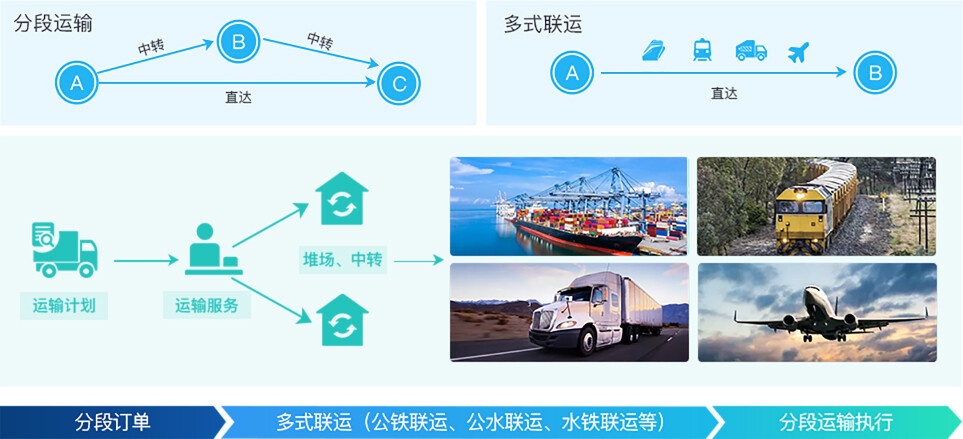
The system logic behind on-demand matching
Abandoning simple linear thinking, the formulation of logistics plans is more like an experienced chef mixing five flavors. A radius of 500 kilometers is a hurdle, while a water transportation advantage of 1000 kilometers is another hurdle. But this is not just an arithmetic problem of distance, but also a comprehensive game of timeliness, cargo damage, and stability. Railways excel in handling large trunk lines with ease, while highways excel in handling short distance distribution with flexibility and maneuverability. Roughly stacking the two does not produce value, the true wisdom lies in finding the balance point that can seamlessly connect the molten iron. The fantasy of trying to dominate the world with a single transportation method is destined to hit a wall in the face of increasingly refined supply chain management.
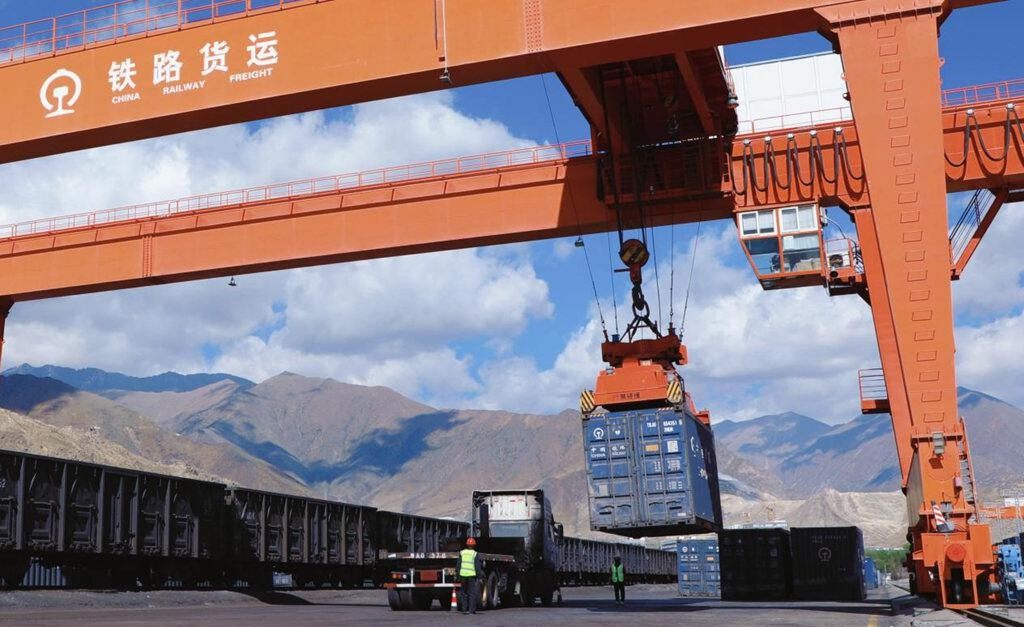
Offline performance constitutes a core barrier
Under the wave of digitization, people tend to believe in the omnipotence of algorithms. However, the ultimate of logistics is not in the cloud, but on the dusty stations and winding railway tracks. No matter how perfect the intelligent matching is, if it cannot cope with the sudden situation of station congestion and the thorny problem of plan changes, it will ultimately be just talk on paper. The vision of one order to the end tests the emergency response capabilities of offline teams in complex physical environments. This also explains why the "setter" who relies solely on information asymmetry for survival is gradually disappearing, while the practical practitioners with on-site operational capabilities are able to stand firm. In the ancient industry of logistics, technology is the wings, but feet must be firmly rooted in the soil. Keywords: multimodal transport, digitalization, information barriers
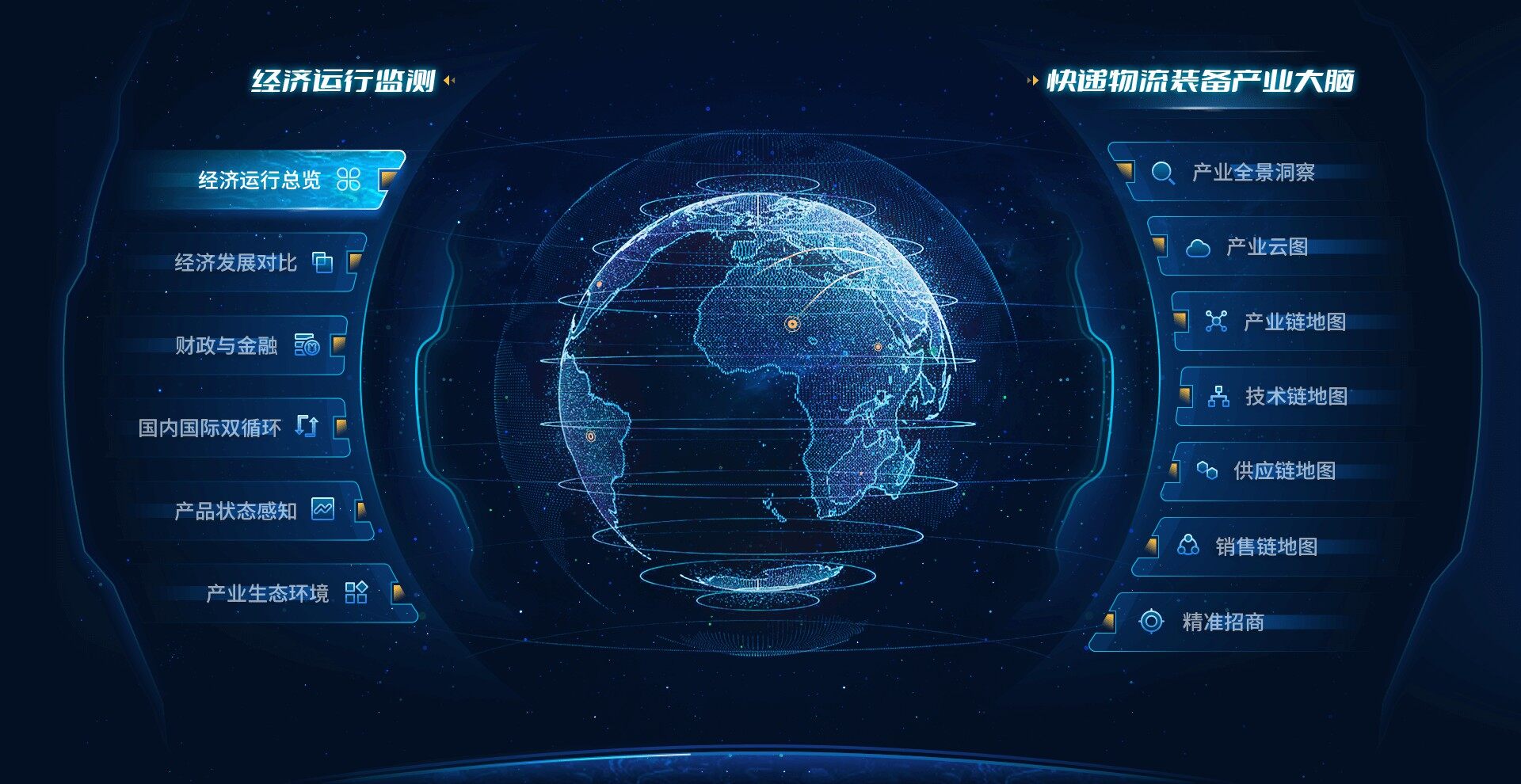
The optimization of China's freight structure is not simply a matter of switching the ratio of rail or water transportation, but a profound transition from single transportation to a three-dimensional network. In this transformation, digitization is the lifeblood, integration is the backbone, and the ability to fulfill commitments deeply rooted in the front line is the soul. The true competitiveness of modern logistics systems can only take root when the industry is no longer fixated on which mode of transportation is stronger, but instead focuses on how to make them better collaborate and coexist.Editor/Gong Ziwei
Comment






 Praise
 Collect
 Comment

 Share
Share


Write something~