 Search


- Cross border single order train operation, smooth cross-border logistics channels for foreign trade
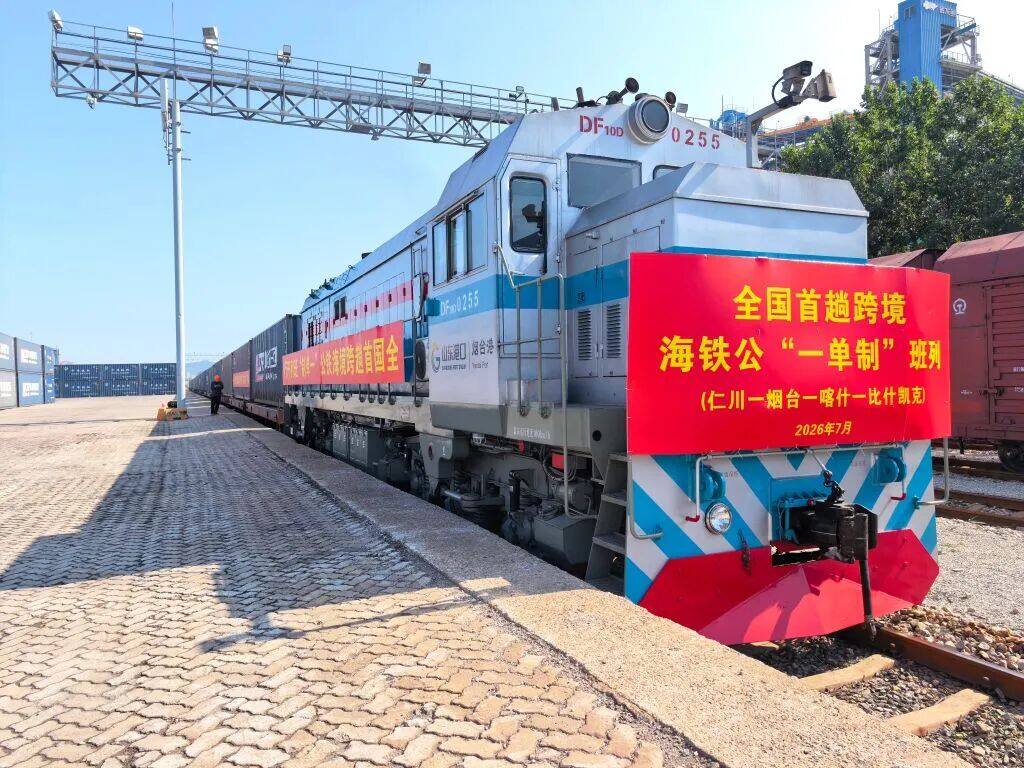
The domestic cross-border multimodal transport has achieved a new breakthrough, and the first integrated sea rail public cross-border train in China has successfully departed from Yantai Port. This new transportation model breaks down barriers between multiple modes of transportation, significantly reduces cross-border logistics time, simplifies customs clearance processes, and builds a new channel for improving the quality and efficiency of China's foreign trade and economic logistics.
Efficient intermodal transportation reduces costs
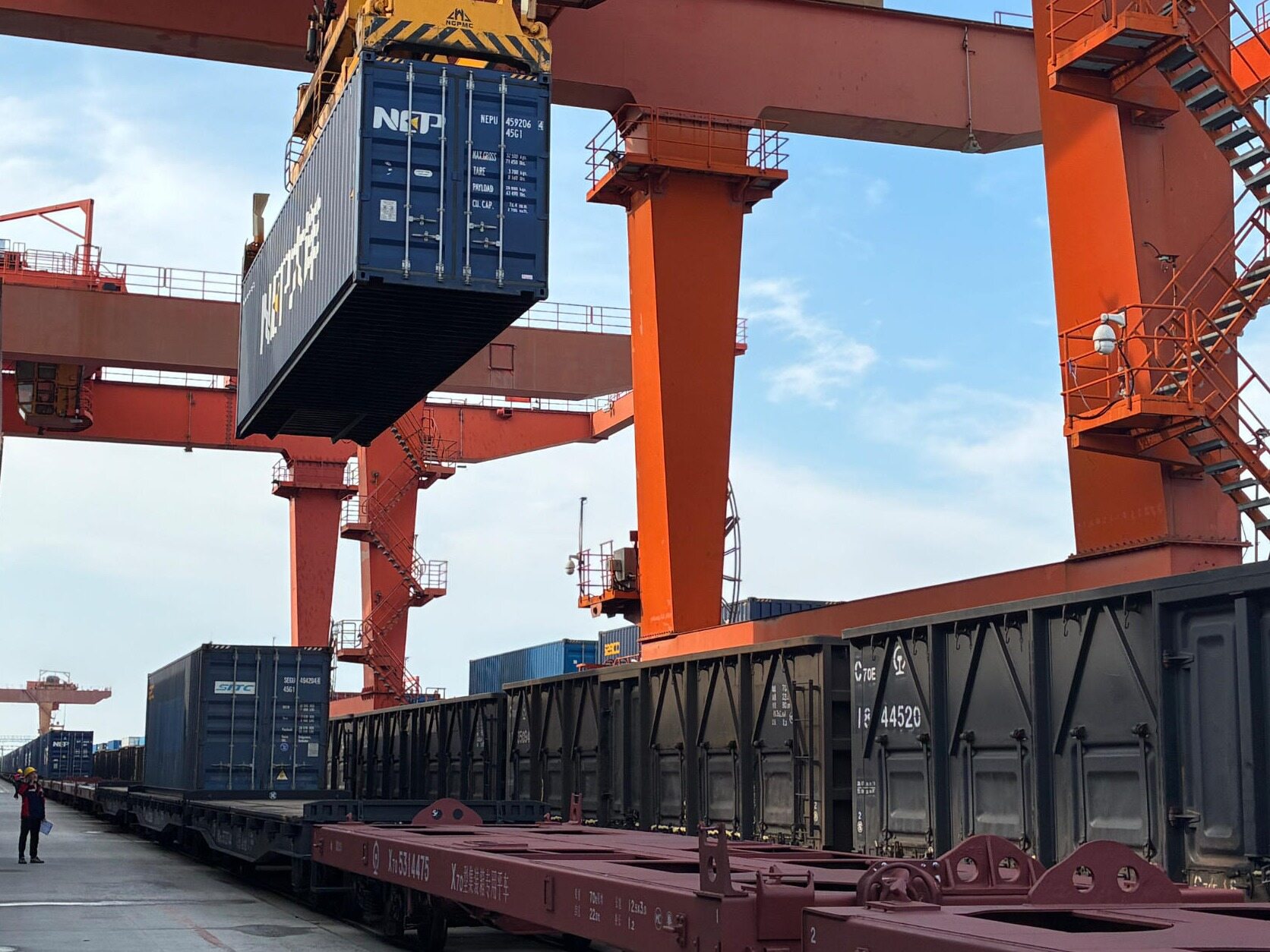
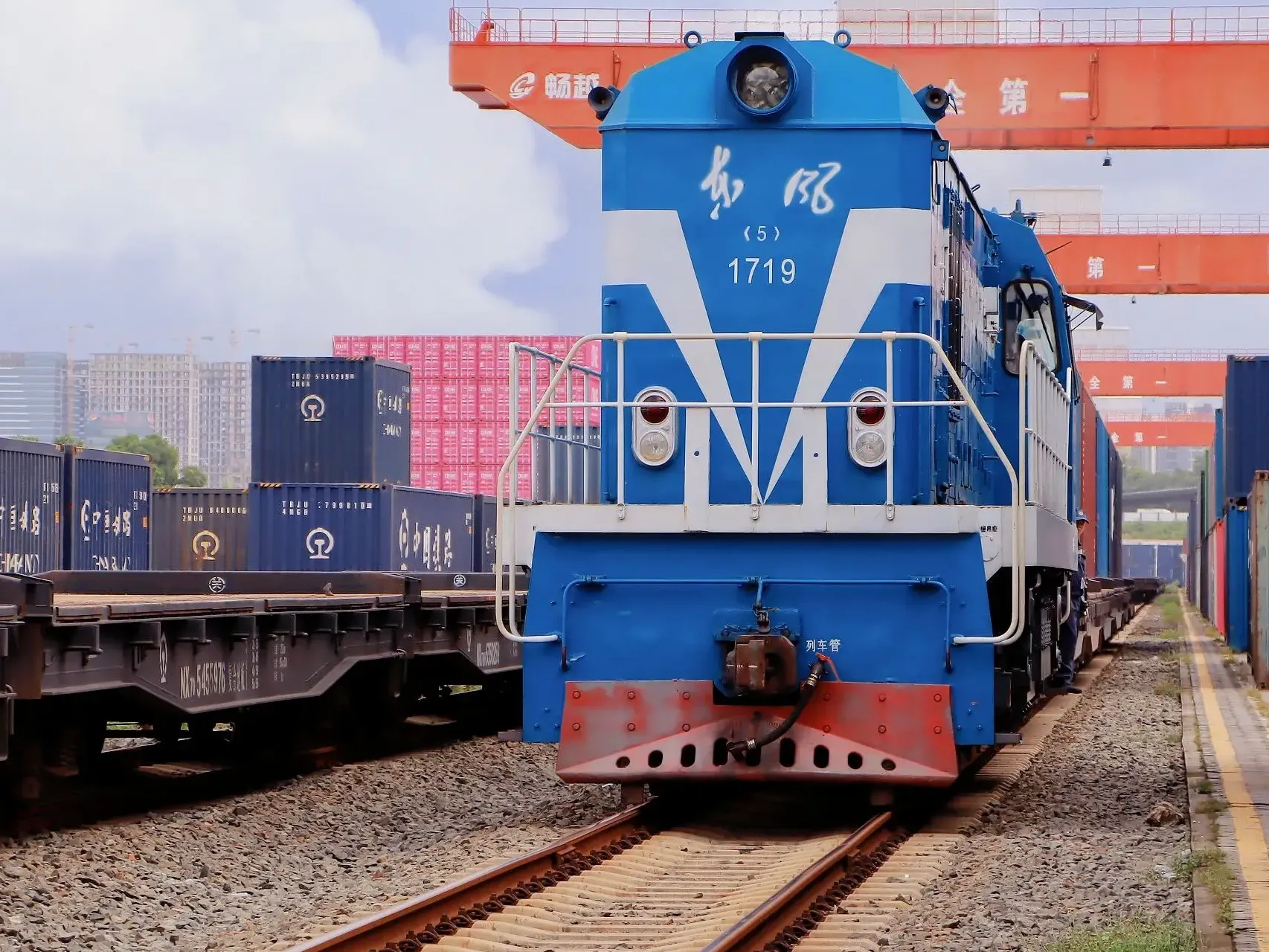
On July 21st, the X80442 train, loaded with commercial vehicles and automotive parts, departed from Yantai Port, marking the official launch of China's first cross-border sea rail single track train. The entire transportation process adopts a seamless connection mode of sea, railway, and road transportation. The goods are shipped from Incheon, South Korea to Yantai Port by sea, transferred by railway to Kashgar, and then transported by road to Bishkek, Kyrgyzstan. The total transportation time is only 12 days, which is 5 days shorter than traditional transportation modes. The transportation capacity connection is more precise and efficient, effectively avoiding logistics pain points such as transit delays and capacity mismatches. Keywords: single train system, cross-border multimodal transport
Mode innovation improves efficiency
This train innovation realizes the one-stop service of sea rail public transportation in all scenarios, relying on the national railway platform to issue the entire bill of lading uniformly, and the documents of each transportation link are mutually recognized and exchanged. Enterprises only need one commission to enjoy the full chain service of one pass, one settlement, and one box to the end, completely solving the problems of cumbersome cross-border logistics procedures and multi terminal docking in traditional logistics. The relevant departments have comprehensively improved the quality and efficiency of cross-border logistics organization by integrating and coordinating the supply of goods, container sources, and transportation capacity. In the future, relevant railway and port enterprises will continue to deepen multi-party cooperation, expand the application scenarios of single system, improve cross-border logistics networks, and help promote high-quality development of foreign trade economy.Editor/Min Jing
Comment


 Praise
 Collect
 Comment

 Share
Share


Write something~