 Search


- Qatar extends LNG force majeure to mid-October for multiple Asian purchasers, Reuters reports.
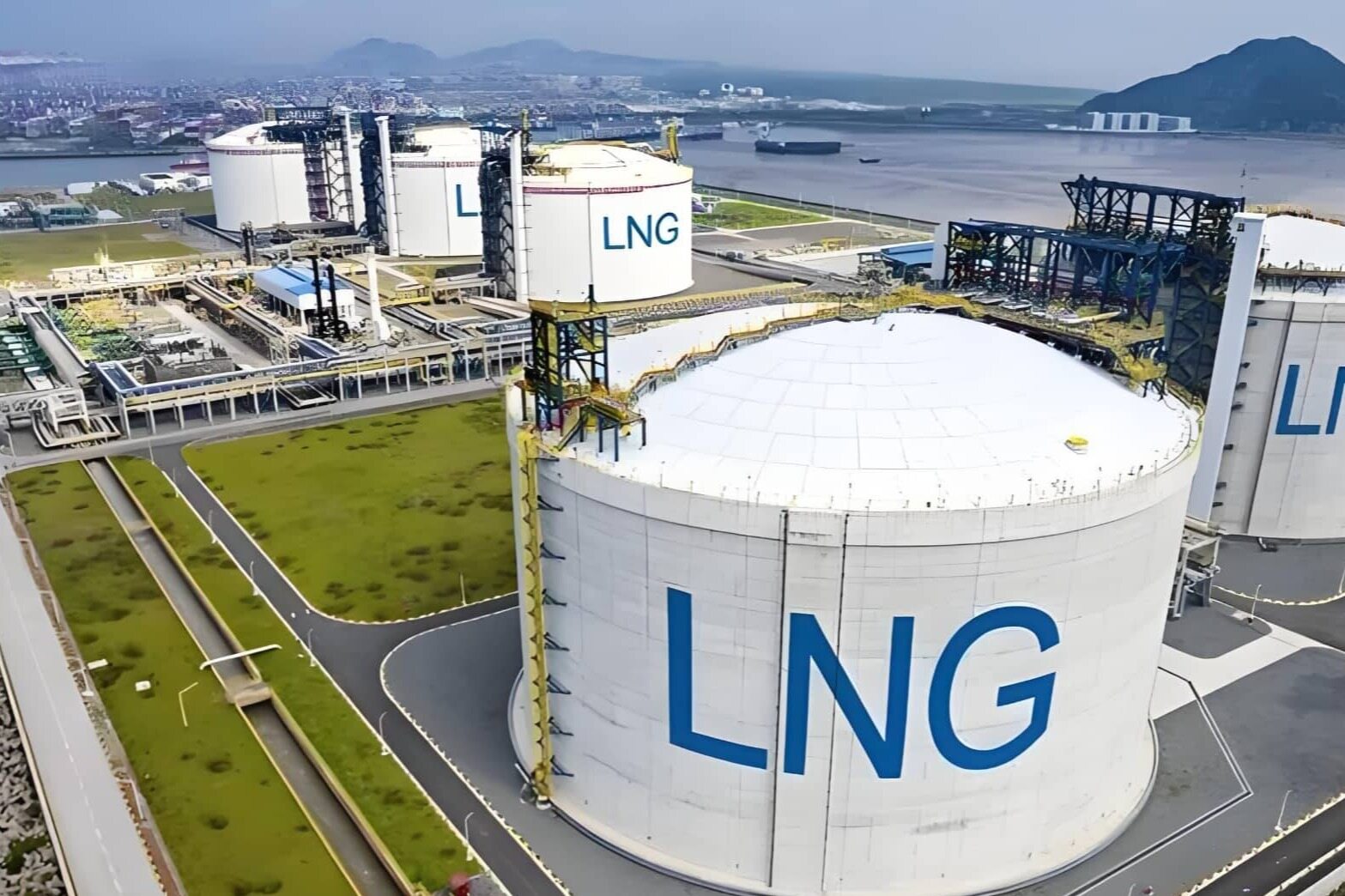
The world’s second-largest exporter, Qatar, has prolonged force majeure through to mid-October on deliveries of LNG cargoes to some of its Asian buyers,Reutersreported on July 23, citing sources with knowledge on the matter.
The Gulf country’s state-run company QatarEnergy initially declaredforce majeure on deliveries of LNG supply of March 4, following suspension of production at the Ras Laffan Industrial Complex following attacks by Iran.
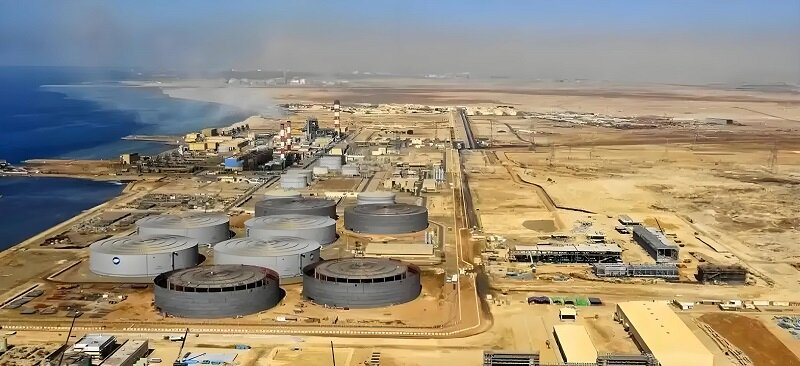
After the US and Iran established a ceasefire in mid-June, Qatar's Prime Minister Sheikh Mohammed bin Abdulrahman Al Thanisaid that QatarEnergy would return to normal LNG production within a few weeks. However, attacks in early July by Iran on vessels in the Strait of Hormuz caused QatarEnergy to extend force majeure notices to August on LNG cargoes for some of its Asian purchasers. Meanwhile, for Italian utility Edisonforce majeure was extended until early September.
Now, QatarEnergy is continuing to lease out several of its LNG carriers through mid-October hinting that deliveries customers could still be far off. One source, a Petrobangla official, toldReuters that QatarEnergy had extended force majeure on cargos to Bangladesh, India and South Korea. The sources stated that force majeure notices to those buyers were extended until mid-September.
Meanwhile, two shipbrokers toldReuters, that both QatarEnergy LNG Marketing and QatarEnergy Trading are still offering some of their LNG vessels for lease through October. The LNG carriers are being leased for 30 to 90 days on spot deals.
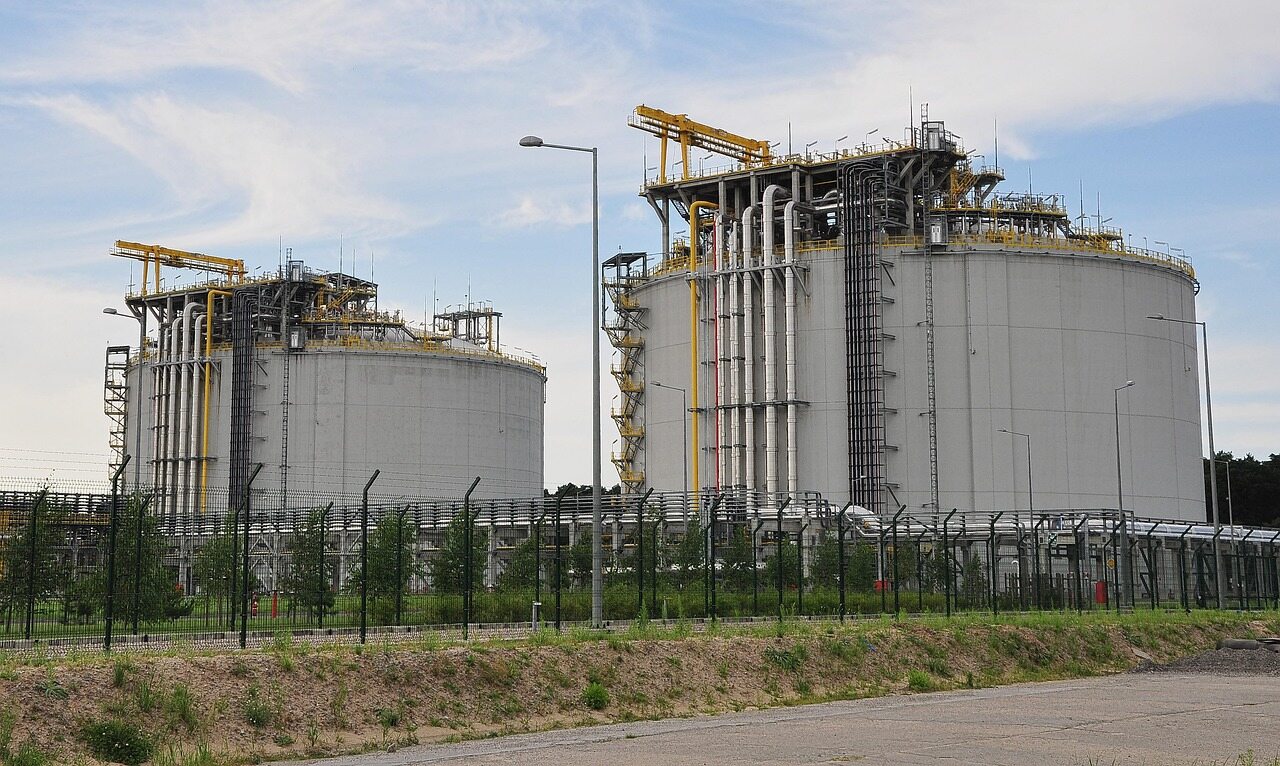
Qatar was the second largest exporter of the super-chilled fuel in 2025, trailing only the US. Roughly one-fifth of global LNG supplies passes through the Strait of Hormuz, a key chokepoint in the global market, as supplies from both Qatar and the United Arab Emirates must pass through the strait.The damage to the two liquefaction trains at Ras Laffan is expected to cost the Gulf exporter a loss in revenue of about $20 bn per year, while repair costs are expected to climb to as high as $26 bn.Editor/Min Jing
Comment

 Praise
 Collect
 Comment

 Share
Share


Write something~