 Search


- Intelligent payment connects data transactions in seconds, and the logistics industry enters a new stage
In the summer of 2026, in the Shanghai World Artificial Intelligence Conference Exhibition Hall, a huge electronic screen was jumping with real-time data: the total logistics volume of the whole society exceeded 368 trillion yuan, and highways, railways, ports, and aviation hubs were as dense as cobwebs. On the other side of the screen, a digital transformation aimed at the entire industry is being demonstrated - staff input a batch of cross-border goods information into the system, collaborate to arrange a large model to automatically parse multilingual documents, complete currency conversion and tax deduction in 1 second, and after 10 minutes, digital employees output a complete customs declaration plan. Applause erupted from the audience. At this moment, China's logistics industry has made a tangible leap from the era of physical infrastructure to global digital intelligence collaboration.
Cracking data silos with a three-tier architecture
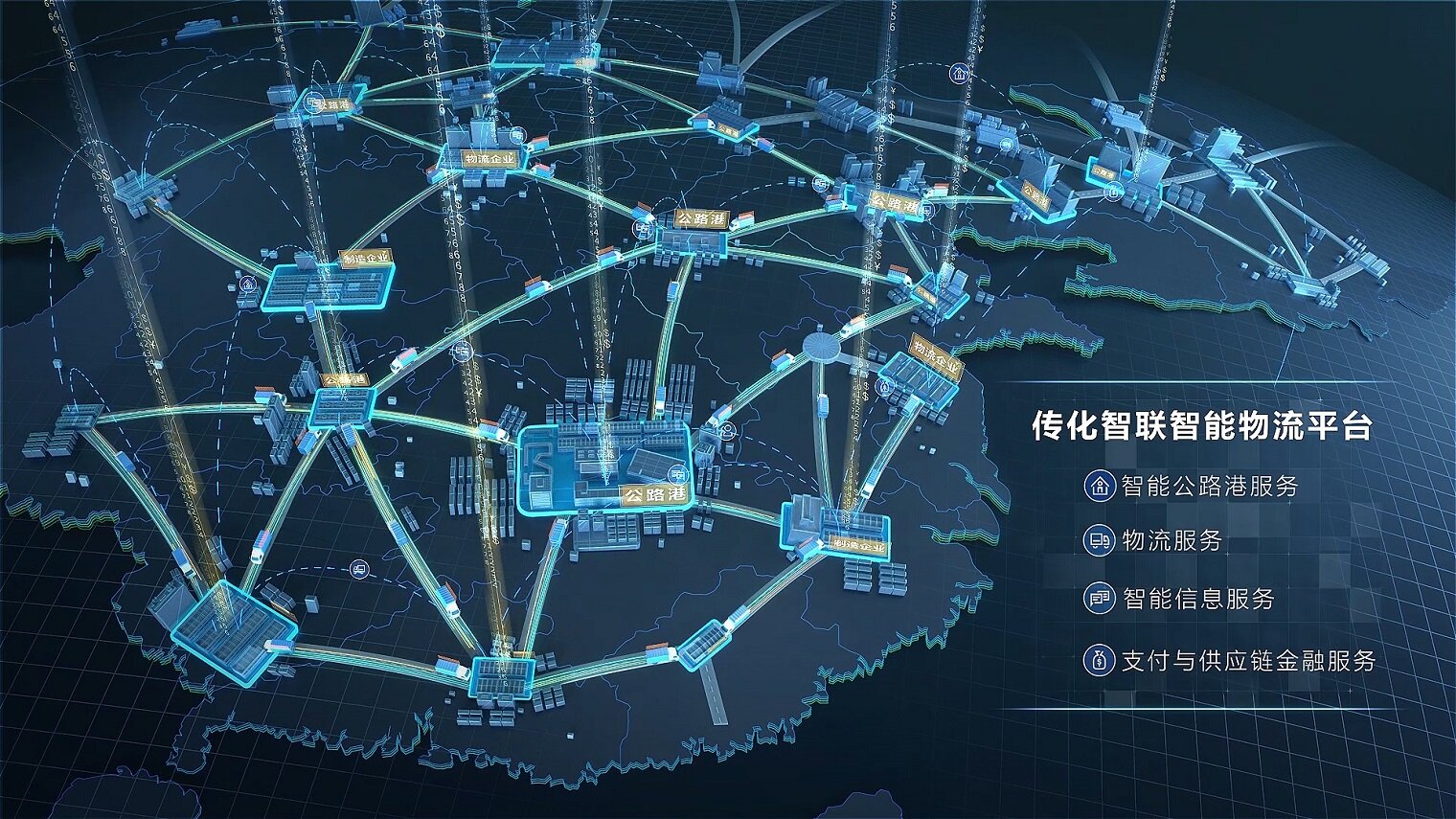
There are millions of market entities in the logistics industry, carrying the four-dimensional flow of goods, vehicles, funds, and information, with data scattered across enterprises, regions, and various business systems. Zhang Jian, Chairman of China Digital Logistics Information Co., Ltd., proposed that the modern logistics network is composed of three layers of architecture: transportation infrastructure network, logistics operation service network, and digital logistics network. The digital logistics network is a neural network that connects the entire industry.
Zhang Jian has clarified the core principles for the intelligent transformation of the industry: general intelligence is the technological foundation, while exclusive intelligence is the core barrier for enterprises. The supply chain quotation, customer resources, and business processes of logistics enterprises belong to core commercial assets and cannot rely solely on external general models. They need to rely on national level logistics big data platforms, integrate industry knowledge with enterprise private data, and create independent and controllable vertical exclusive intelligence.
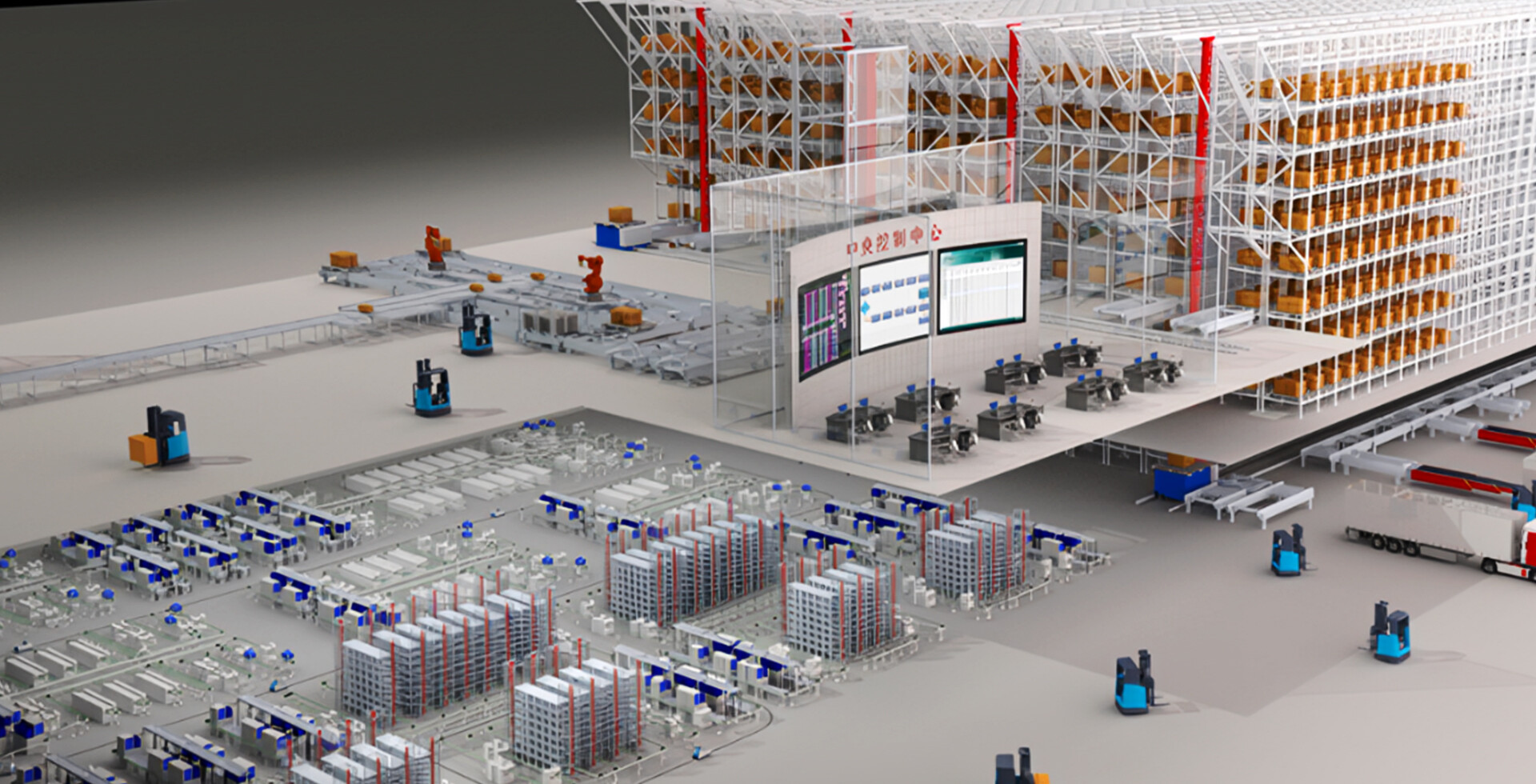
The industry has launched a six layer progressive logistics management engineering full chain system, covering six major links: AI computing infrastructure, multi model collaborative orchestration, logistics vertical model training, intelligent agent full lifecycle control, digital transformation of existing business systems, and scenario based FDE delivery. Ling Wen, an academician of the CAE Member, added that the current digital construction of the national logistics network has three major pain points: inconsistent standards, messy multi-source data formats, and the lack of hard core algorithms in the industry. It needs to tackle key problems in six directions: basic theory, digital operating system, digital facilities, digital services, central model, and multi-agent collaboration. At the same time, it emphasizes that the digital logistics base must be deeply coupled with green and low-carbon development.
Six major AI solutions to overcome operational bottlenecks
The holographic digital intelligent base of the logistics network has been officially completed and put into use. Interpretation by Wang Ke, Deputy General Manager of China Data Federation: Holography represents the gathering of all industry information, and the base ensures that data can be stored and flowed; Holographic expert models can understand business operations and accurately calculate solutions; Super intelligent agents can flexibly split and collaborate.
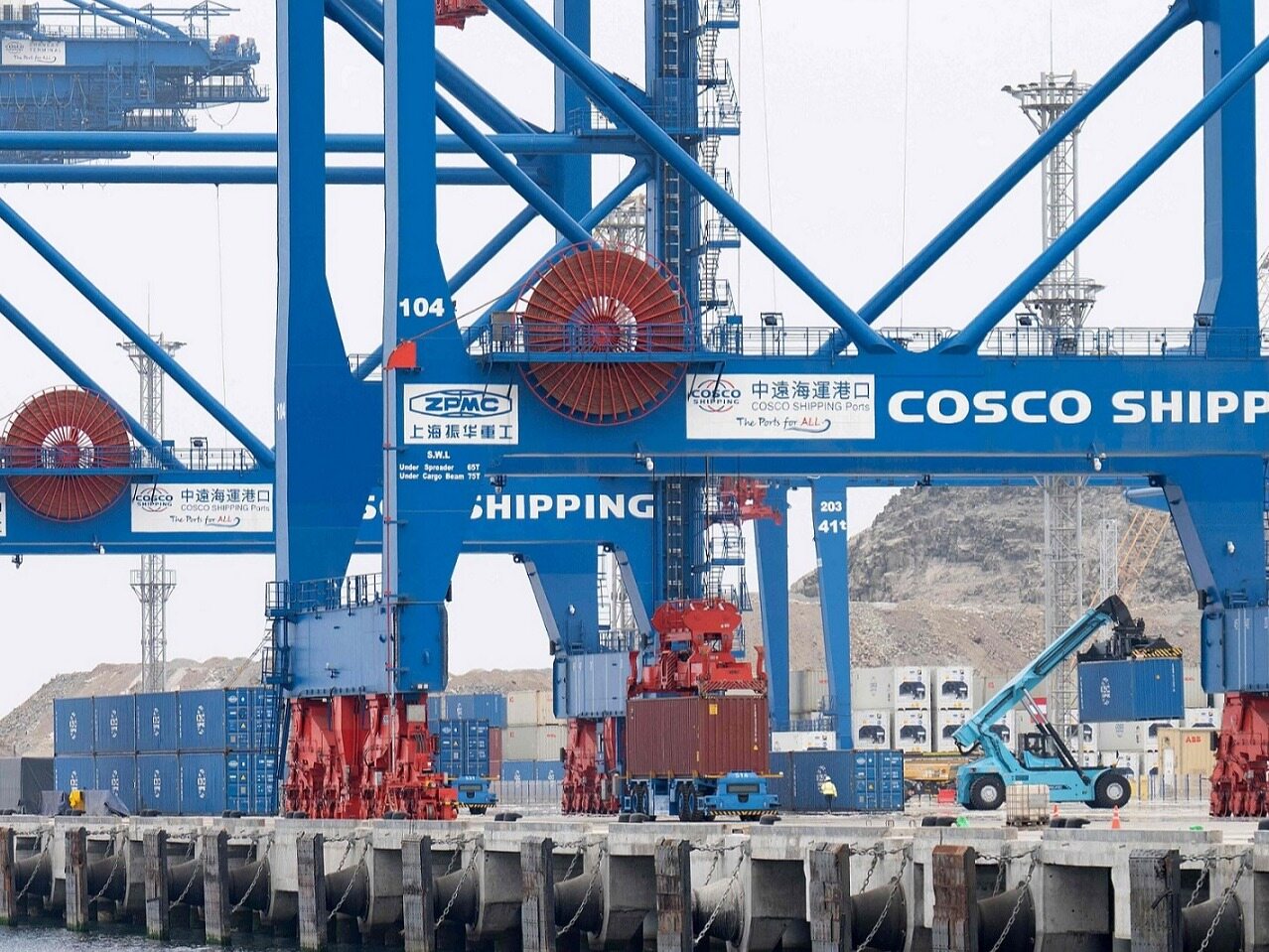
The entire base is built around five dimensions: integration, knowledge, collaboration, control, and delivery. It is equipped with six AI product matrices: operational optimization, collaborative orchestration, multimodal perception, intelligent prediction, data governance, and agile delivery. In the field of port scheduling, operational optimization models are used to construct perception generation evolutionary loops. China Merchants Group is responsible for building a unified industry model infrastructure, coordinating data across the entire industry, and outputting scheduling optimization, visual inspection, and document processing standardization capabilities for ports and shipping enterprises, breaking through the industry's stubborn problem of optimizing each link separately.
The cross-border customs declaration scenario relies on collaborative orchestration of large models to create a digital employee pipeline, building three major engines: field normalization, HS code inference, and compliance verification. The landing effectiveness data is noteworthy: one-third of the 8 million customs declaration transactions at the port each year can be automatically processed by digital employees, with a document recognition accuracy rate of 99%. The time for single document preparation has been reduced from 40 minutes to 10 minutes, and the training period for new personnel has been shortened from one month to two weeks. Wang Ke stated that human employees focus on strategic analysis and risk decision-making, while digital employees undertake standardized repetitive work. The dual engine of human-machine interaction will become the core productivity of logistics enterprises.
Intelligent payment opens second level transactions
With the landing of the digital logistics base, the DataClawHub open source community for the entire industry has been synchronously built, marking the formal formation of the AI native collaboration network in the logistics industry. Shen Yang, General Manager of Zhongshu Lian Logistics Technology (Shanghai) Co., Ltd., introduced the core of the transformation: the service objects of traditional industry platforms are people, and the core customers of AI native platforms are intelligent agents. All tasks, data assets, and collaboration engines support autonomous retrieval, calling, trading, and reuse by intelligent agents.
Real time scheduling, fare inquiry, risk warning and other scenarios in the logistics industry require small and high-frequency access to external data, which can take several days for traditional offline contract transactions. The platform, in collaboration with China UnionPay, has completed pre research on Agent Pay technology based on the APOP intelligent agent payment open protocol, endowing logistics agents with complete financial capabilities such as independent budgeting, independent procurement of data, automatic settlement, and full process auditing, compressing data transaction cycles from days to seconds. Keywords: Infrastructure News Network, Intelligent Logistics AI
The new OPC one person company management paradigm has emerged: in the past, individual practitioners relied on AI tools to complete auxiliary work, and the entire process of receiving orders and coordinating payments relied on manual labor; Future operators can form a digital employee cluster with independent budgeting, autonomous operation, and automatic payment collection capabilities, and the intelligent agent can transform from an auxiliary tool to a business unit that can independently create revenue. Professor Zhou Aoying from East China Normal University summarized that logistics intelligence is a systematic change that promotes business innovation and technological innovation simultaneously, and the global trustworthy data space is the core foundation for connecting the entire industry chain collaboration. Industry insiders predict that with the standardization of logistics data, models, and tools for measurement and online transactions, the logistics digital capability trading market will accelerate its formation.Editor/Gao Xue
Comment

 Praise
 Collect
 Comment

 Share
Share


Write something~