 Search


- The landing and application of port data elements empower the transformation and upgrading of the shipping industry chain

Looking at Rizhao Port in Shandong Province, the physical terminal loading and unloading operations are operating in an orderly manner, and a cloud based terminal with data as its core is quietly put into operation. Relying on the network foundation and massive datasets, the port connects internal and external data channels, promotes data resources to empower production and services upstream and downstream, and explores the path of data asset marketization.
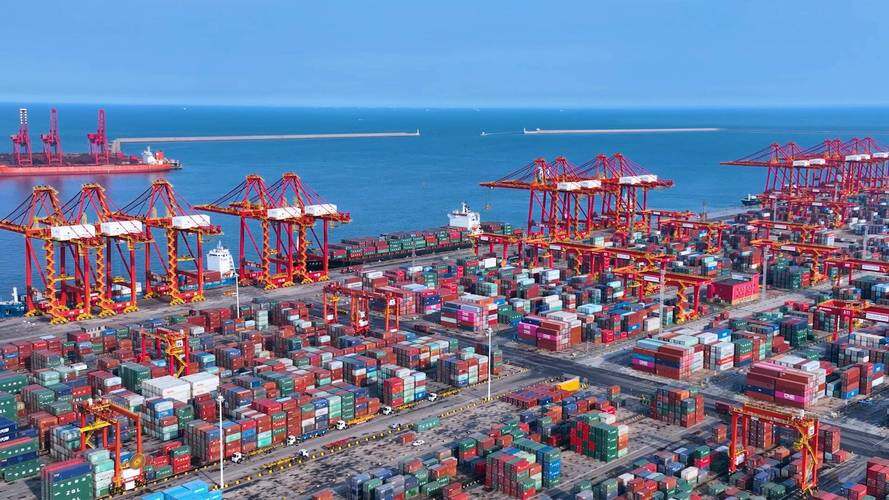
Construction of digital base
Rizhao Port has built a 50000 megabyte backbone Internet network and deployed more than 200 communication base stations, covering seven core production scenarios. The platform has PB level data storage capability and builds a three-level network security protection system. The port has built six major datasets in various fields, accumulating a large amount of image and operational data, continuously enriching AI model training materials, and plans to create more than 50 high-quality datasets in the future.
Collaborative efficiency of industrial chain
Data circulation has cleared supply chain bottlenecks, and electronic warehouse receipt financing has significantly reduced loan cycles, resulting in the activation of over 12 million tons of inventory. The logistics platform has gathered 100000 users and operating vehicles, significantly improving business processing efficiency. Lingang enterprises rely on shared data views to optimize production scheduling, and achieve intelligent upgrades in traffic flow guidance and safety control in the port area. Keywords: Port Data Elements, Smart Port
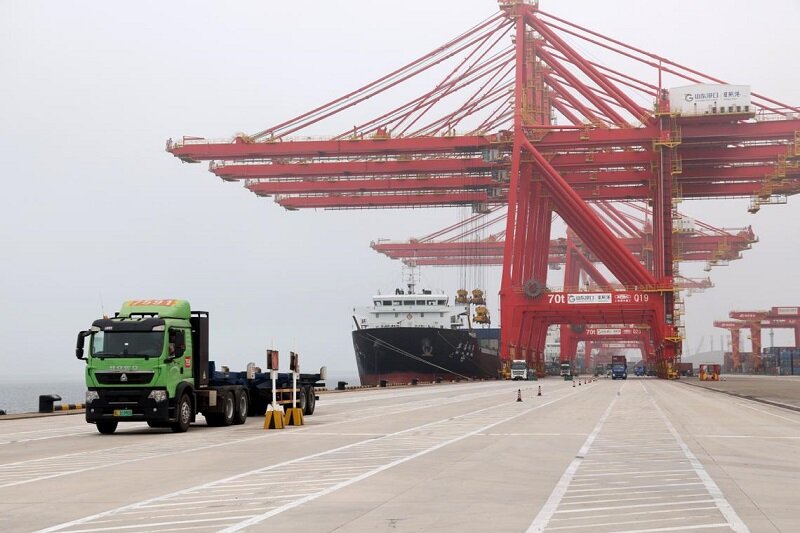
Data Value Mining
Rizhao Port is promoting the inclusion of data assets in its financial statements and implementing the first multi million level data asset pledge financing in the port industry, achieving the realization of data asset monetization. The digital transformation has promoted a more than 30% increase in work efficiency and a threefold increase in labor productivity. Based on local data pilot policies, relevant cases have been selected as typical samples of national level data circulation governance, providing a demonstration for the digital transformation of traditional ports.Editor/Min Jing
Comment





 Praise
 Collect
 Comment

 Share
Share


Write something~