 Search


- African trade shows structural growth, with full chain logistics becoming the key to competition
- Asia Africa maritime transportation is experiencing rapid growth, and infrastructure shortcomings are becoming apparent
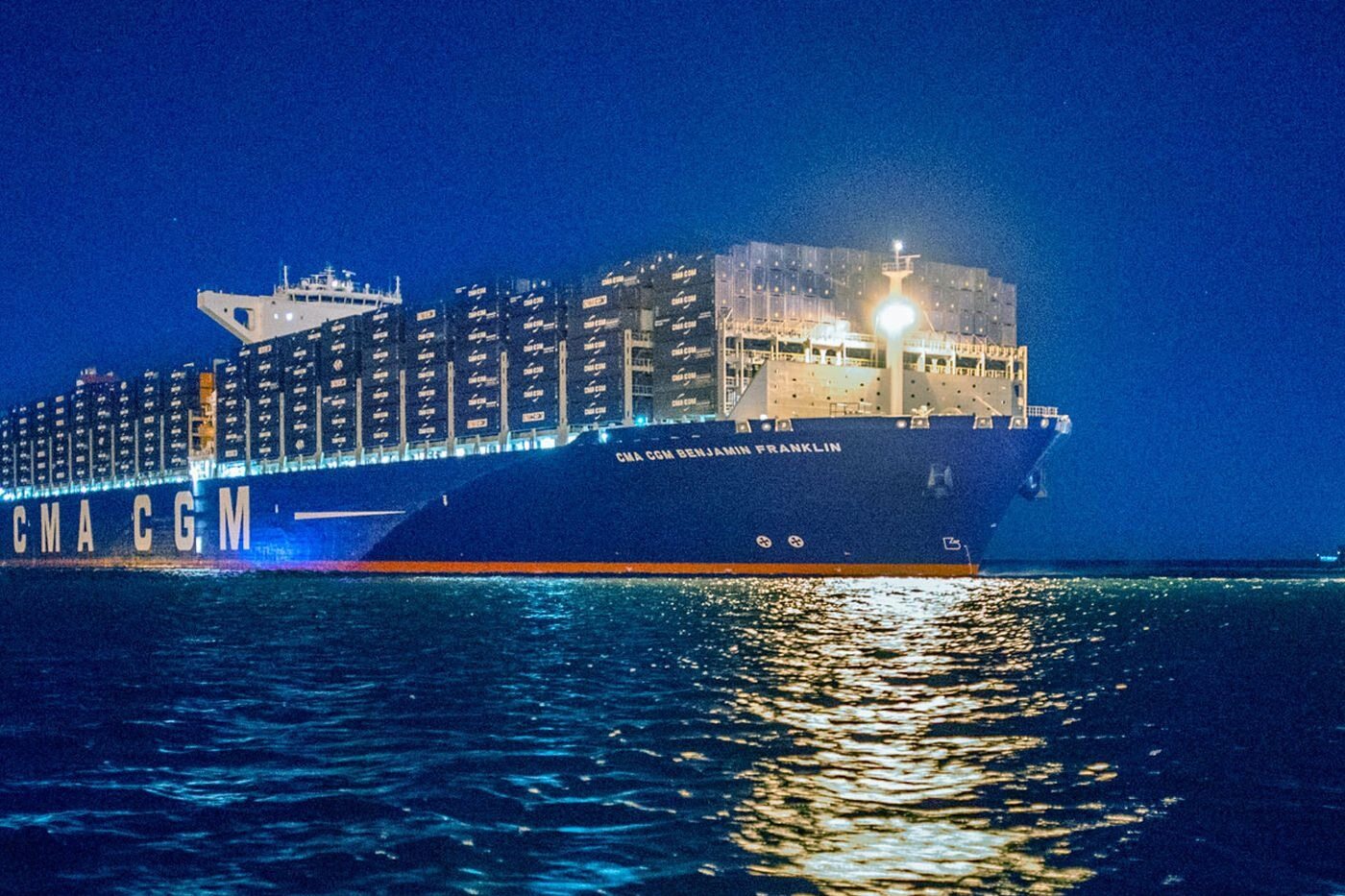
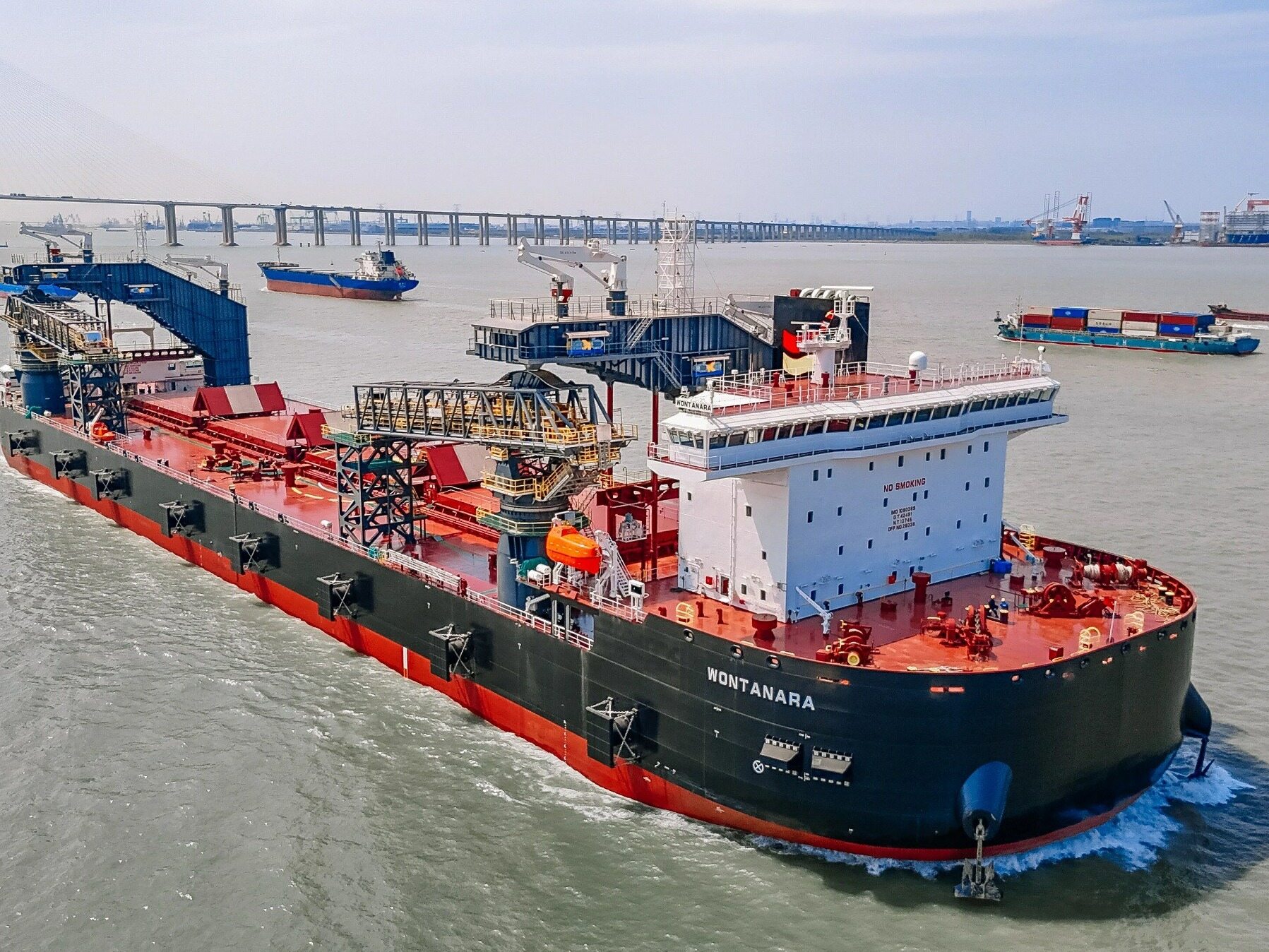
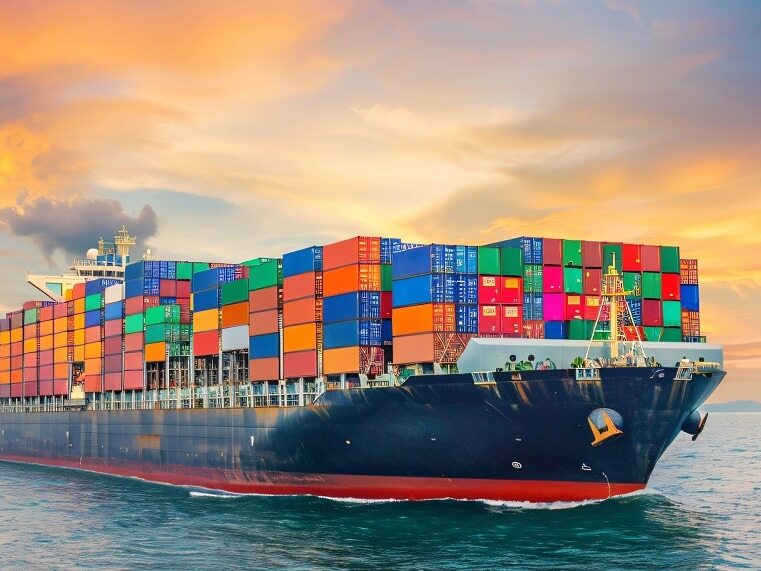
When the ten thousand ton giant ship sliced through the morning mist of the Gulf of Guinea and approached the deep-water berth in West Africa, the wave of Asia Africa shipping had already spread above sea level. The port crane arm operates day and night, but it cannot hide the dilemma of inland connection - this shipping change caused by the surge in demand is pushing the hidden worry of heavy sea and light land to the forefront.
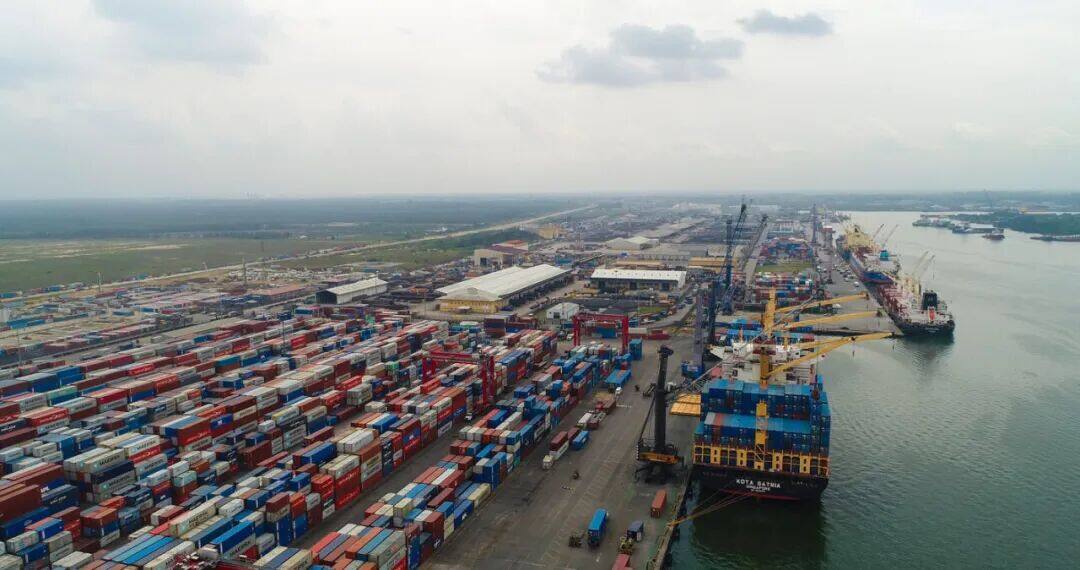
Currently, shipping companies are accelerating their layout in the African market, seizing opportunities for local import growth, and the Asia Africa route has become the fastest-growing container shipping channel in the world by 2026. Industry analysis shows that routes with nearly doubled capacity within two years are rare. However, the growth rate of demand in Africa far exceeds that of ports and inland supporting construction, with a large influx of Asian goods. The pressure on major ports and back-end transportation channels is highlighted, and this imbalance of prioritizing front-end over back-end is overdrawing the long-term resilience of shipping routes.
The heat of route growth is soaring
In the past two years, the capacity of Asia Africa air routes has expanded rapidly. As of July 1, 2026, the Asia West Africa route has deployed 185 container ships with a total capacity of 1.4 million TEUs, an increase of nearly 30% compared to the same period in 2025. In the past 16 months, Africa's imports have cumulatively increased by 52%, with a monthly volume of 5 million TEUs in May, a year-on-year increase of 14.3%. The market has driven up freight rates, with freight rates for Asia West Africa and Asia East Africa routes rising by 43% and 35% respectively. Behind the data lies the reality of overloaded port operations - prolonged waiting times for ships, declining punctuality rates, and the risk of supply chain disruptions on the last mile.
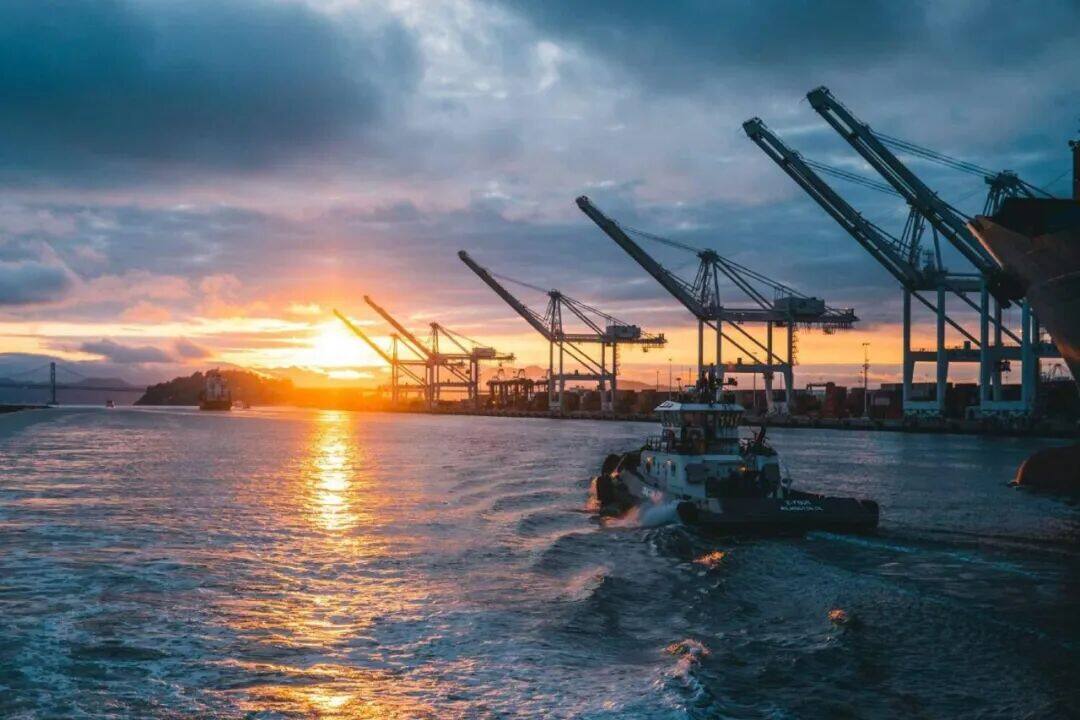
The surge in cargo volume tests the foundation of Africa's supply chain. Port congestion has caused ships to be stranded and wait, with a flight rate of only 24% in the second quarter and an average waiting time of 4 days for ships to berth. Despite the shortcomings in infrastructure, shipping companies still have a positive outlook, and Hapag Lloyd plans to double its cargo volume in Africa by 2030. The single ship loading and unloading volume of major ports in Africa is synchronously increasing, and the scale of port operations continues to expand. But this model of supplementing efficiency with quantity is unsustainable. If inland logistics cannot be upgraded synchronously, the prosperity of ports will eventually become a throughput trap.
Giant seizes the African shipping market
Major shipping companies are intensifying their efforts to explore emerging markets in Africa. Hapag Lloyd relies on acquisitions to solidify its regional business; Mediterranean Shipping was the first to deploy ultra large container ships; Dafei Shipping has laid out multiple routes and docks, and relocated its regional headquarters in Africa; Maersk has added non direct routes to Asia and the West. Nowadays, West African ports have normalized the acceptance of 10000 TEU class large ships, achieving a significant upgrade in ship types compared to ten years ago. However, the significance of upgrading ship types ultimately lies in whether the goods can efficiently reach factories and shopping malls - if we only stay at being able to catch the ship and ignore being able to deliver, the value of technological iteration will be greatly reduced.
There are shortcomings in inland logistics
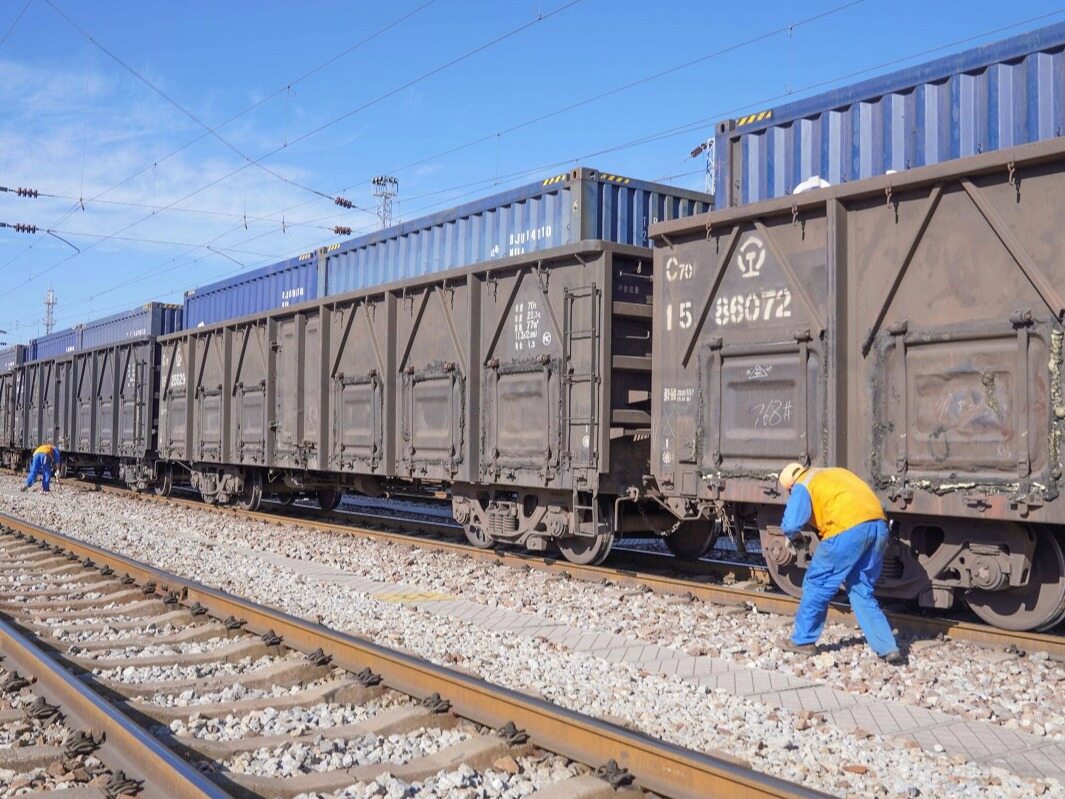
The port can accommodate large ships, but the inland system is difficult to digest the concentrated containers at the port. Large quantities of containers being unloaded in a short period of time bring enormous pressure to highways, warehousing, customs clearance, and inland logistics. Industry views suggest that the growth in cargo volume has not yet reached its peak, and there is a need to increase investment in supporting facilities such as logistics, railways, and inland stations. The real competitive barrier is never the size of the fleet, but the full chain control from the port to the hinterland - whoever can break through the nodes in congestion can take the lead in the long run of the African market. Keywords: Asia Africa route, container shipping, capacity expansion
African imports belong to structural long-term demand, and port bottlenecks drag down container circulation. In the future, industry competition will no longer focus on scale mergers and acquisitions, and the full chain logistics capability of ports connecting production areas and consumer markets will become the core. This layout that began in the ocean will eventually return to the competition on land - only by making the logistics of goods move and turn quickly can the growth of Asia Africa routes truly be transformed into the driving force of regional development.Editor/Gong Ziwei
Comment


 Praise
 Collect
 Comment

 Share
Share


Write something~