 Search


- Innovate the investment model of pipeline network and establish a new model for Gulf energy cooperation
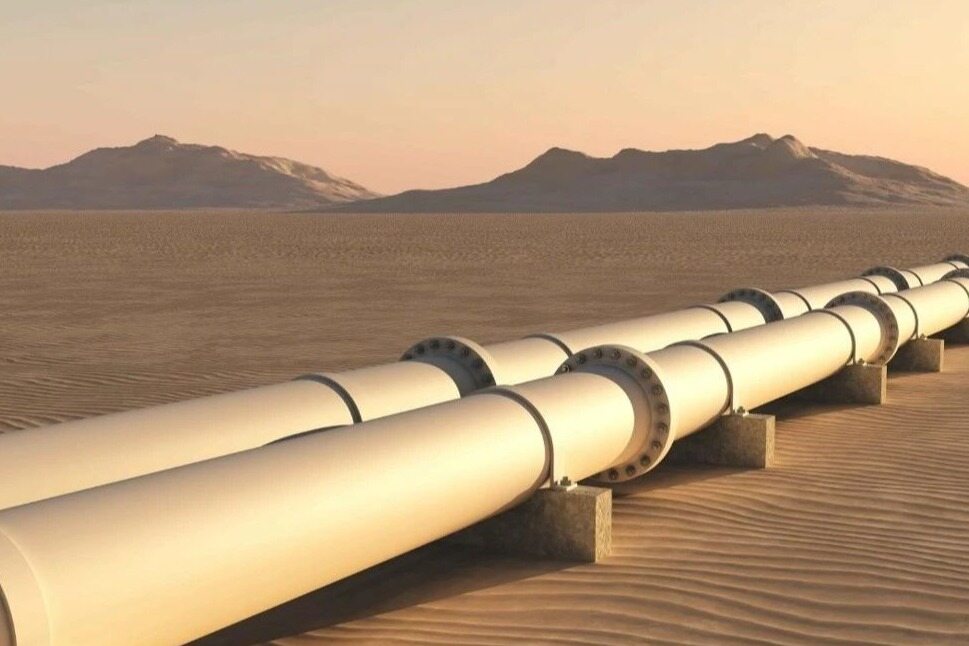
In the complex geopolitical situation of the Middle East market, the dust of a billion dollar energy transaction has settled. Kuwait Oil Company adopts a sale and leaseback model to revitalize the existing assets of oil and gas pipelines nationwide, while introducing international long-term capital on the premise of safeguarding national energy sovereignty.
Innovative cooperation architecture
This $16 billion transaction is the largest foreign direct investment in Kuwait's history, covering 13 core oil pipelines with a total pipeline network length of approximately 320 kilometers. Both parties will establish a local joint venture company and obtain the 20.5-year right to use the pipeline network, which will be leased back to Kuwait Oil Company. The company will independently dispatch and operate the pipeline, and pay pipeline transportation fees according to the transmission volume. Kuwait Oil Company holds a 51% stake in the equity structure, firmly controlling assets and operational decision-making power. The three foreign investors hold a total of 49% of the shares, serving only as financial investors and not interfering with crude oil production and capacity planning.
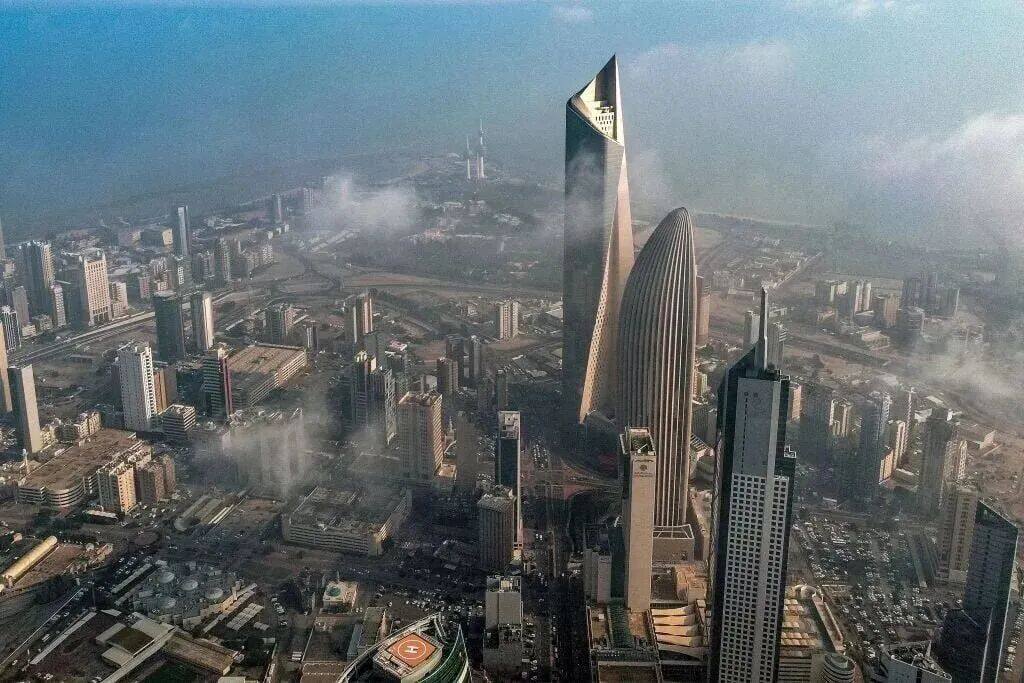
Obtain large cash flows
After the transaction is completed, Kuwait Oil Company will receive a one-time upfront capital of 7.85 billion US dollars. All funds will be invested in the country's petroleum strategic construction, helping to achieve the target of producing 4 million barrels of crude oil per day by 2035. This will be used for increasing production in old oil fields, exploring and developing new areas, upgrading pipeline networks, and supporting infrastructure upstream and downstream. Morgan Stanley, HSBC and other institutions serve as project consultants, and the entire model balances financing needs and energy security bottom line. Keywords: Kuwait energy infrastructure, pipeline network after-sales leaseback
Release industry signals
Against the backdrop of intensified regional geopolitical risks, the implementation of this project reflects global capital's optimism about the certainty of energy infrastructure returns in the Middle East. This post-sale leaseback plan, which includes state control and foreign financial investment, provides a replicable reference for the capitalization of pipeline and storage tank assets in other Gulf countries. The project will not only help Kuwait break free from its single dependence on oil finance and promote economic diversification, but also accelerate the marketization process of energy assets in the Middle East.Editor/Min Jing
Comment

 Praise
 Collect
 Comment

 Share
Share


Write something~