 Search


- Establishing a zero carbon container logistics channel from the Yangtze River Delta to the Pearl River Delta
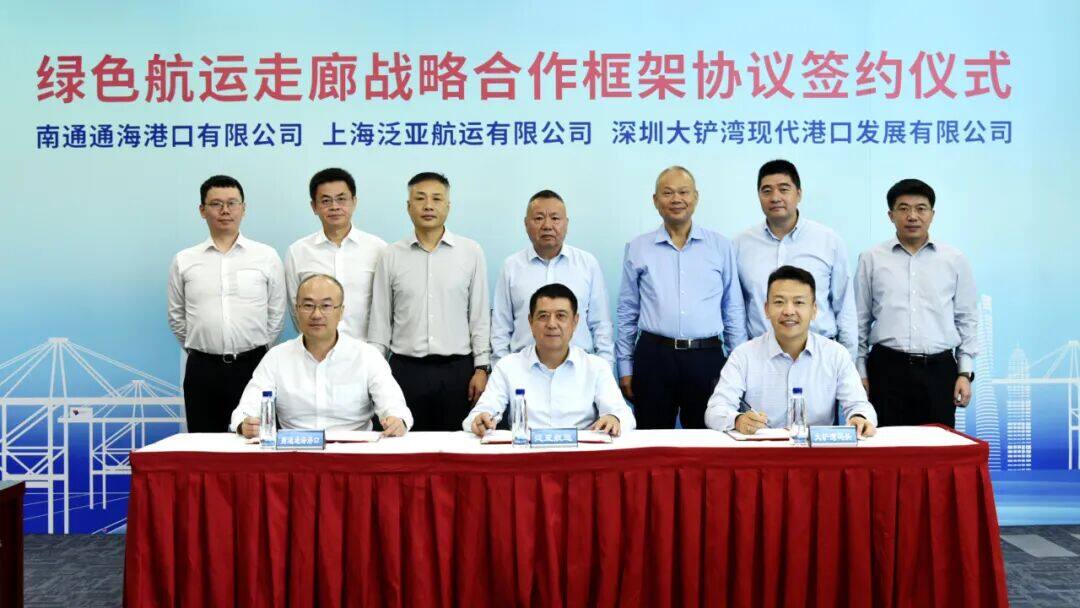
In a signing hall by the Huangpu River, representatives from three parties signed in writing. Recently, Shenzhen Port Dachan Bay Terminal, Nantong Tonghai Port, and Pan Asia Shipping jointly signed a strategic cooperation framework agreement for a green shipping corridor in Shanghai. This is the first strategic cooperation agreement since the launch of the Shenzhen Port Green Shipping Corridor construction action, which also means that for the first time, ports, hub ports, and mainline shipping companies have been brought to the same table between the Yangtze River Delta and the Pearl River Delta, and a low-carbon approach has been adopted for container cargo flow from the lower reaches of the Yangtze River to southern China.
Three parties each play their own cards
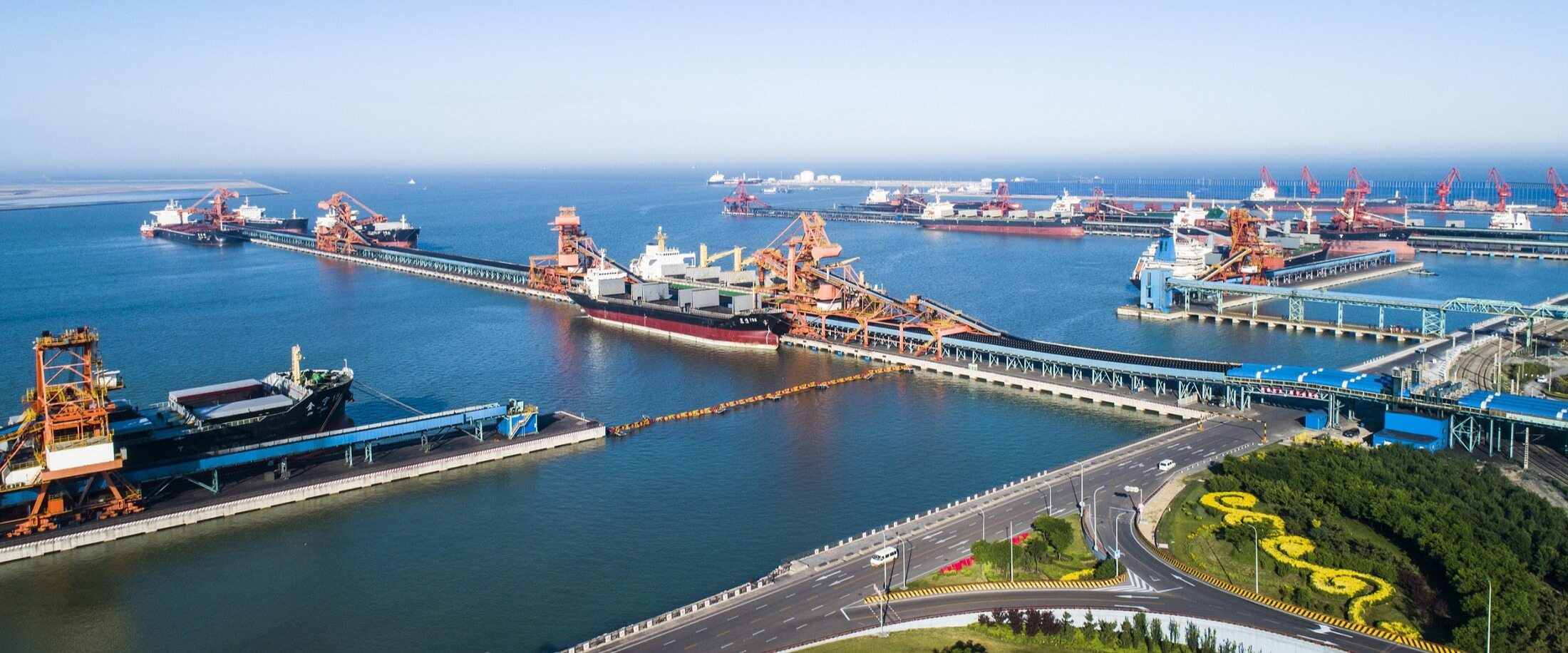
Collaboration is not about joining in the fun, all three parties have hard cards in their hands. The Dachan Bay Port is located in the core of the Pearl River Delta and is an important part of Shenzhen Port. In 2007, it won the world's first fully electric tire type gantry crane terminal. In 2019, it became the first fully berth shore power coverage port in South China. By 2025, the on-site operation trailers will be 100% clean and energy-efficient, directly reducing 3520 tons of carbon emissions annually. Its home port, Shenzhen Port, has firmly become the fourth largest container hub port in the world. Nantong Tonghai Port is located at the mouth of the Yangtze River and is a key gateway for river sea intermodal transportation along the Yangtze River Delta. It has complete experience in shore power, port pollution prevention and control, and river sea intermodal transportation organization. Pan Asia Shipping holds the fleet and operational network of the Yangtze River to South China mainline route, serving as the transportation backbone of this channel.
In the past, the two ports each pursued green initiatives: different shore power standards, different types of new energy equipment, and a lack of connectivity between ship dynamics. This agreement incorporates the principles of voluntary equality, mutual benefit, information sharing, openness and transparency, and collaborative carbon reduction. It clearly states the establishment of long-term stable cooperation and the joint creation of an exclusive green shipping channel based on the location of Dachan Bay in the Pearl River Delta, Nantong Tonghai Yangtze River Delta hub, and Pan Asian shipping trunk line capacity.
How can the channel turn green
According to the agreement, the three parties need to deepen their efforts in investing in new energy facilities, updating and renovating equipment, and promoting information interconnection and sharing. Whether the shore power can be connected or not, the dynamic and reservation information can be connected before the ship arrives at the port, and the power can be plugged in immediately upon berthing, reducing the diesel burning of auxiliary engines by one hour; Continuously iterating electric loading and unloading and clean towing equipment on the dock side; On the route side, the existing Yangtze River to South China trunk line of Pan Asia will be used as a carrier to optimize the entire chain transfer connection and operation scheduling, reducing the carbon emission intensity of the container shipping supply chain.
The goal is straightforward: zero carbon orientation, cost reduction and efficiency improvement, and mutual benefit. The three parties do not play with concept stacking, but instead turn the entire container logistics channel from Nantong to Shenzhen into a green, efficient, stable, and low-carbon sample, improving the overall operational efficiency and market core competitiveness of the route, and providing replicable and promotable practical experience for the national green port and shipping industry.
Standing behind is dual carbon and APEC
The weight of this contract needs to be examined in a larger chessboard. Under the national dual carbon strategy, the Ministry of Transport has released an international green shipping corridor cooperation initiative. The IMO has set a goal of achieving net zero emissions from shipping before and after 2050, and the carbon emission intensity of international shipping vessels will be reduced by about 40% by 2030 compared to 2008. 2026 is the APEC China Year, with green and low-carbon transformation and Asia Pacific supply chain resilience as core issues. Shenzhen is building a global ocean center city, and on July 9th, it announced the Shenzhen Port International Green Shipping Corridor Cooperation Initiative at the Shenzhen Port International Supply Chain High Quality Development Conference, linking trans Pacific nodes such as Los Angeles Port and Long Beach Port.
Dachan Bay took the initiative to undertake this home diplomatic window and launched the green channel for domestic trade from Nantong to Shenzhen, which is not only the physical result of the green transformation of Shenzhen's port and shipping industry, but also a carbon reduction practice for APEC2026. The mature green shipping corridors in China are mostly concentrated in the Yangtze River Delta, and the Greater Bay Area lacks a dedicated and stable standardized green channel. This Nantong Shenzhen corridor fills this gap by using the Yangtze River Delta cargo hinterland and the Pearl River Delta export hub to verify the cross regional model of port shipping linkage, carbon reduction and efficiency improvement.keywords:Infrastructure News
The three parties have agreed that they will continue to connect the transfer links, optimize the entire chain of operations, share emission reduction data, and turn the new energy, equipment updates, and information exchange items in the framework agreement into feasibility and scheduling. When the waves of the river and sea start to be driven by electricity, the experiment of a channel may rewrite the freight background of two urban agglomerations.Editor/Yang Meiling
Comment


 Praise
 Collect
 Comment

 Share
Share


Write something~