 Search


- Top AI companies are rewriting supply chain rules with long protocols

When Volta Infra, a cloud startup that has only been established for a few months, announced a $10 billion computing power agreement with an AI laboratory, the market's attention quickly shifted to Norway's 133 MW data center. Multiple media outlets have confirmed that the client is Anthropic, a major model manufacturer. From deep binding with Google and Amazon to heavily locking in new infrastructure, leading AI companies are rewriting supply chain rules with long protocols.

Lock in production capacity of billions in six years
The core asset of this transaction is located in Norway, deploying Nvidia's latest generation Vera Rubin chip with an overall computing power capacity of 133 megawatts. For Anthropic, the six-year multi billion dollar contract is not simply a cloud service procurement, but an early locking in of computing power supply and cost range.
The underlying logic of computing power competitions has undergone fundamental changes. Microsoft's FY26Q4 intelligent cloud revenue was 39.3 billion US dollars, with Azure increasing by 43% year-on-year; Amazon AWS revenue was $42.2 billion, a year-on-year increase of 37%. Even if the two giants continue to increase capital expenditures, the supply of computing power will still be scarce from 2026 to 2027. In this supply-demand pattern, the rental price of computing power continues to rise, and locking in production capacity in advance has become an inevitable choice for top AI manufacturers.
The risks of commercializing computing power are also real
Under the halo of billions, risks cannot be ignored. For Anthropic, a six-year rigid expenditure is a definite financial commitment, and if the commercial growth rate falls short of expectations, cash flow will continue to be under pressure. The iteration pace of AI chips is extremely fast, and the computing power assets locked in a few years ago are facing the risk of technological depreciation.
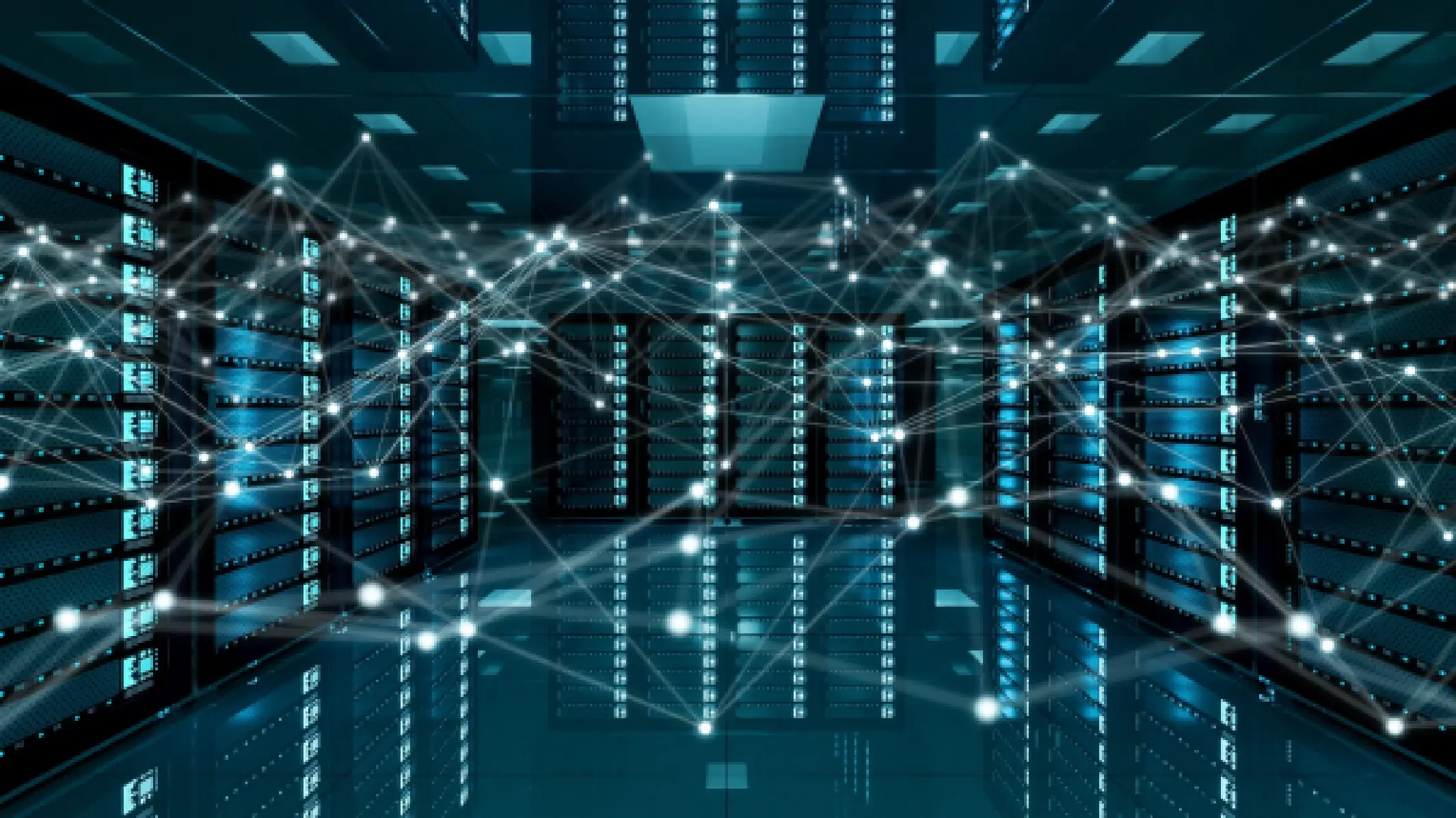
For computing startups like Volta, long-term partnerships do not mean peace of mind. Chip procurement, data center construction, and cluster deployment require significant upfront capital expenditures, and any delays in these processes will result in delivery default pressure. There are also variables in the supply and demand cycle - once global computing power is concentrated and put into production, the market shifts from supply shortage to oversupply, and the downward trend in computing power leasing prices will compress long-term profit margins.
The AI competition has evolved from algorithm competition to a heavy asset competition of computing infrastructure. Billions of computing power orders are a symbol of the industrial era, but the ultimate winner is still whether the commercial closed loop can run smoothly.Editor/Cheng Liting
Comment


 Praise
 Collect
 Comment

 Share
Share


Write something~