 Search


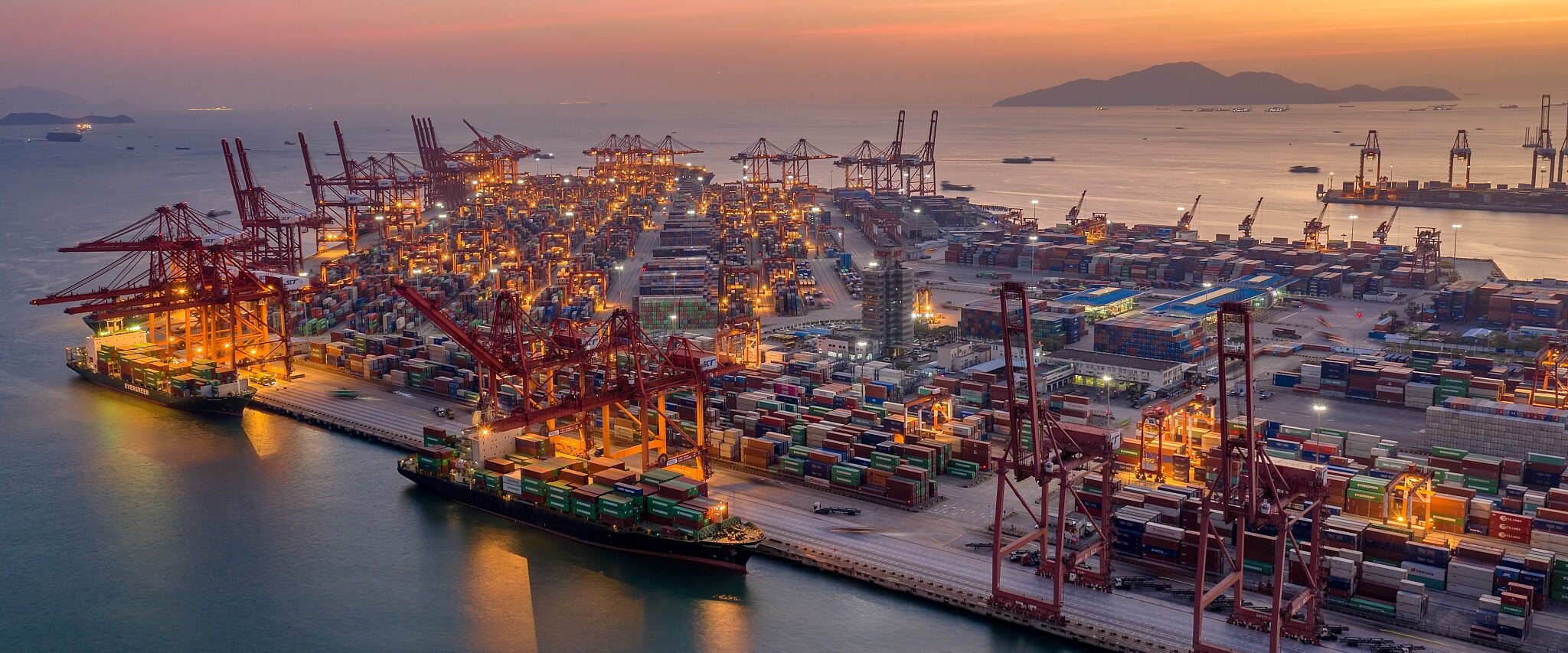
- The direct freight service from Dar es Salaam Port in Tanzania to standard gauge railway has officially opened
- This breakthrough marks the comprehensive acceleration of logistics integration in the East African region
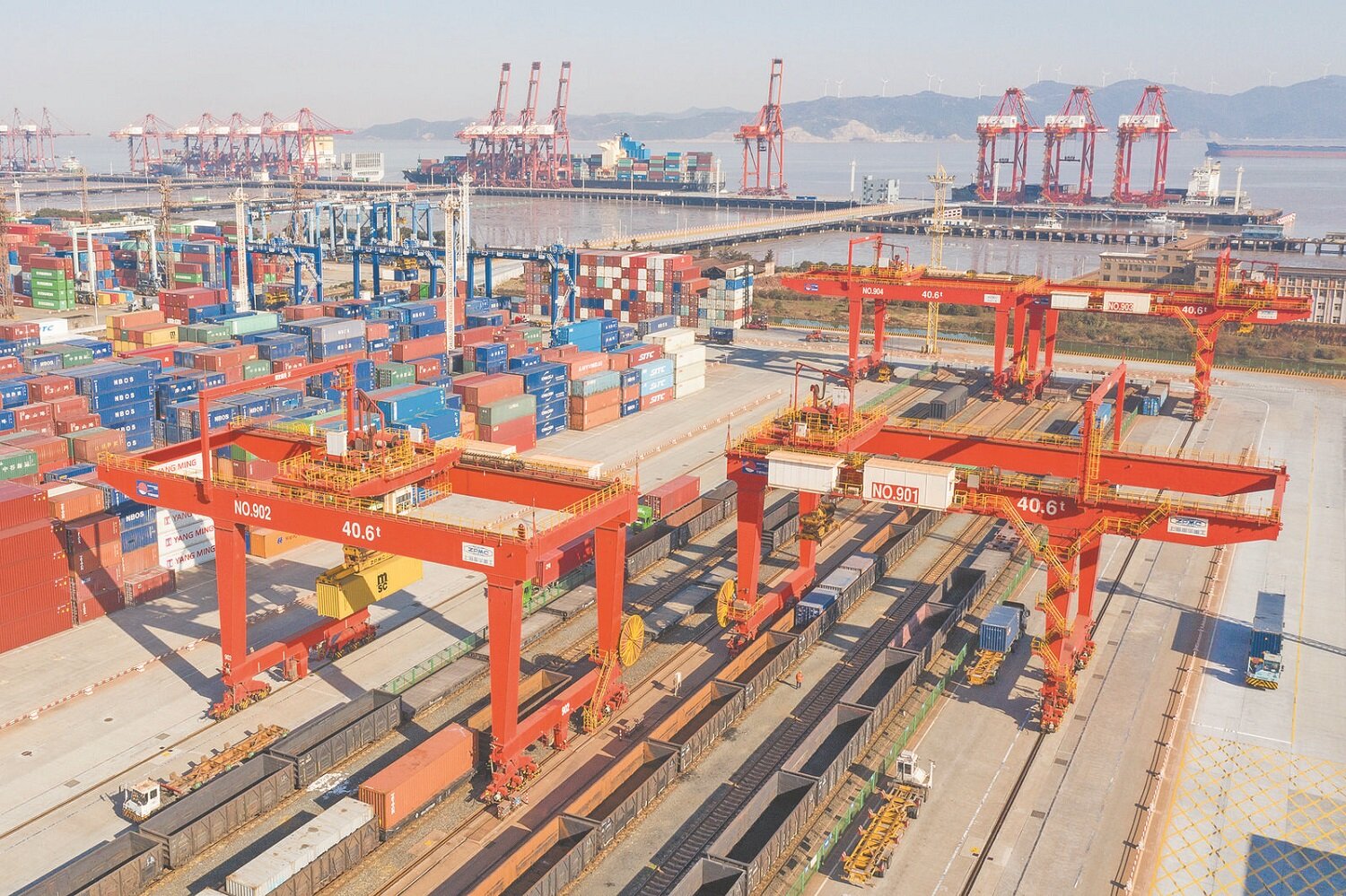
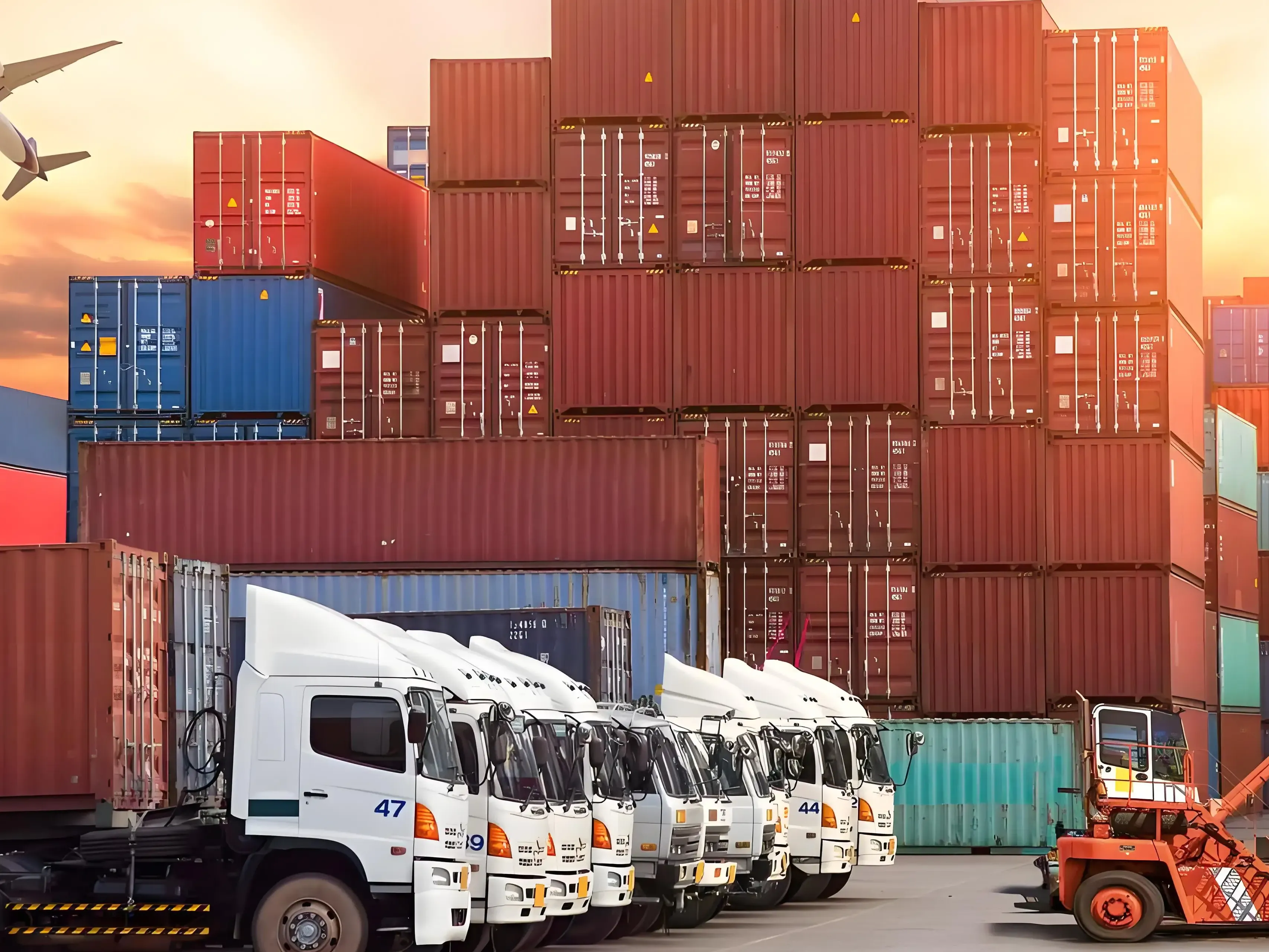
In the early morning of Dar es Salaam Port, the sound of sirens cuts through the thin mist on the sea surface. One gantry crane after another steadily unloaded containers from all over the world. Subsequently, these containers were not stuck in the yard for a long time like in the past, but were directly loaded onto freight trains on standard gauge railways and speeding towards the interior of Africa. Makame Mbalava, the Minister of Transport of Tanzania, couldn't hide his excitement at the scene. He said that this port and railway intermodal transportation system can not only effectively alleviate port congestion, but also greatly improve the efficiency of cargo transportation, further consolidating Tanzania's position as a logistics hub in the East African region.
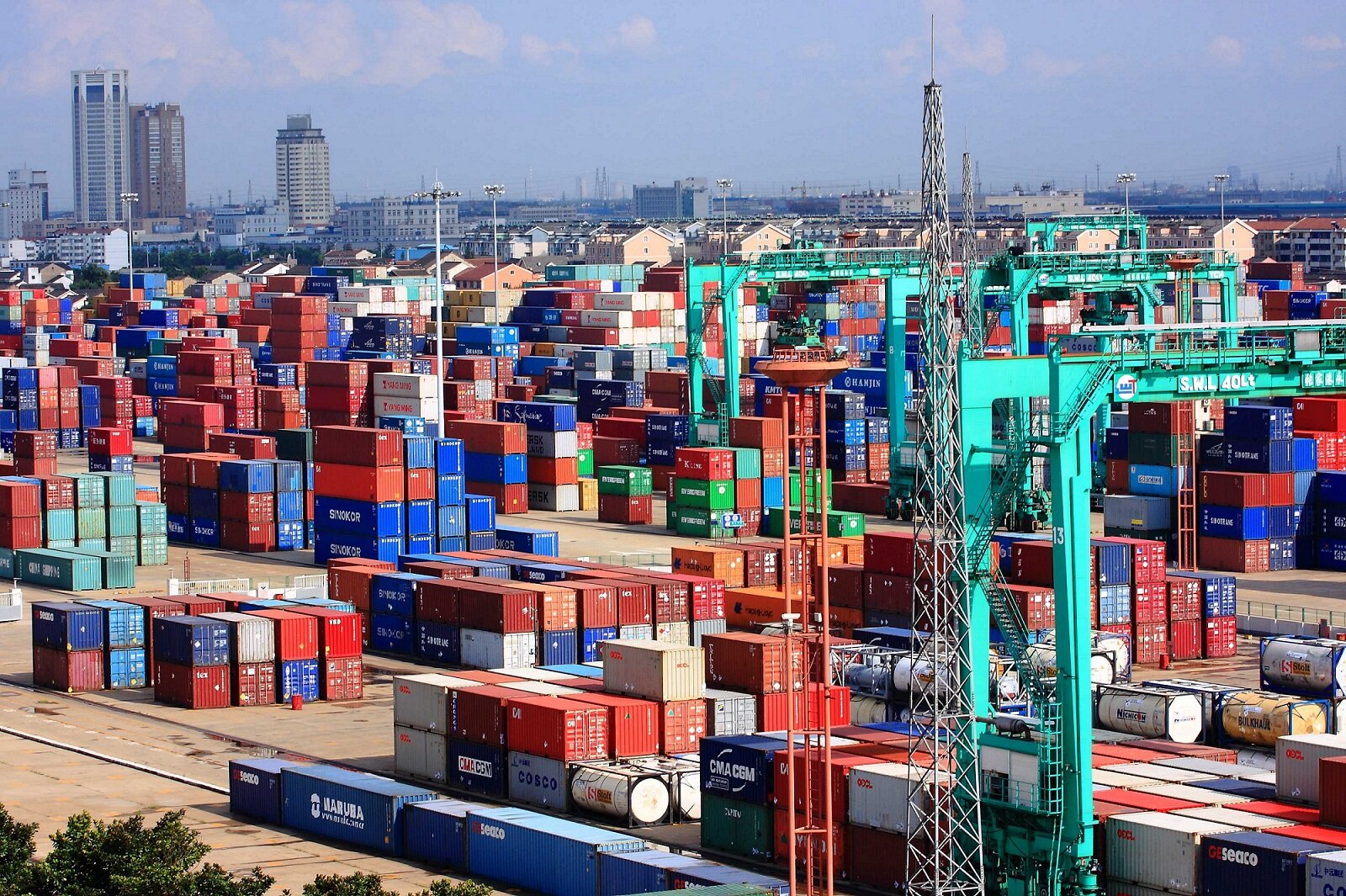
This scene is a vivid epitome of East African countries' efforts to promote logistics integration in recent years. With the continuous acceleration of the construction of two major international logistics corridors, a diversified transportation network connecting the Indian Ocean and inland Africa is accelerating.
Regional trade promotes logistics upgrading
The East African Community covers 8 member countries in East Africa, with a total population of over 330 million, and is one of the fastest-growing regional economies in Africa. The huge market size and active economic activities have put unprecedented high demands on the logistics system.
According to data released by the Secretariat of the Eastern Community, the trade volume within the Eastern Community reached 19.3 billion US dollars in the fourth quarter of 2025, a year-on-year increase of 28%. Faced with such rapid growth momentum, the existing single transportation channel is already overwhelmed. The 25th Summit of the Heads of State of the Eastern Community, held in March 2026, approved the seventh development strategy of the Eastern Community (2026/27-2030/31), which clearly stated the need to improve cross-border infrastructure such as railways, highways, and ports, promote trade facilitation, and establish a unified customs guarantee system. Former Secretary General of the Eastern Community, Veronica Ndua, stated that the new development strategy will further enhance regional connectivity and improve the overall competitiveness of the Eastern Community.
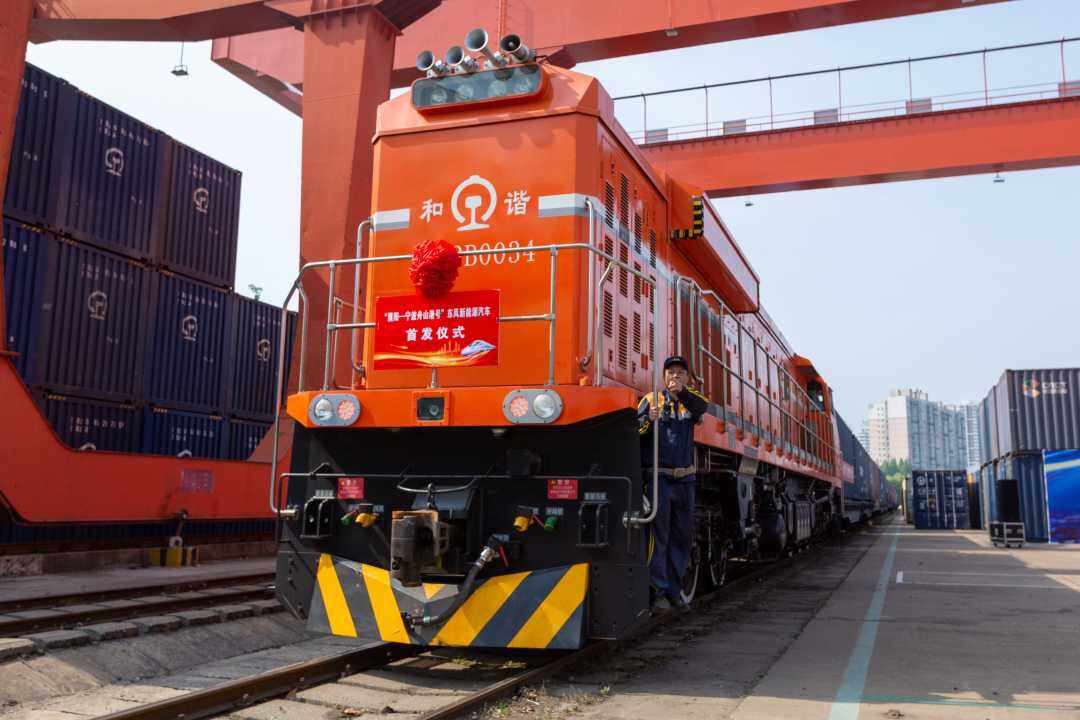
The construction of two major corridors is progressing simultaneously
Under the strong promotion of regional policies, the construction of the Northern Corridor and the Central Corridor is in full swing.
The Northern Corridor starts from Mombasa Port in Kenya and connects countries such as Uganda, Rwanda, South Sudan, and the Democratic Republic of Congo through backbone lines such as the Mombasa Nairobi Railway and the Nairobi Malaba Railway. It is one of the busiest international transportation corridors in East Africa. According to data from the Kenya Ports Authority, the cargo throughput of Mombasa Port will reach 45.45 million tons in 2025, a year-on-year increase of 10.9%; The container throughput reached 2.11 million TEUs, a year-on-year increase of 5.5%, of which the transit cargo transportation volume increased by 19.5% year-on-year. In order to meet the continuously growing demand for freight transportation, the Kenyan government is accelerating the upgrading of infrastructure such as Mombasa Port and Naivasha Inland Container Center, promoting effective connection between water and land transportation. John Ding, Executive Secretary of the Northern Corridor Transport and Transport Coordination Bureau, pointed out that the construction of a multimodal transport system is continuously unleashing the potential of the Northern Corridor and providing important support for regional trade and industrial development.
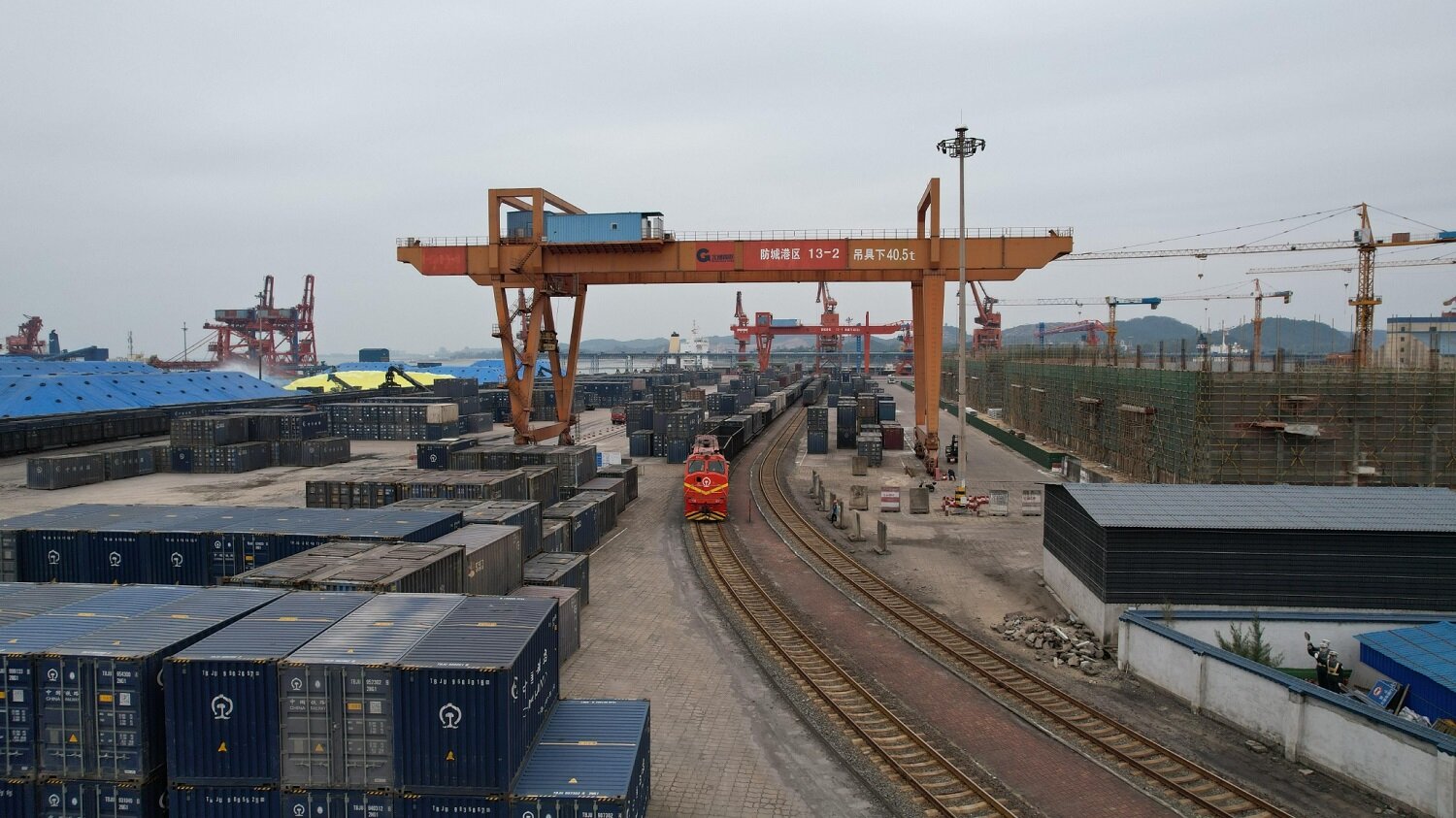
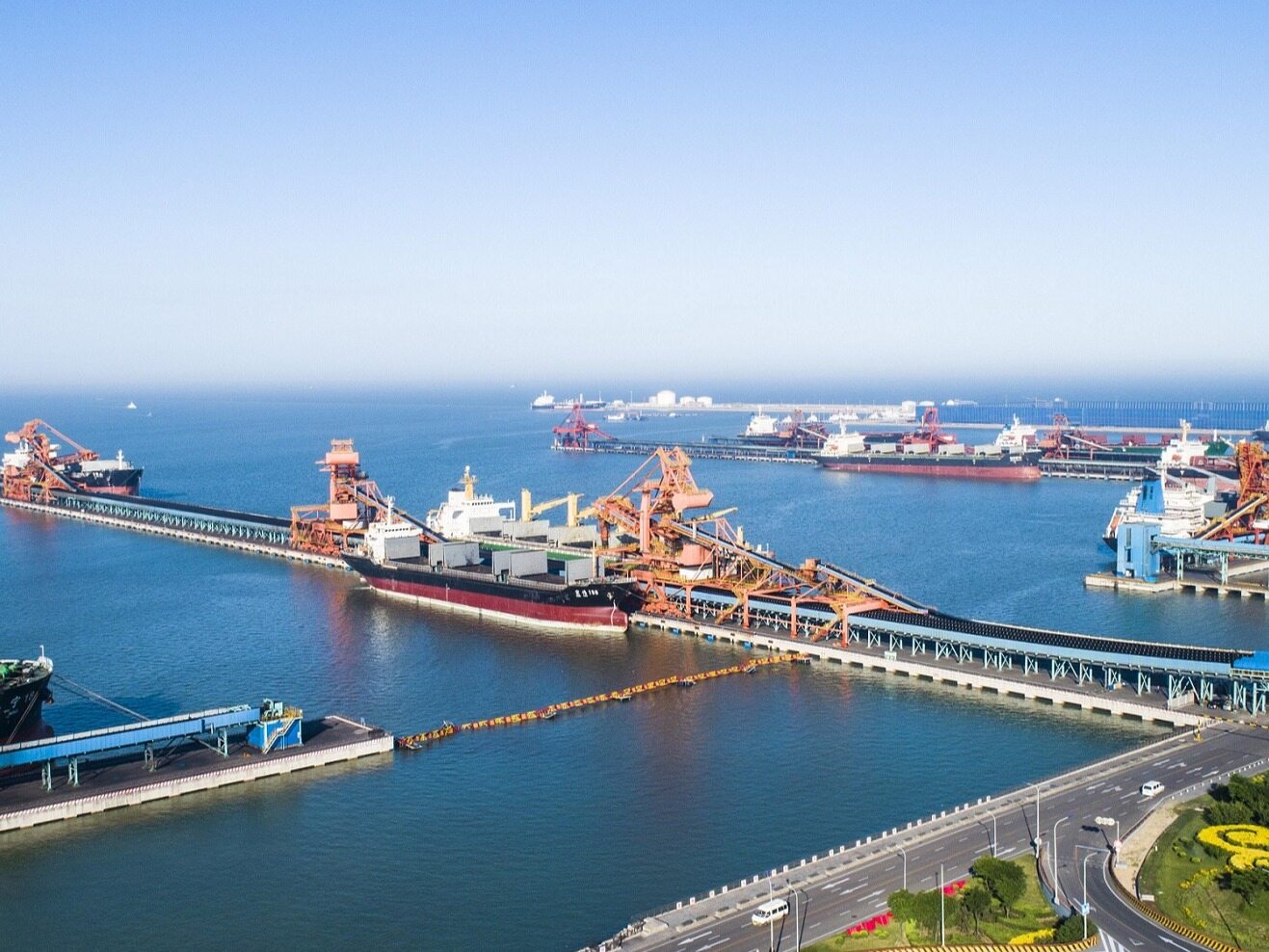
At the same time, Tanzania is making every effort to build a central corridor based on the Dar es Salaam Port. The container terminal of Dar es Salaam Port continues to expand, and the standard gauge railway sections from Dar es Salaam to Dodoma in Tanzania are gradually put into operation. The linkage effect between the port and the railway is becoming increasingly prominent.
Diversified network solves the inland dilemma
In the past, Uganda, Rwanda, Burundi and other landlocked countries mainly relied on a single transport corridor, which had high logistics costs and long transport cycles, seriously restricting the development of foreign trade. Nowadays, ports, railways, highways, and inland logistics centers are accelerating interconnectivity, and diversified transportation networks are gradually forming, creating unprecedented conditions for reducing logistics costs and improving trade facilitation levels. The integration pattern of logistics in the East African region is accelerating from a blueprint to a reality.
In this logistics revolution, the presence of Chinese enterprises can be seen everywhere. In Tanzania, the Dar es Salaam Port berth expansion project undertaken by Chinese enterprises has increased the port's berthing capacity from 20000 tons to 70000 tons, significantly improving the overall cargo capacity, service level, and competitive advantage of the port. The standard gauge railway sections constructed by Chinese enterprises, such as the Dar es Salaam to Morogoro section and Morogoro to Makutupura section, have been completed and put into operation, providing solid support for improving the transportation capacity of the Central Corridor.
In Kenya, the Mombasa Nairobi Railway, constructed by Chinese enterprises, has sent over 18 million passengers and transported over 48 million tons of goods since its operation in 2017, becoming an important transportation artery connecting Mombasa Port and the inland regions of East Africa. At present, the second phase of the Nairobi Malaba Railway project undertaken by Chinese enterprises is under construction, and after completion, it will further improve the framework of the East African railway network. Kenyan media outlet Dongli Voice commented that farmers, vendors, and businesses in East Africa will benefit from faster, lower cost, and more reliable transportation.
From busy ports along the Indian Ocean to the steel dragon running across the African continent, East African countries are working together to pave a major logistics corridor towards prosperity.Editor/Yang Meiling
Comment

 Praise
 Collect
 Comment

 Share
Share


Write something~