 Search


- Smart logistics becomes the core lever of new quality productivity in the 15th Five Year Plan, accelerating the release of value engines
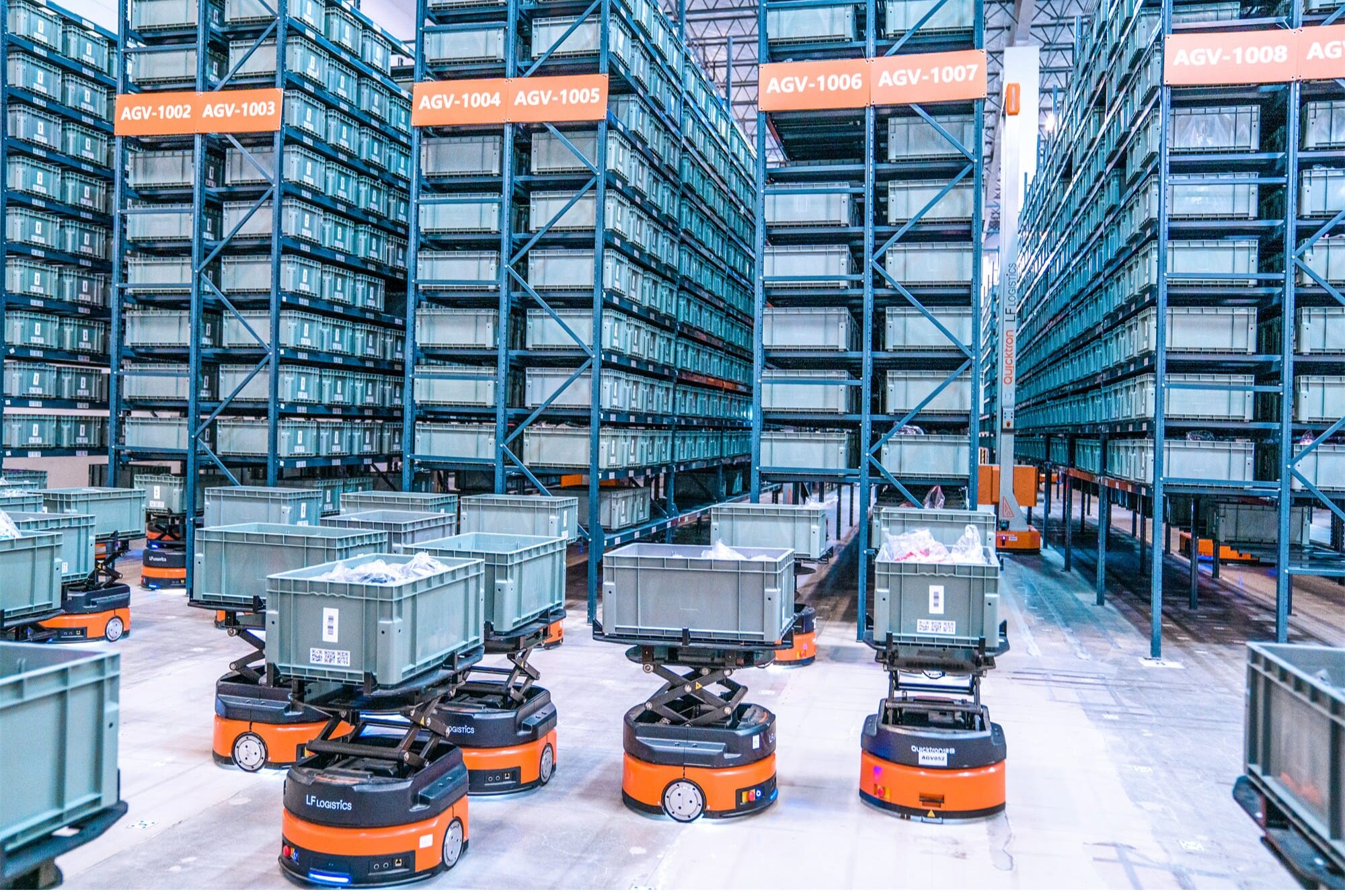
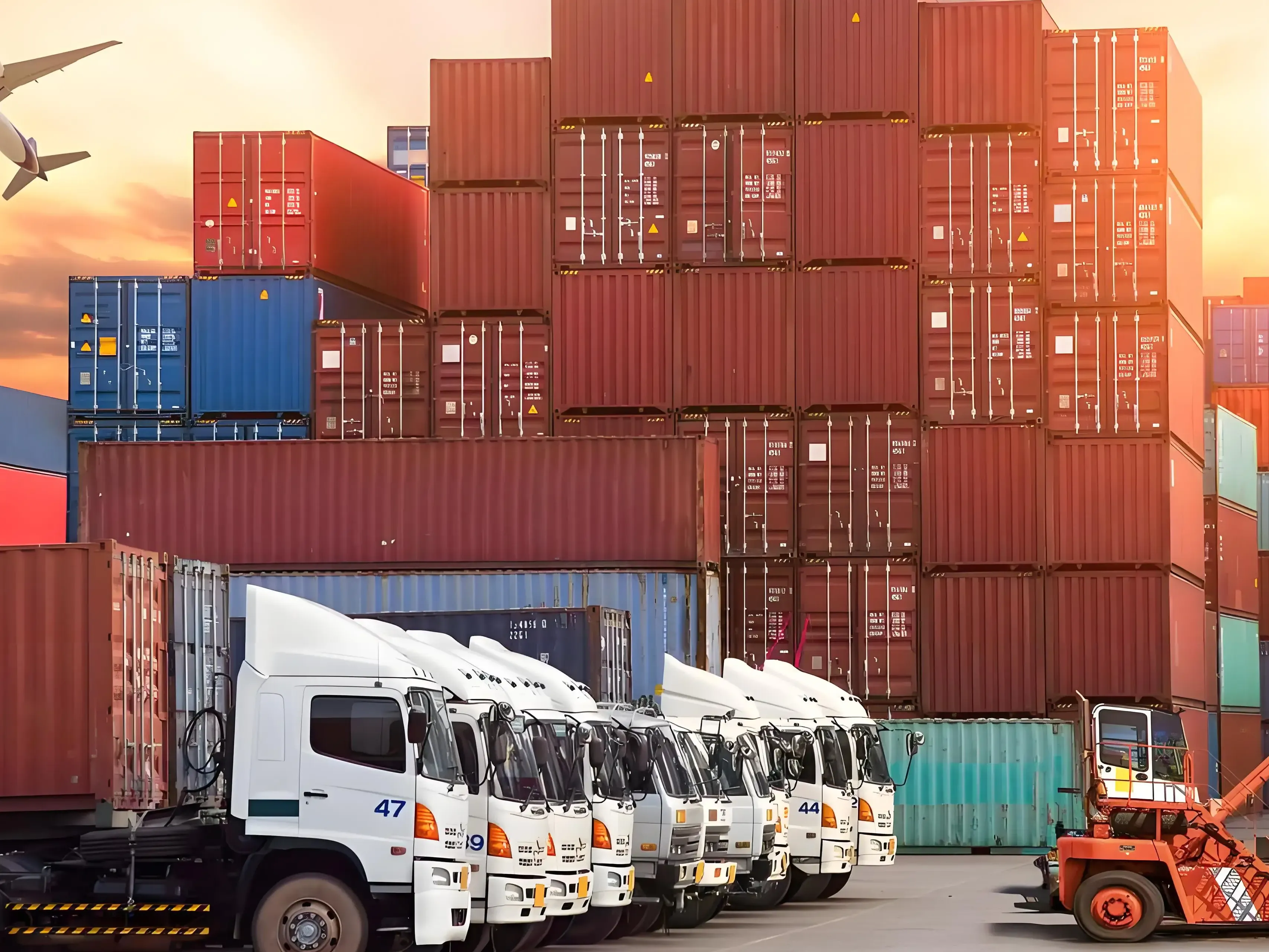
In August 2026, with the official release of the 15th Five Year Plan for the Development of the Postal Industry, smart logistics was listed as one of the top ten major tasks. Behind the vast network of 160 million tons of goods flowing daily, unmanned delivery vehicles shuttle through the streets, embodied robots are on duty for sorting, and 3D seeding walls have increased storage efficiency tenfold. The intelligent logistics network integrating land and space is accelerating its formation, and the logistics industry is transforming from a cost burden in enterprise ledgers to a value engine driving industrial upgrading.
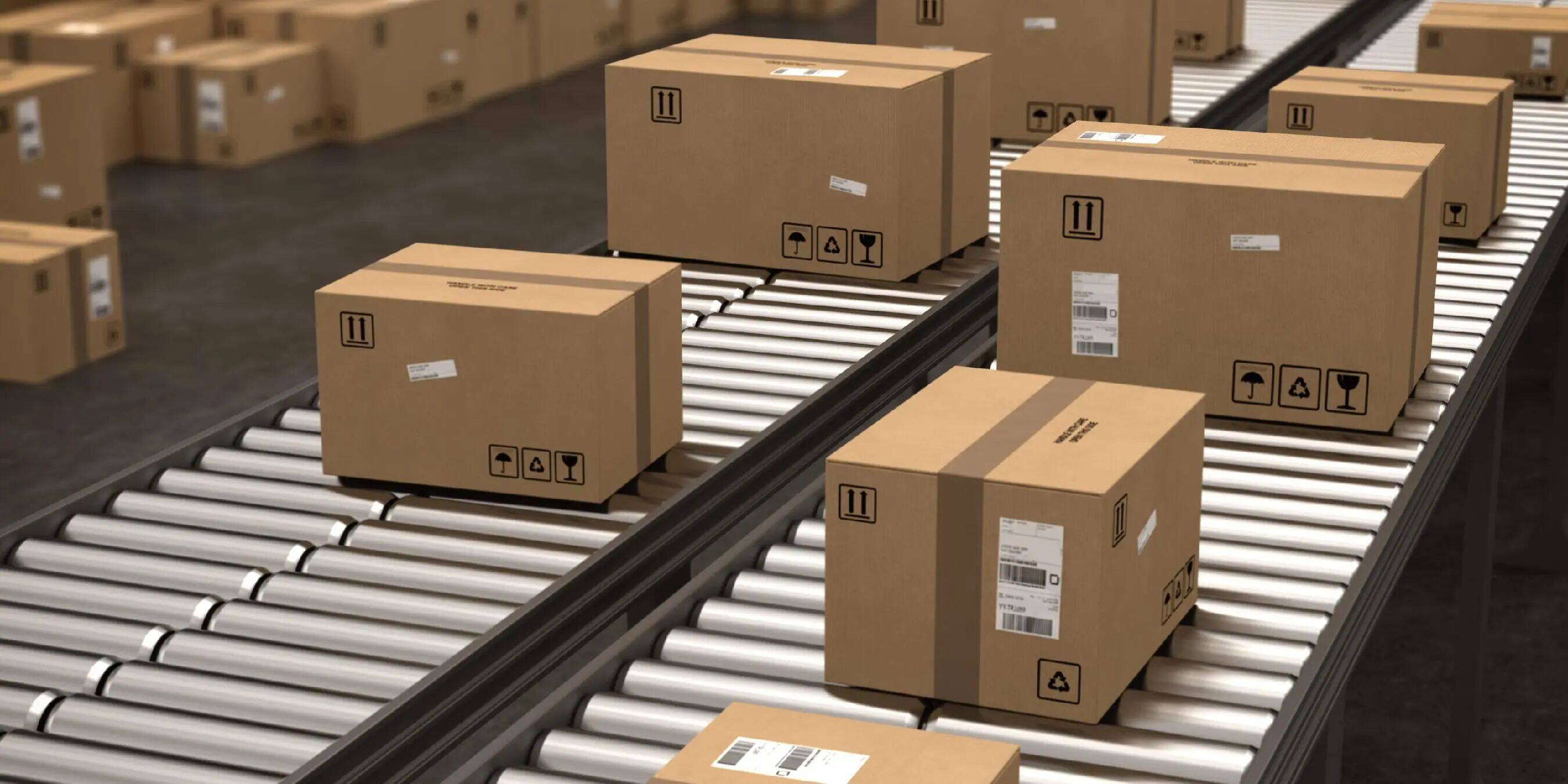
Unmanned delivery enters the normal state
On the streets of Foshan, Guangdong, unmanned express delivery vehicles have quietly integrated into daily delivery. The unmanned vehicle of Yuantong Express Pingzhou North Branch travels 3 kilometers from the branch to Cainiao Station, passing through traffic lights, speed bumps, and narrow alleys, and responds autonomously. It arrives on time in 20 minutes. At the Shunfeng Xtep Logistics Smart Warehouse in Quanzhou, crayfish storage robots climb between high-rise shelves and accurately grasp goods. The RaaS model launched by Neolithic unmanned vehicles transforms them from fixed assets to public transportation, with customers paying on a per order basis and logistics costs reduced by 60%. Emma electric vehicle stores can call for unmanned vehicles to arrange goods through a mini program, with a 5-minute response time and on-demand capacity like ride hailing services. JD Logistics' unmanned delivery vehicles have been operating regularly in more than 30 cities, covering diverse scenarios such as campuses, communities, and industrial parks, with delivery times stable within 30 minutes.
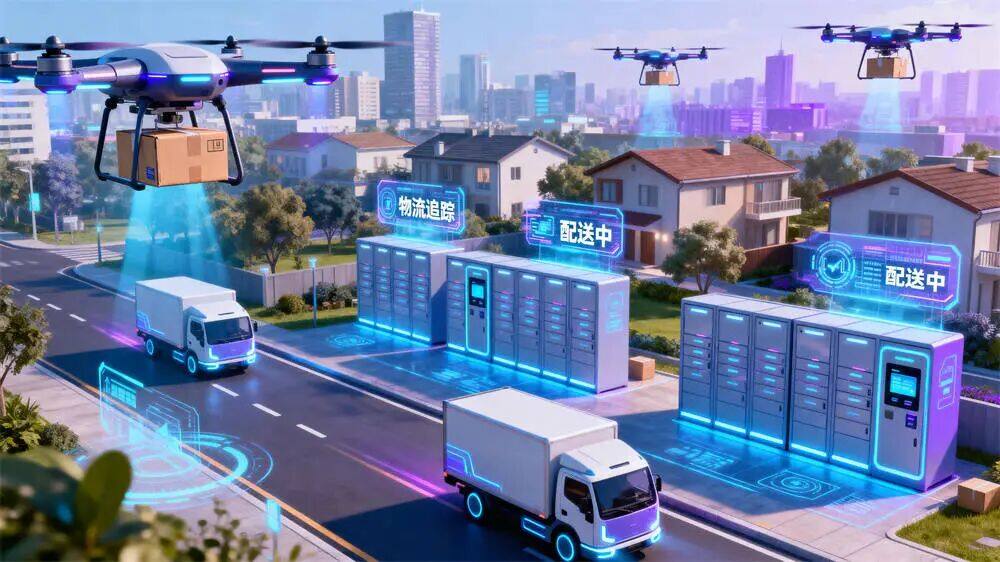
Full chain intelligent cost reduction and efficiency improvement
The Guangzhou Postal Center has deployed 8 humanoid robots, with an autonomous delivery efficiency of 800 pieces per hour. The plan is to increase it to 1600 pieces per hour by 2027 and achieve fully automated collaborative operations. The 3D seeding wall has increased the picking efficiency from 1500 to 2000 pieces/hour to 8000 to 20000 pieces/hour, with a more than tenfold increase in efficiency. Yunda Express has implemented a 1+N+AI strategy, resulting in a 10.8% decrease in single ticket transportation costs and a 10.4% decrease in single ticket sorting costs. The net profit for the first quarter of 2026 has increased significantly by 51.67% year-on-year. SF Express has introduced a fully automated sorting system at its transfer center at Wuhan Huahu Airport, with an hourly processing capacity of hundreds of thousands of items and a sorting accuracy rate close to 100%. By 2025, the ratio of total social logistics costs to GDP in China will drop to 13.9%, the lowest level in recorded history. 181 national logistics hubs, 105 backbone cold chain logistics bases, and 2700 logistics parks above designated size have basically taken shape, providing a solid facility foundation for the large-scale implementation of smart logistics.
Digitally driven value reshaping
China Logistics Group embeds logistics services into high-end manufacturing through equity ties, increases capital to control enterprises such as XCMG Cloud Warehouse, China Automotive Logistics, and Oriental Logistics, and turns logistics from a cost center into a value co creator. Cainiao Network has established overseas warehouse networks in Europe, Southeast Asia, and other regions, compressing cross-border delivery time to 5 to 7 days through intelligent scheduling systems, and increasing order processing efficiency by three times compared to traditional models. Keywords: Infrastructure news and information, logistics, digitalization, intelligence
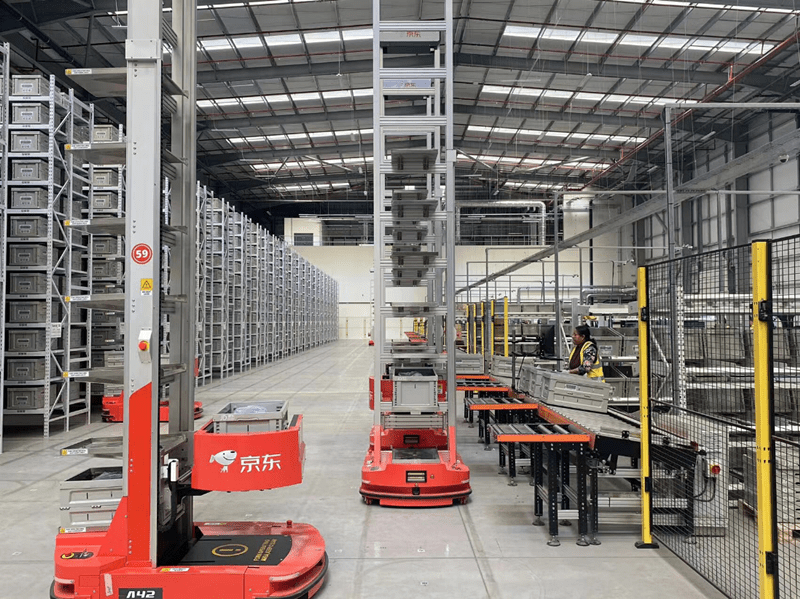
The Ministry of Transport has proposed to cultivate 100 comprehensive logistics integrators, create 1000 multimodal transport nodes, and carry out pilot projects for the standardized application of unmanned express vehicles during the 15th Five Year Plan period. Experts point out that smart logistics is shifting from scale expansion to the integration of data and reality, with cutting-edge technologies such as unmanned delivery, low altitude logistics, and embodied intelligence accelerating their penetration. The competition in the logistics industry is shifting from single fare competition to full chain integration capability competition. By 2025, the volume of postal and express delivery services in the postal and express industry has exceeded 200 billion pieces, with a maximum of 8437 parcels being collected every second, and an average of 160 million tons of goods flowing on China's transportation lines every day. The combination of a vast existing network and new technological empowerment is unleashing a new round of cost reduction and efficiency improvement opportunities, and smart logistics will play a more critical role in the high-quality development of the Chinese economy.Editor/Gao Xue
Comment


 Praise
 Collect
 Comment

 Share
Share


Write something~