 Search


- In the first half of 2026, China became Kazakhstan's largest export destination for the first time
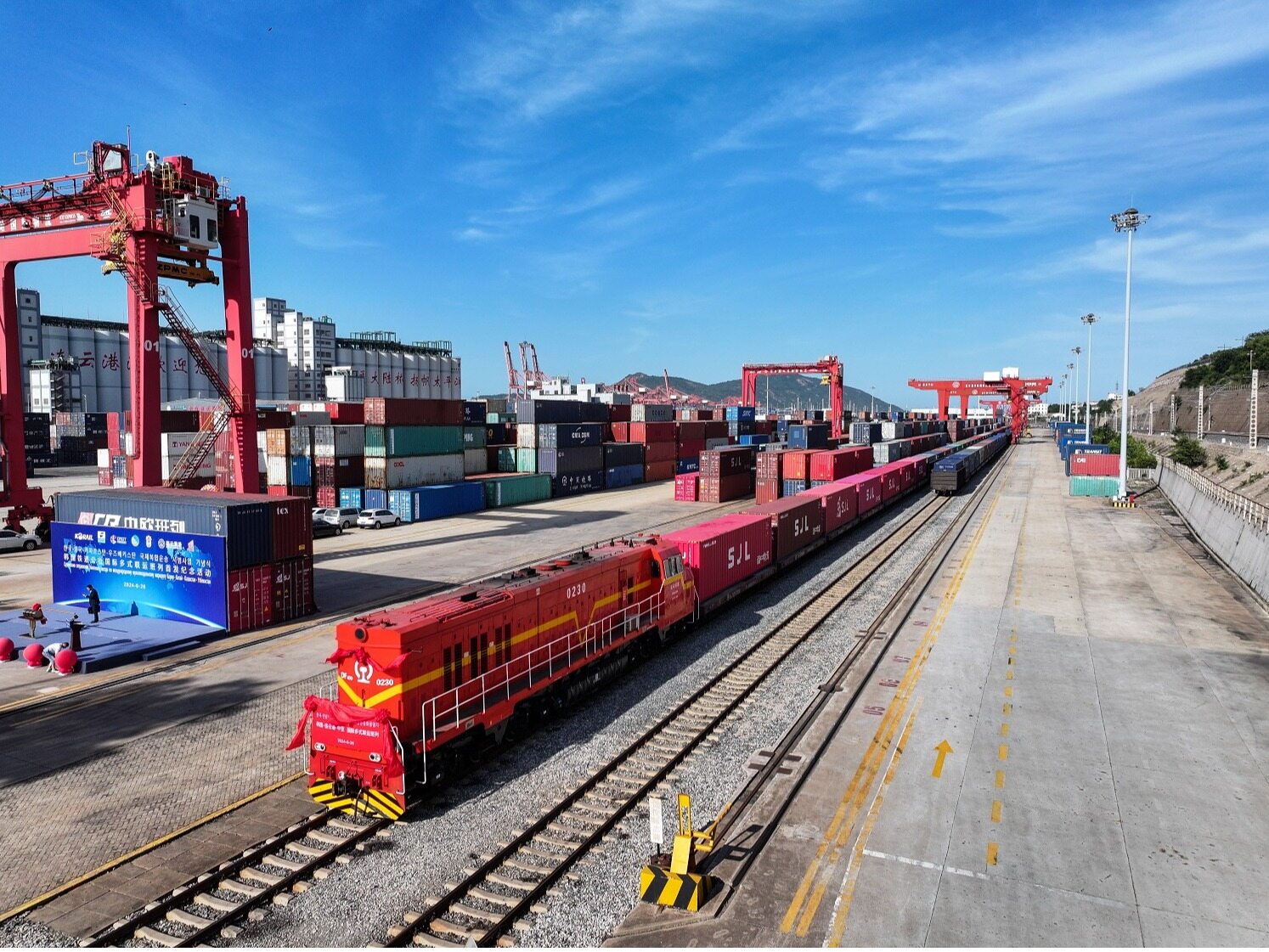
In the first half of 2026, Kazakhstan's proportion of exports to China rose to 18.6% for the first time, narrowly surpassing Italy by 1.3 percentage points, and China officially became Kazakhstan's largest export destination. In the increasingly fierce competition in the European and American markets, behind this ranking change is a rapidly opening new window for foreign trade growth in the Central Asian region.
Bilateral trade growth rate outperforms global market
In the first half of 2026, Kazakhstan's total foreign trade reached 71.8 billion US dollars, a year-on-year increase of 7.2%, including exports of 40.3 billion US dollars, imports of 31.5 billion US dollars, and a trade surplus of 8.9 billion US dollars. At the export end, China ranked first with 18.6%, followed by Italy with 17.3%, and Russia, Türkiye, the Netherlands and France ranked next.
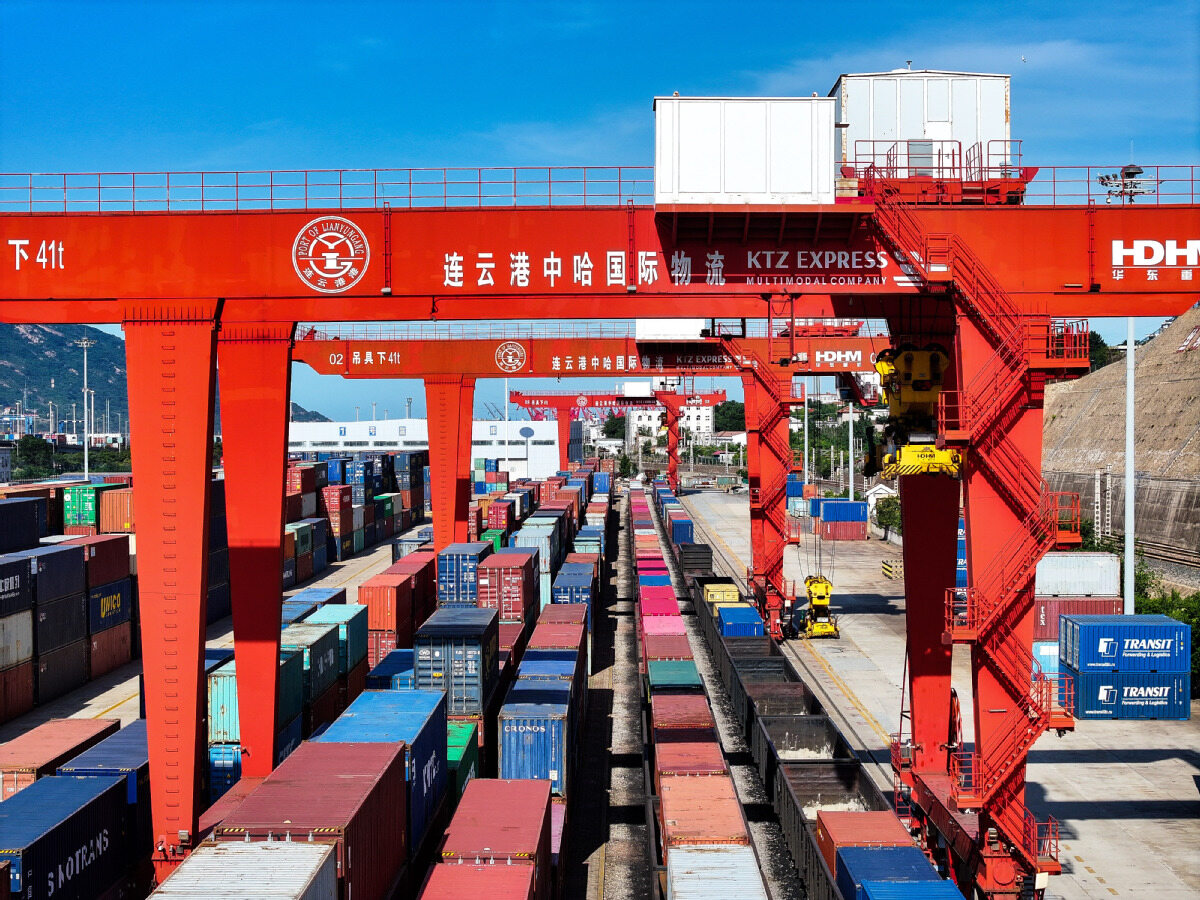
On the import side, Russia maintains the first place with a proportion of 30.9%, while China lags behind only 1.8 percentage points with a proportion of 29.1%. Looking at the long-term dimension, the trade volume between China and Kazakhstan will reach a historic high of 48.7 billion US dollars in 2025, with Kazakhstan's imports to China growing at a rate of 6.2% and exports to China growing at a rate of 19.3%. The two-way circulation of resources and goods is rapidly expanding.
Trade structure breaks away from traditional resource framework
In the past, the general impression of China Kazakhstan trade in the market was limited to the one-way flow of oil ore, but now the actual operational data has completely broken out of this framework.
In the first half of 2026, the total cross-border freight volume between China and Kazakhstan reached 18.7 million tons, a year-on-year increase of 9%. Among them, Kazakhstan sent 11.7 million tons of goods to China, and the export of minerals, grains, non-ferrous metals and other categories to China increased by 20% year-on-year. During the same period, the domestic GDP growth rate of Kazakhstan was 4.1%, the manufacturing industry grew by 9.8%, and the construction industry grew by as much as 15.2%. The expansion of local infrastructure and production capacity directly led to a surge in demand for imported production materials. Currently, the proportion of mechanical equipment and instruments in Kazakhstan's total imports has reached 43.8%, fully unleashing China's adaptation advantage as the world's largest mechanical equipment producer.

The market dividend of the Eurasian bridgehead is being released
The Trans Caspian International Transport Corridor will operate over 340 trains in the first half of 2026, a year-on-year increase of 78%. The total transportation time from Xi'an to Almaty has been compressed to about 11 days, and the combined cargo volume of the two major ports of Dostyk Atenkoli exceeds 18.7 million tons. Under the all-weather operation mode, the transportation capacity continues to increase.
Relying on the Eurasian Economic Union's average low tariff policy of 8.6%, many industrial equipment directly enjoy zero tariff treatment. By 2026, the bilateral trade volume between China and Kazakhstan is highly likely to exceed 50 billion US dollars, and this market can fully accommodate a large amount of new production capacity from Chinese foreign trade enterprises. Keywords: total cross-border freight volume, China Kazakhstan trade
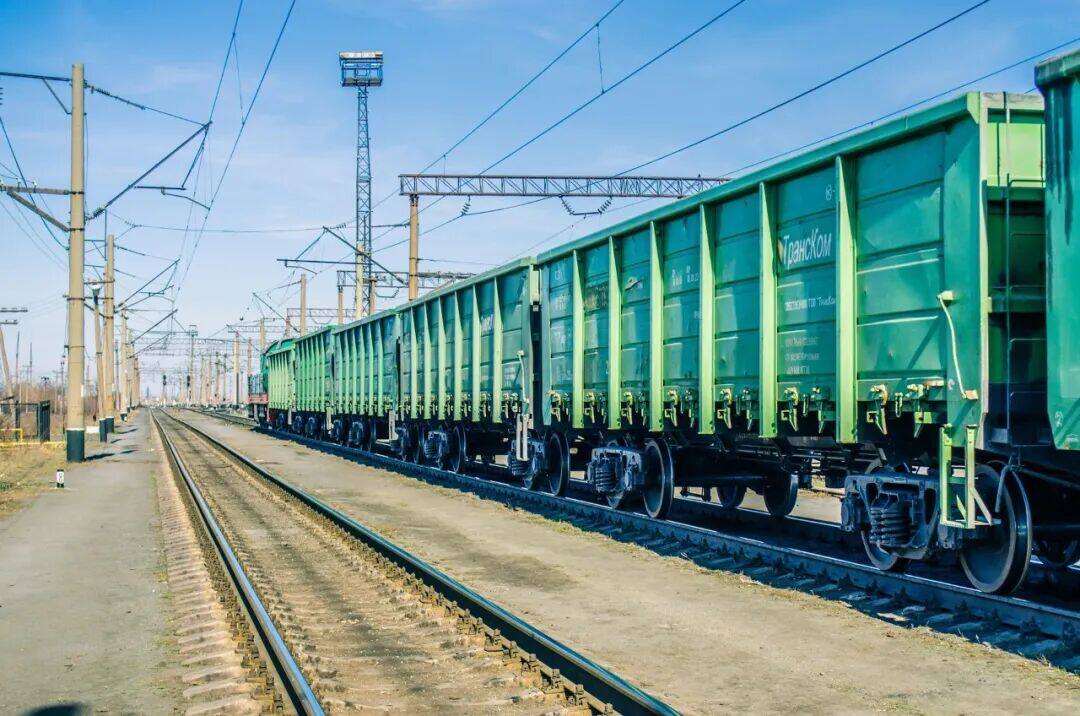
The underlying logic of China Kazakhstan trade has completely switched from remote suppliers to deeply bound industrial partners. For domestic foreign trade enterprises that are deeply engaged in categories such as machinery, equipment, automotive parts, building materials, and agricultural machinery, this core market in Central Asia with smooth logistics, friendly tariffs, and steady growth is now the perfect time window for layout.Editor/Cheng Liting
Comment





 Praise
 Collect
 Comment

 Share
Share


Write something~