 Search


- Chinese enterprises assist in the landing of Egypt's solar energy storage project, helping Africa's green transformation
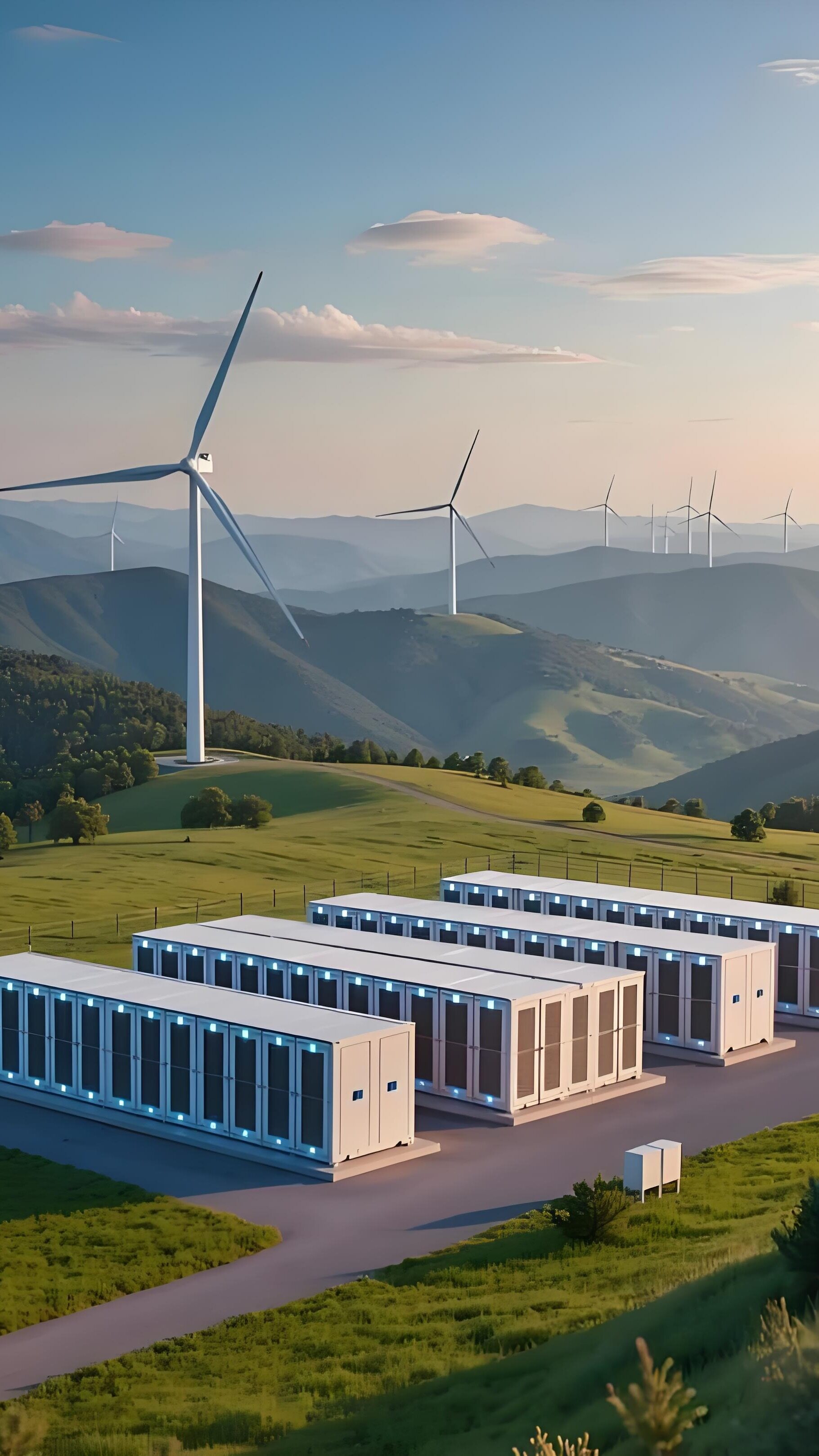
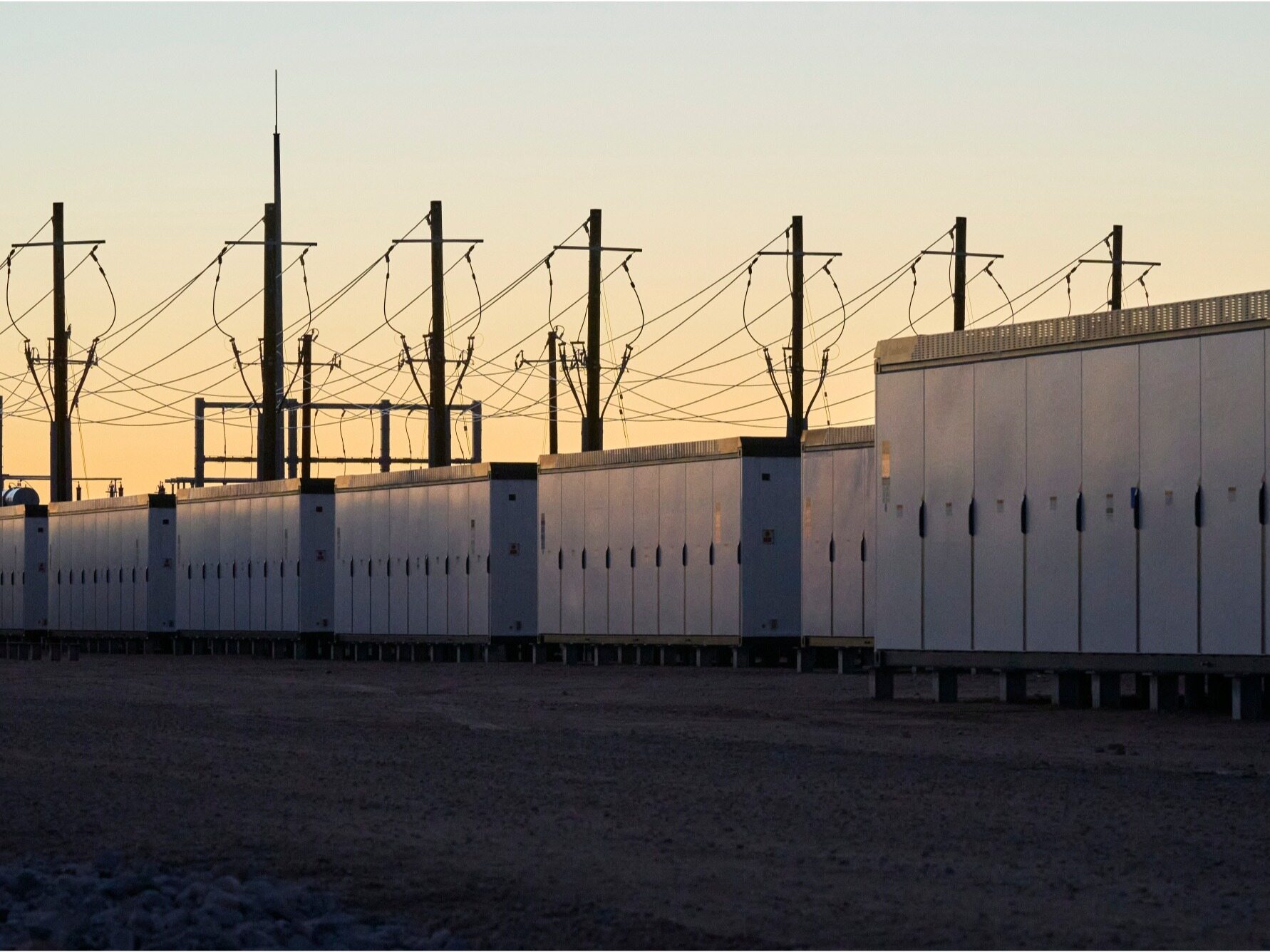
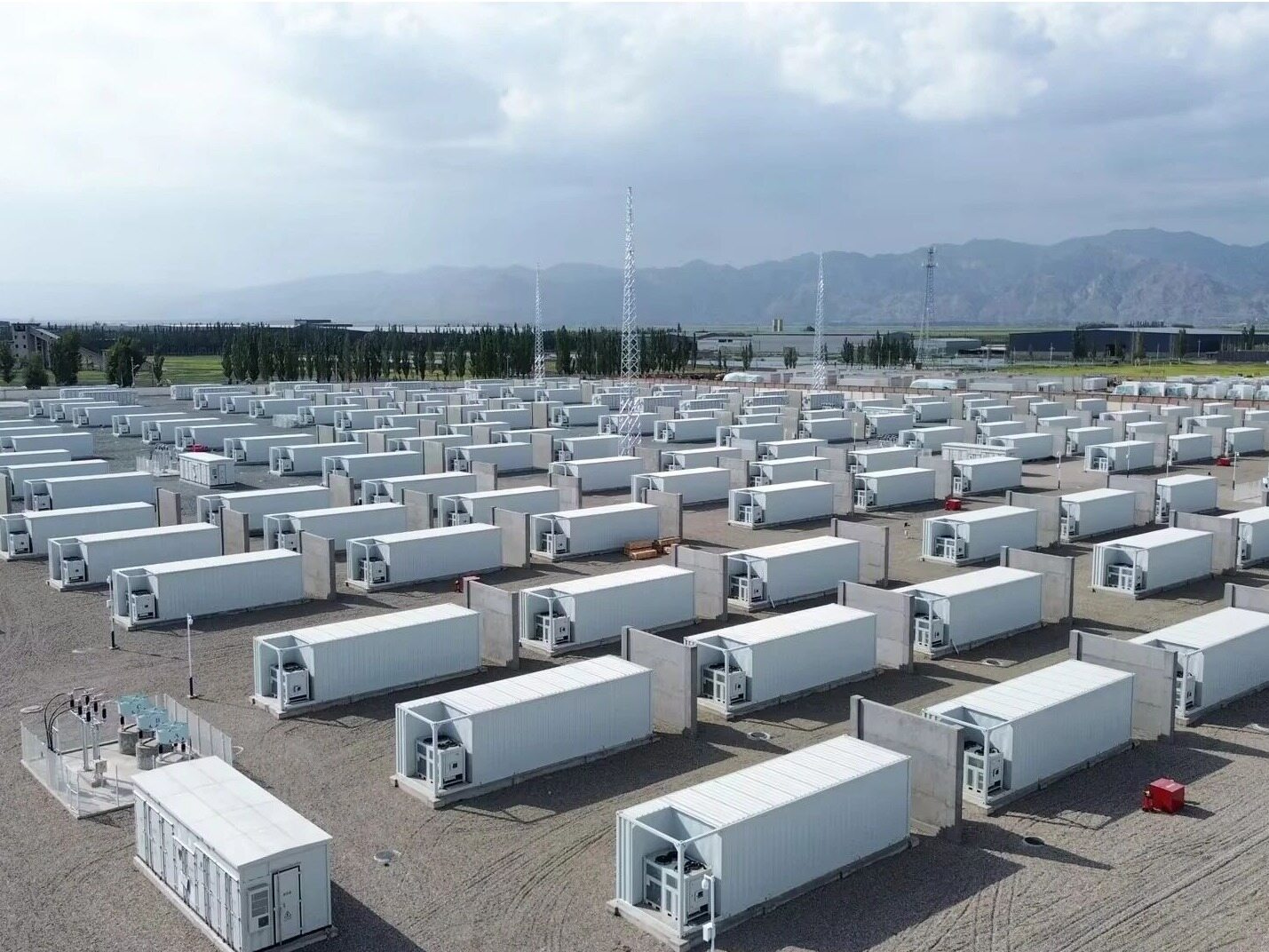
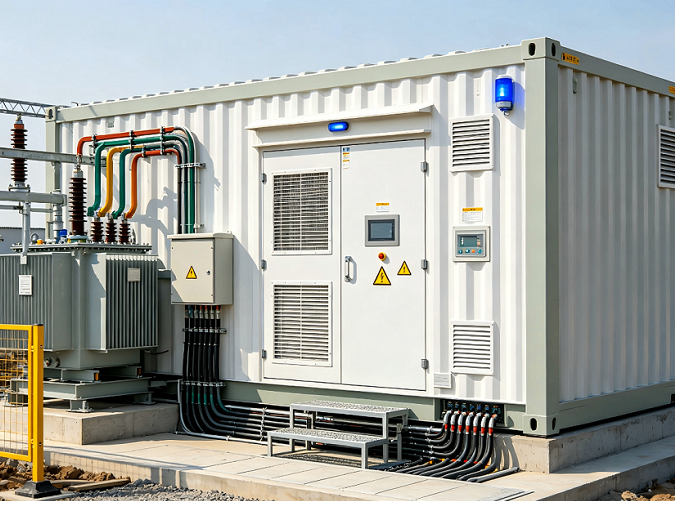
Recently, deep in the Egyptian desert, a massive solar energy storage plant is converting sunlight into stable electricity. The Fangjianbei integrated solar energy storage project has officially entered commercial operation, with a power supply capacity covering approximately 1.6 million households. Chinese enterprises are deeply involved in the construction of the entire energy storage power system, providing Chinese solutions for the transformation of new energy in North Africa from equipment supply to technology output.
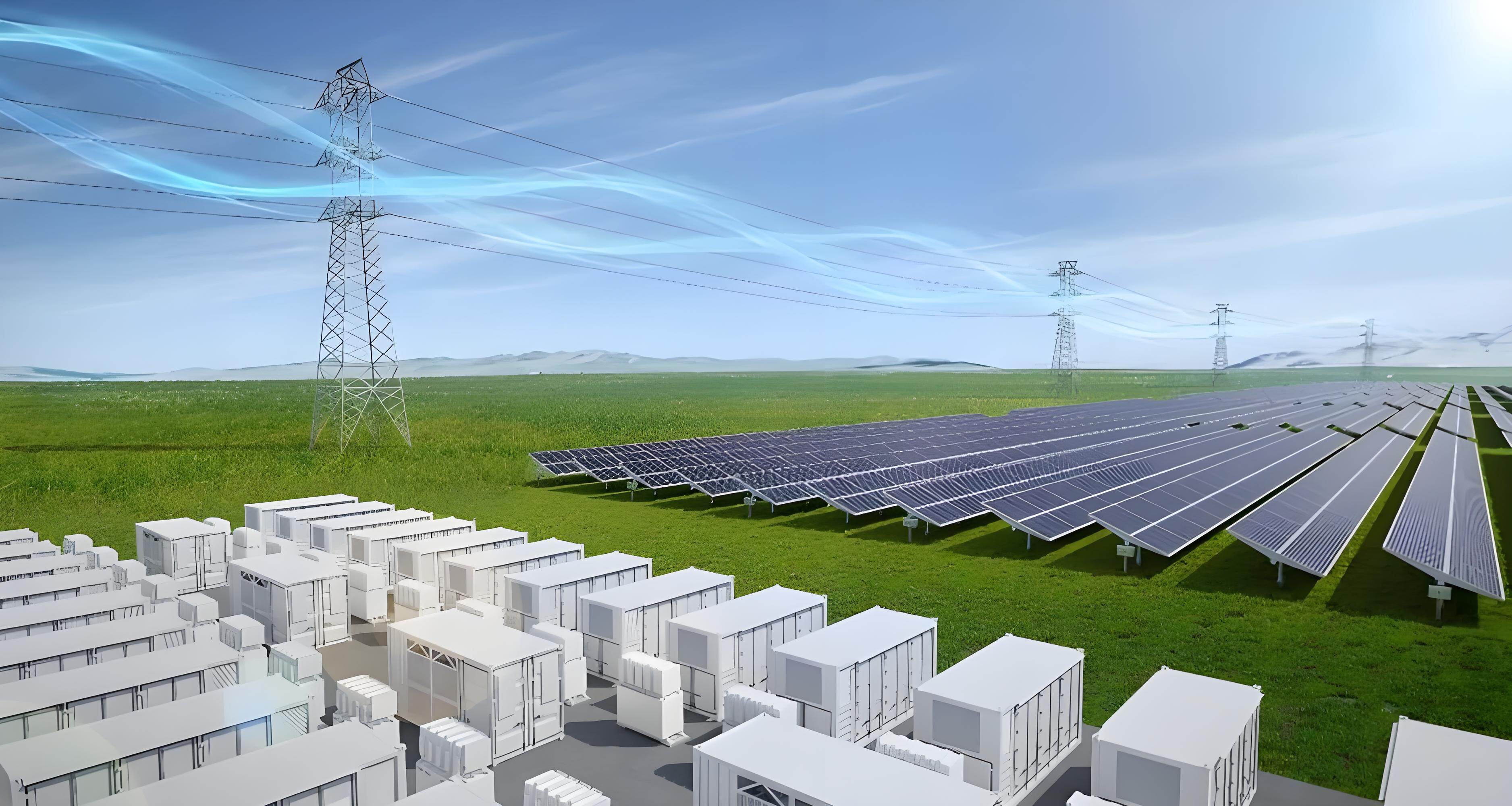
Upgrading energy storage from supporting facilities to essential needs
Egypt is fully promoting its industrial solar renewable energy plan, with a total installed capacity of about 9.5GW of renewable energy and 3.5GW of photovoltaic power in the first half of 2026. After the large-scale launch of photovoltaics, the pressure on grid consumption and power supply stability has become prominent, and energy storage has been upgraded from a supporting option to a necessary infrastructure. Minya Province plans to combine 1.95GW of photovoltaics with 3.9GWh of energy storage, while Nefer Minya plans to combine 1.2GW of photovoltaics with 600MWh of energy storage. The synchronous development of photovoltaics and energy storage is becoming the standard paradigm in Egypt.
China's plan to conquer desert conditions
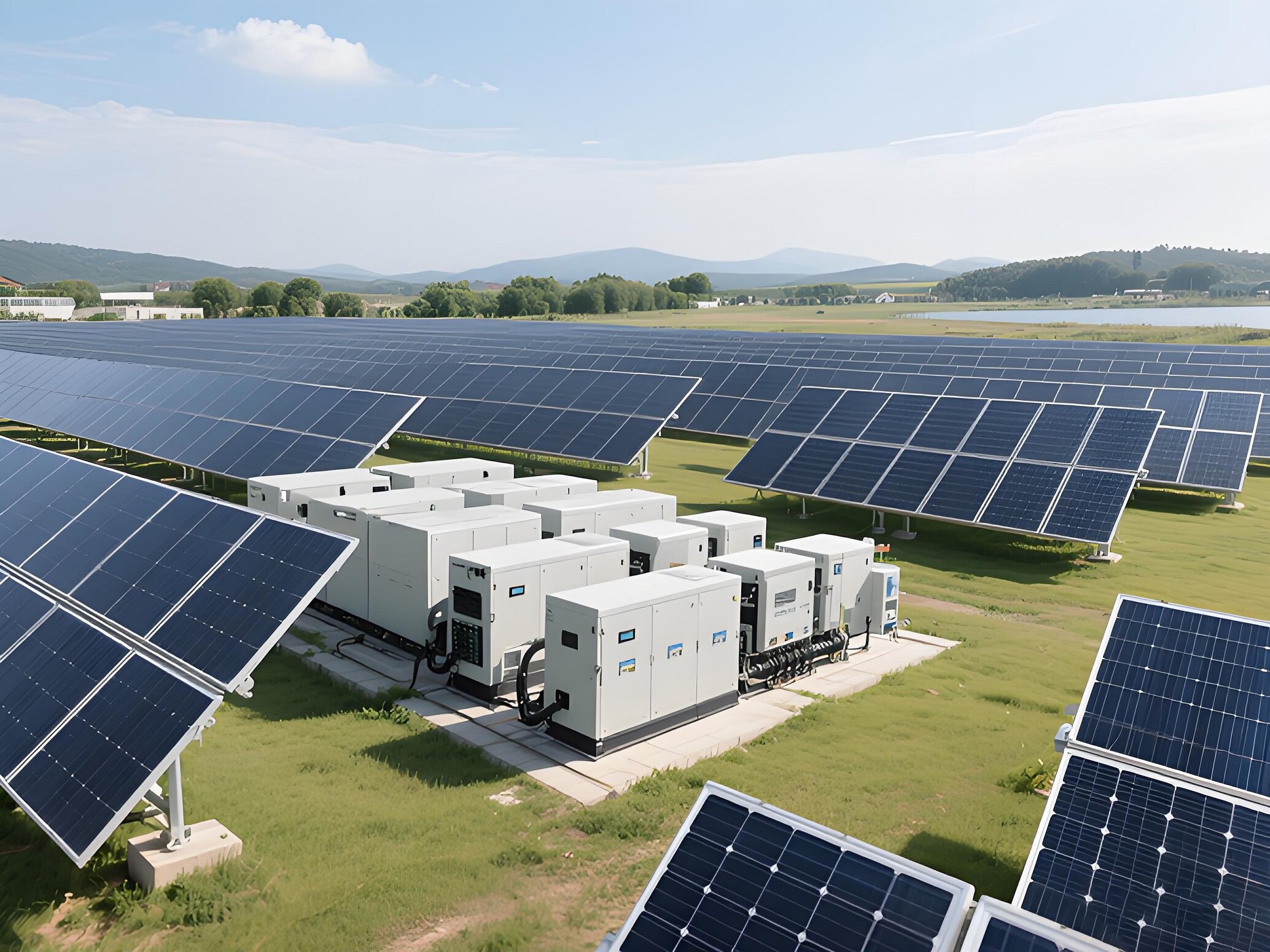
The high temperature in the desert, sandstorms, and large temperature differences between day and night pose severe challenges to energy storage systems. The project adopts an artificial intelligence energy storage scheduling scheme, adapts to extreme working conditions, flexibly responds to grid instructions, and ensures stable output throughout the year. Multiple Chinese energy storage and photovoltaic companies have settled in the Suez Canal Economic Zone, laying out manufacturing bases; On September 2nd, Chinese and Egyptian companies signed another memorandum to explore localized investment in battery manufacturing, promote local production of energy storage equipment, and reduce construction costs. Keywords: New Energy News Network, Photovoltaic, Energy Storage
Africa's energy storage faces a window of explosion
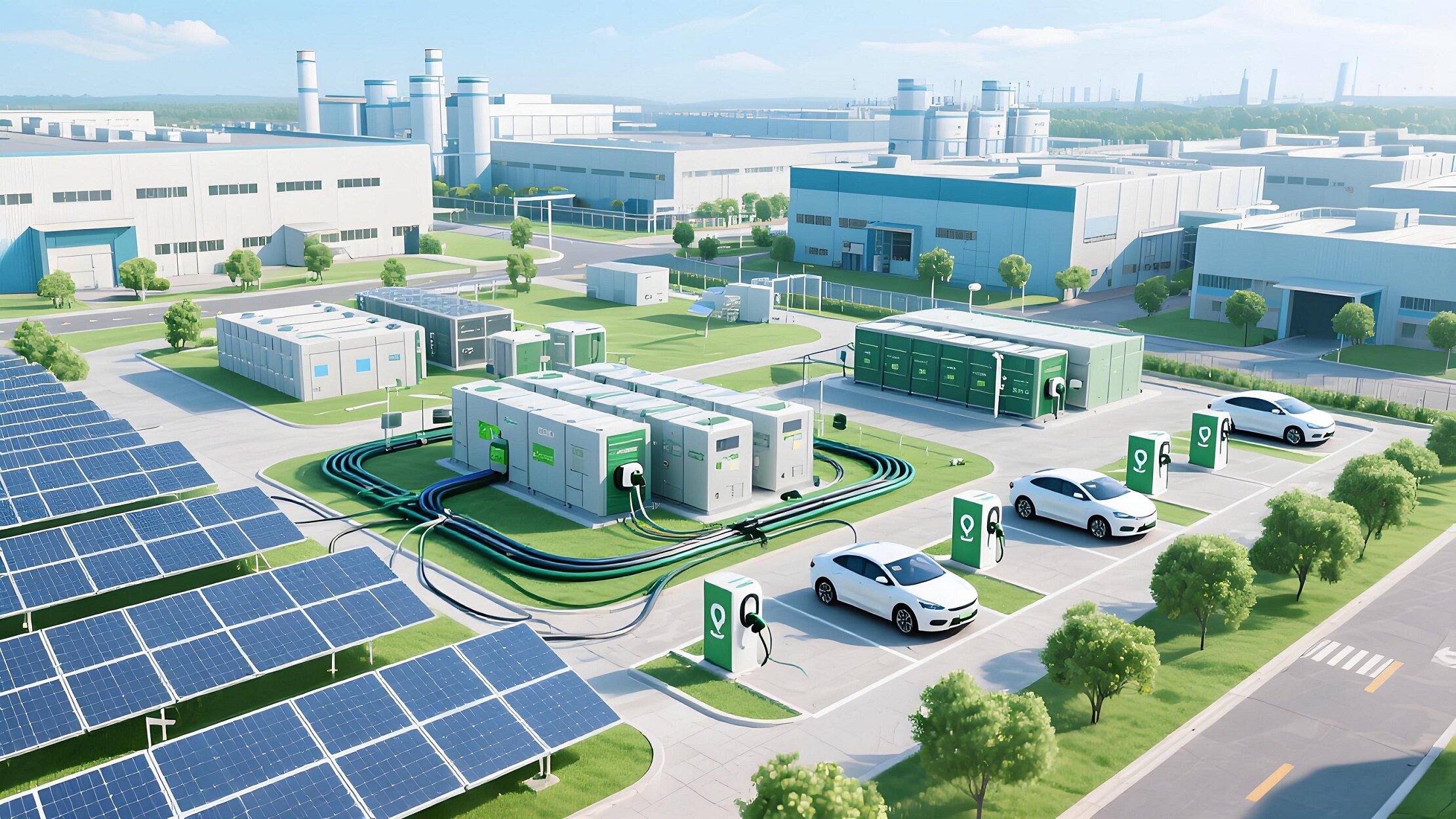
Many African countries have abundant solar thermal resources but weak power grid foundations. Integrated solar energy storage can directly output stable and controllable electricity, adapting to local conditions. Chinese enterprises are shifting from equipment exports to full chain cooperation in project development, technology output, and localized manufacturing. Challenges also exist: some national power grids are weak, financing costs are high, and supply chains need to be improved, requiring customized development based on local working conditions. The African energy storage market is ushering in a development window, which is not only an incremental market, but also an important testing ground for testing the extreme environmental reliability of products and polishing overseas localization capabilities.Editor/Gao Xue
Comment


 Praise
 Collect
 Comment

 Share
Share


Write something~