 Search


- A dredging contract is expected to break through the bottleneck of navigation in the throat of the central corridor
- Add a wider and more stable waterway for the flow of goods from Central Asia to Europe
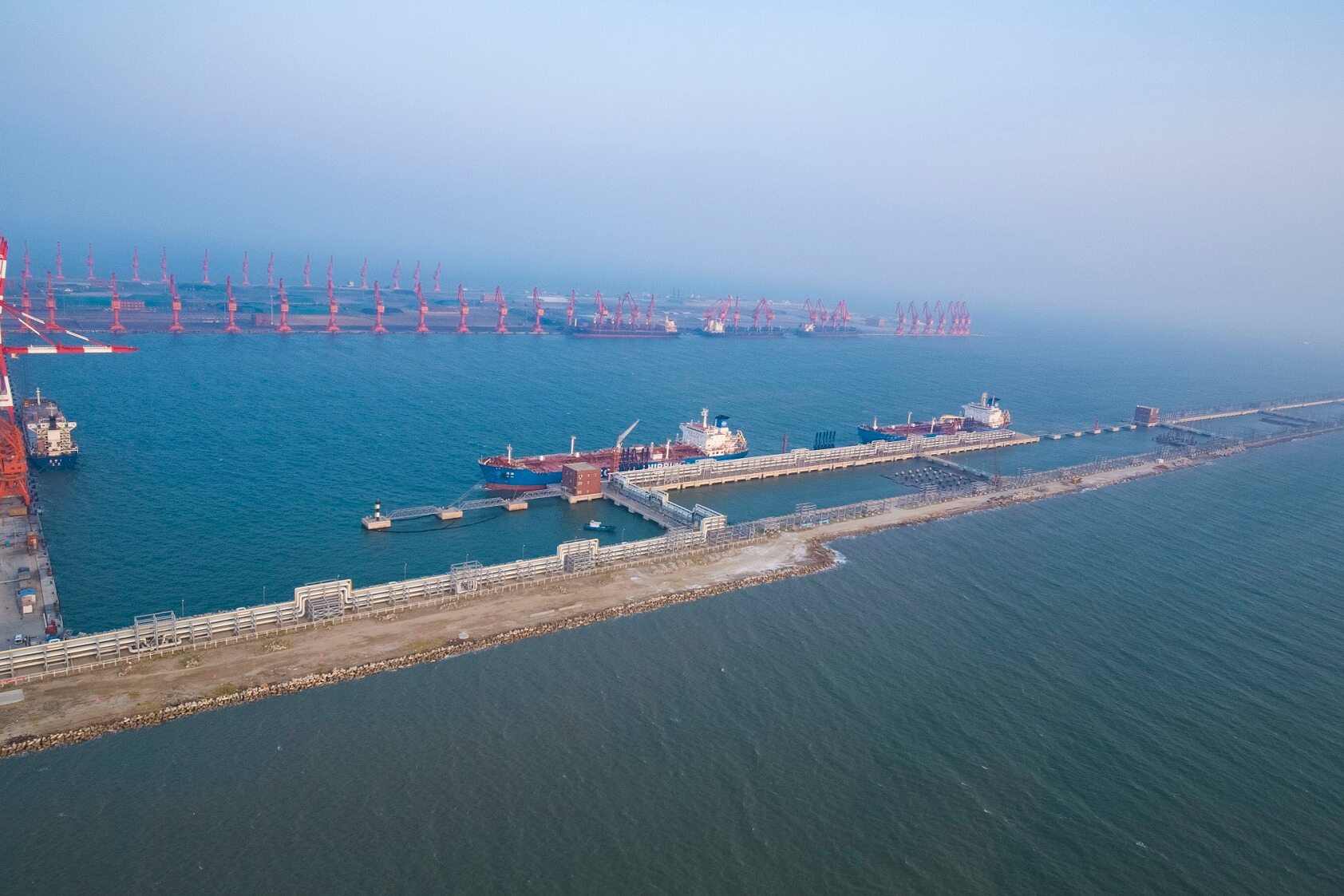
On the west coast of the Caspian Sea in the early morning, the gantry crane at the port of Alat has already turned. A ferry crossing the Caspian Sea from Aktau Port, Kazakhstan, has just docked. Containers are hoisted ashore one by one, and then transferred to the railway track, heading for Georgia and Türkiye. In recent years, such scenes have become increasingly dense: in the first seven months of 2026, the container throughput of Alat Port increased by 20% year-on-year, reaching 72370 TEUs, and the dry cargo volume increased by 82%, climbing to 1.4 million tons. This port, located about 70 kilometers south of Baku, is expected to be the largest hub in the Caspian Sea. After the completion of the second phase, its annual processing capacity will be increased to 25 million tons and 500000 TEUs.
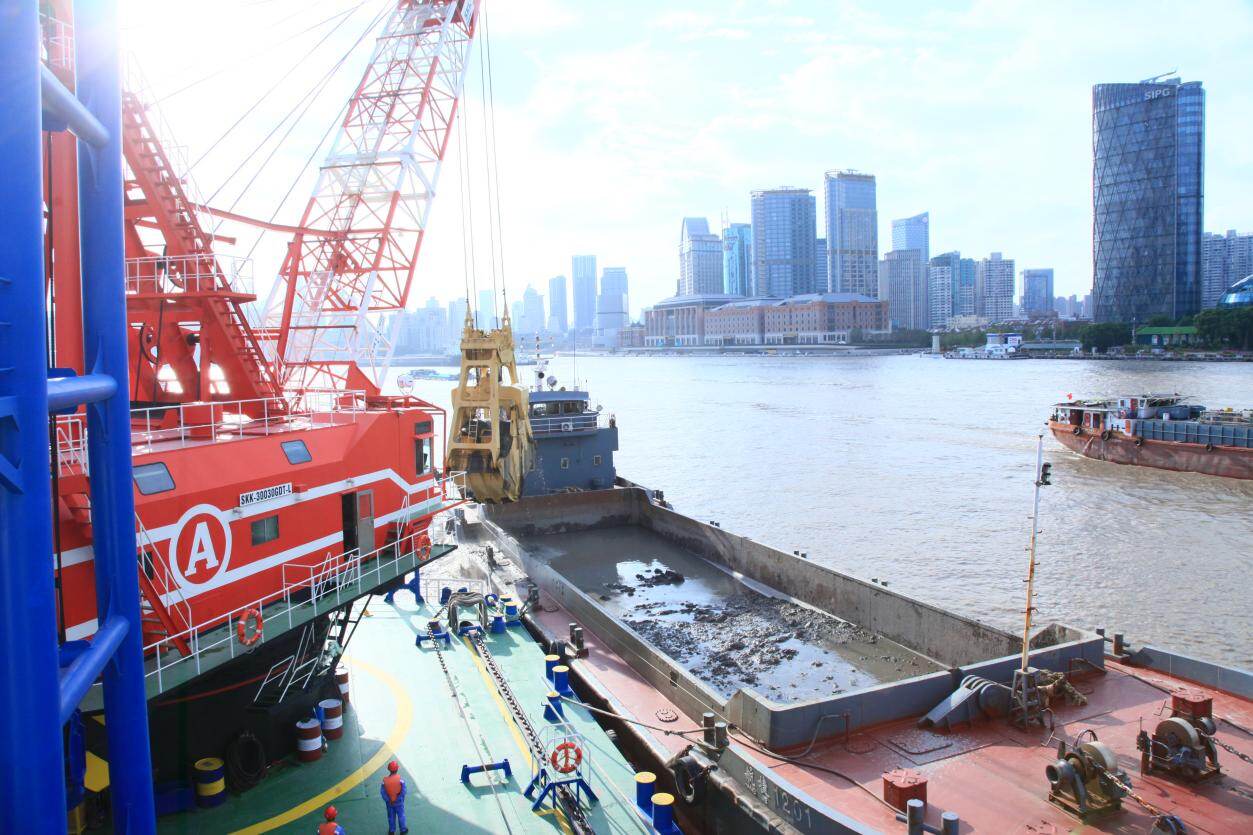
Busy docks on the west coast of the Caspian Sea
There are more and more goods, but the water is getting shallower and shallower. Due to the continuous decline in the water level of the Caspian Sea, ensuring the depth of the waterway and maintaining normal berthing and disembarking of various types of ships has become a practical challenge for port operations. Therefore, dredging has been explicitly included in the investment plan of Baku Port. Once the waterway becomes tight, it will not only affect one port: the entire chain of goods landing, reloading, customs clearance, and distribution on the west coast of the Caspian Sea will slow down accordingly. And here is exactly the key destination of the Caspian Sea crossing passage - the train from Xi'an, Beijing, Nanchang, Zhengzhou and other places in China, leaves the country via Khorgos, crosses Kazakhstan, and transfers to the ferry at Aktau Port to cross the Caspian Sea. It is after landing at Alat that it connects the railway. The whole journey is about 8000 kilometers, taking about 15 days, far faster than traditional sea transportation.
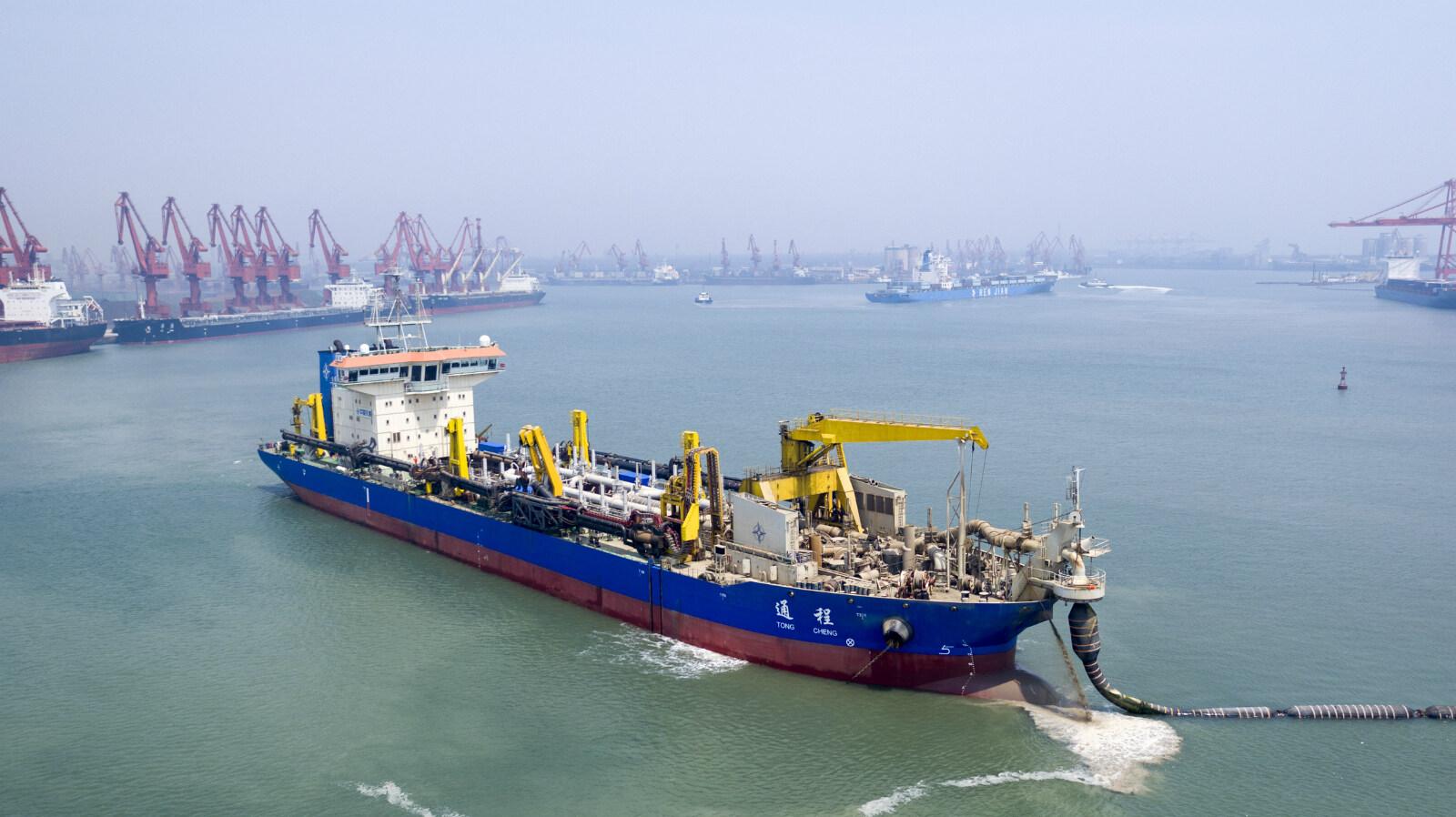
Dig out a deep water channel
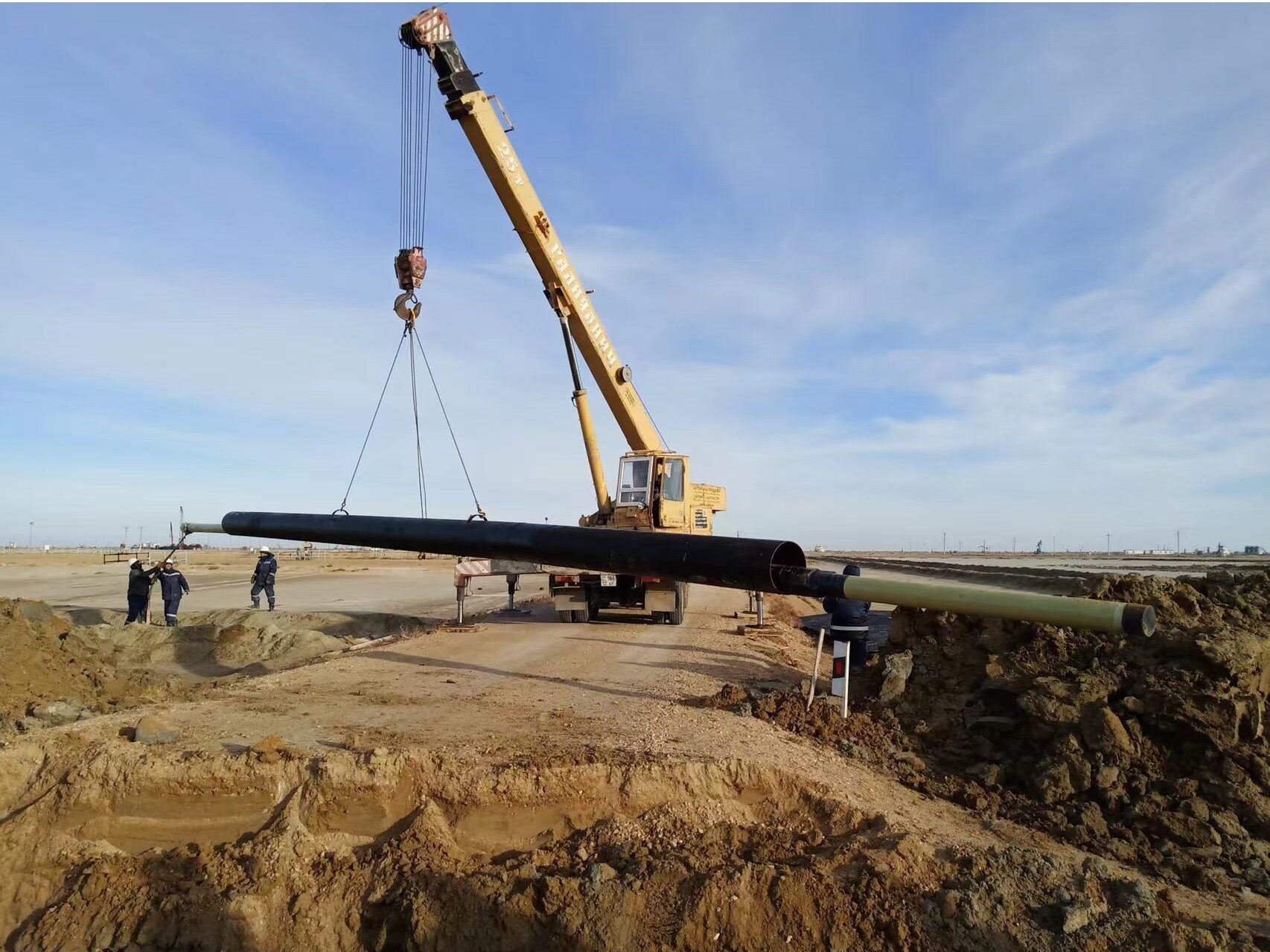
On September 4, 2026, CRBC Azerbaijan Branch successfully signed a commercial contract for the dredging project of the Baku International Maritime Trade Port's harbor basin and waterway, taking up this issue. The project is located in the Alat region of Azerbaijan, with the main engineering content of dredging the harbor basin and waterway. The waterway is 9.4 kilometers long, with a bottom width of 160 meters and a bottom elevation of -8.8 meters. The dredging amount is about 6 million cubic meters. Behind the data is a clear underwater contour - a channel nearly ten kilometers long, 160 meters wide, and excavated to 8.8 meters below sea level, which will leave enough clearance for large ships. After the completion of the project, the navigation conditions and comprehensive transportation support capabilities of the port will be significantly improved, and the potential for cargo aggregation and distribution in the central corridor will be further activated. The regional supply chain will also receive more solid hardware support as a result.
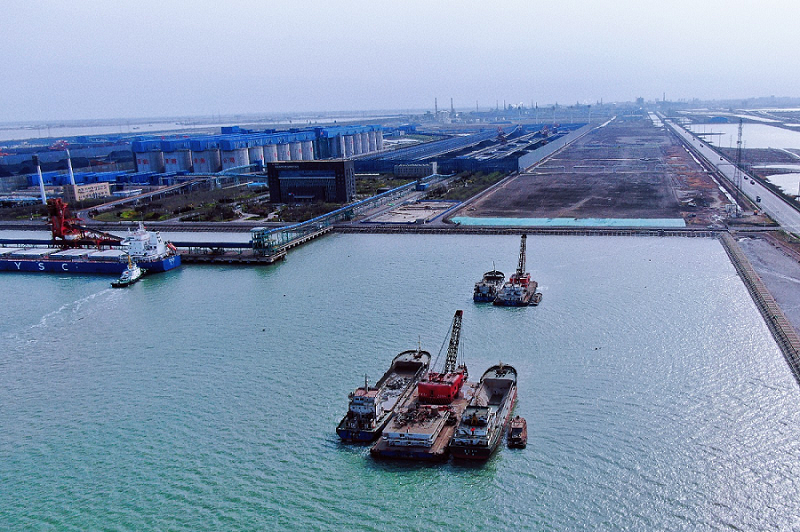
Looking towards the future from the first Chinese investment order
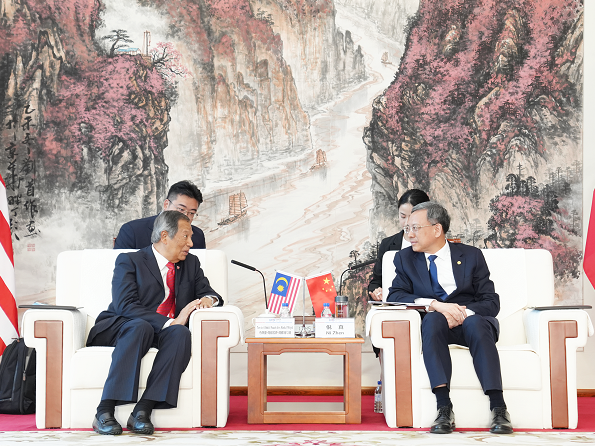
The weight of this contract goes beyond the quantity of work. It is the first civil infrastructure project undertaken by a Chinese enterprise within the budget framework of the Azerbaijani government, which means that the technical and contractual capabilities of China Road and Bridge Corporation have entered the formal procurement sequence of local public works. Not long ago, the company's general manager Wang Lijun met with Azerbaijani Prime Minister Asadov in Baku, and the two sides had in-depth exchanges on practical cooperation in areas such as connectivity and infrastructure construction. Corresponding to this is the overall acceleration of regional channels: after the modernization of the Baku Tbilisi Kars railway, the annual freight capacity has been increased from 1 million tons to 5 million tons. The hardware links together, and only then can the central corridor truly run.keywords:Engineering infrastructure
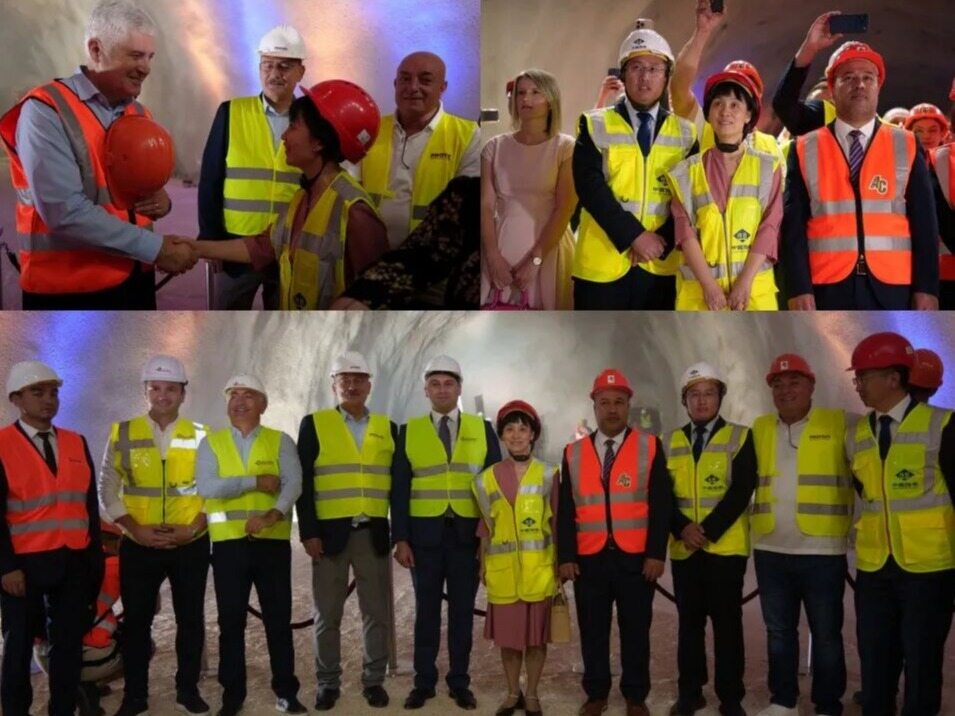
For CRBC, this signing is an important breakthrough for the Azerbaijan branch to implement the overall guidance of the group and implement the company's development strategy, and also lays a solid foundation for continued deepening of the Transcaucasian market. Starting from the banks of the Caspian Sea for 9.4 kilometers, a waterway leads to a broader area of interconnectivity.Editor/Yang Meiling
Comment


 Praise
 Collect
 Comment

 Share
Share


Write something~