 Search


- CN-KZ overland energy corridor widens, reshaping regional crude transport patterns
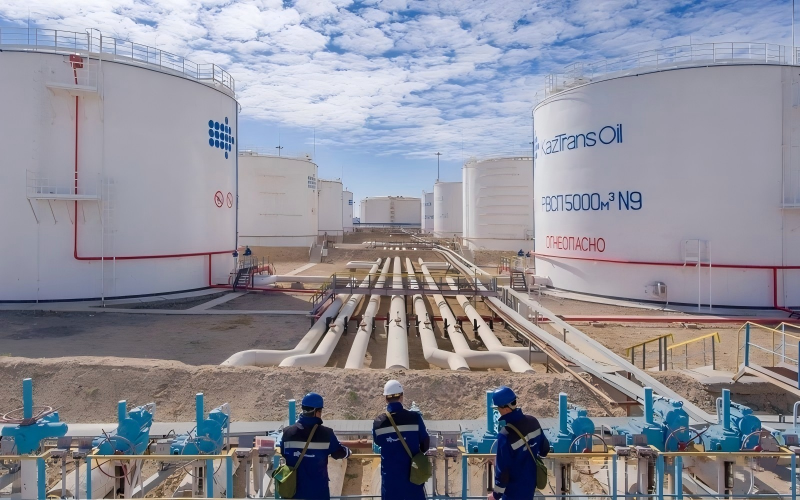
In mid August, a batch of crude oil was loaded into railway oil tankers at the Shaqir oil loading facility in Kazakhstan and then headed south towards Kyrgyzstan. This is the first time KazTransOil has transited oil through its own country to another country, with the first batch of 35000 tons of crude oil shipped on August 15, 2026. Behind a seemingly ordinary tanker train is Kazakhstan's ambition to expand its oil transit business.
Almost at the same time, a heavier expansion plan was put on the table. This national oil transportation company disclosed during an online investor exchange event on the Kazakhstan Stock Exchange that it will invest approximately $327 million from 2026 to 2030 to expand two key oil pipelines.
Expansion of two main lines
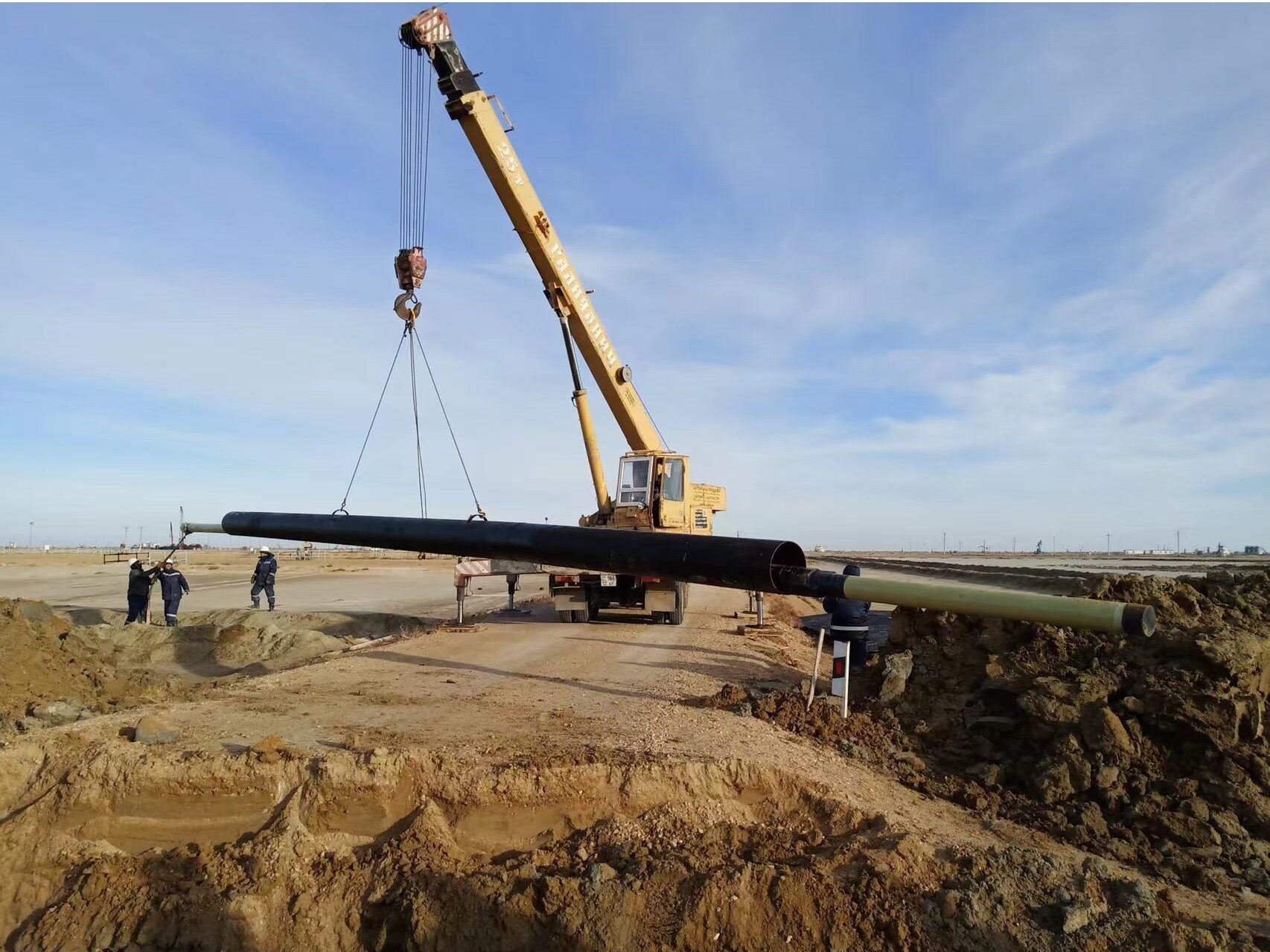
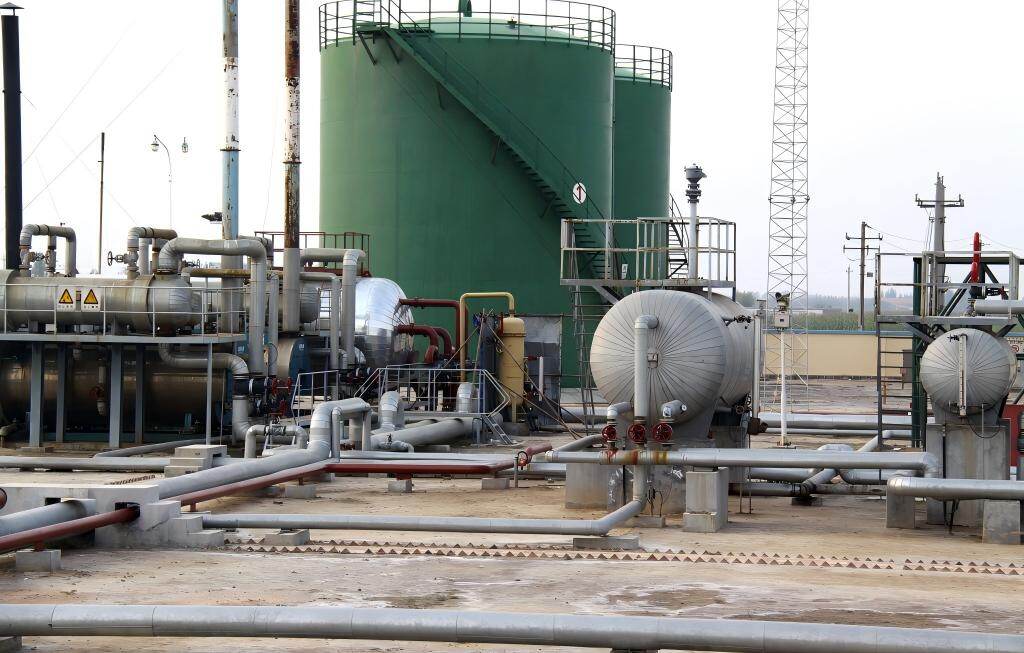
According to the announced plan, the initial investment for the project is about 327 million US dollars, equivalent to 176.7 billion tenge, and the funds are expected to be mainly raised through borrowing. The expansion involves two sections of pipelines, Kenkiyak Atyrau and Kenkiyak Kumkol: the former has an annual transportation capacity increased from about 6 million tons to 15 million tons, and the latter has increased from 10 million tons to 20 million tons, totaling 35 million tons. To ensure the expanded transportation capacity, there are plans to build 5 new oil pumping stations. According to the disclosure of the Kazakh side, the project participants include KazTransOil and two joint venture pipeline operators between Kazakhstan and China, in which the Chinese side holds a considerable proportion of equity.
It should be noted that the current investment estimate of 327 million US dollars is only preliminary. With further clarification of subsequent engineering design, feasibility study, equipment and financing plans, the final investment scale may still be adjusted.
Speed up the eastward oil transportation
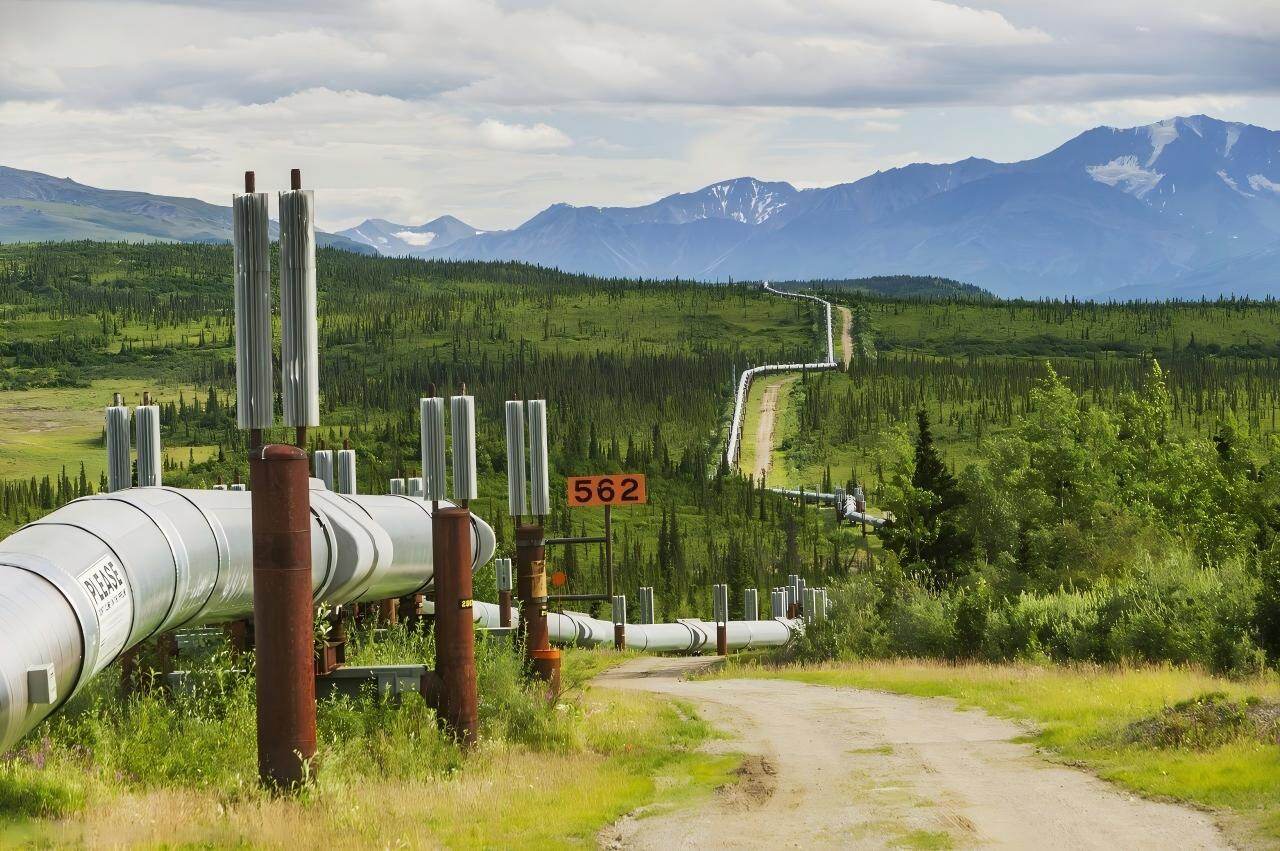
The Kenkiyak Atyrau pipeline connects Kenkiyak and Atyrau in Aktobe Oblast, passing through Aktobe Oblast and Atyrau Oblast, with bidirectional transportation capacity, serving both crude oil exports and delivering crude oil from western Kazakhstan to domestic refining enterprises. The Kenkiyak Kumkol pipeline is an important section of the Kazakhstan China oil transportation system, connected to the Atasu Alashankou pipeline - the latter has a total length of 965 kilometers and was put into operation in 2006. It is China's first onshore cross-border crude oil import channel, and in 2013, the entire pipeline's oil transportation capacity was increased to 20 million tons per year. The entire passage starts from Atyrau in the west and ends at Alashankou in the east, with a total length of about 2800 kilometers.
Since its operation, the Kenkiyak Kumkol pipeline has transported over 100 million tons of crude oil. According to the plan of the Kazakh side, the expansion of the two pipelines will further promote the expansion of crude oil transportation towards China through the Atasu Alashankou pipeline. This project has been in preparation for many years. In May 2023, Kazakhstan National Oil and Gas Company and China National Petroleum Corporation reached an agreement to conduct preliminary research on improving the transportation capacity of two pipeline sections.
Regional Transit Tuoxin Road
While expanding eastward, Kazakhstan is also extending the value of its pipeline network to its surrounding areas. The transit transportation to Kyrgyzstan launched in August this year will first transport crude oil through the Harbin trunk pipeline to the loading facilities in Shaqir, and then transfer it to railway oil tankers for export. The new route will complement the channels to China and other directions.keywords:Engineering infrastructure
The data confirms the weight of this pipeline network: in 2025, KazTransOil transported a total of 45.12 million tons of oil through the mainline oil pipeline system, reaching the highest level in nearly 7 years. At the end of last year, the traditional export channel in the direction of the Caspian Sea was disrupted, highlighting the strategic value of the eastward pipeline. From a $327 million investment to an energy artery leading to China, Kazakhstan is seeking more exports of its crude oil.Editor/Yang Meiling
Comment





 Praise
 Collect
 Comment

 Share
Share


Write something~