 Search


- It is a layout that aims to double the demand for electricity in ten years
- It also opens up new space for China's nuclear power industry chain to go global
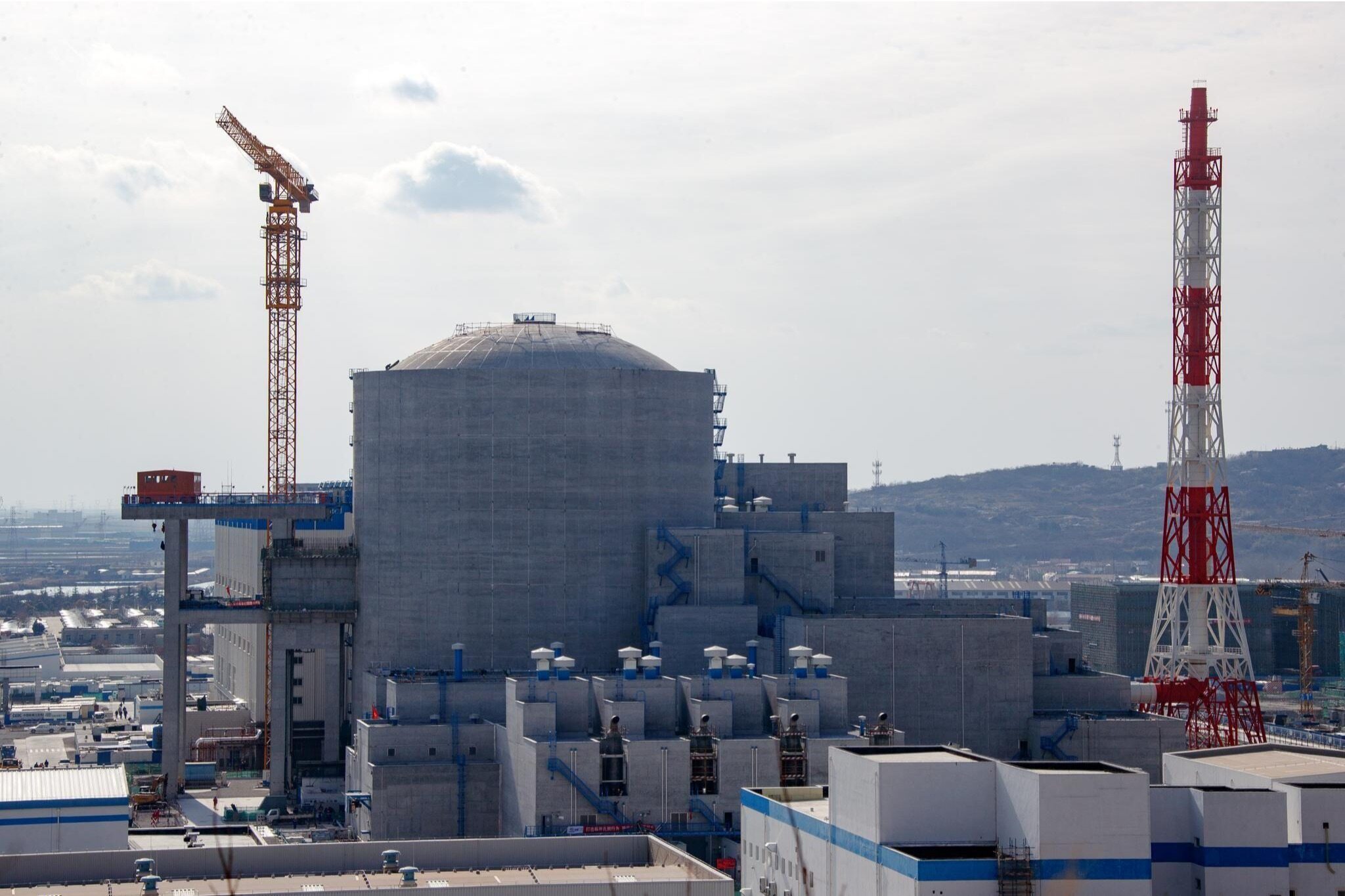
On September 8, 2026, in Belgrade, an Uzbekistan Serbia business forum that was supposed to focus on natural gas quotes and investment lists was brought to the heartland of Central Asia by Serbian President Vucic. He relayed a long conversation with Uzbekistan President Mirziyoyev to the entrepreneurs in the audience: building a nuclear power plant is not enough, cooperating with Russia and China is still not enough, and the pace of expanding power installation will not stop. Vucic used Uzbekistan as a model to teach the Serbs - a country that is paving the way for the surge of electricity consumption in data centers, artificial intelligence, innovation, and electric vehicles in advance, rather than waiting for power shortages before taking action.

A speech on the forum
This report is not groundless. On August 17th, Mirziyoyev revealed during his inspection of the Khorezm region that preparations for the second nuclear power plant were underway, but did not specify the cooperating party at the time. It was not until the forum in Belgrade that the outline of China's participation surfaced. So far, the site selection, installed capacity, and schedule for the second project have not been officially announced.
Uzbekistan's sense of urgency has its reasons. The country has the tenth largest uranium reserves and the fifth largest production in the world, but plans to use nuclear power to fill the electricity gap that is expected to double in the next decade. Wu Qiqi also revealed that the two countries will discuss the cost of natural gas - with the dual guarantee of Russian gas supply and Ukrainian self-produced gas, the price will be lower than the exchange level.
Addition and subtraction on construction sites
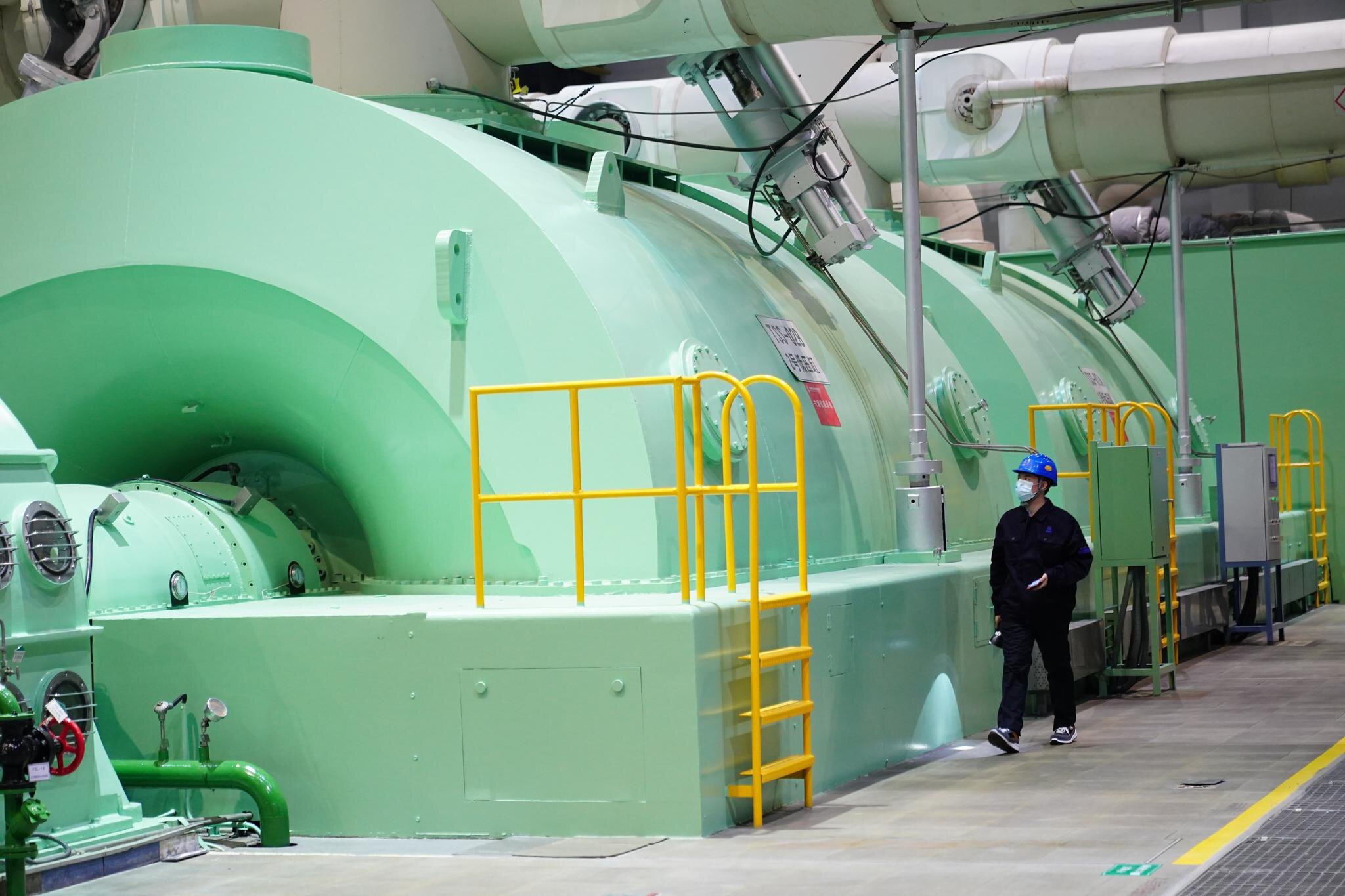
The real highlight is in Jizak Oblast. The first nuclear power plant here has a total installed capacity of about 2110 megawatts, with an annual power generation of about 17 billion kilowatt hours after full operation, which can meet about 15% of the country's electricity demand. On June 4, 2026, Putin and Mirziyoyev jointly launched the construction of the first unit via video link.
The total project cost is 9.5 billion US dollars. Currently, 450 professionals and over 100 sets of special equipment are busy at the construction site. The president is not satisfied with the other side of the ledger: domestic products account for only 21%, about 1.9 billion US dollars. He has set a hard target - to increase this proportion to at least 30% and hand over 65% of the construction and installation work to state-owned enterprises, while mobilizing 7000 local workers to participate. Turning from a buyer to a participant is what Uzbekistan truly wants to settle.
A city and a chain
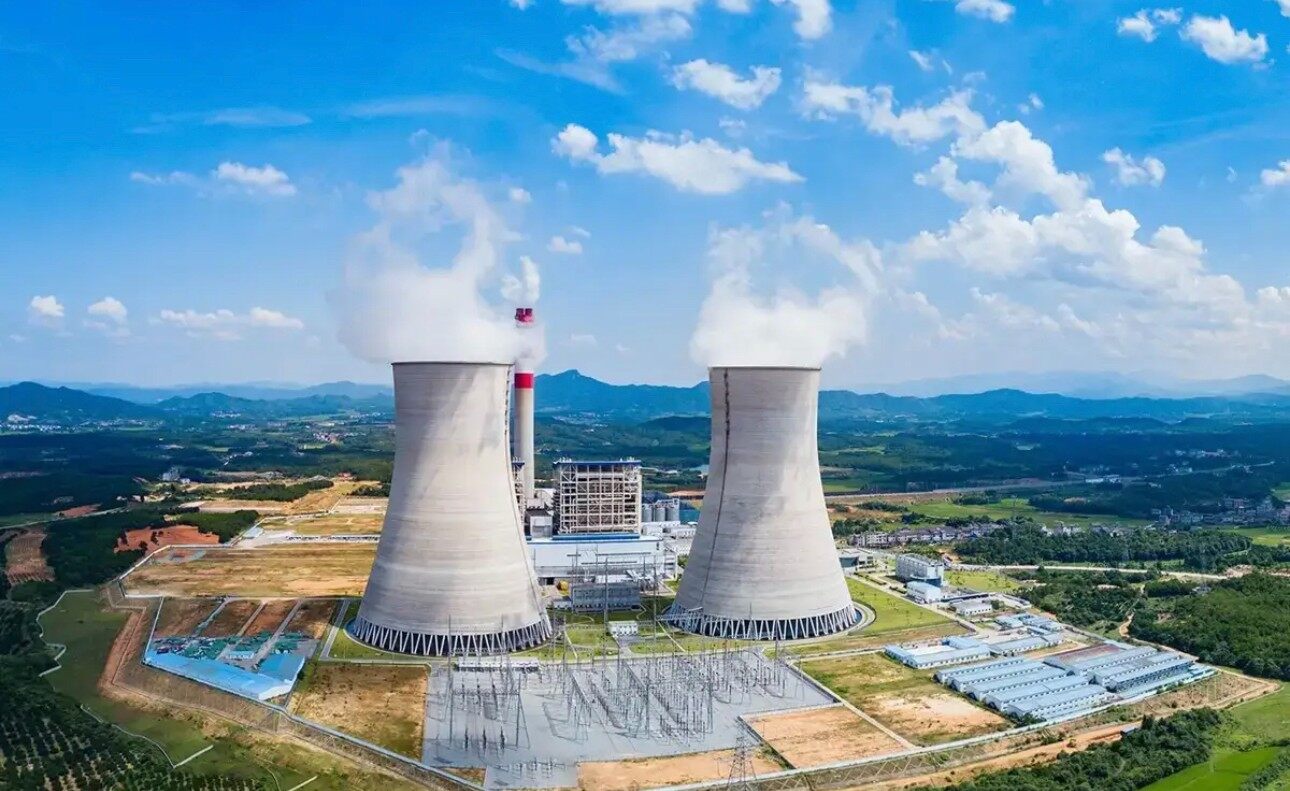
Nuclear power brings more than just electricity. In Farish District, an industrial zone covering 200 hectares and accommodating at least 100 joint ventures has been put on the agenda; A satellite city with about 33000 people will be built next to it to accommodate nuclear power workers and their families. An inland agricultural region in Central Asia is being rewritten as a new coordinate for industry and urban development.eywords:New energy information network,Engineering infrastructure
The other end of the chain is connected to a wider scope of cooperation. Uzbekistan has agreed with Kazakhstan to collaborate on nuclear energy, radiation, and environmental safety during the construction and operation of nuclear power plants. China National Nuclear Corporation has also signed a memorandum of cooperation and roadmap with the Ukrainian Atomic Energy Development Agency, extending cooperation from uranium resources to nuclear power and technology applications. As the curtain of the second project kicks off, the path of China's nuclear power towards Central Asia is becoming increasingly clear.Editor/Yang Meiling
Comment



 Praise
 Collect
 Comment

 Share
Share


Write something~