 Search


- Pakistan and India have successively implemented new mandatory storage regulations
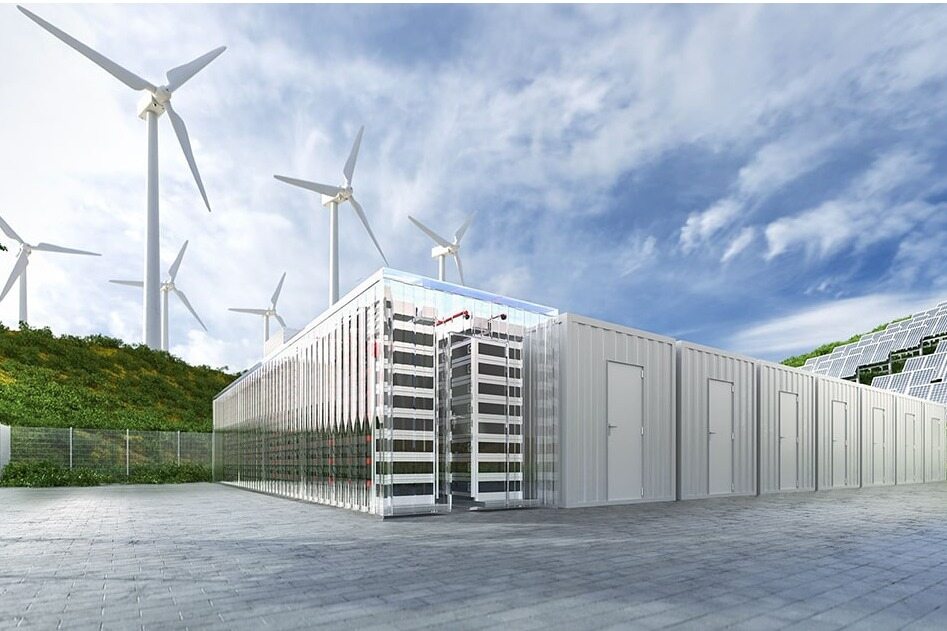
In the bidding office for new energy projects in Islamabad, wind power developers who came to bid had just received the latest auction documents when the mandatory storage allocation clause on the first page caused many people to stop flipping pages. On September 4, 2026, Pakistan officially implemented new regulations for mandatory allocation and storage of new energy. The first round of auction for 400MW is directly bound to a minimum allocation and storage requirement of 10%. India, the neighboring country, has just included the requirement for new energy projects to be equipped with energy storage starting from 2027 in the draft technical standards.
In the first half of 2026, the global installed capacity of energy storage surged by 68% year-on-year. These two South Asian policies, implemented before and after, are like two stones thrown into the lake, rippling the rule that new energy cannot be connected to the grid without energy storage, and pushing it towards a broader global emerging electricity market.
10% low threshold is a gentle stepping stone
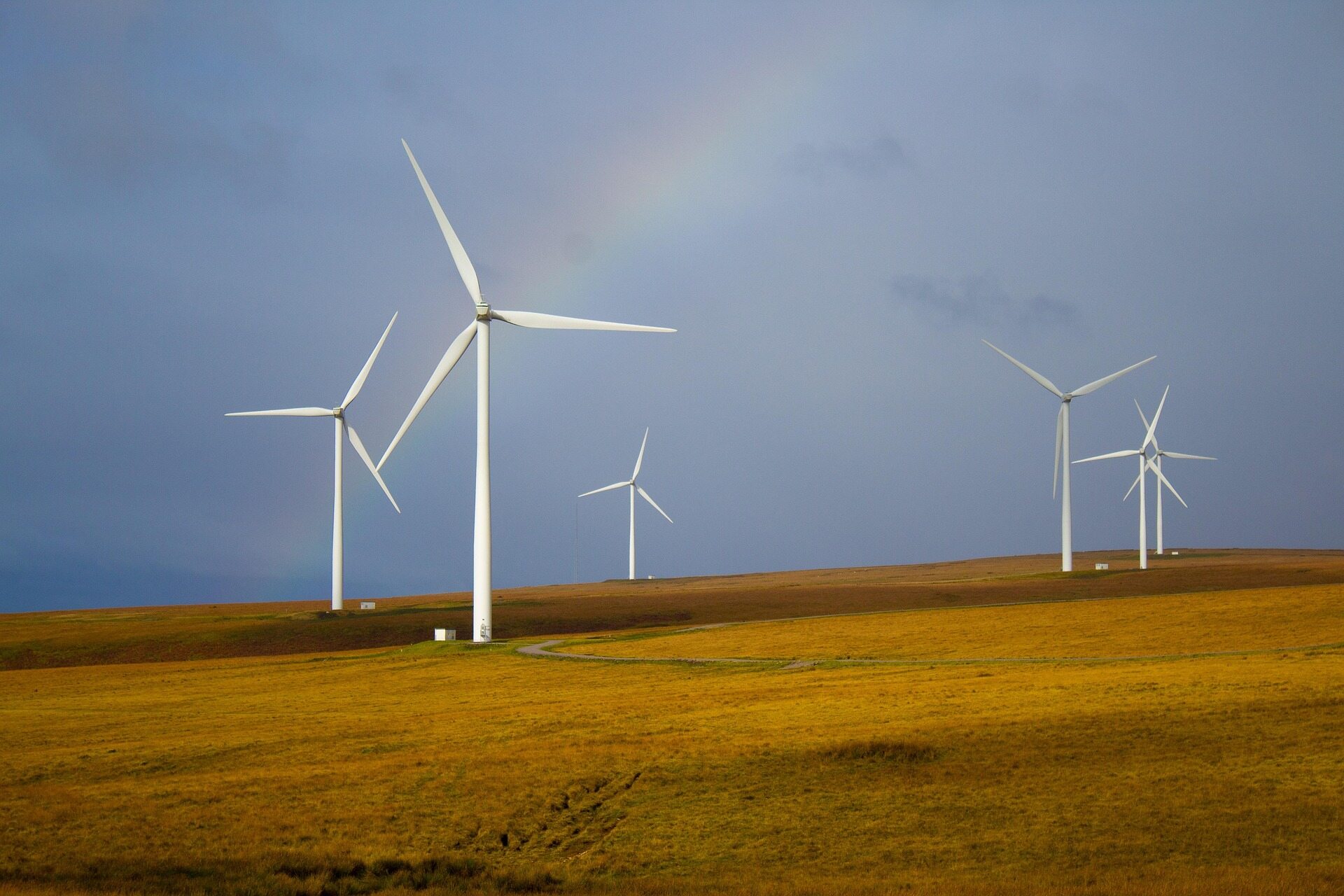
The 10% allocation and storage starting point set by Pakistan only requires 40MW/160MWh of energy storage. ISMO's calculation results show that this ratio can only reduce the wind power curtailment rate by 0.3 percentage points and the photovoltaic curtailment rate by 1.1 percentage points, and will hardly bring excessive investment burden to the project.
It's not about putting a tight spell on companies right away, but using a cost threshold that can be reached by tiptoeing, allowing all players to develop the habit of "thinking about energy storage first when building new energy", and then gradually raise bids as the cost of energy storage decreases, avoiding blocking developers directly from the auction door with a high proportion of allocated storage at the beginning.
India outlines long-term route with ladder rules
India's policy pace is fast and decisive, and projects connected to the grid after July 2027 must be equipped with 10%/2-hour energy storage; By 2029, it will be directly upgraded to 10%/4 hours, and even the proportion of inverter grid configuration and the control capability of energy storage PCS will be included in mandatory standards.
There is no vague follow-up notice, and all time nodes and technical indicators are clearly displayed on the table, which is equivalent to directly presenting the industry with a demand list for the next five years. Equipment manufacturers no longer need to guess policy trends, and by following this route, they can polish their products without deviation.
I can no longer work as an equipment porter when going out to sea
Many Chinese companies used to do business in the South Asian market and were accustomed to directly packaging and shipping existing energy storage cabinets and inverters domestically. Now this approach is no longer feasible. The local power grid frequency fluctuates greatly, with summer temperatures exceeding 45 degrees Celsius and severe salt spray corrosion in coastal areas. Ordinary domestic standard equipment cannot withstand the operating environment on site.
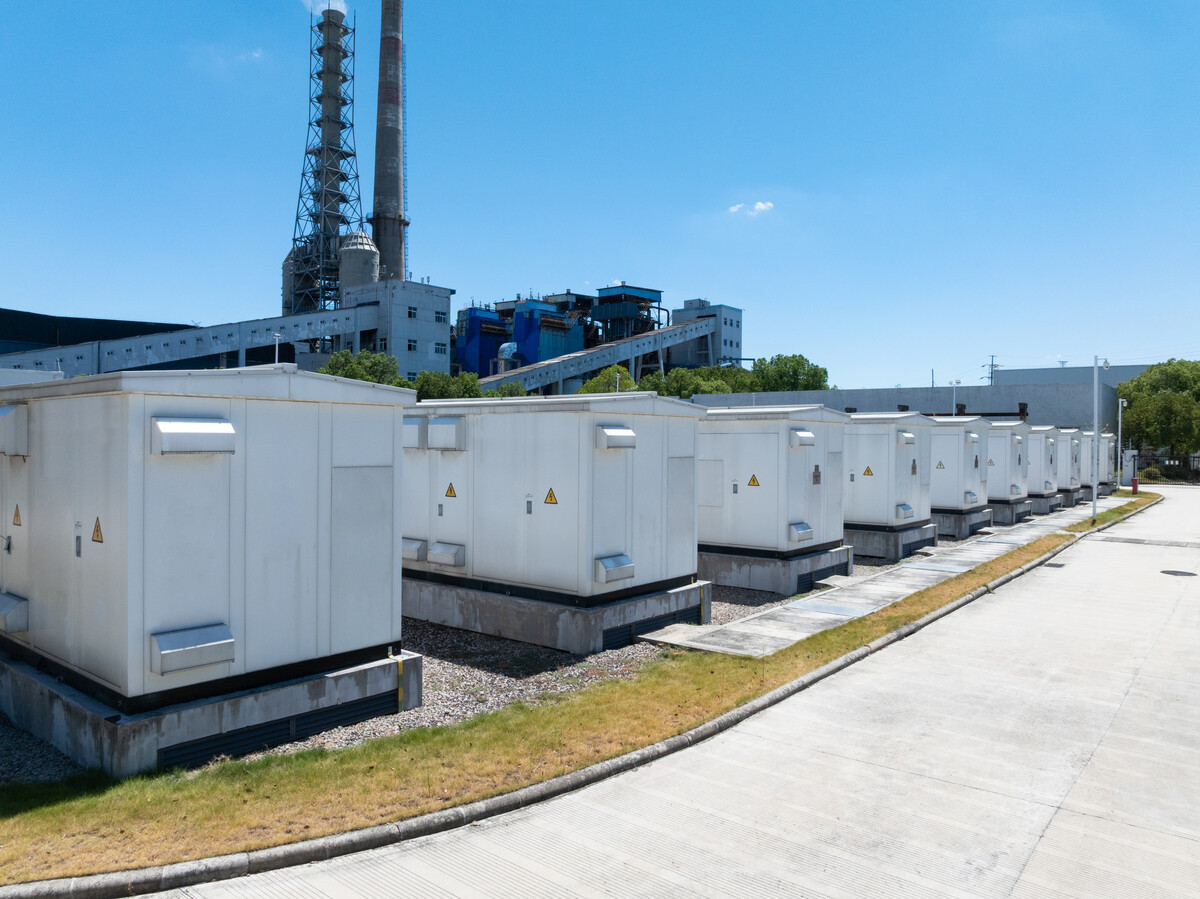
In the past, selling a single machine was enough to make money, but now we have to bring a complete set of "new energy+energy storage" AC side system solutions to the market, covering the entire chain from grid testing, grid adaptation to later operation and maintenance, in order to establish a foothold in the increasingly competitive South Asian market.
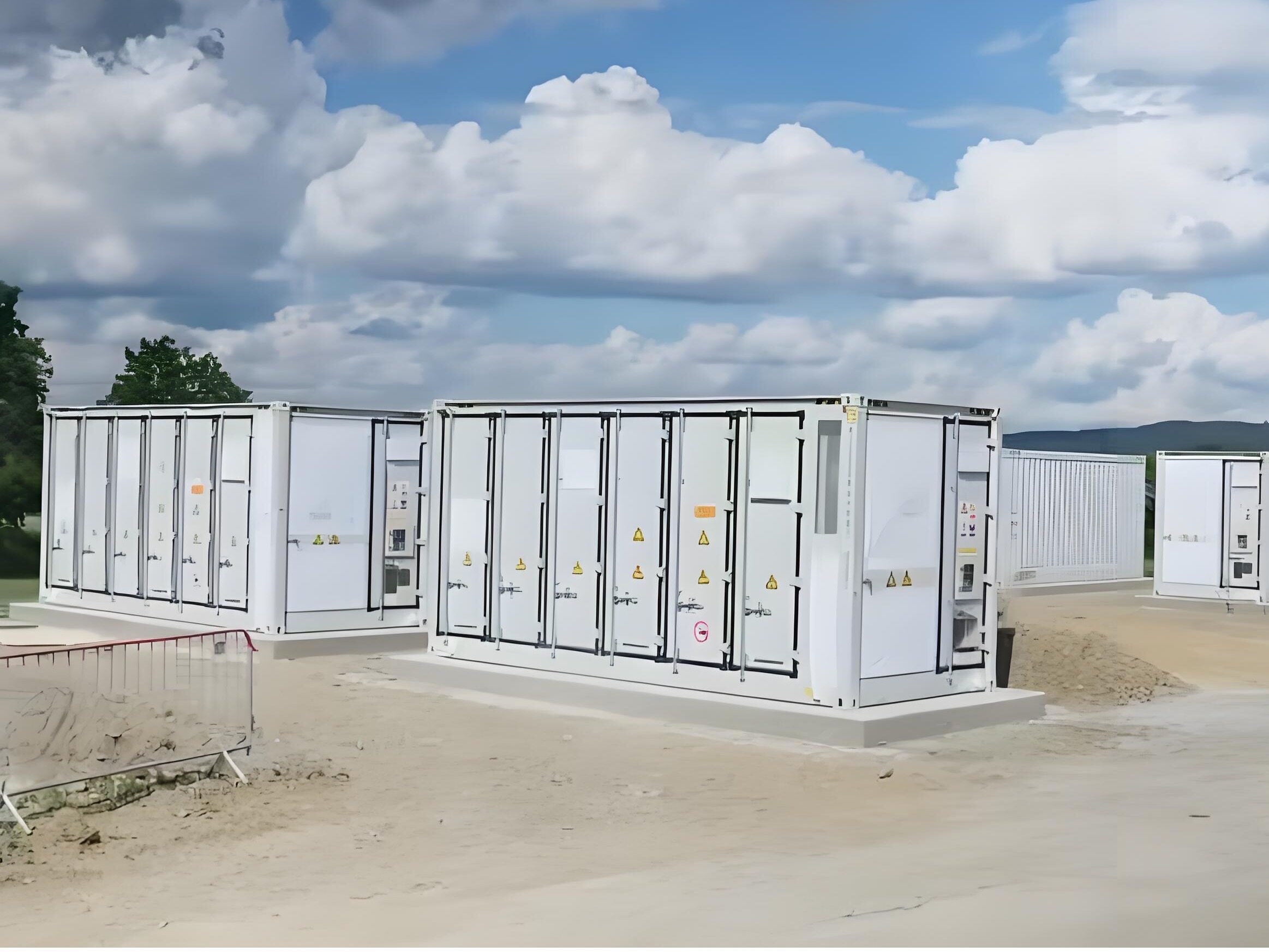
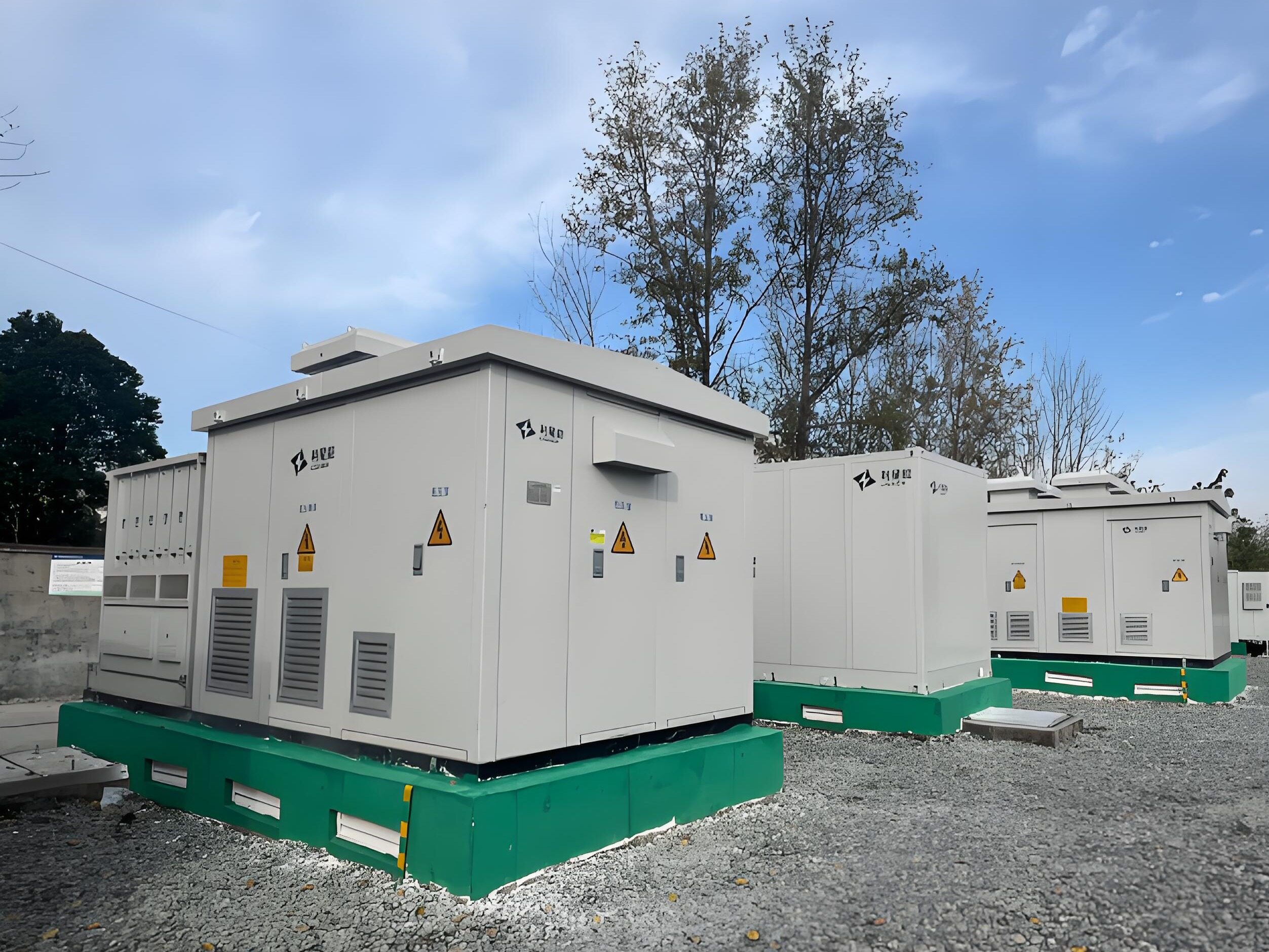
From the energy storage containers being unloaded at the Karachi port to the grid type PCS being tested in the Bangalore laboratory, this wave of mandatory energy storage allocation in South Asia is completely rewriting the business logic of the global new energy industry - in the past, whoever sold cheaper components will have to compete with who can deliver more stable and compliant green electricity to the grid.Editor/Cheng Liting
Comment

 Praise
 Collect
 Comment

 Share
Share


Write something~