 Search


- The new policy forces energy upgrading and activates a new market for energy storage in South Asia
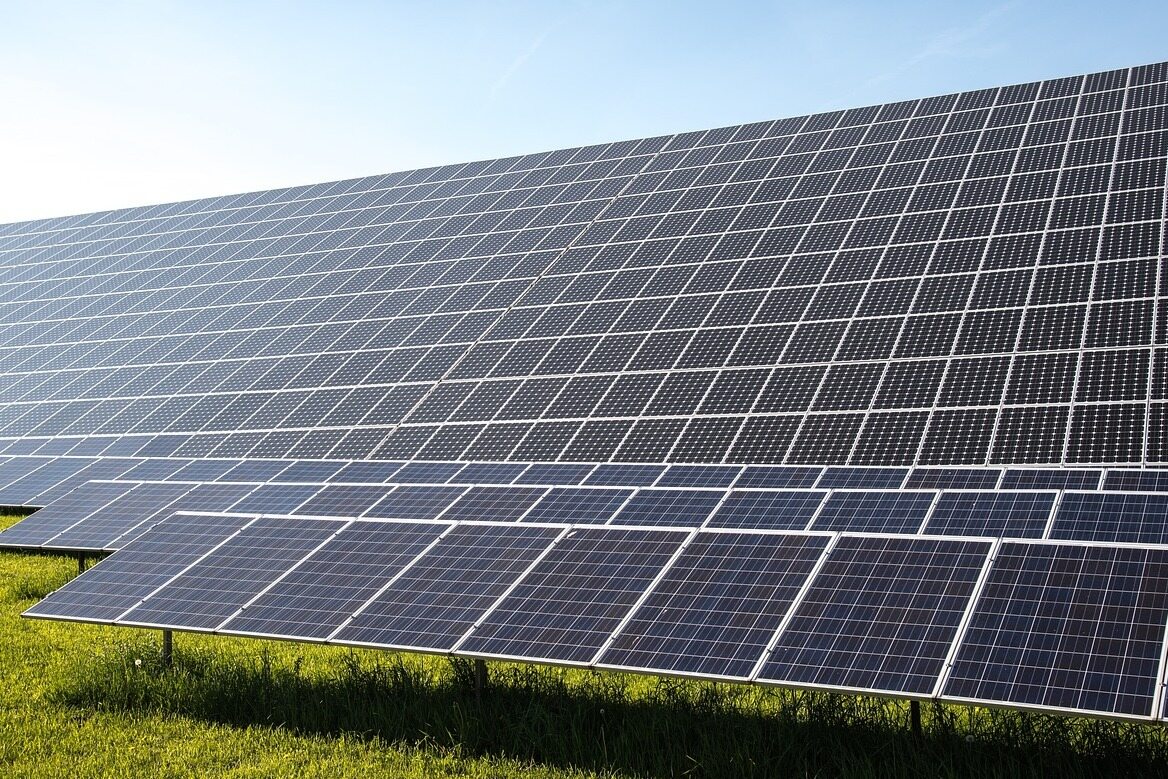
The South Asian new energy market has undergone significant changes, with Pakistan introducing mandatory new electricity regulations that completely change the rules for local wind and solar project construction. The previous construction model of only building photovoltaic and wind power equipment has become a thing of the past, and all newly built large-scale wind and solar power stations must be equipped with energy storage facilities to solve the problem of power grid fluctuations.
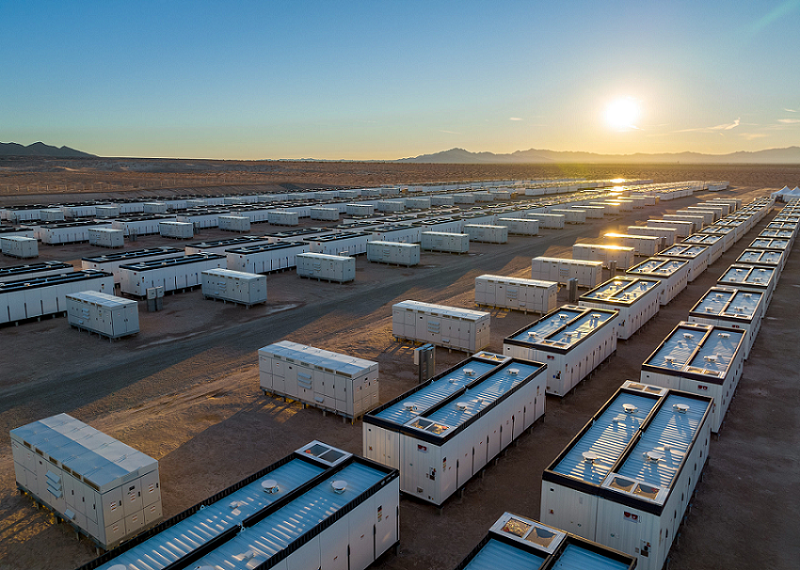
The new policy will be implemented forcefully
Recently, the National Electricity Regulatory Authority of Pakistan has introduced new industry rules that officially mandate that all wind and photovoltaic projects participating in renewable energy auctions must have a supporting battery energy storage capacity of no less than 10% of the project's installed capacity. This rule has been included in the local first round of 400 megawatt renewable energy auction terms and strictly enforced without any flexibility. This policy is mainly aimed at solving the prominent duck curve problem in the local power grid. During the day, Pakistan's photovoltaic power generation can reach up to 46% of the total electricity sales. In the afternoon, there is surplus electricity, but in the evening, power generation drops sharply, and the peak electricity consumption overlaps. The old power grid is difficult to adapt to significant power fluctuations, and the operating pressure continues to rise.
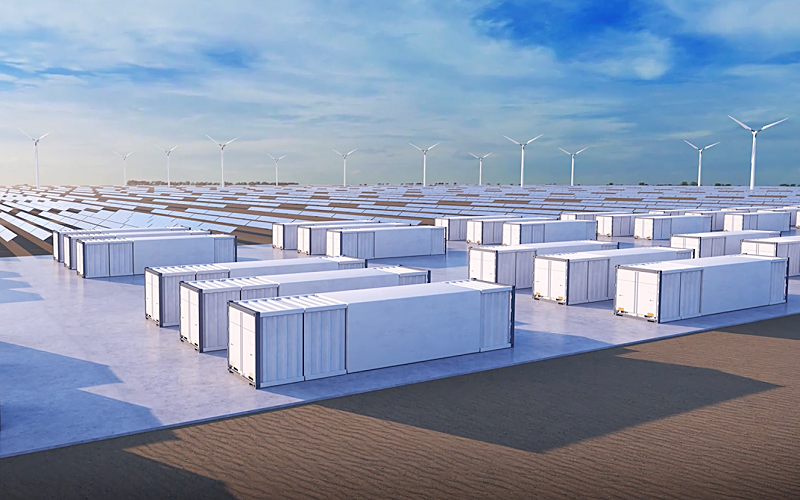
Release of market potential
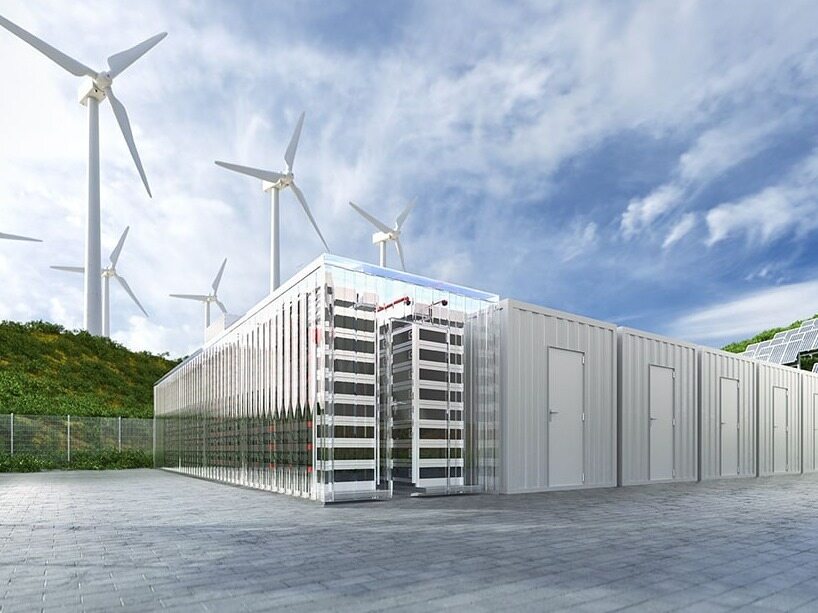
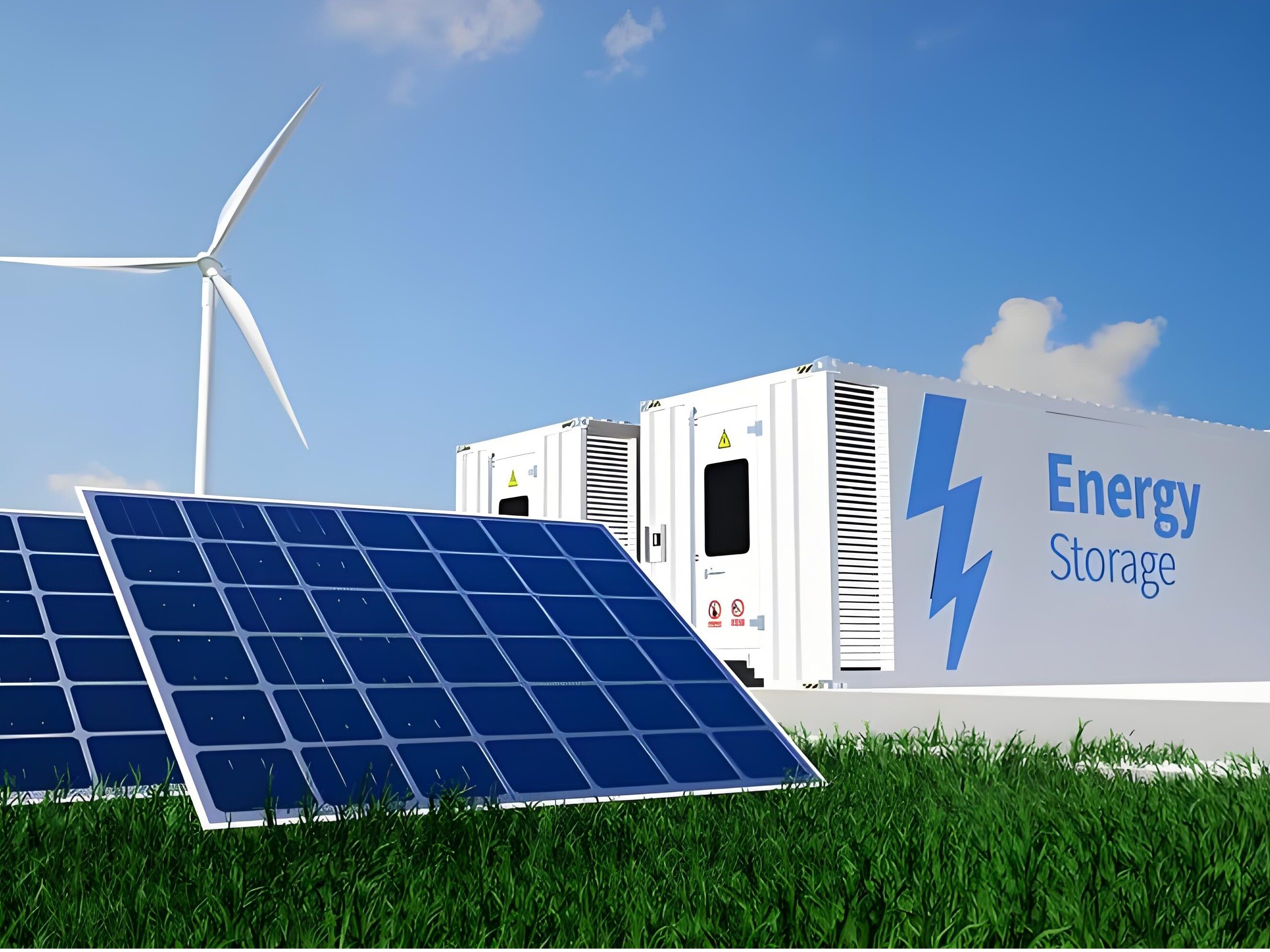
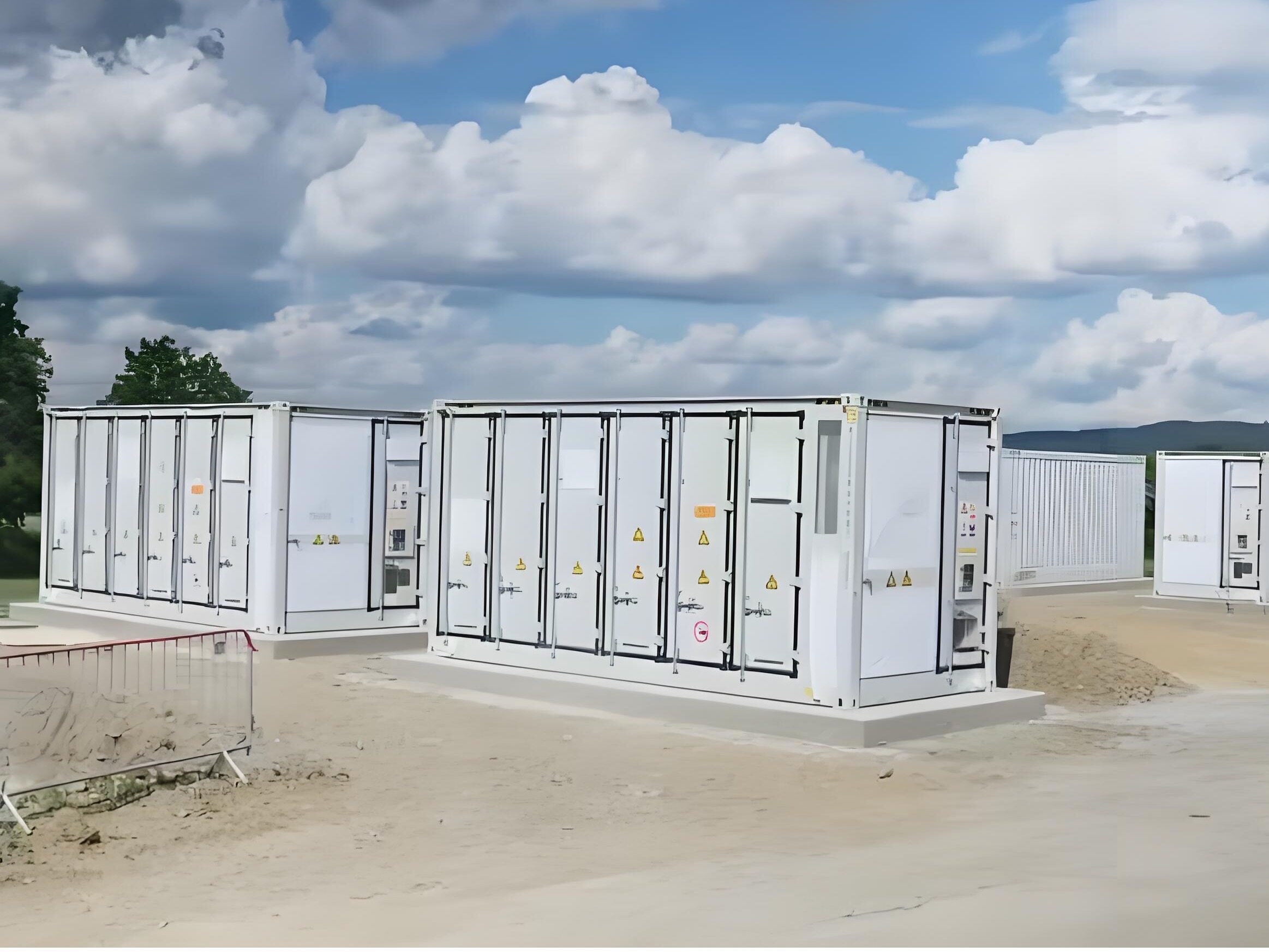
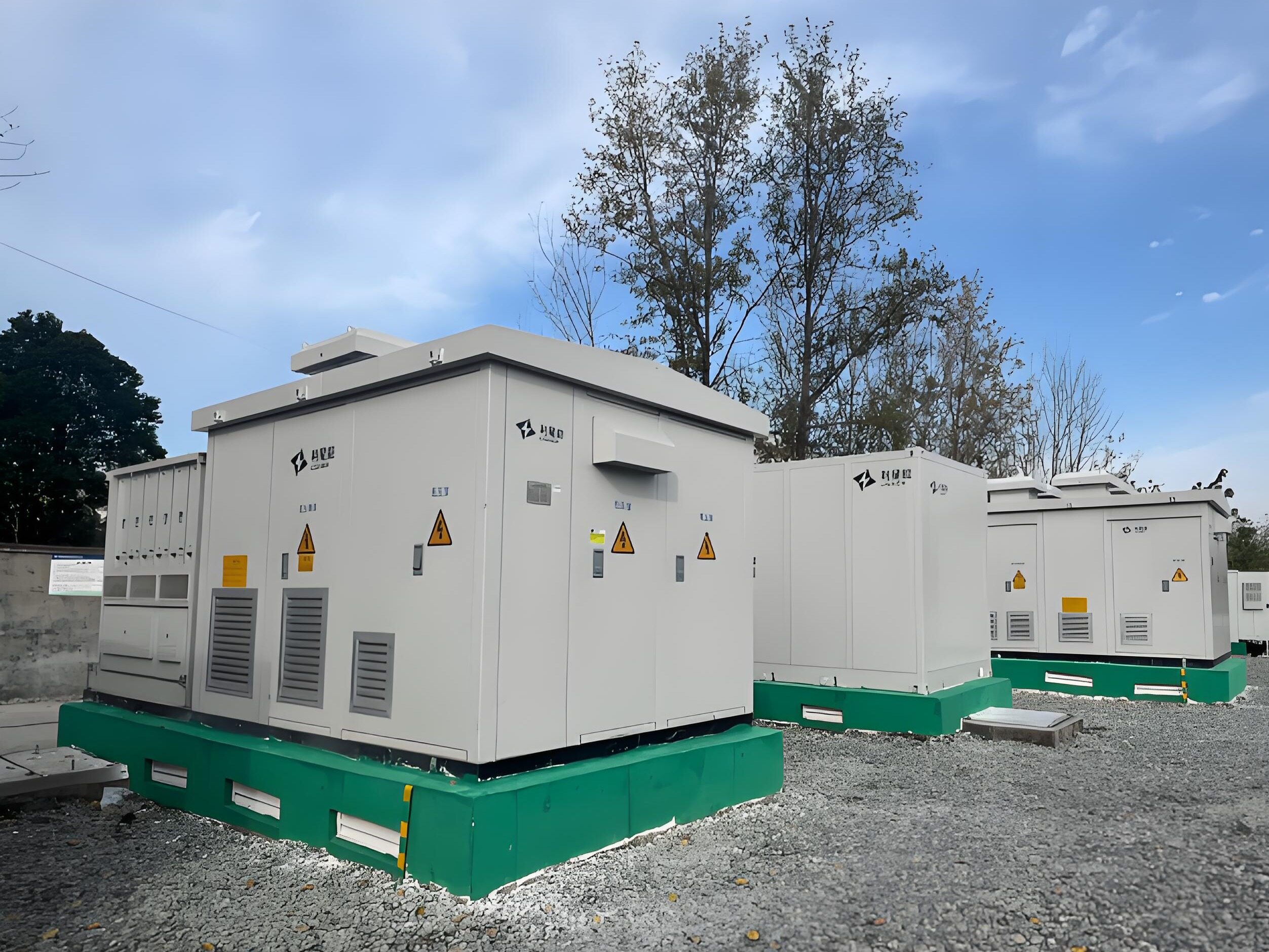
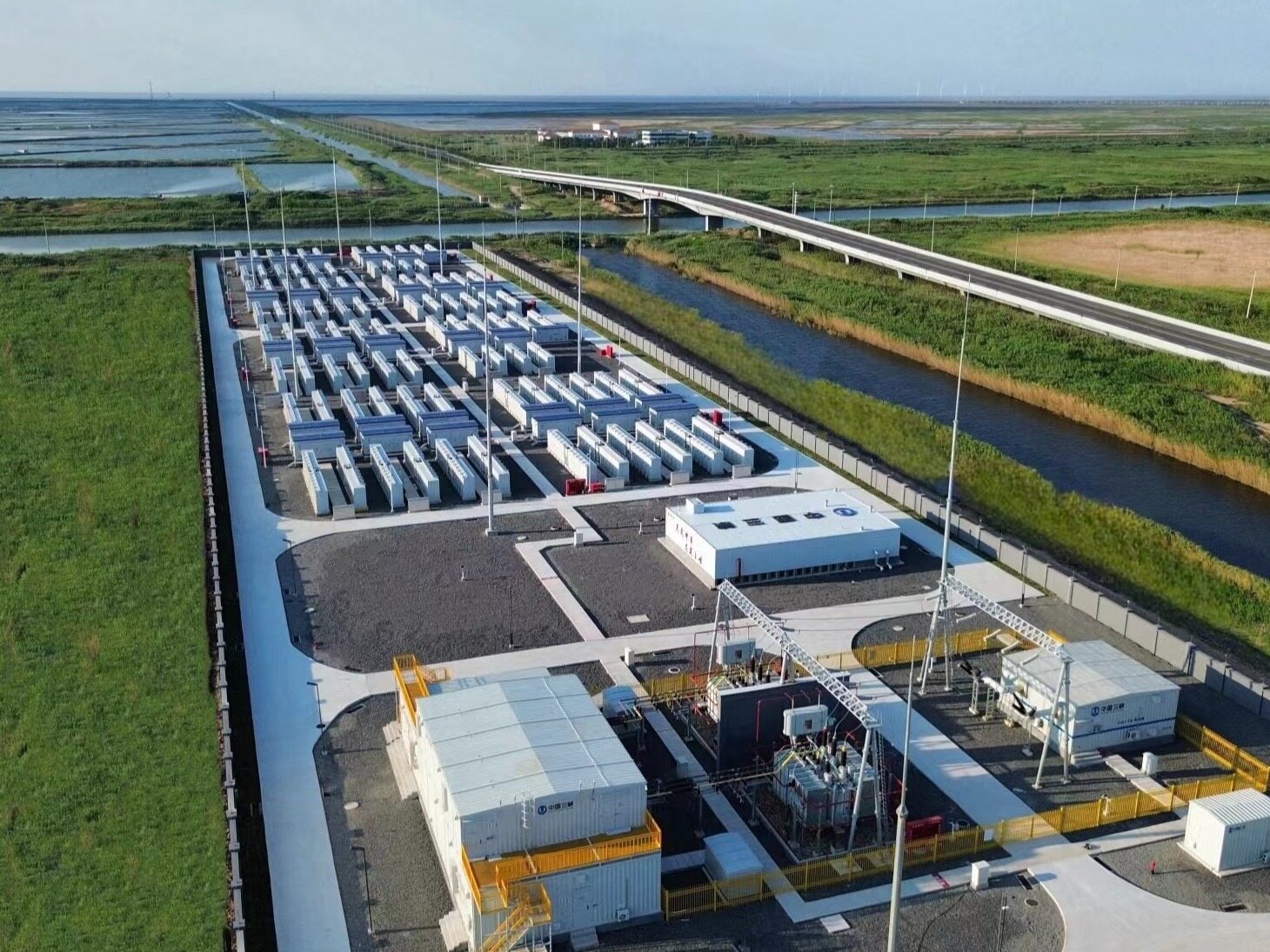
The new policy of mandatory allocation and storage will significantly optimize the local power supply structure. Energy storage equipment can store surplus green electricity during the day and smoothly release it during the evening peak electricity consumption, transforming the highly random wind and solar power generation into controllable and stable power resources, effectively alleviating grid congestion and smoothing power supply and demand fluctuations. According to the first round of 400 MW wind and solar power bidding and the 10% minimum allocation storage standard calculation, this new regulation will directly drive the energy storage demand of 40 MW per 160 MWh. Keywords: Pakistan, Wind and Solar Energy Storage
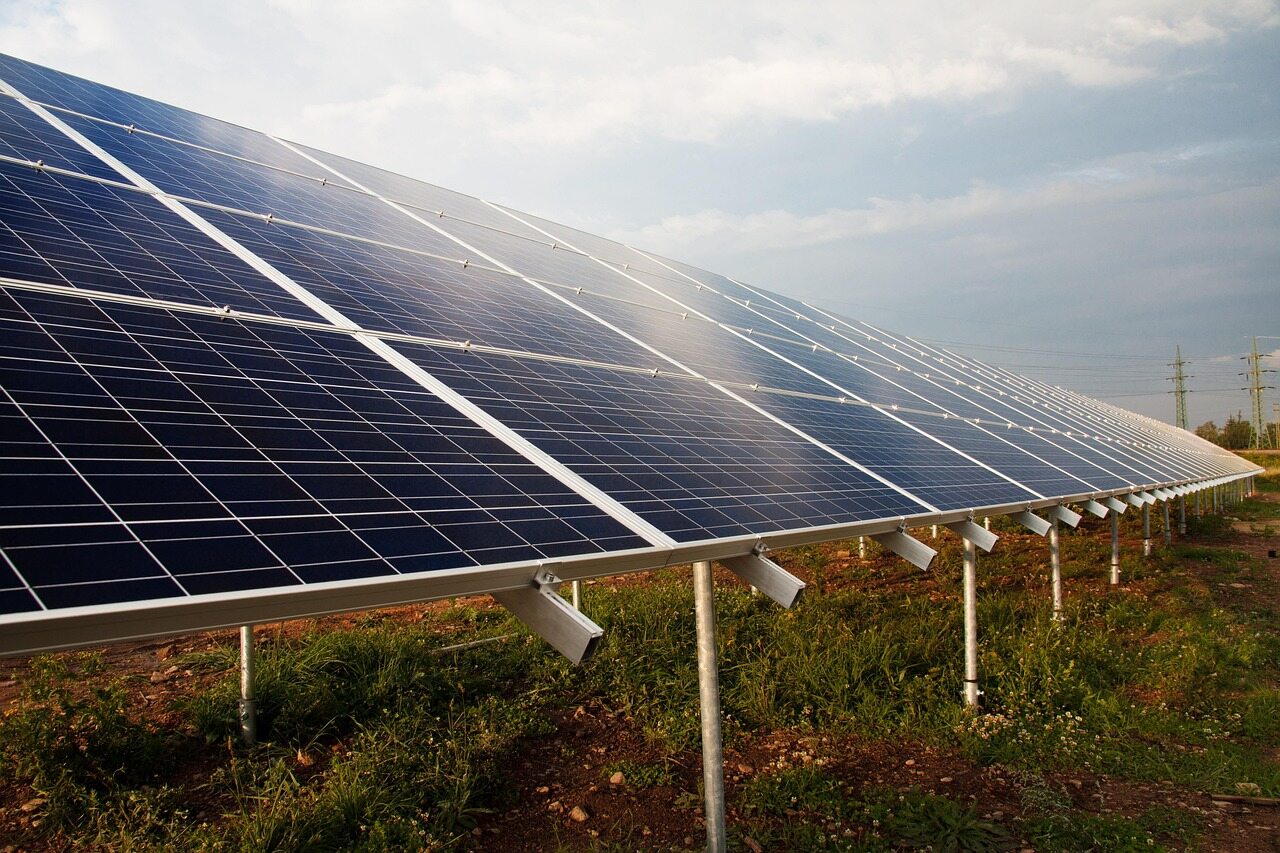
With the continuous landing of subsequent new energy projects, Pakistan will become the core energy storage blue ocean market in South Asia. Enterprises with integrated photovoltaic energy storage solutions will occupy a core advantage in local energy competition and open up a new track for Chinese new energy enterprises to go global.Editor/Min Jing
Comment


 Praise
 Collect
 Comment

 Share
Share


Write something~