 Search


- The Middle East has leapt to become the fastest growing regional market for China's the Belt and Road project contracting
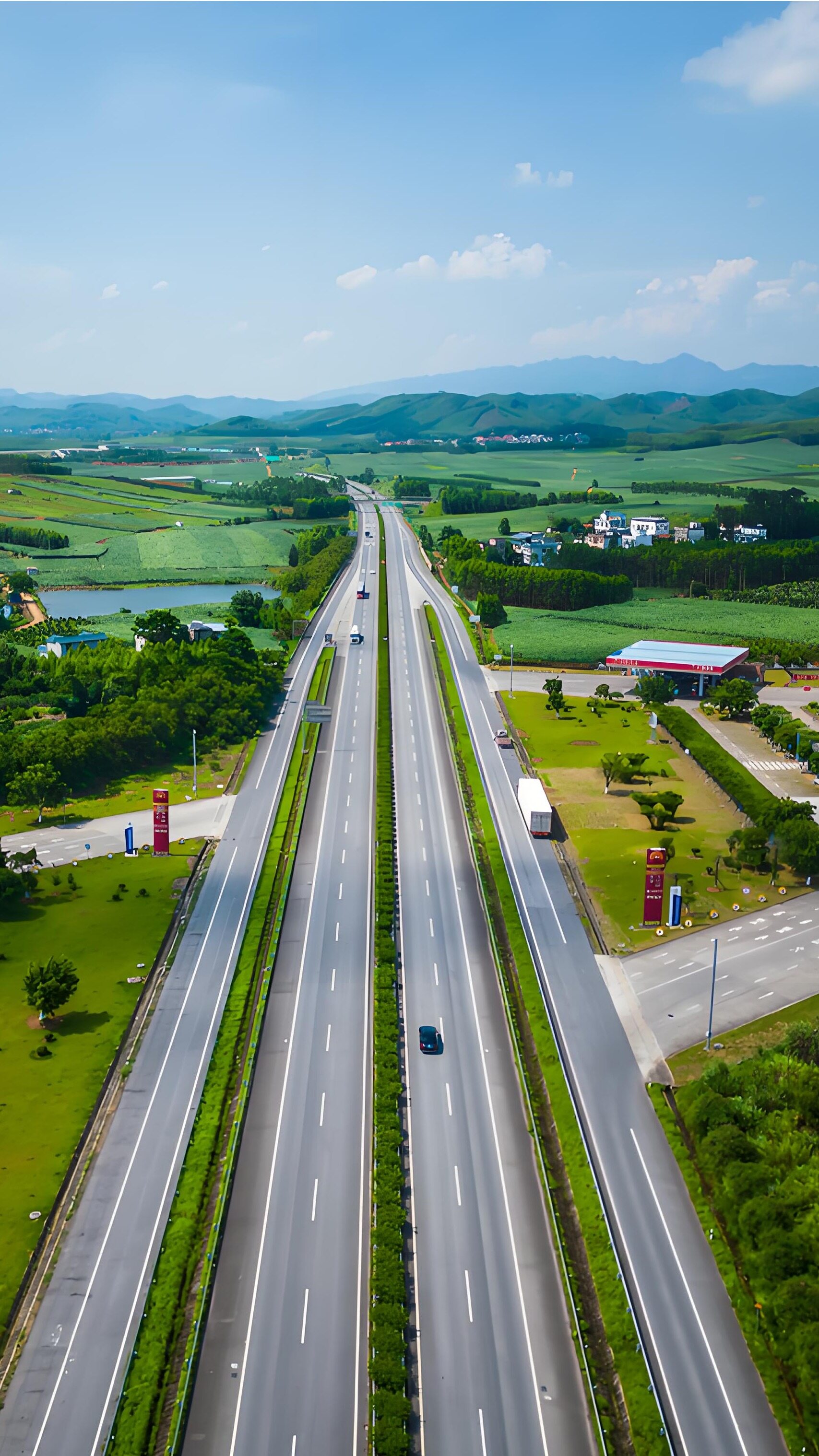
In the first half of 2026, the Middle East will surpass Africa for the first time and become the region with the strongest participation in China's the Belt and Road project contracting. According to the report jointly released by the University of Queensland and the Green Finance and Development Center, China's participation in project contracting in the Middle East from January to June reached US $36.5 billion, up 98.4% year on year, the highest level in any first half of the year since the launch of the the Belt and Road Initiative in 2013. From railways in the United Arab Emirates to the Red Sea New City in Saudi Arabia, from hydropower in Kuwait to steel in Egypt, China's infrastructure strength is accelerating its expansion on the vast land of the Middle East.
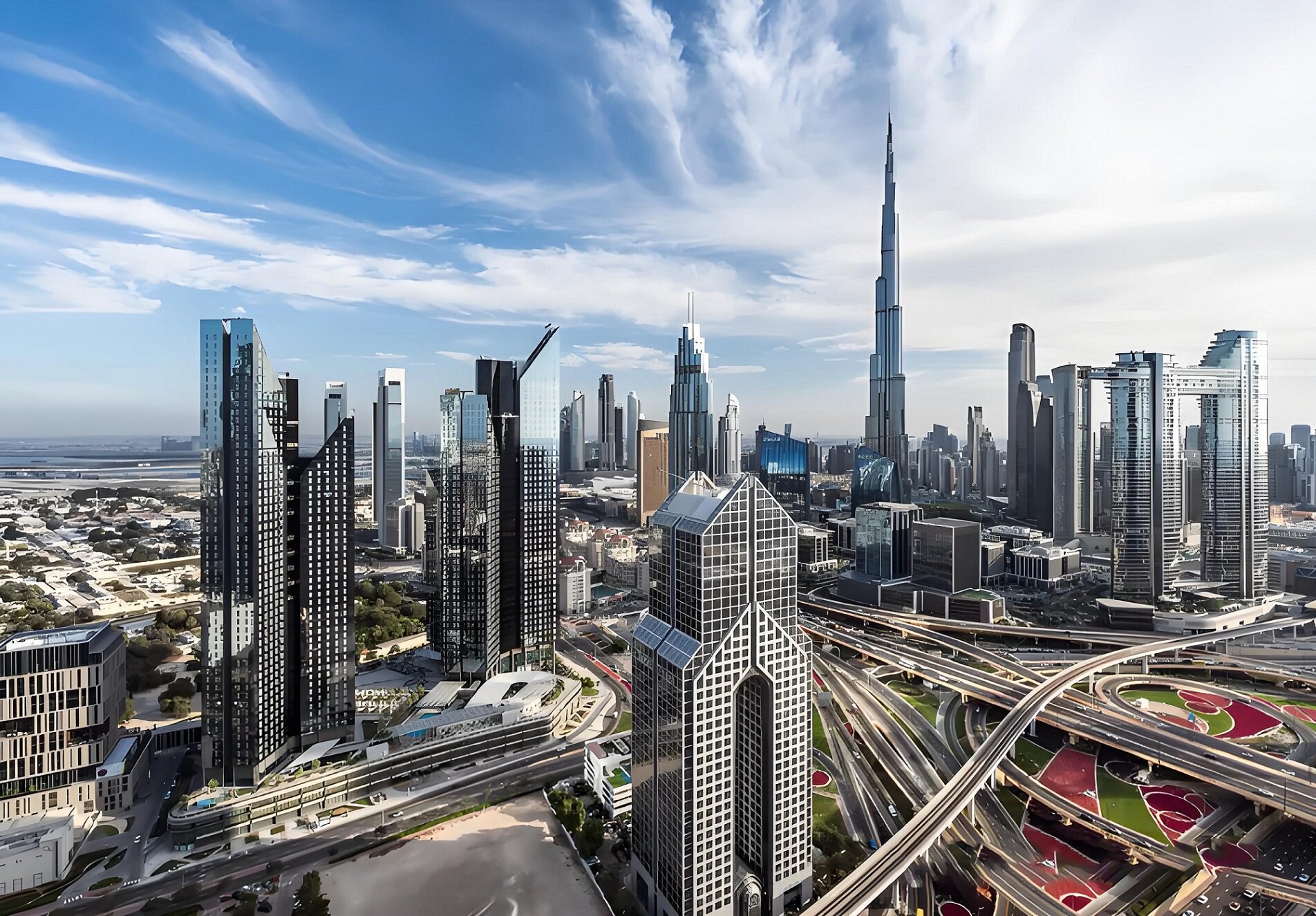
The Middle East has risen to become the top regional market
US $36.5 billion accounted for nearly half of China's global the Belt and Road project contracting volume in the first half of the year. The core driving force for growth comes from the infrastructure ambitions of Gulf countries, such as Saudi Arabia's 2030 Vision, the UAE's economic diversification strategy, and Kuwait's 2035 New Kuwait, which have entered a period of concentrated implementation, releasing a large demand for energy, transportation, and municipal engineering. The growth in the first half of the year was driven by 32 large projects worth over 1 billion US dollars in the Middle East region, an increase of 3 compared to the same period in 2025. The UAE's $8 billion high-speed rail project and Egypt's $10 billion steel investment, among other billion dollar mega projects, have entered the execution phase, driving the contracting scale to nearly double year-on-year.
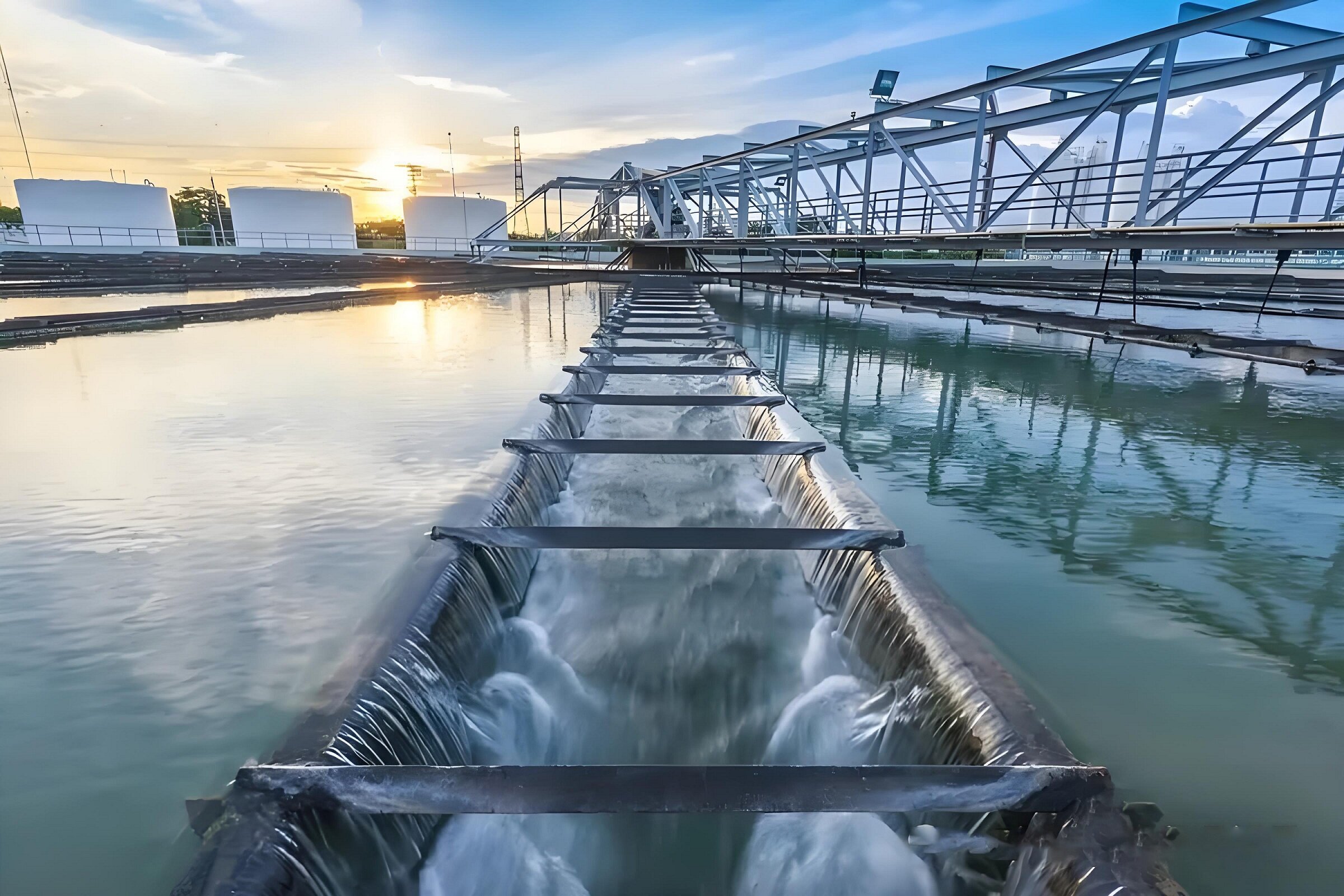
UAE leads, Kuwait closely follows
The United Arab Emirates ranks first in the Middle East with a project contracting amount of approximately 18.4 billion US dollars. Representative projects include the Etihad Railway's 8 billion US dollar high-speed rail project, with deep participation from China Construction and China Harbour Engineering. The UAE has become the first stop for China's infrastructure to go global to the Middle East. Kuwait is closely following with approximately 11.5 billion US dollars, with hydropower and seawater desalination projects, as well as a large number of affordable housing and municipal engineering projects forming the basic infrastructure. Chinese enterprises are extending from construction projects to benefiting people's livelihoods. Saudi Arabia and Qatar are equally important markets, with China Electric Power Construction and China Energy Construction densely deploying new energy and high-end infrastructure projects such as photovoltaics, wind power, and public utilities in the Red Sea tourist area in Saudi Arabia. Uzbekistan is also an important market with approximately 6.1 billion US dollars. Keywords: Middle East News Network, the Belt and Road, energy, transportation
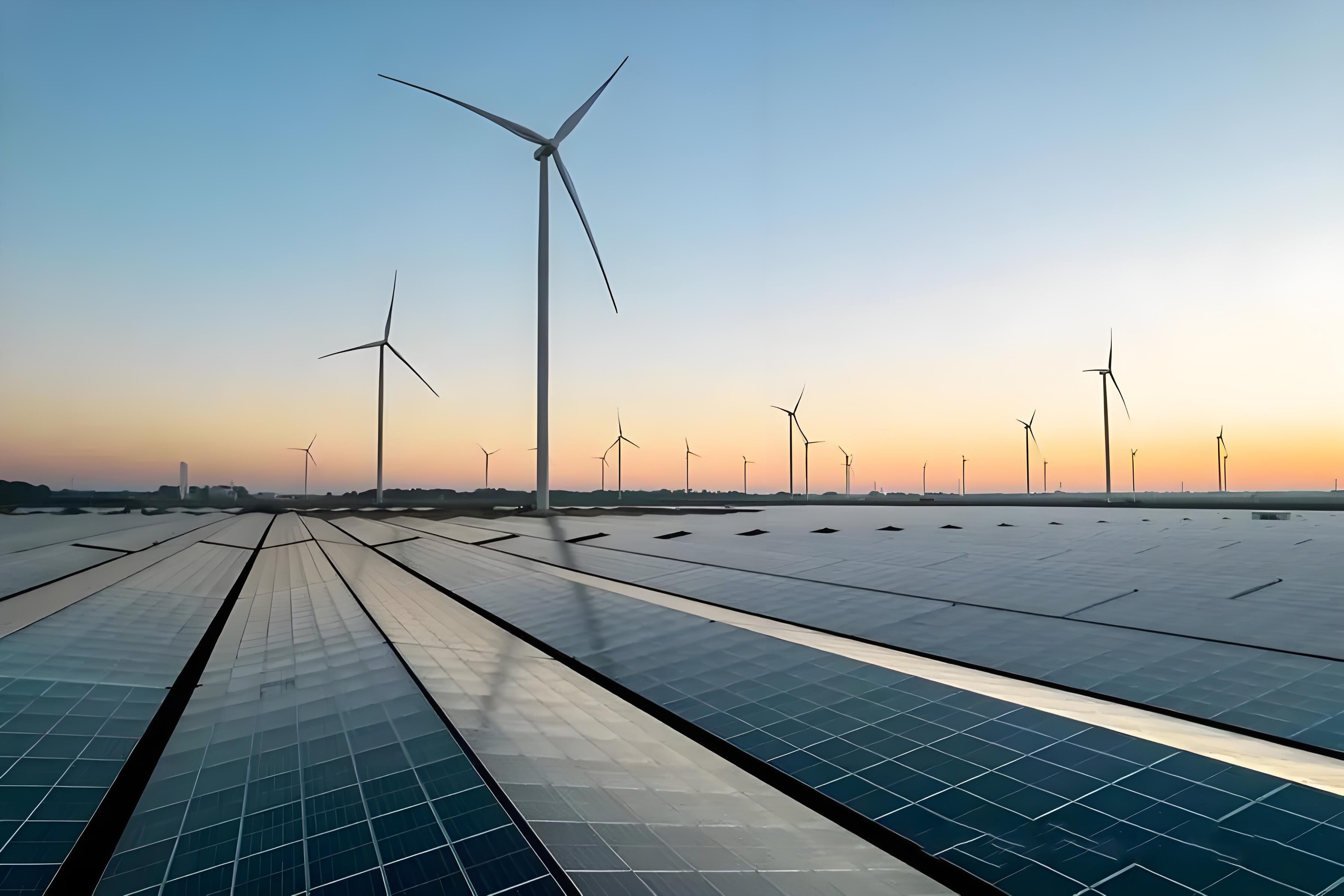
Investment structure shifts from paving roads and bridges to industrial co construction
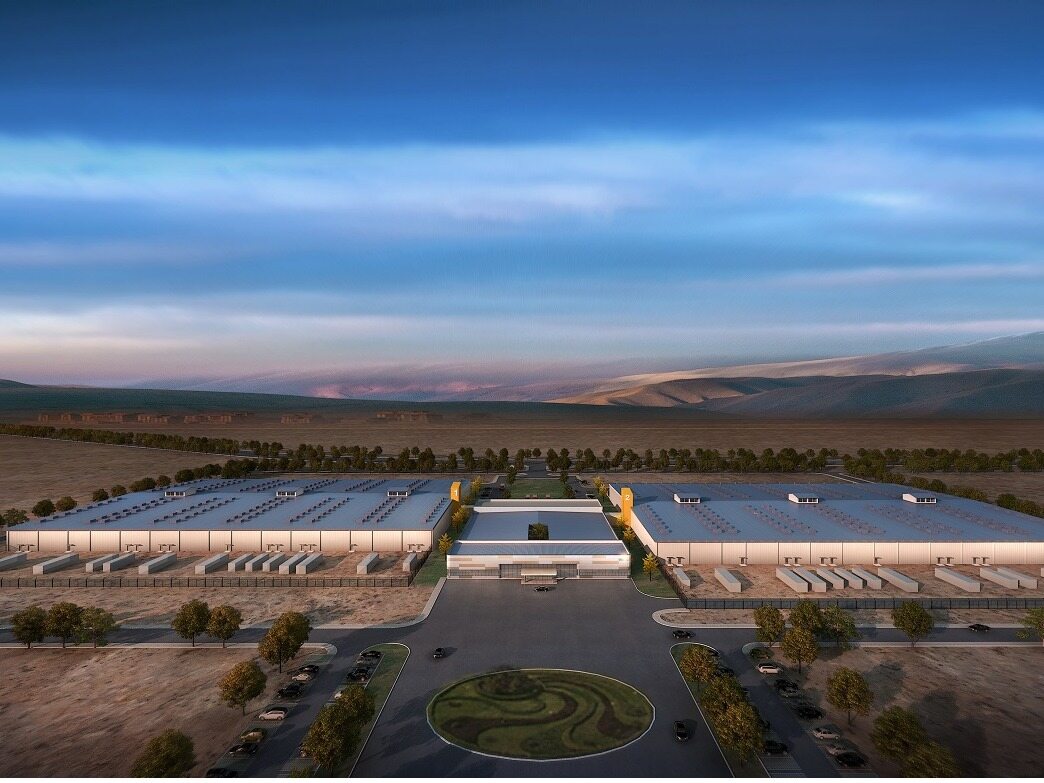
Behind the $36.5 billion is a profound change in China's engineering contracting structure in the Middle East. Energy is still the ballast stone. In the first half of the year, the overall participation of the the Belt and Road in the energy sector reached US $36.3 billion, with green energy as the leading force. The Saudi Red Sea public utilities project, the Masdar Optical Storage Project in the United Arab Emirates and other projects have been deeply involved by Chinese enterprises. Manufacturing investment is accelerating, with Egypt's $10 billion steel project, Saudi Arabia's localized assembly of new energy vehicles, and Morocco's battery material industry cluster. China's participation in the Middle East is extending from infrastructure general contracting to industry co construction. The proportion of the private sector has risen to 48%, a significant increase from previous years, and private enterprises are becoming a new force in the Middle East's overseas expansion. Middle Eastern countries are no longer satisfied with the EPC model of building and then leaving. Whoever can provide a comprehensive solution of construction, operation, and industry will get a bigger cake.Editor/Gao Xue
Comment

 Praise
 Collect
 Comment

 Share
Share


Write something~