 Search


- Far East Development Accelerates the Landing of Agricultural Mineral Projects, Bringing New Opportunities for China Russia Cooperation
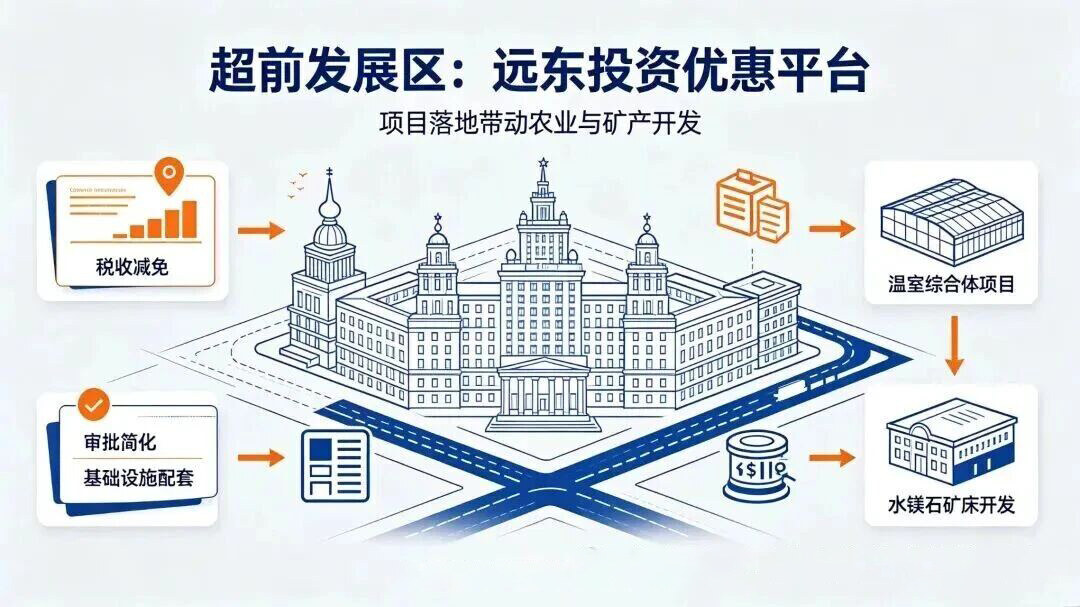
Recently, Russian Prime Minister Mishustin signed Government Resolutions 1127 and 1128, officially expanding the boundaries between the Khabarovsk Advanced Development Zone and the Amur Khingan Advanced Development Zone in the Far East region. By expanding and implementing two key investment projects, the investment potential of the Far East will be further unleashed. The advanced development zone is a core policy tool for the development of the Russian Far East, where settled enterprises can enjoy a package of benefits such as tax reductions, simplified administrative approvals, and infrastructure support. This expansion is to obtain policy dividends for two major projects.
Greenhouse complex landed in Khabarovsk
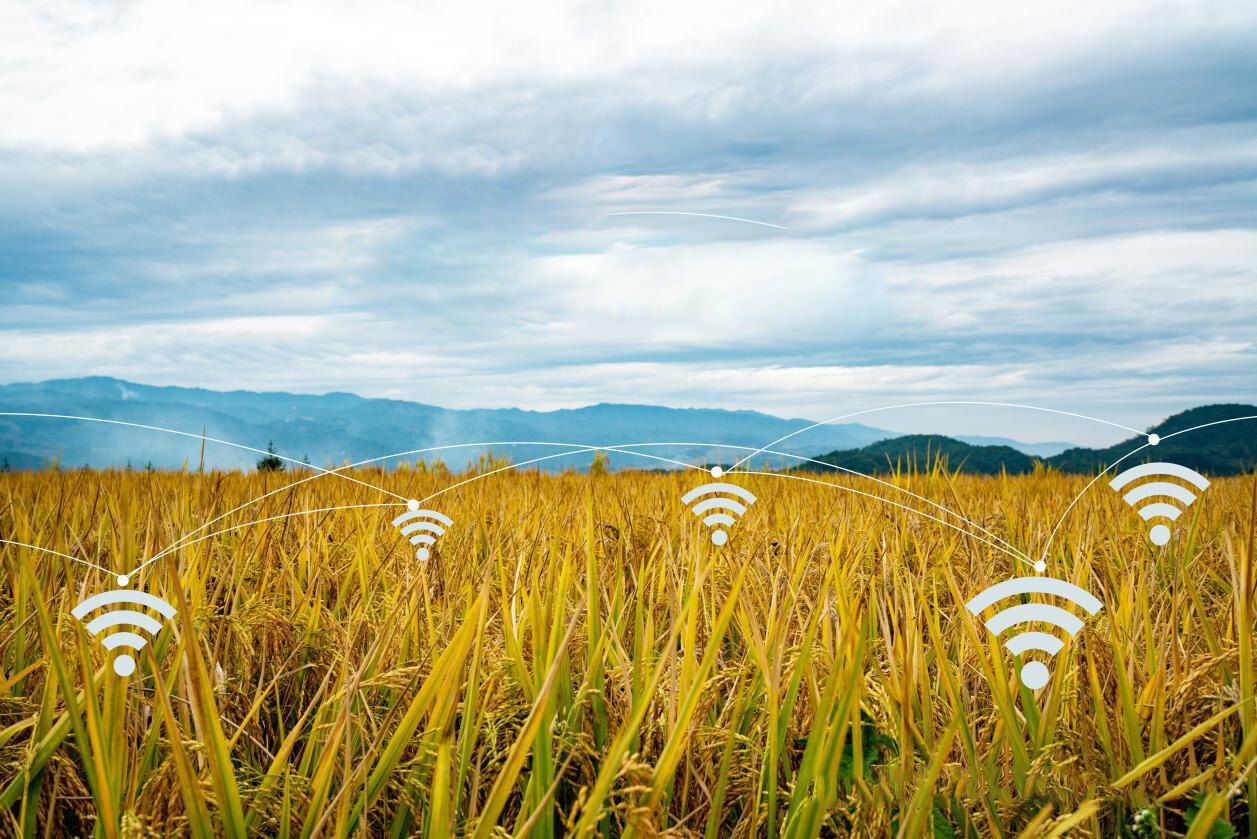
According to the resolution, some plots of land in the Razo administrative district are included in the Khabarovsk Advanced Development Zone. This new area will be used to construct a modern greenhouse complex covering an area of over 25 hectares. The total investment of the project is about 17.5 billion rubles, and after completion, it can provide more than 500 job opportunities. After the large-scale greenhouse project is put into operation, it will significantly increase the local vegetable production capacity in the Far East, serving both the domestic market in Russia and bringing new sources of goods for cross-border agricultural trade. From an economic and trade perspective, greenhouse projects correspond to the supply of agricultural products. With the improvement of park facilities and the increase of investment projects, cross-border logistics, trade, and industrial cooperation between the Far East and border areas such as Heilongjiang in China are expected to usher in more new opportunities.
The development of brucite deposits has landed in the Jewish Autonomous Prefecture
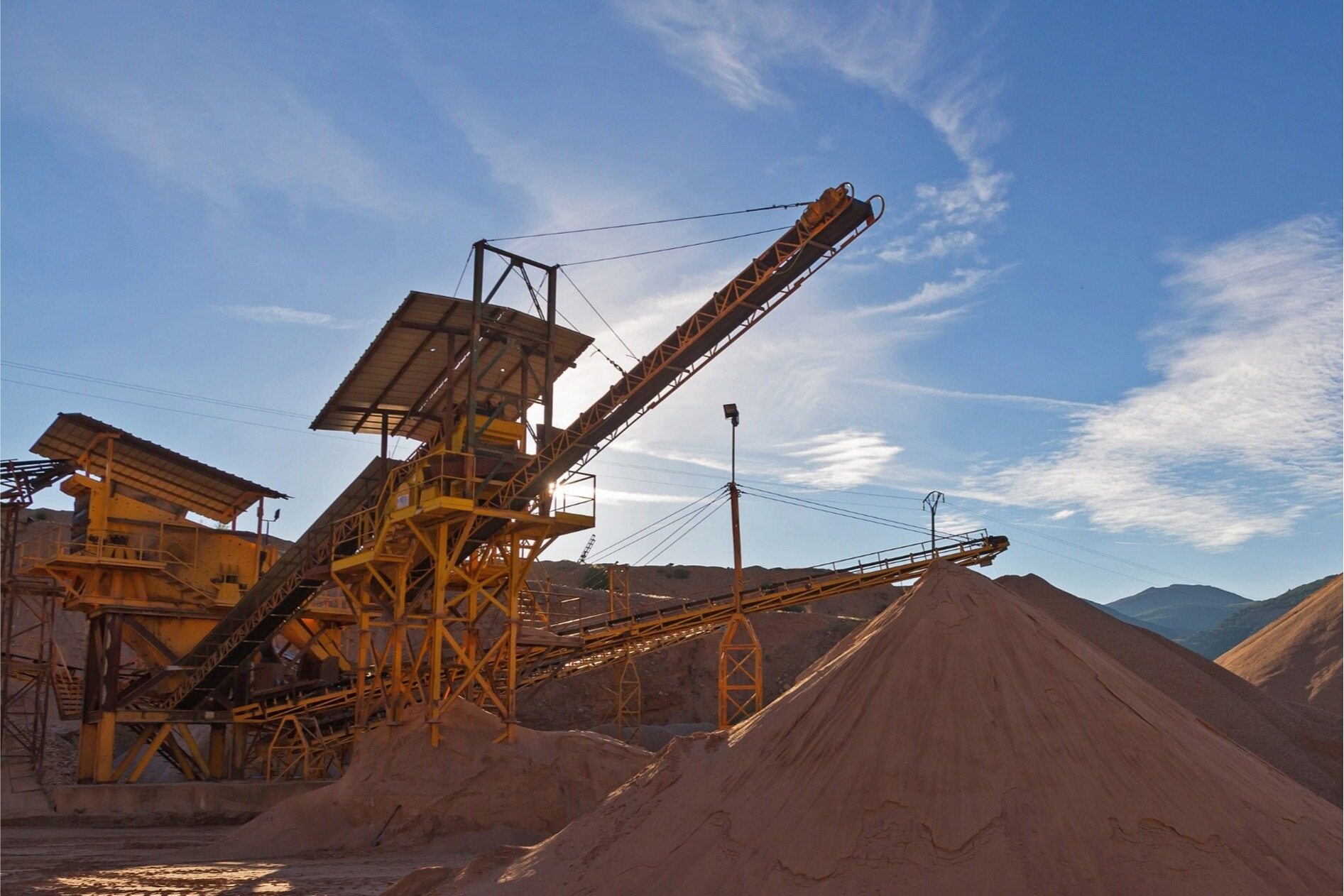
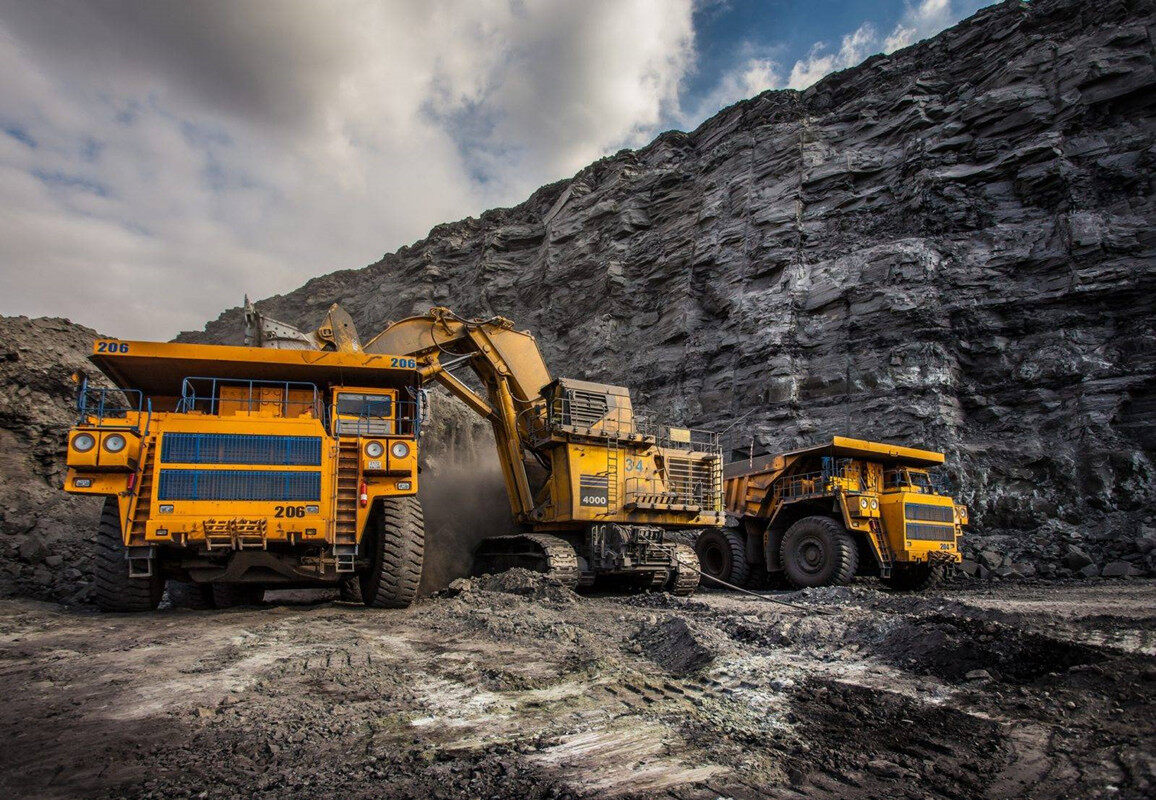
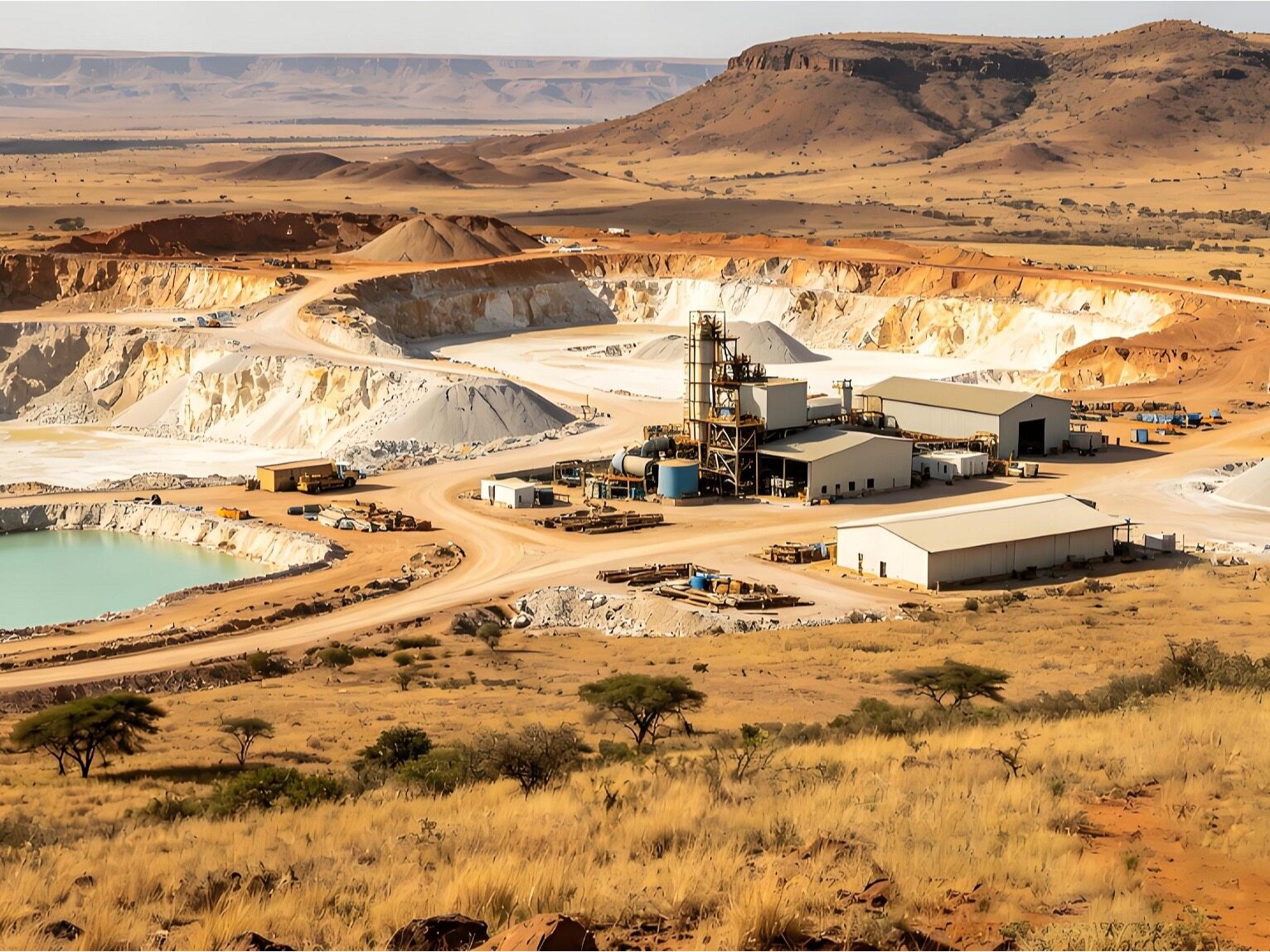
The Amur Khingan Advanced Development Zone in the Jewish Autonomous Oblast is expanding synchronously, with the goal of developing the Safkinsky magnesium ore deposit. The estimated reserves of this deposit are as high as 19.5 million tons, making it a highly valuable non-metallic mineral resource. The project plans to attract approximately 2.3 billion rubles in private investment and create around 200 job opportunities. Magnesite is widely used in refractory materials, environmentally friendly materials, and chemical raw materials, and there is also room for export and industrial cooperation with China in the future. The two major directions of agriculture and mineral resources are advancing simultaneously, with greenhouse projects corresponding to agricultural product supply, brucite projects corresponding to resource processing, and the continuous expansion of the Far East Advanced Development Zone, which is a signal of the continuous promotion of Russia's Far East development strategy. Keywords: international news and information, agriculture, minerals
New Space for Regional Economic and Trade Cooperation between China and Russia
For enterprises deeply engaged in cross-border business between China and Russia, they can continue to pay attention to the dynamics of subsequent investment attraction, project production, and product export in the two major parks, and timely capture cooperation opportunities in the fields of agriculture, mining, and processing. Of course, cross-border investment and trade still need to pay attention to compliance requirements such as local industrial policies, customs supervision, and code declaration in Russia. The development of the Far East is not a short-term action. The expansion of a series of advanced development zones and the landing of new projects are gradually reshaping the industrial map of the Russian Far East and opening up broader space for local economic and trade cooperation between China and Russia.Editor/Gao Xue
Comment


 Praise
 Collect
 Comment

 Share
Share


Write something~