 Search


- Tanzania's natural gas development and release project equipment business opportunities, Chinese enterprises welcome cooperation window
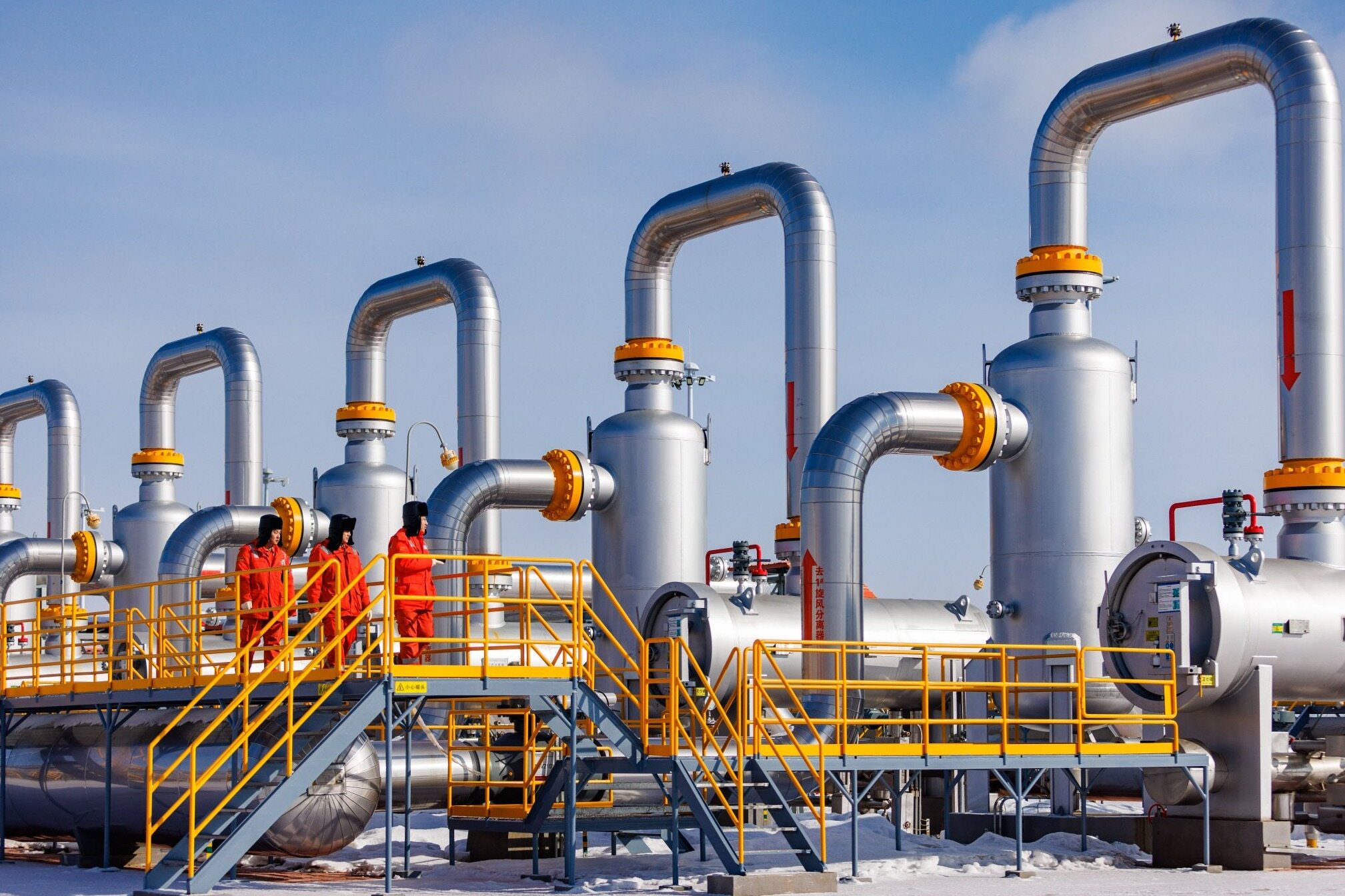
On September 15, 2026, at the Gastech2026 conference in Bangkok, Tanzania's Deputy Minister of Energy, Salome Makamba, announced to the global energy community that Tanzania has discovered over 57 trillion cubic feet of natural gas resources, most of which are located in the deep sea. She proposed to build a complete value chain for natural gas in her country, integrating domestic gas consumption, regional markets, CNG, Mini LNG, and large-scale export projects into one set of arrangements. For Chinese enterprises, the business that can be followed in the near future is more distributed in processing plants, industrial pipelines, mobile gas stations, and existing Chinese EPC supply chains. Long term Tanzania LNG still needs to wait for commercial terms and procurement nodes to continue to advance.
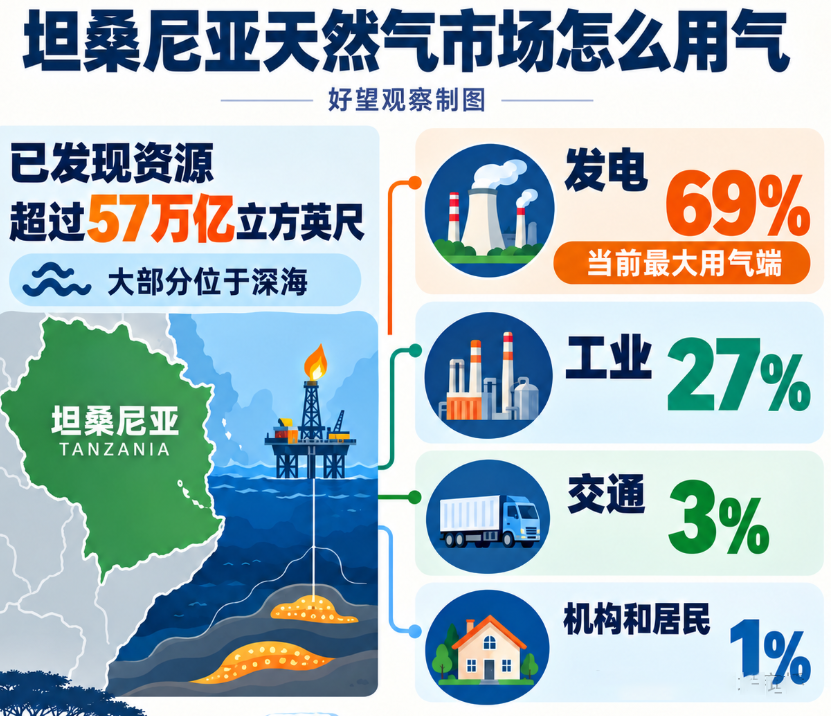
57 trillion cubic meters of resources and current gas consumption structure
57 trillion cubic feet is already a discovered resource, not equivalent to natural gas that can be sold immediately. The Tanzanian Ministry of Energy has explicitly stated that most of the resources are in the deep sea. The natural gas currently entering the market mainly comes from onshore and shallow sea gas sources such as SongoSongo and MnaziBay, with Ntorya responsible for supplementing new gas sources. The gas consumption structure released by the government in Bangkok shows that 69% is used for power generation, 27% for industry, 3% for transportation, and 1% for institutions and residents combined. Electricity remains the largest purchasing end, industry has become the second largest market, and the transportation end is in the stage of accelerating station laying and expanding coverage. This structure explains why Tanzania is simultaneously promoting industrial pipelines and mobile gas supply. The newly added natural gas can enter power plants, as well as be delivered to industrial parks, vehicles, and cities without fixed pipelines.
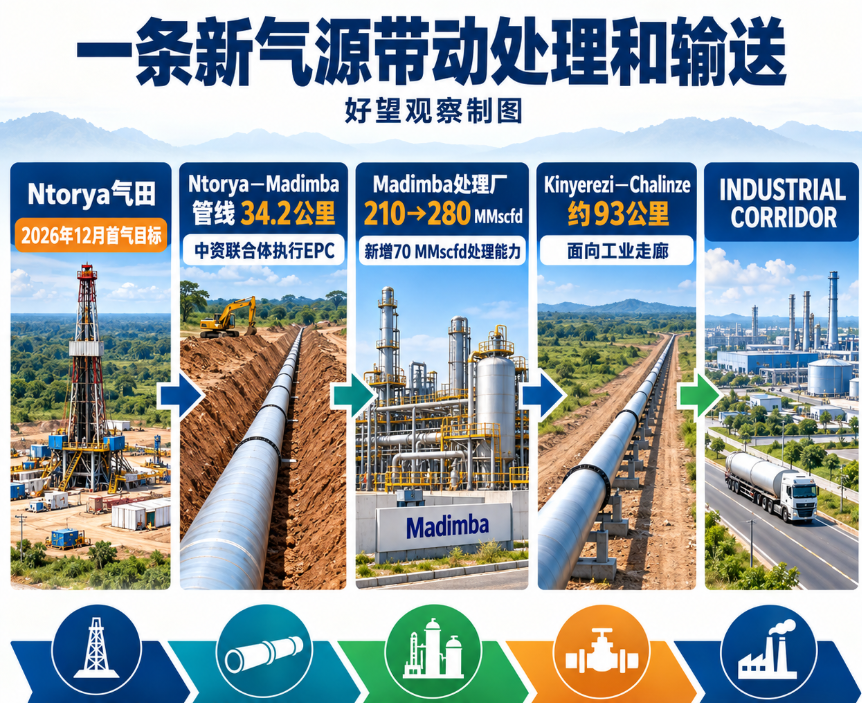
Ntorya gas source drives pipeline and processing plant expansion
The clearest engineering chain currently leads from the Ntorya gas field to the Madimba natural gas processing plant. The 34.2 kilometer Ntorya to Madimba high-pressure pipeline has been undertaken by a consortium of China Petroleum Pipeline Engineering Co., Ltd. and China Petroleum Technology Development Co., Ltd. for EPC, with a contract signed in July 2025 for approximately $46.8 million. This main EPC contract has entered the execution stage. At the end of February 2026, the Tanzanian Ministry of Energy revealed that the project progress is about 35%. On September 2, 2026, the project partners updated the plan, and Ntorya-1 well repair, Ntorya-2 testing, and new well drilling are scheduled from October to December 2026. The first gas target has been adjusted to December 2026. TPDC has allocated 143.2 billion Tanzanian shillings for the 2026-2027 fiscal year energy budget, with plans to add 70 million standard cubic feet per day of processing capacity, increasing the processing capacity from 210 million to 280 million standard cubic feet per day. Keywords: International News Network, Natural Gas, International
Industrial pipelines and mobile gas supply open up small and medium-sized projects
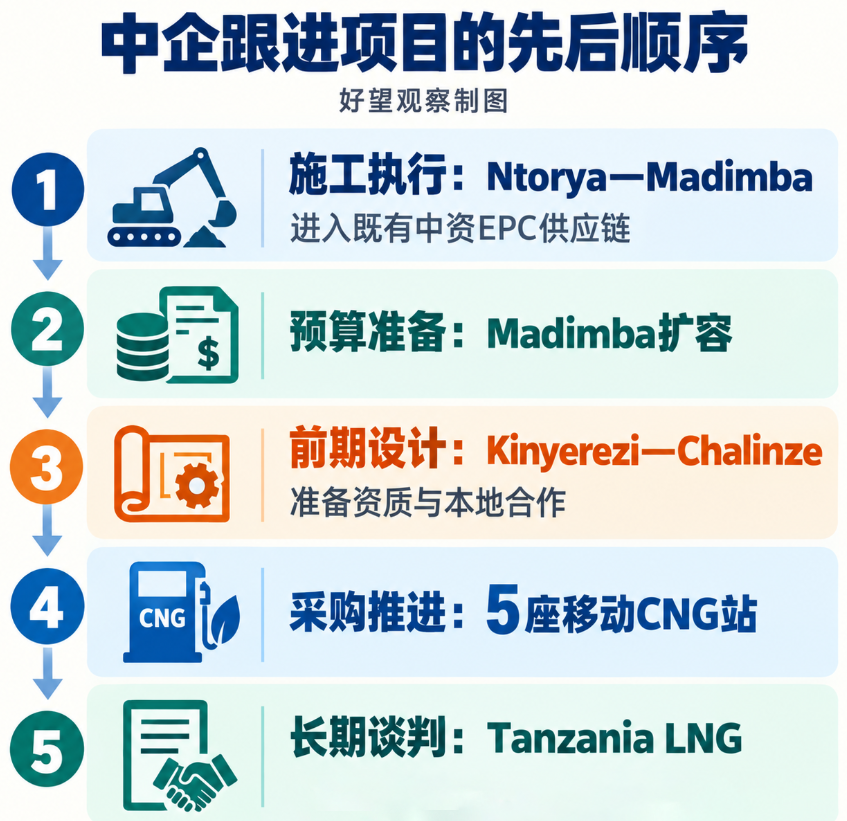
Another main line is to deliver gas to industrial and transportation customers outside of Dar es Salaam. The Kinyerezi Chalinze high-pressure pipeline, listed in the 2026-2027 fiscal year budget, is approximately 93 kilometers long and is planned to pass through industrial and logistics nodes such as Kibaha, Mlandizi, and Kwala. Transportation and projects without pipeline networks are relatively scattered. In May 2026, the Ministry of Energy revealed that there were already 18 CNG stations in operation nationwide, and the government and private sector are preparing to add 10 more; TPDC is advancing the procurement of 5 mobile CNG stations. The government is still in talks with six private enterprises about Mini LNG, planning to use tanker trucks to transport natural gas to areas not yet covered by fixed pipeline networks. The investment sequence of Chinese enterprises should be arranged according to project maturity: the first layer is the ongoing Ntorya to Madimba pipeline, the second layer is the expansion of Madimba processing plant, Kinyerezi to Chalinze pipeline, and 5 mobile CNG stations, and the third layer is Mini LNG and TanzaniaLNG.Editor/Gao Xue
Comment


 Praise
 Collect
 Comment

 Share
Share


Write something~